
 IN
Vacutainers & Test Tubes
22 products available
What are Vacutainers & Test Tubes?
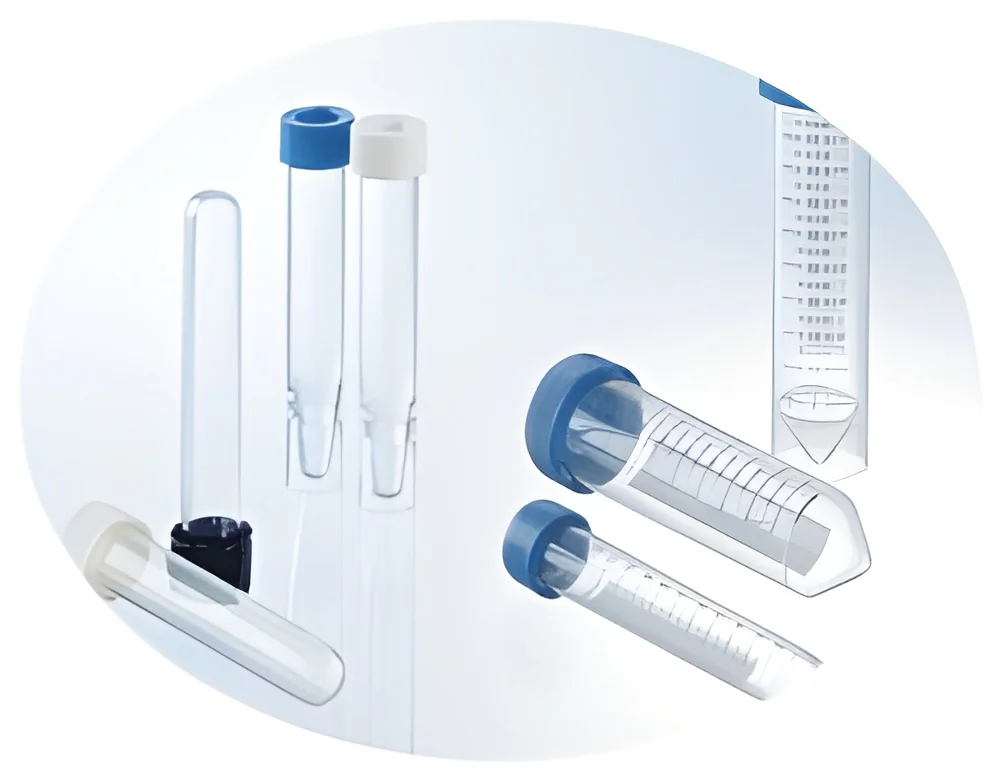
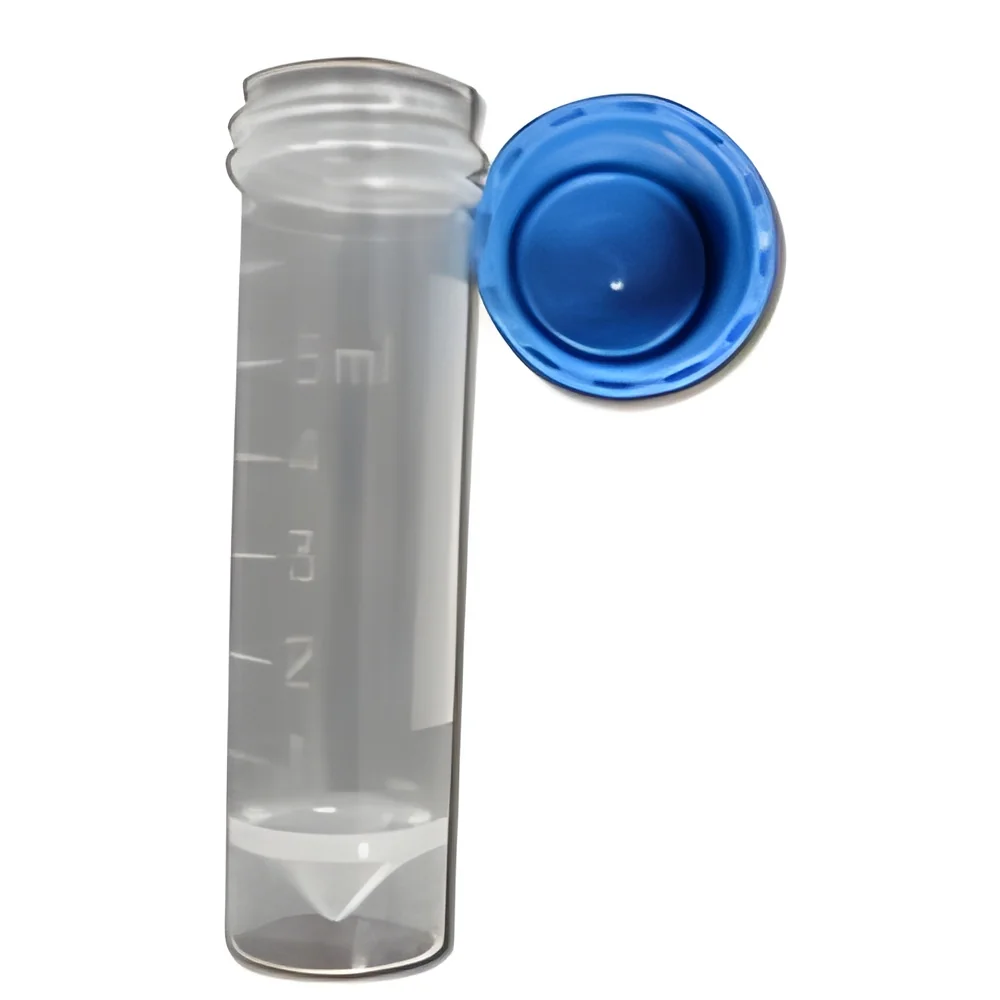
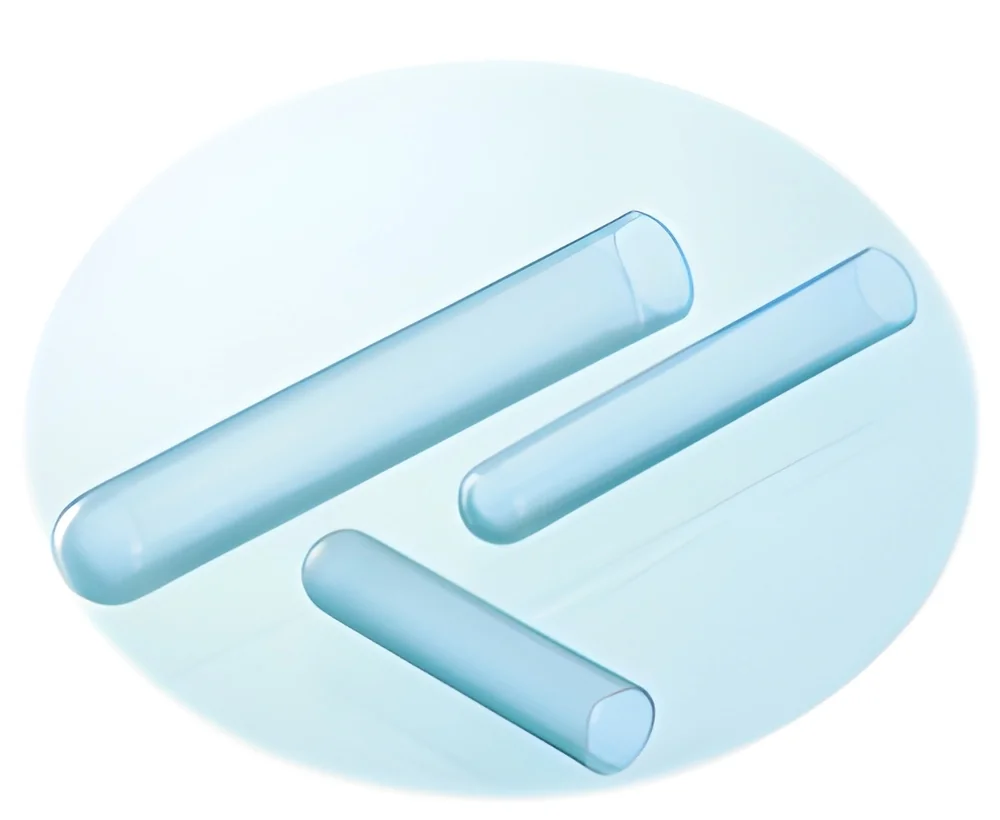
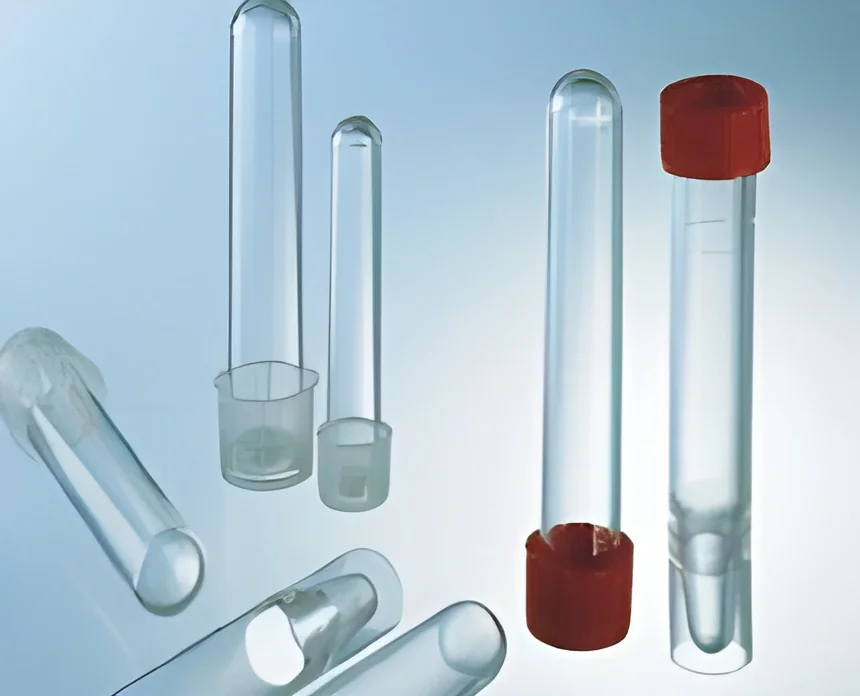
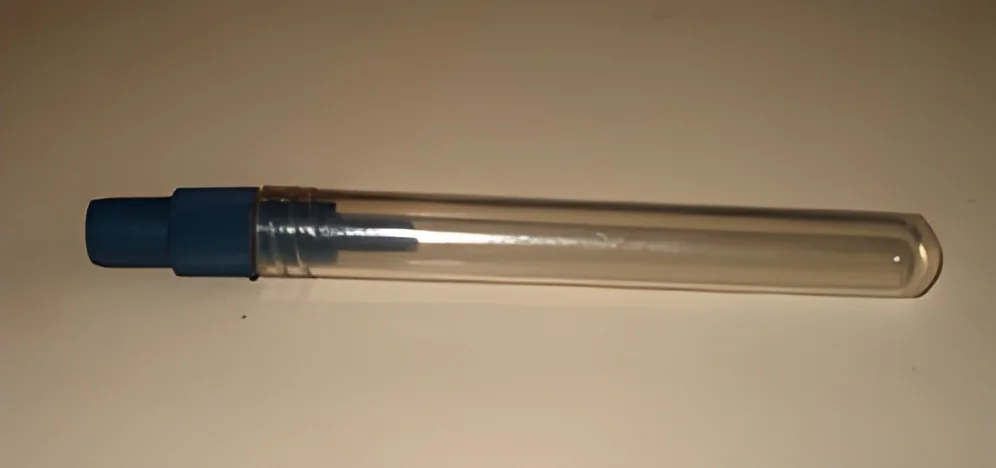
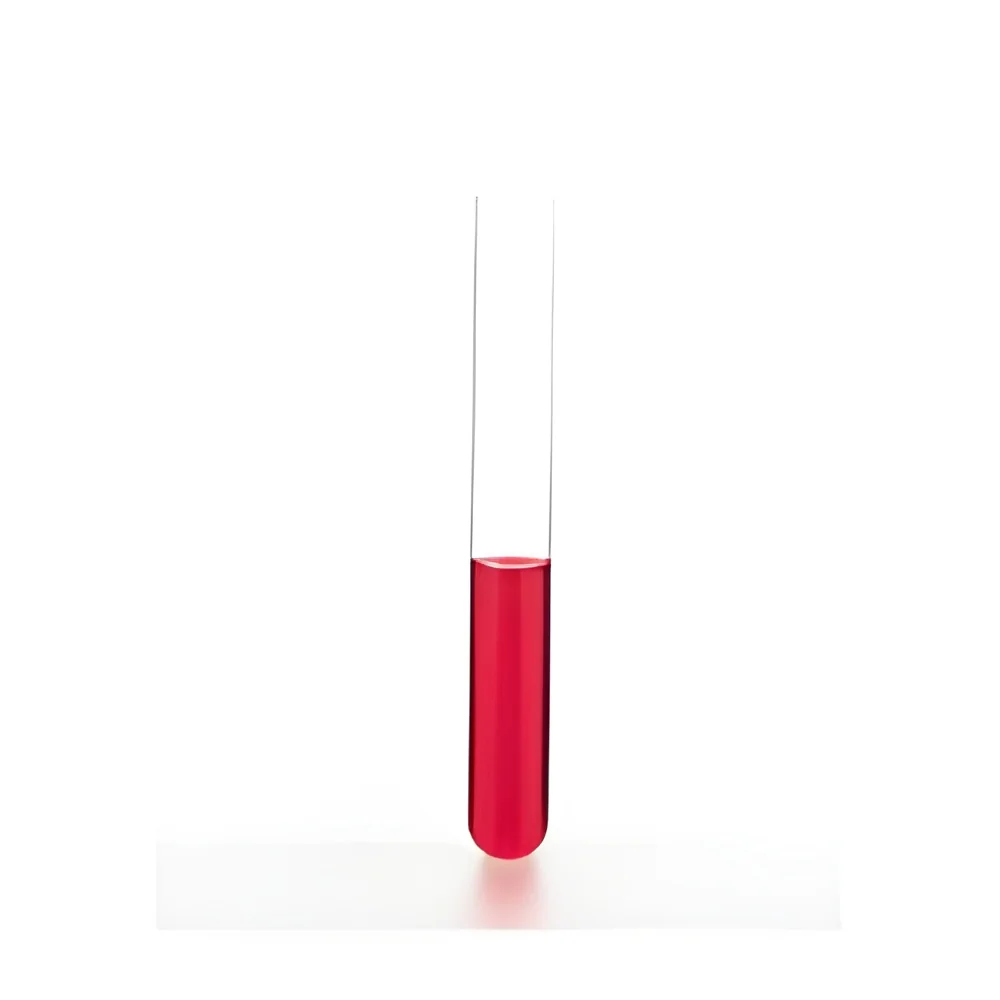
Vacutainers and test tubes are essential laboratory tools used for the collection, transportation, and storage of biological specimens. Vacutainers are specially designed vacuum tubes that come with a closure system, creating a sealed environment that prevents contamination and preserves the integrity of the samples. Test tubes, on the other hand, are cylindrical glass or plastic containers used for various laboratory applications, including mixing, heating, and holding samples. Both types of products are crucial in laboratory settings for accurate analysis and testing.
These products find primary use in medical laboratories, research facilities, and pharmaceutical companies. Vacutainers are commonly used for blood collection, while test tubes serve a broader range of applications such as chemical analysis, microbiological assays, and educational purposes in academic institutions. The demand for these products is driven by the need for reliable specimen handling and testing, making them indispensable in the healthcare and scientific research industries.
In the context of the market, the growth of the healthcare sector and increasing laboratory testing requirements have elevated the significance of vacutainers and test tubes. The ongoing advancements in medical technology and laboratory practices also contribute to the rising demand for high-quality specimen collection and storage solutions.
Key Features and Specifications
Vacutainers and test tubes come with a variety of features that enhance usability and reliability. Understanding these specifications is crucial for selecting the right products for specific applications.
Key specifications include:
1. Material Type
- Common materials include glass and various plastics.
- Glass offers chemical resistance, while plastics provide shatter resistance.
2. Volume Capacity
- Ranges from 1 ml to 50 ml, depending on the application.
- Larger volumes are suitable for bulk sample collection.
3. Closure Type
- Options include screw caps, snap caps, and rubber stoppers.
- Secure closures help prevent leakage and contamination.
4. Sterilization Methods
- Products can be gamma-sterilized or autoclaved.
- Ensures that the samples remain uncontaminated.
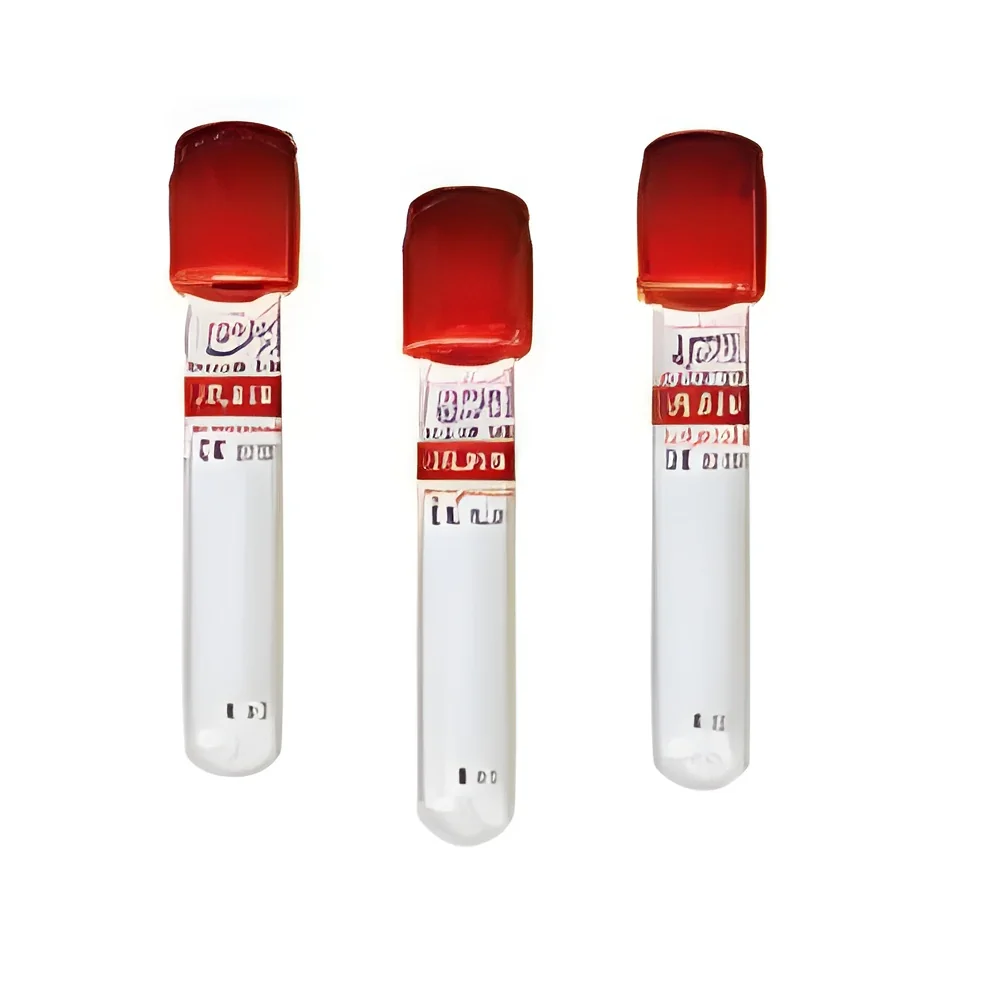
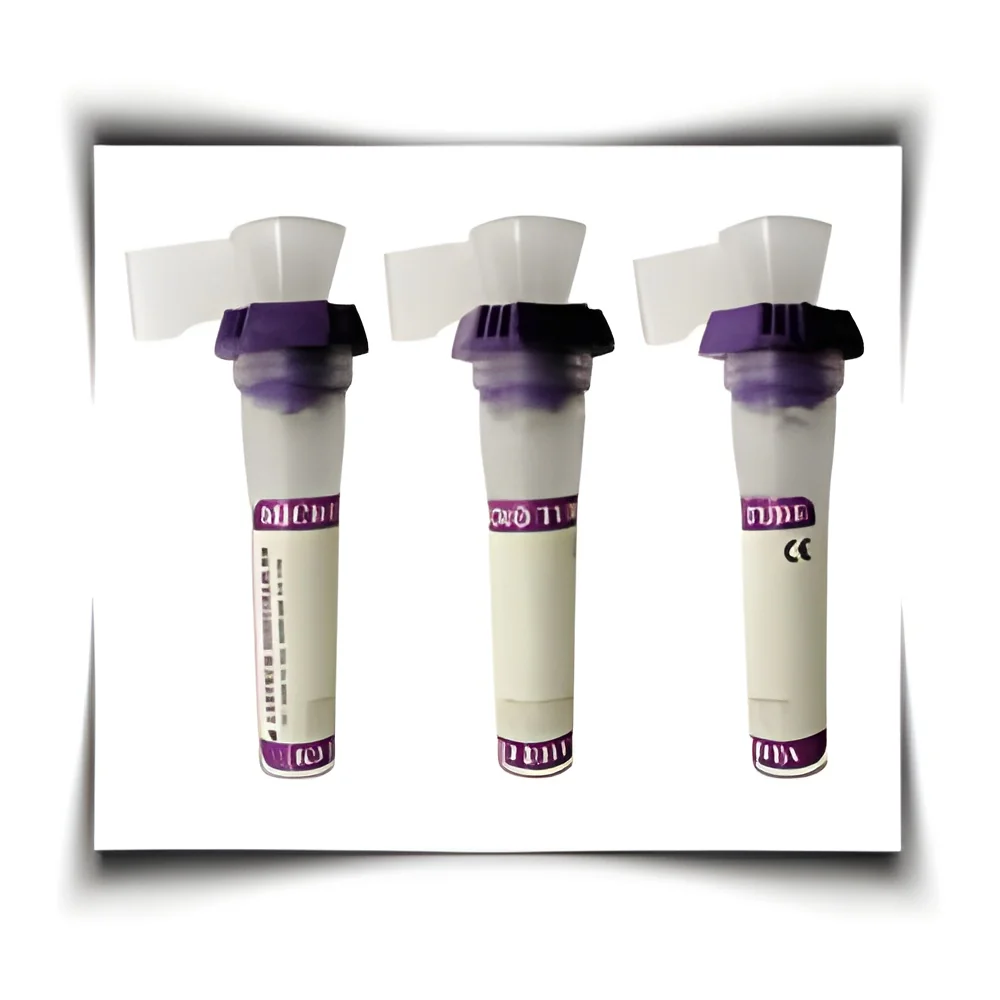
5. Color-Coding
- Different colors indicate specific additives and functions.
- Helps in easy identification of tube types during usage.
6. Labeling Area
- Space for marking sample information.
- Essential for tracking and organization in laboratory settings.
7. Compatibility
- Certain products are designed to work with automated analyzers.
- Ensures seamless integration into laboratory workflows.
8. Certification
- Compliance with industry standards such as CE certification.
- Guarantees quality and safety for laboratory use.
In summary, understanding the features and specifications of vacutainers and test tubes is essential for making informed purchasing decisions. This knowledge helps ensure that users select the most appropriate products for their specific laboratory needs.
Common Applications and Use Cases
Vacutainers and test tubes are utilized across various industries, each with unique applications.
1. Healthcare: In hospitals and clinics, vacutainers are primarily used for blood collection and sample storage for diagnostic testing. This ensures accurate results for patient care.
2. Pharmaceutical: Test tubes play a vital role in drug development, where they are used for mixing and analyzing chemical compounds during research trials.
3. Education: Schools and universities use test tubes in laboratory experiments for teaching purposes, helping students understand basic scientific principles.
4. Environmental Testing: Both vacutainers and test tubes are used to collect water and soil samples for contamination analysis, supporting environmental safety efforts.
5. Food and Beverage: In this industry, vacutainers are used for testing food samples to ensure compliance with health regulations and safety standards.
6. Biotechnology: Test tubes are crucial for culturing microorganisms and conducting genetic experiments, facilitating advancements in biotechnological research.
7. Veterinary: In veterinary practices, vacutainers are used to collect blood samples from animals for health assessments and diagnostics.
Product Variants and Subcategories
Vacutainers and test tubes come in various types, catering to different laboratory needs.
Vacutainers
These are designed specifically for blood collection, featuring a vacuum seal that draws the blood sample directly into the tube. They often come with specific additives for different tests, such as anticoagulants or clot activators.
Test Tubes
Available in various sizes and materials, test tubes are versatile for multiple applications, including chemical reactions and biological assays. They are often used in conjunction with other laboratory equipment for a range of experiments.
Benefits and Advantages
Sourcing high-quality vacutainers and test tubes provides significant advantages to businesses.
1. Reliability: High-quality products ensure accurate test results, minimizing errors in laboratory analysis.
2. Safety: Secure closures and sterilization processes help maintain sample integrity and prevent contamination.
3. Versatility: A wide range of applications makes these products suitable for various industries, from healthcare to education.
4. Cost-effectiveness: Bulk purchasing can lead to savings, allowing businesses to manage budgets effectively.
5. Compliance: Sourcing certified products ensures adherence to regulatory standards, reducing liability for laboratories.
6. Innovation: Access to the latest advancements in laboratory technology can improve operational efficiency and testing capabilities.
Buying Guide for B2B Buyers
When sourcing vacutainers and test tubes, B2B buyers should consider several critical factors to ensure they make informed decisions.
1. Quality Assessment: Evaluate the quality of materials and manufacturing processes. Look for products that meet industry standards to ensure reliability and safety.
2. Supplier Verification: Research potential suppliers to confirm their credibility and compliance with regulations. This can include checking certifications and customer reviews.
3. Pricing and MOQ: Understand the pricing structure and minimum order quantities. Bulk purchases may offer discounts, but ensure they meet your laboratory's needs.
4. Delivery and Lead Times: Confirm delivery schedules to ensure timely receipt of products. Efficient logistics are crucial for maintaining laboratory operations.
5. Compliance Requirements: Ensure that the products comply with relevant regulations and standards. This is vital for maintaining laboratory accreditation and ensuring safety.
Compliance and Certifications
Vacutainers and test tubes must adhere to various quality standards and certifications to ensure they are safe and effective for laboratory use. Key standards include ISO 9001, which emphasizes quality management systems, and HACCP, which focuses on food safety. Compliance with Good Distribution Practices (GDP) is also essential for maintaining product integrity during distribution.
Additionally, products often carry certifications such as CE, indicating that they meet European health, safety, and environmental protection standards. This certification is crucial for ensuring that the products are safe for use in healthcare and laboratory settings.
Safety and testing requirements are paramount in the manufacturing process of these products. Regular testing for durability, chemical resistance, and sterility ensures they meet the necessary performance criteria. Furthermore, regional compliance considerations should be taken into account, as regulations may vary by country or region.
Why Source Vacutainers & Test Tubes from Pepagora?
Pepagora offers a reliable platform for sourcing vacutainers and test tubes, providing numerous advantages for businesses.
Verified Supplier Network: Pepagora connects buyers with a network of verified suppliers, ensuring that the products meet high-quality standards. This helps buyers make informed choices when selecting products.
Streamlined RFQ Process: The request for quotation process is designed to be straightforward, allowing buyers to quickly compare prices and specifications from various suppliers. This enhances the efficiency of the purchasing process.
Trade Assurance and Support: Pepagora provides trade assurance, protecting buyers throughout their purchasing journey. This includes support for resolving disputes and ensuring product quality.
Regional Coverage: With a strong presence in India, the GCC, and Southeast Asia, Pepagora caters to diverse regional needs, enhancing accessibility to quality laboratory products for buyers across multiple markets.





Frequently Asked Questions
What are Vacutainers & Test Tubes?
Vacutainers and test tubes are specialized containers used in laboratories for storing and transporting biological samples. They are designed to maintain the integrity of the samples and are often used for various diagnostic tests.
What are the different types of Vacutainers & Test Tubes?
There are several types of Vacutainers and test tubes, including plain tubes, EDTA tubes, heparin tubes, and serum separator tubes. Each type is designed for specific tests and contains different additives to preserve the sample.
How do I choose the right Vacutainers & Test Tubes?
Choosing the right Vacutainers and test tubes depends on the type of sample you are collecting and the tests to be performed. It is essential to consider the tube's additive, size, and compatibility with the testing procedure.
What are the standard specifications for Vacutainers & Test Tubes?
Standard specifications for Vacutainers and test tubes include material type (usually glass or plastic), volume capacity, and closure type. Additionally, they must meet regulatory standards for safety and sterility.
What is the price range for Vacutainers & Test Tubes?
The price of Vacutainers and test tubes can vary widely based on type, material, and supplier. Generally, prices can range from a few rupees to several hundred rupees per unit.
What quality standards apply to Vacutainers & Test Tubes?
Vacutainers and test tubes must adhere to quality standards set by regulatory bodies such as ISO and FDA. These standards ensure that the products are safe, effective, and suitable for laboratory use.
Where can I find Vacutainers & Test Tubes suppliers in India?
You can find Vacutainers and test tubes suppliers in India through B2B marketplaces like Pepagora.com, online directories, or industry trade shows. It is advisable to research suppliers for quality and reliability.
Can Vacutainers & Test Tubes be customized?
Yes, many manufacturers offer customization options for Vacutainers and test tubes, including labeling, size, and color. Customization may be beneficial for branding or specific laboratory needs.
What is the typical minimum order quantity for Vacutainers & Test Tubes?
The typical minimum order quantity (MOQ) for Vacutainers and test tubes varies by supplier and product type. Generally, MOQs can range from 50 to several hundred units.
What is the typical lead time for Vacutainers & Test Tubes?
The lead time for Vacutainers and test tubes can vary based on the supplier and order size. Typically, lead times range from 1 to 4 weeks, depending on stock availability and customization requirements.
Why Businesses Trust Pepagora
Thousands of companies trust Pepagora to source smarter and sell faster
Expand Your Sales Globally

Source Smarter,Grow Faster
