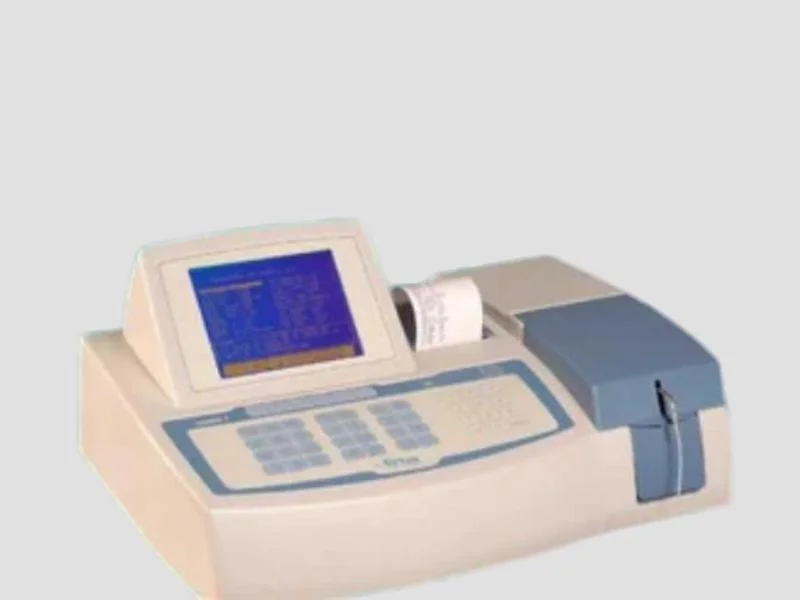
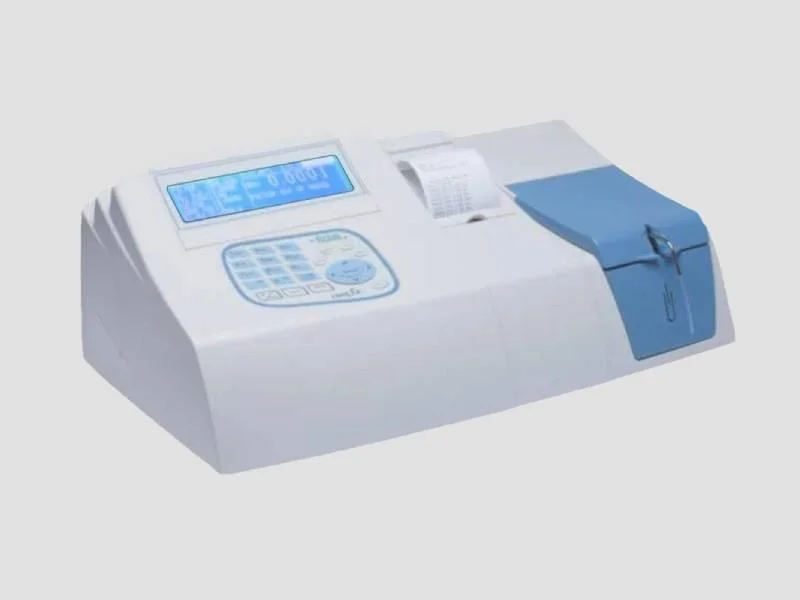
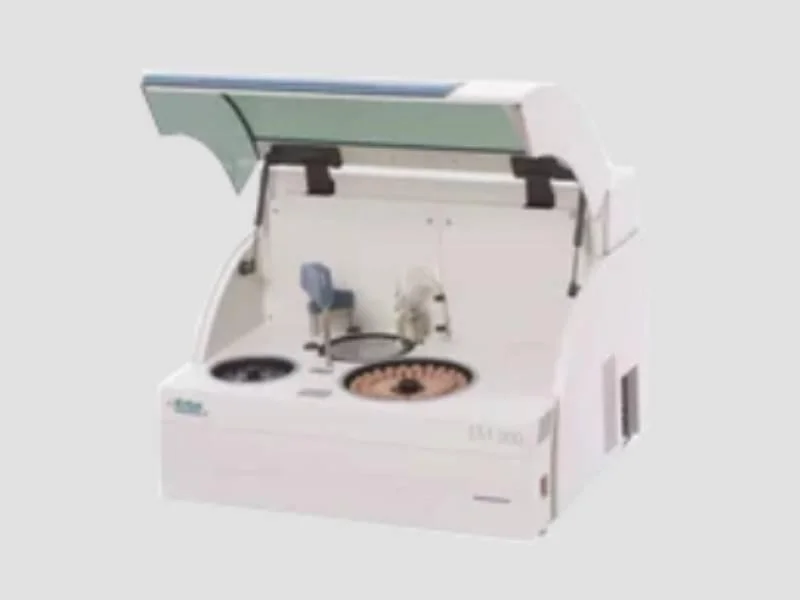
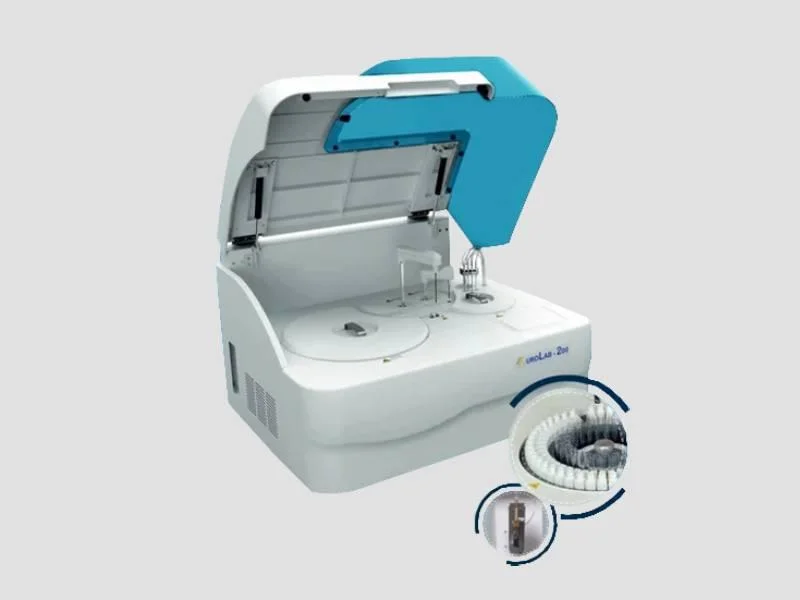
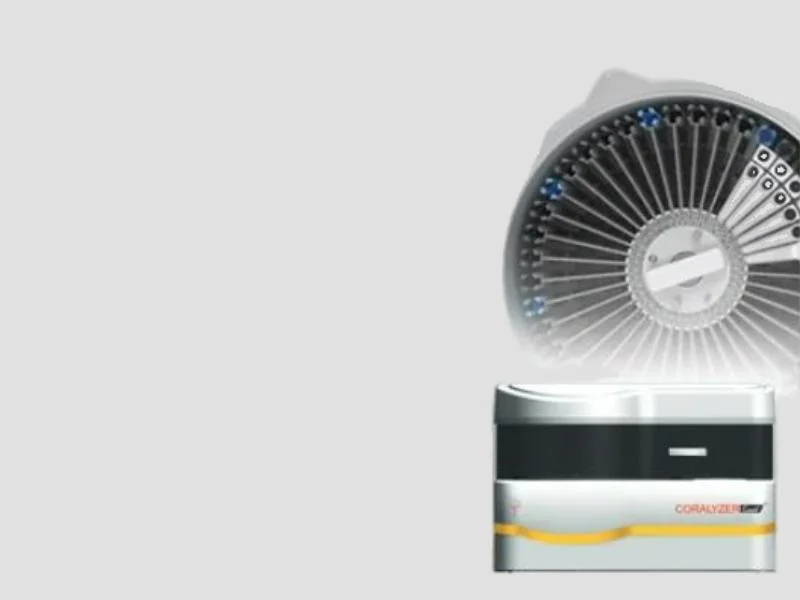
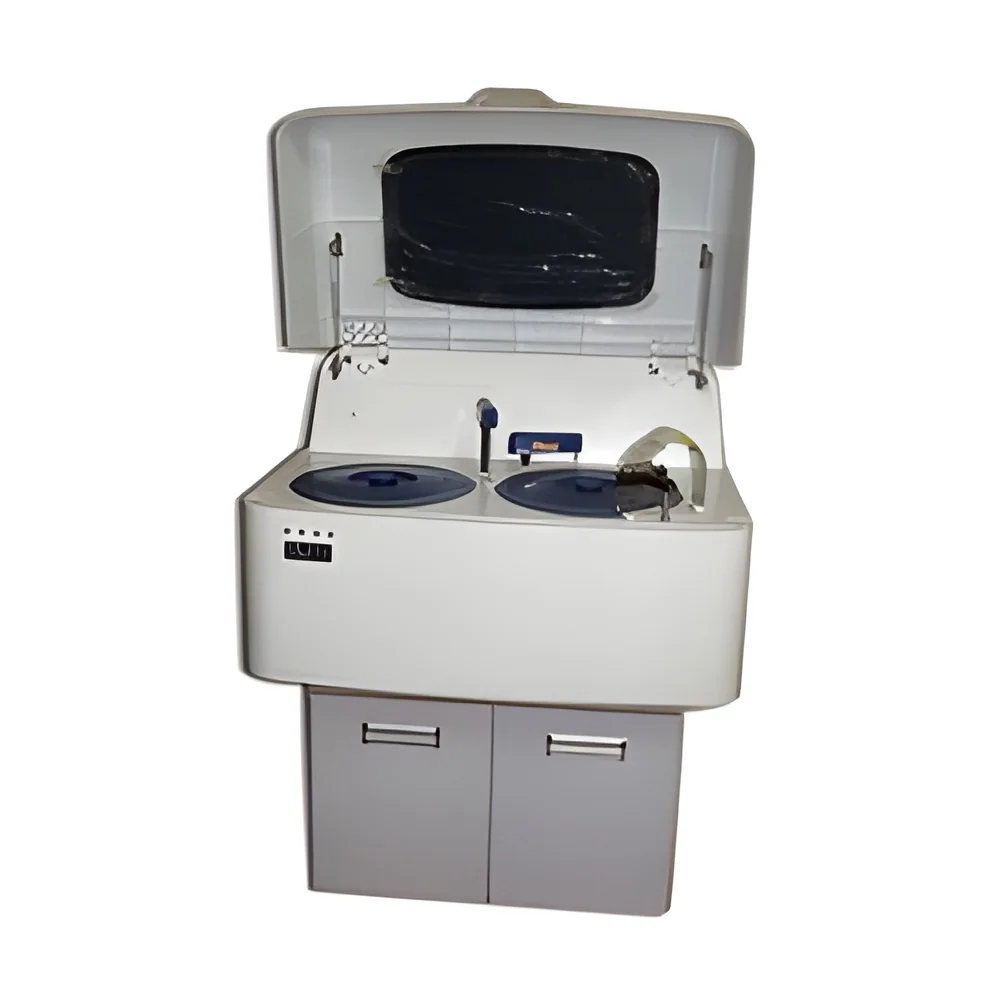
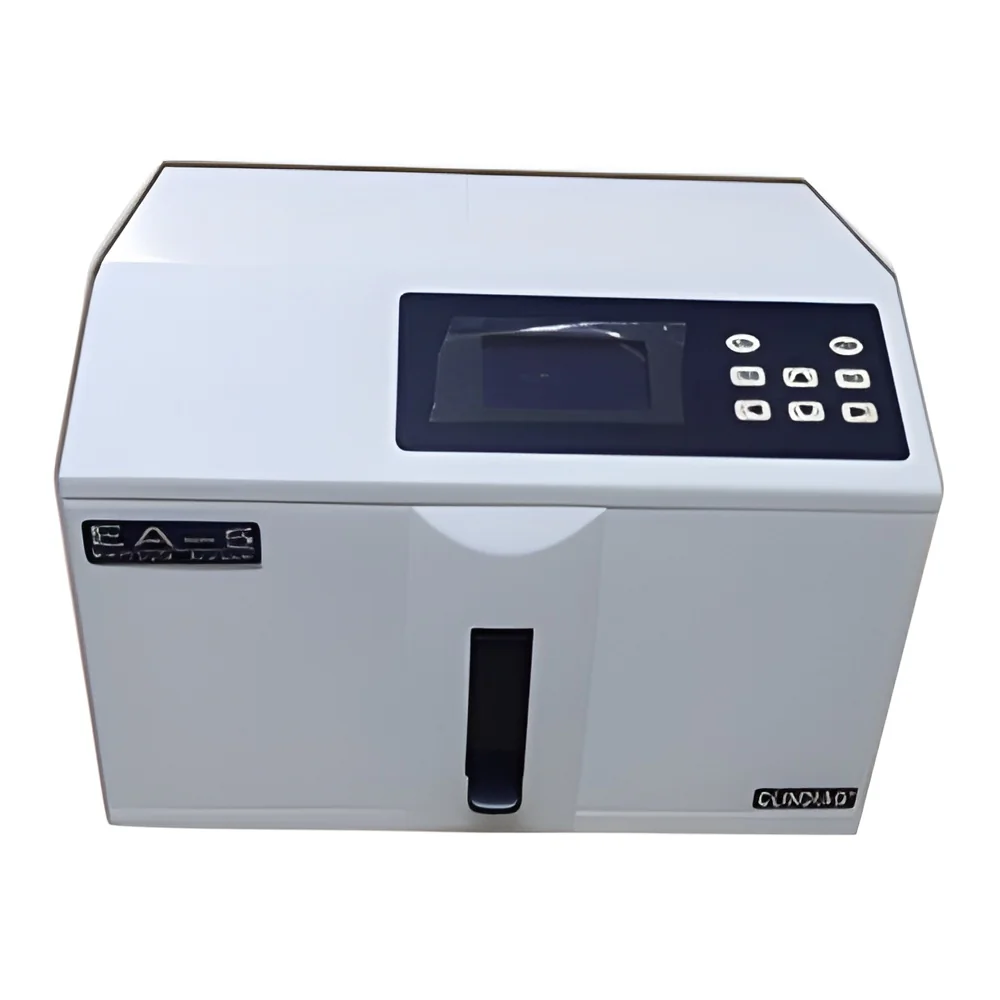
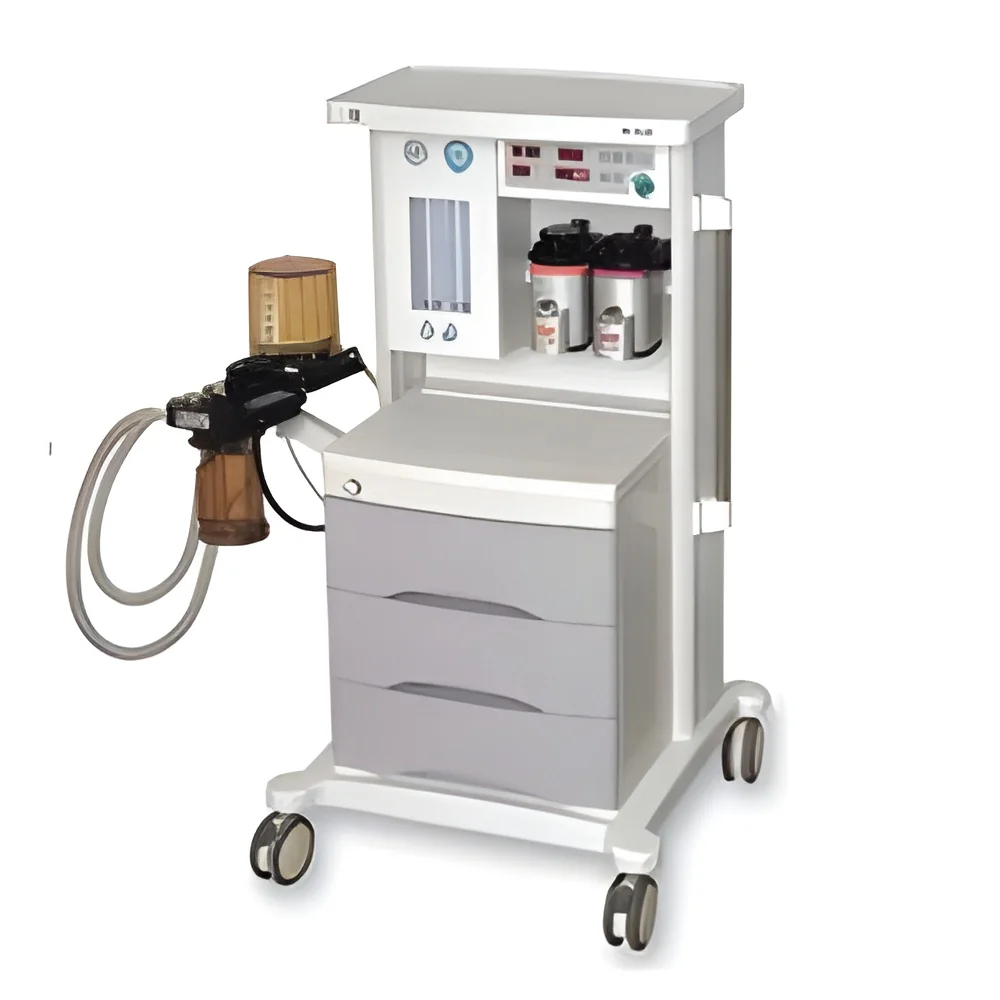
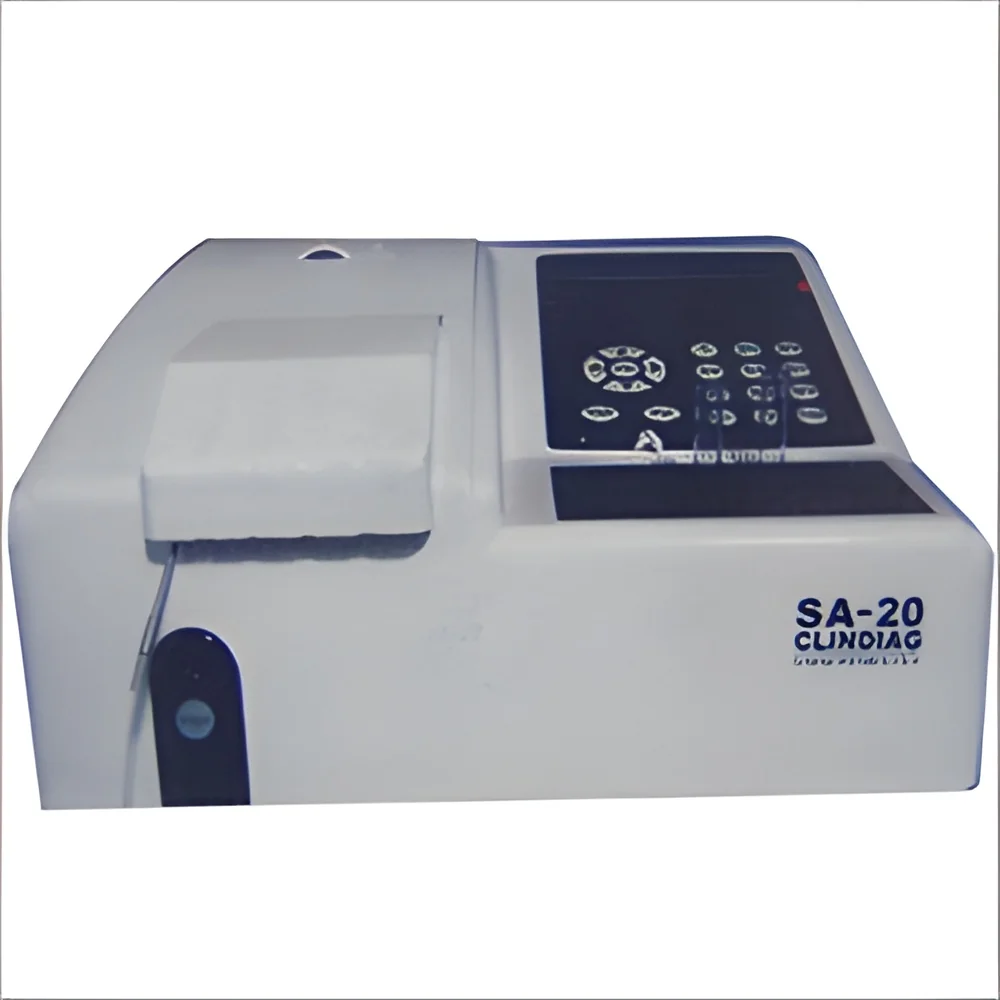
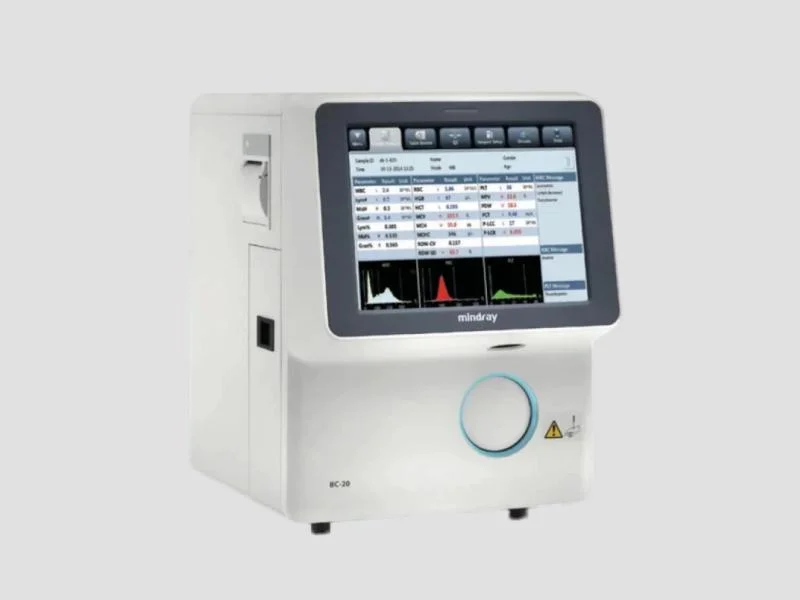
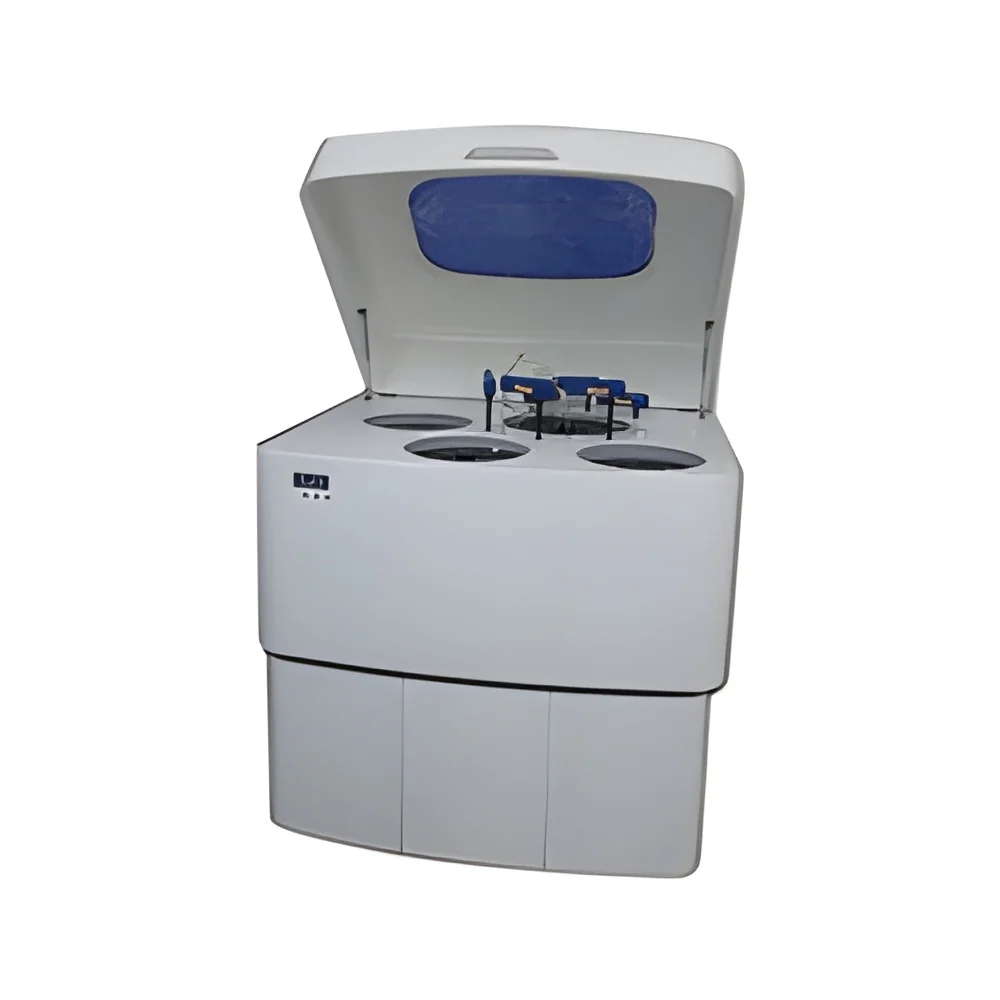
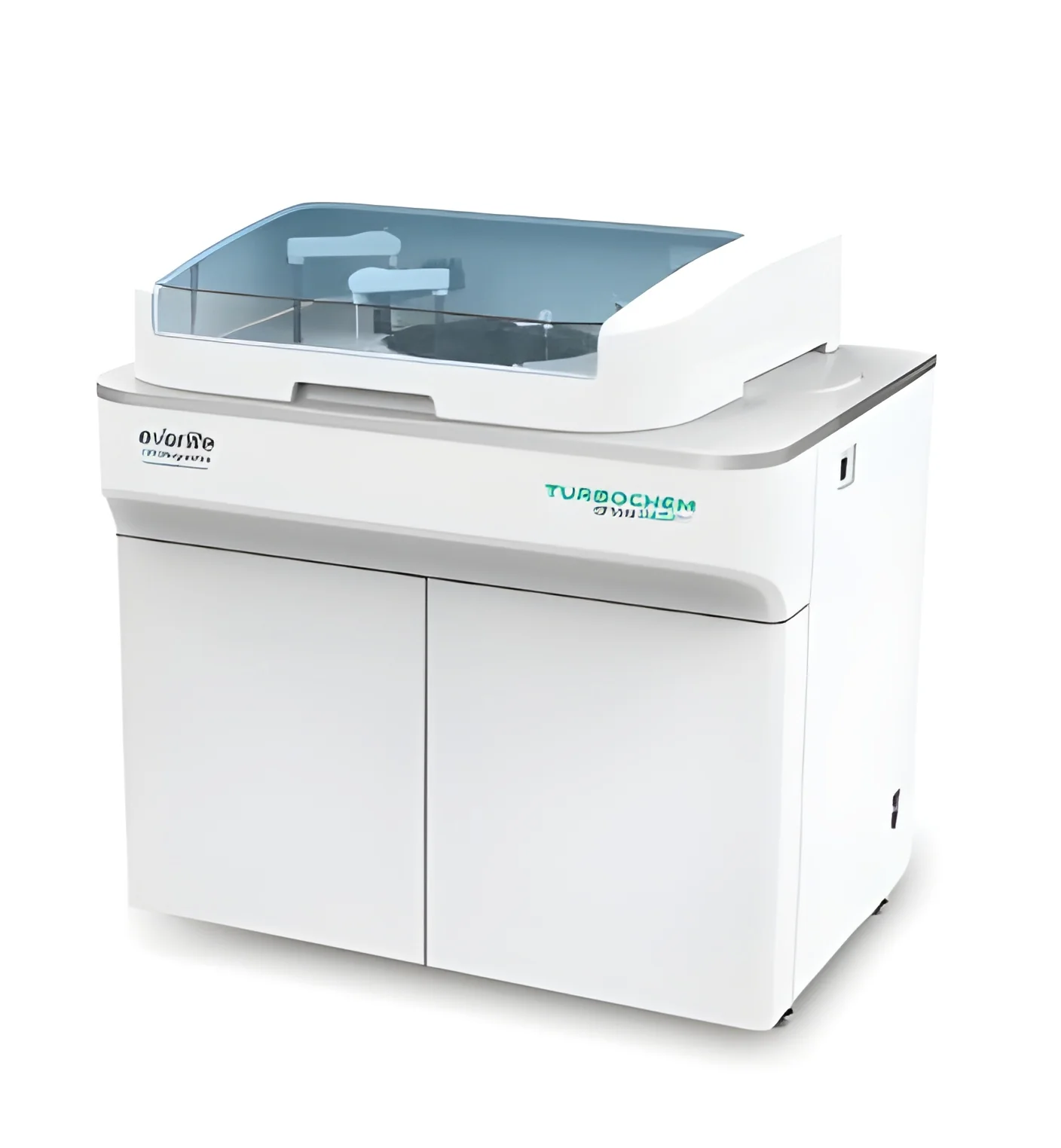
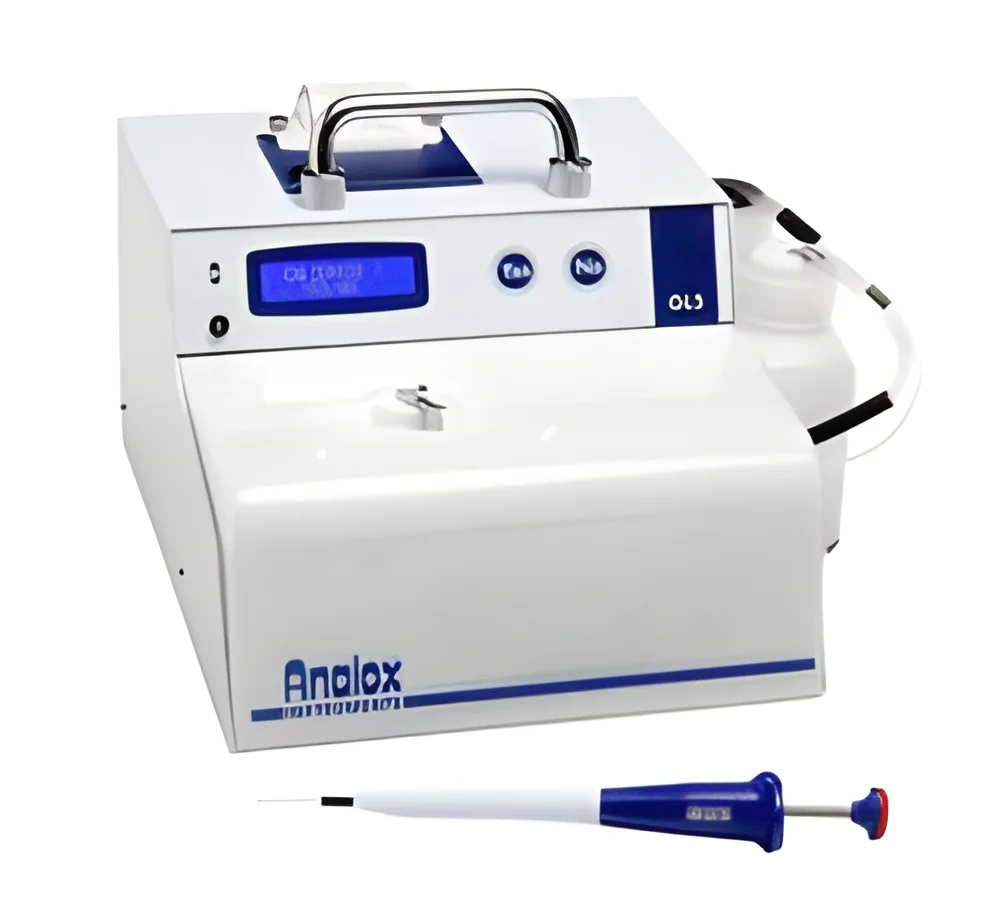
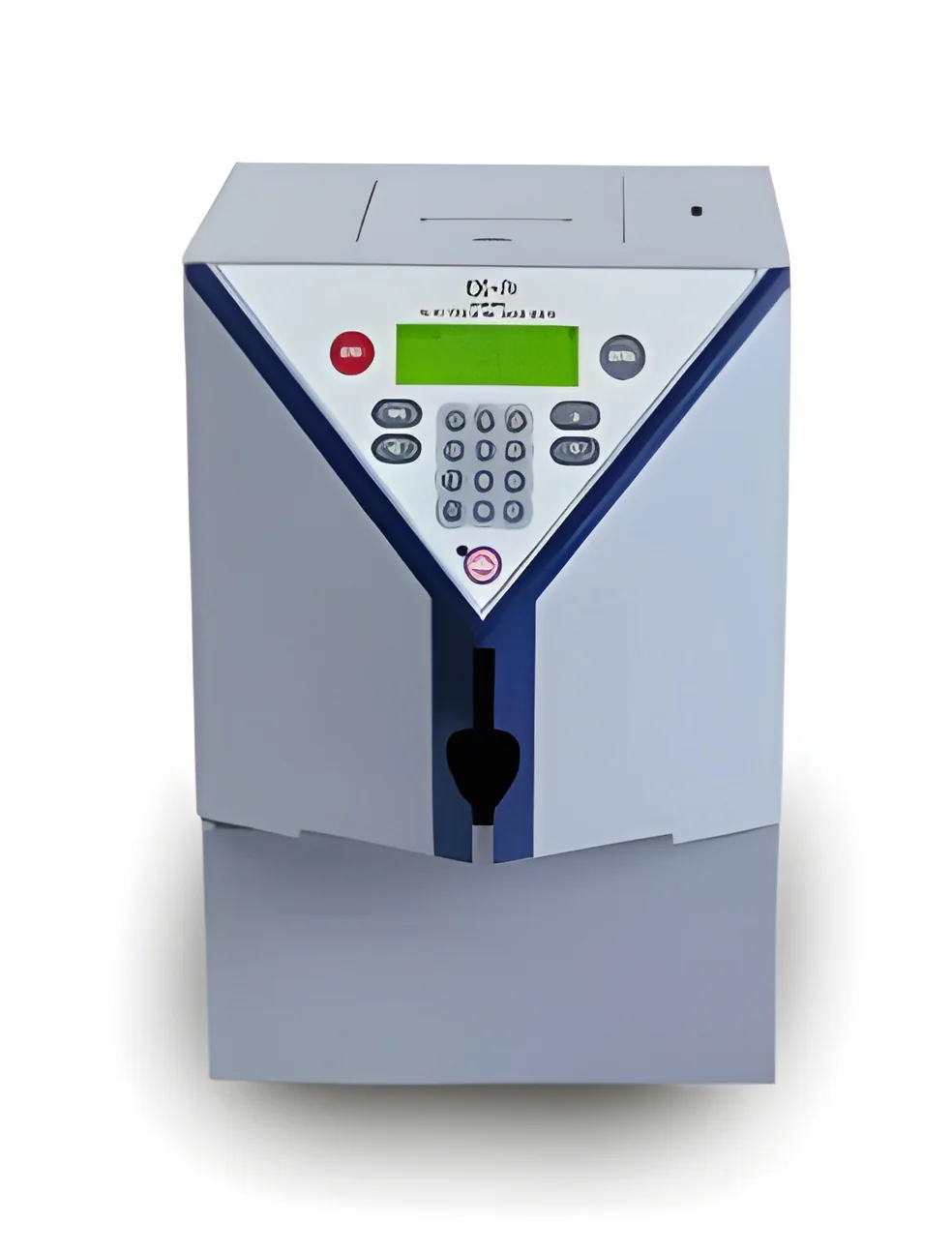
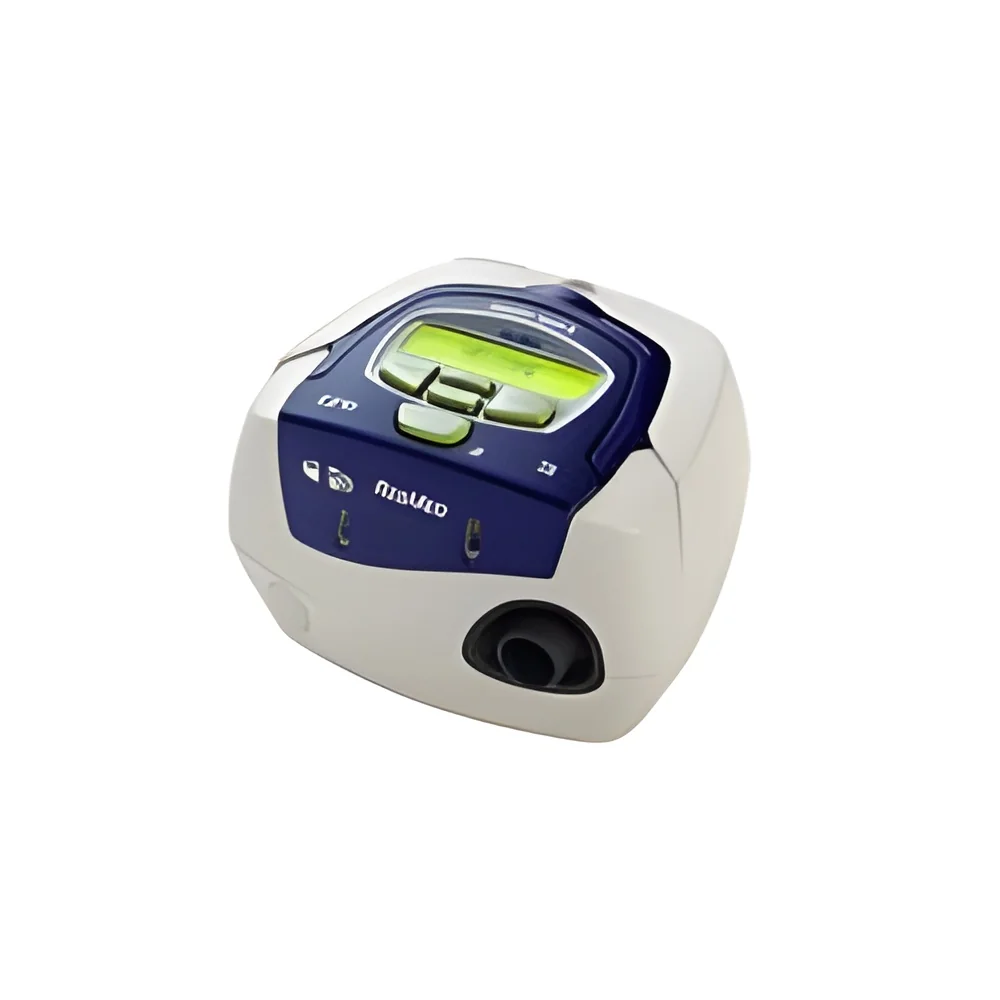
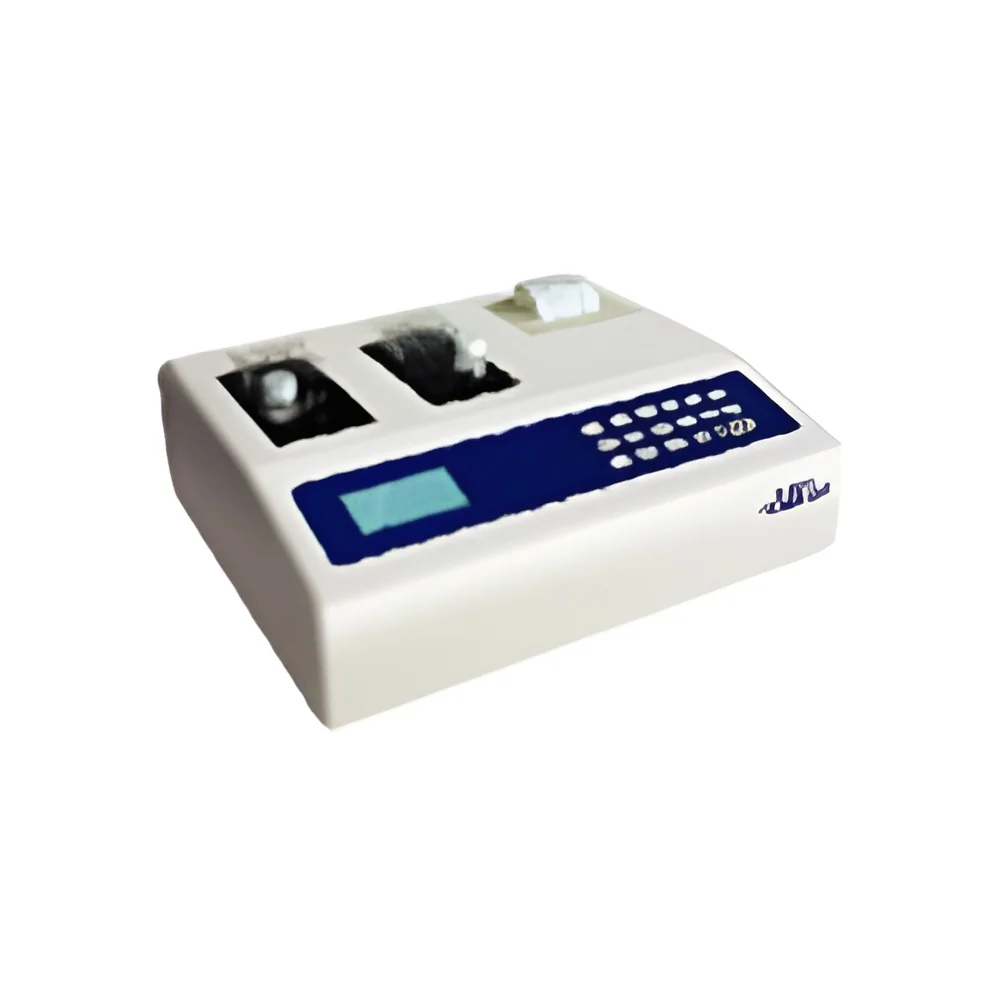
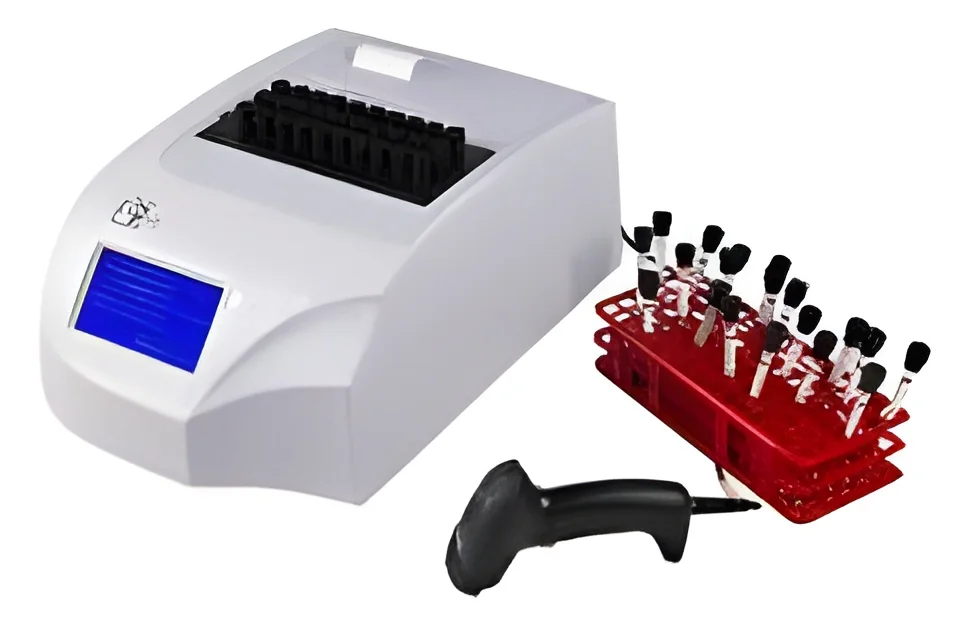
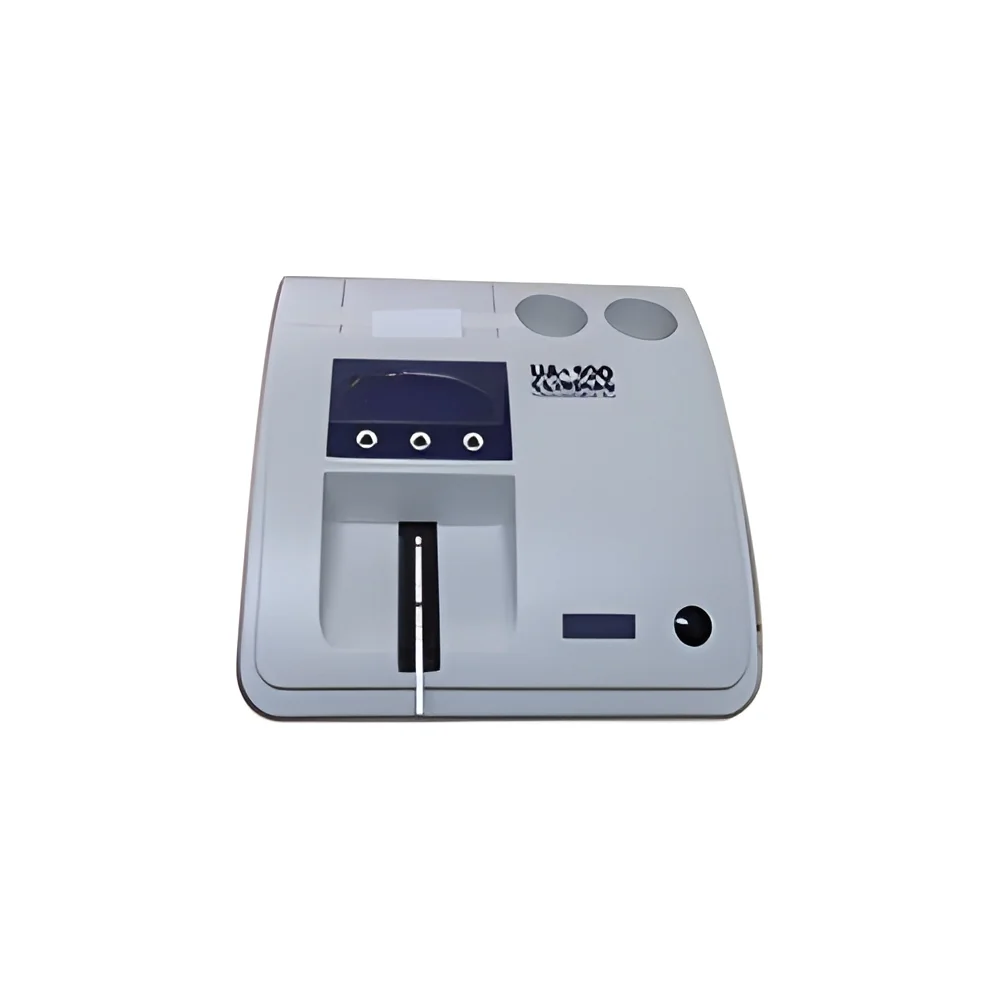
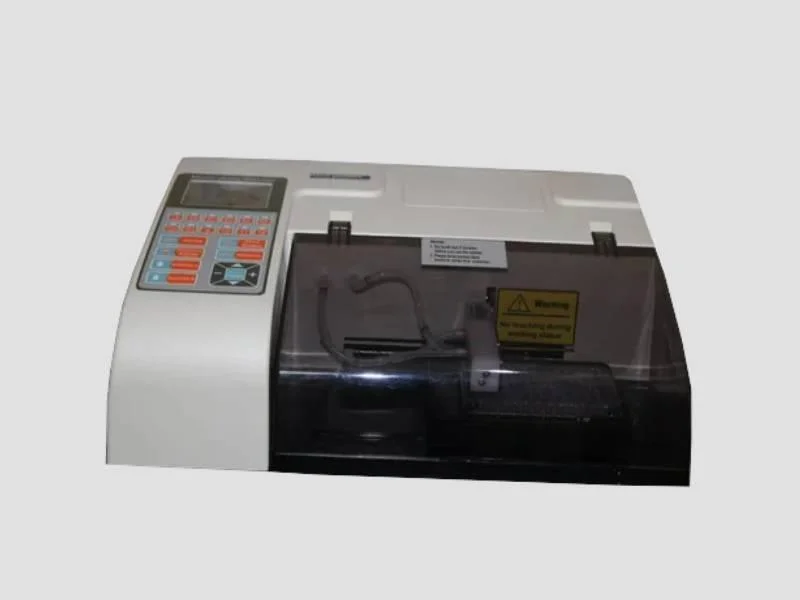
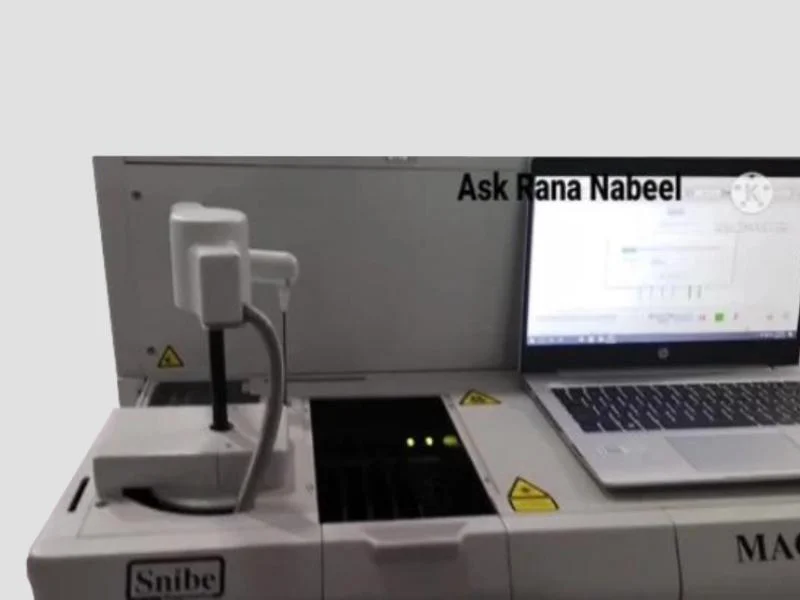
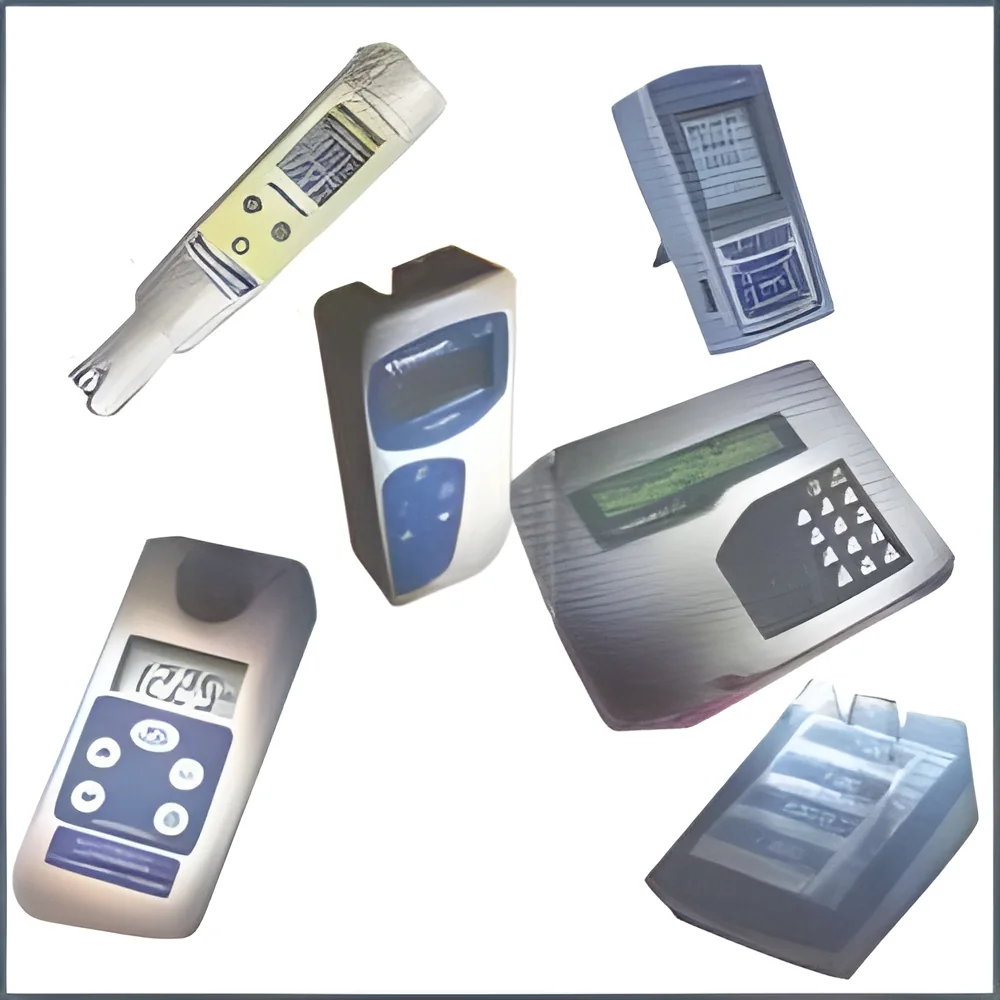
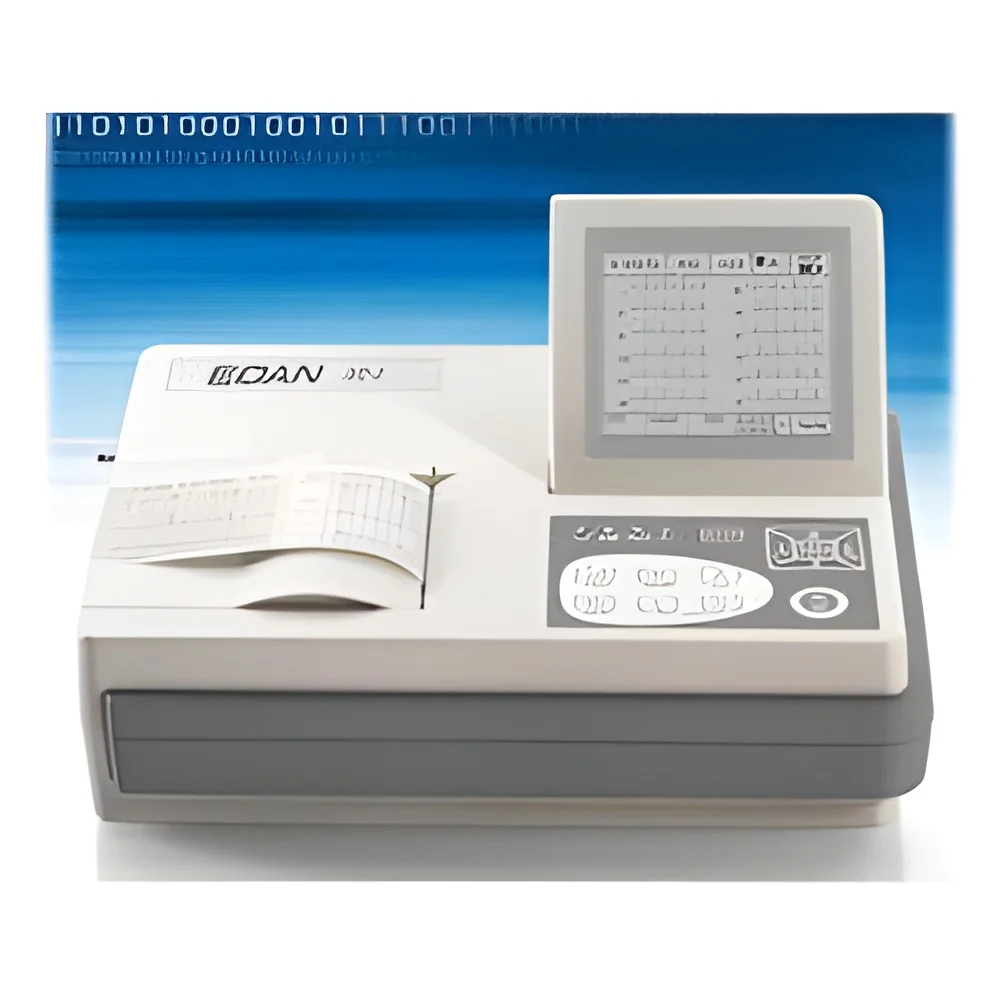
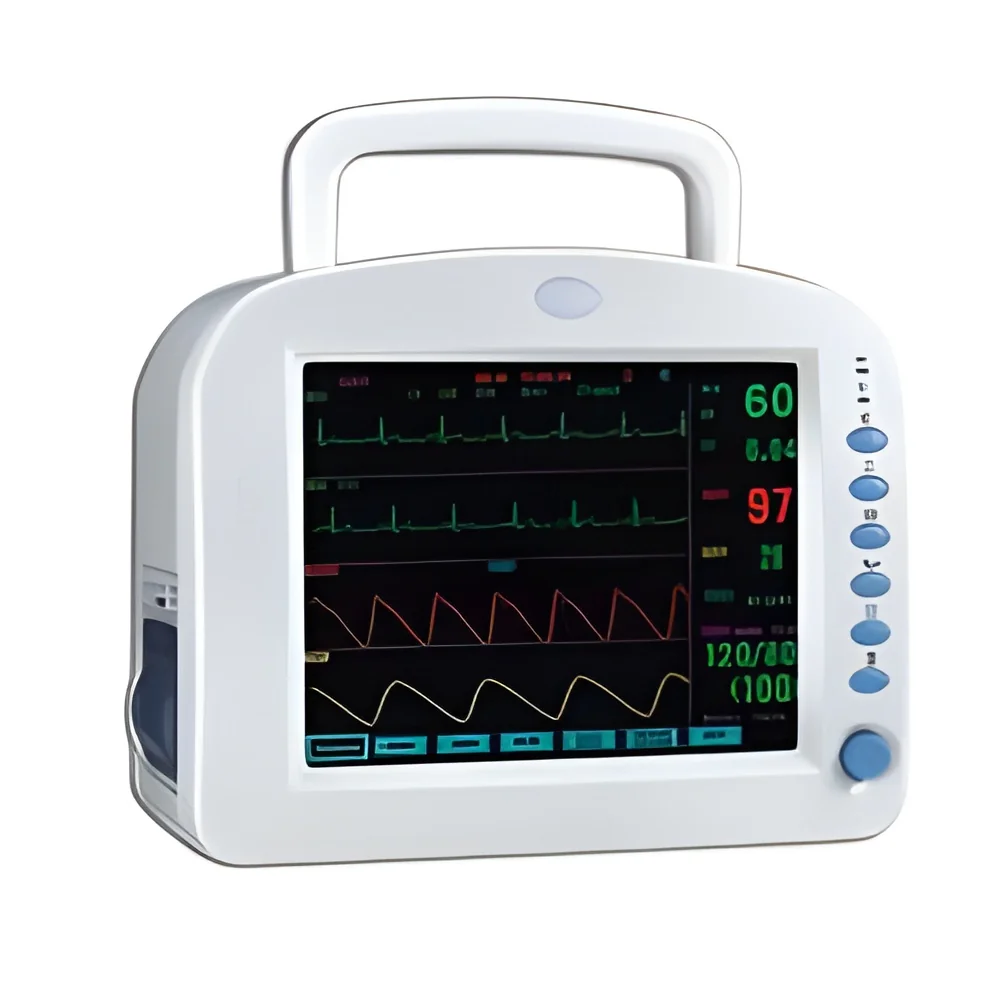
What are Biochemistry Analyzers?
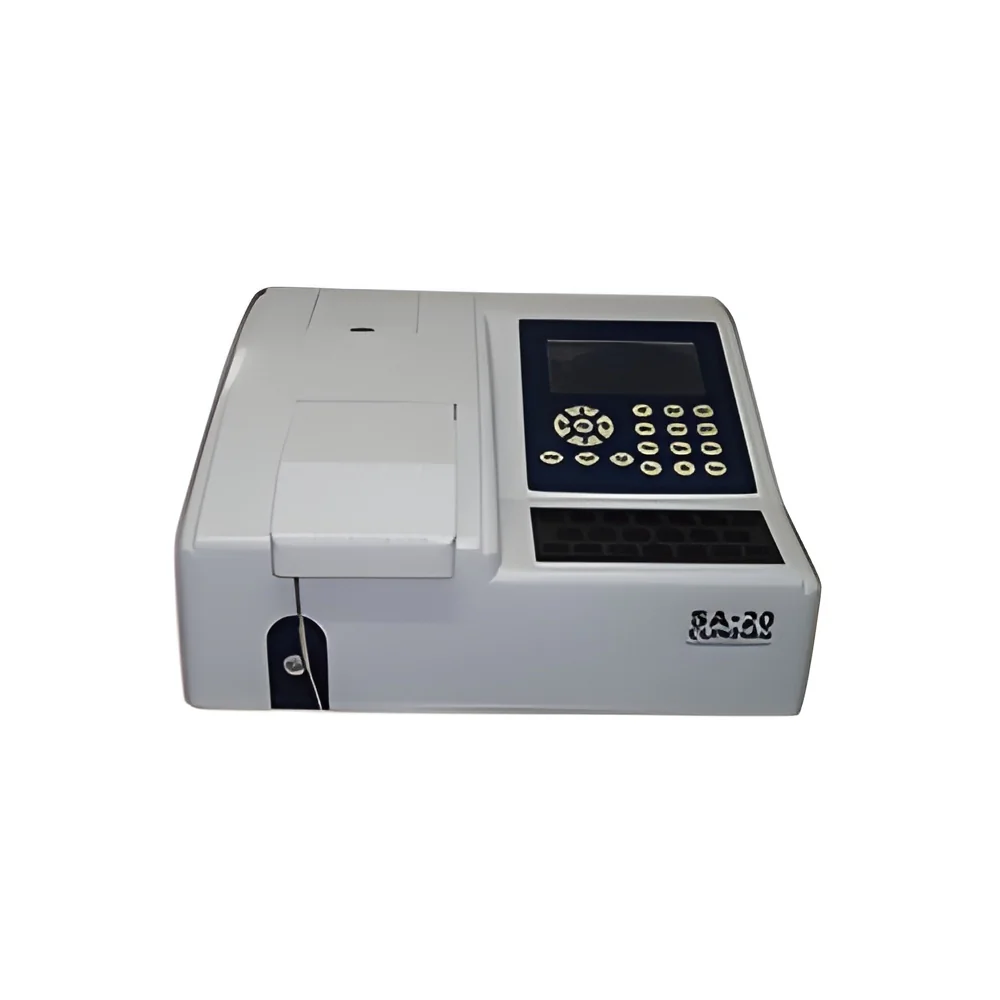
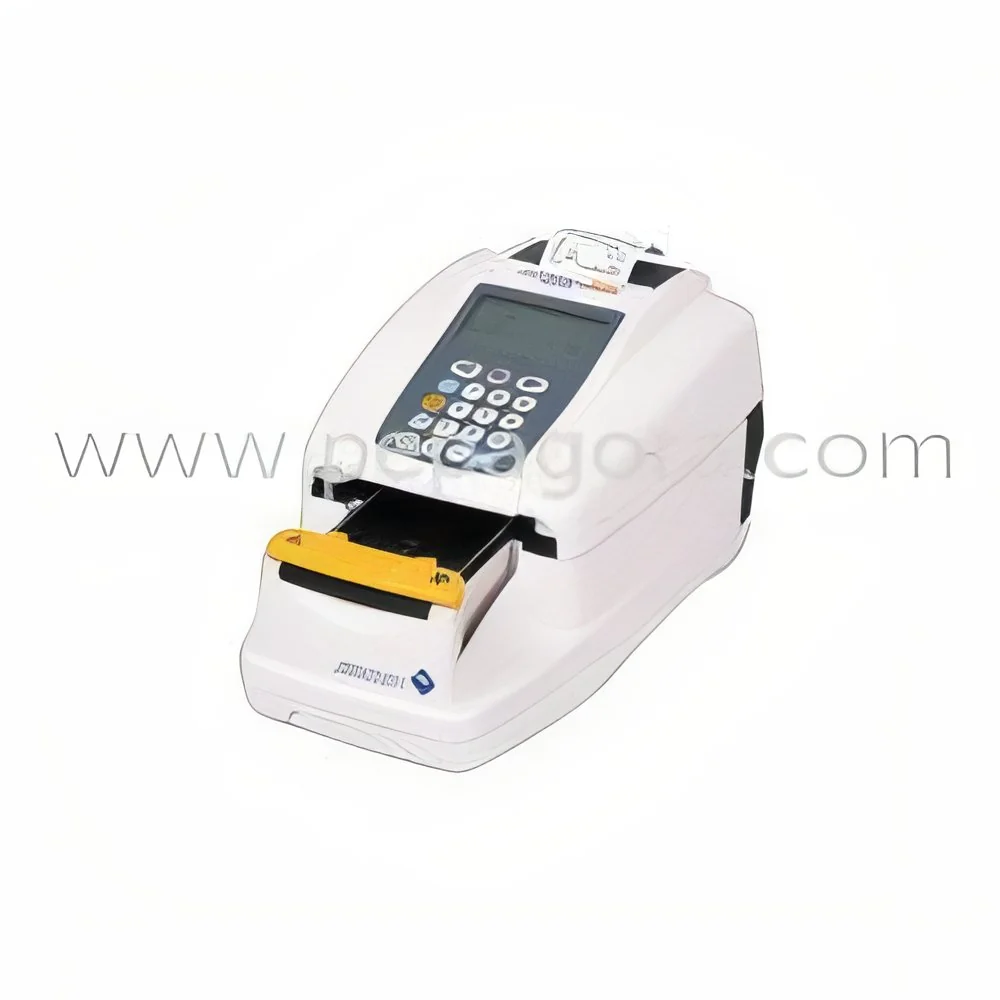
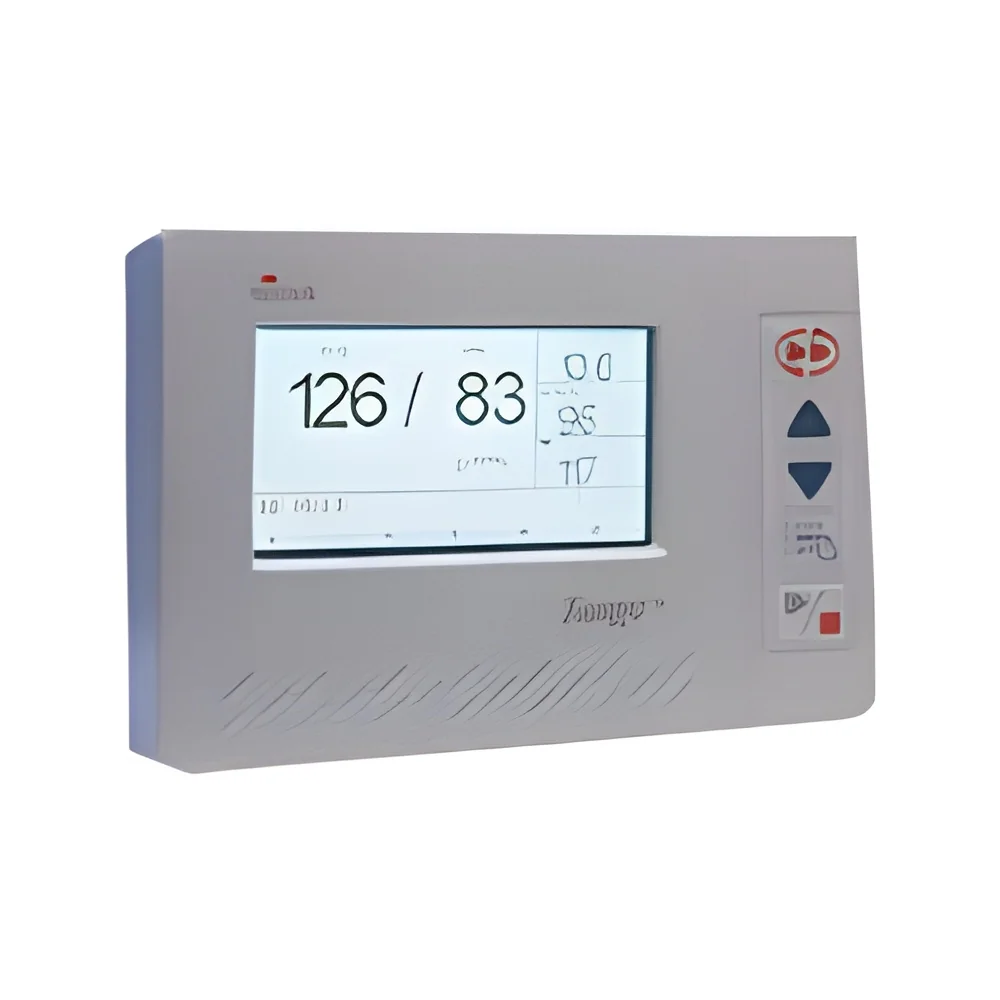
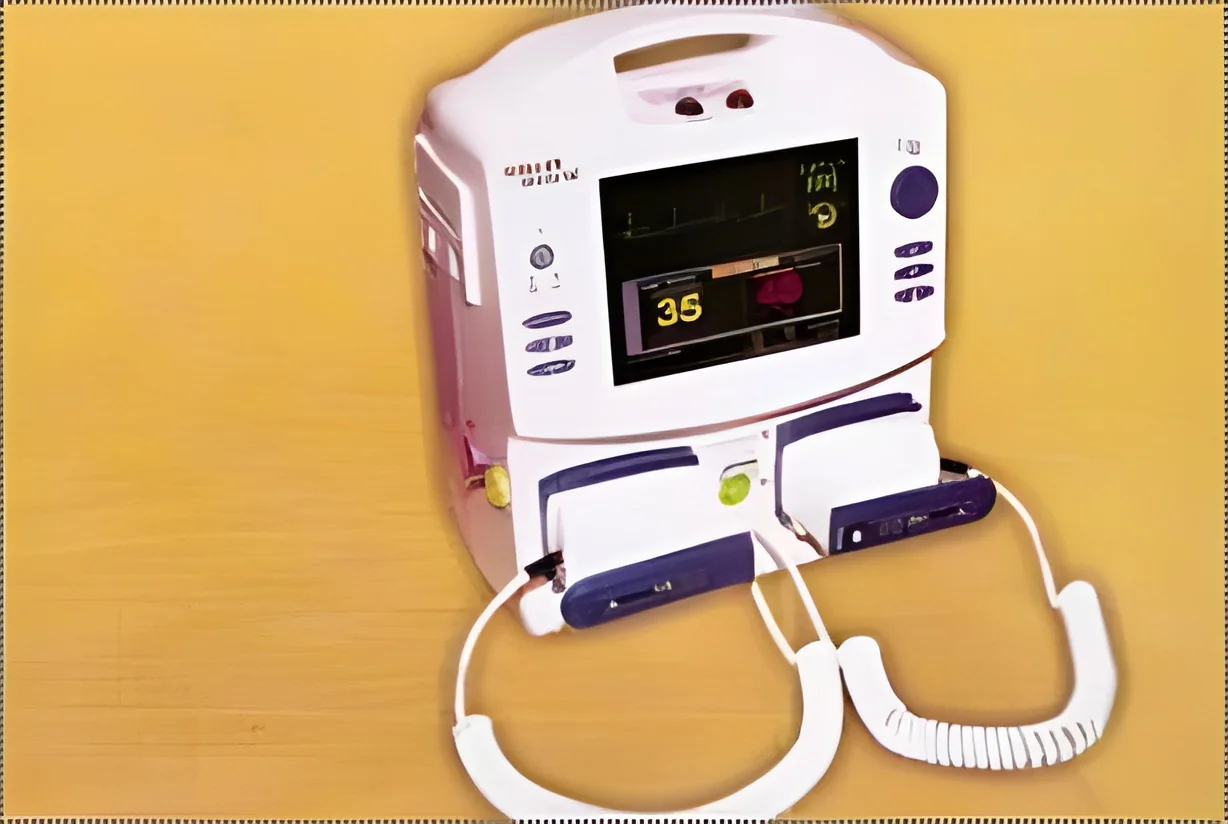
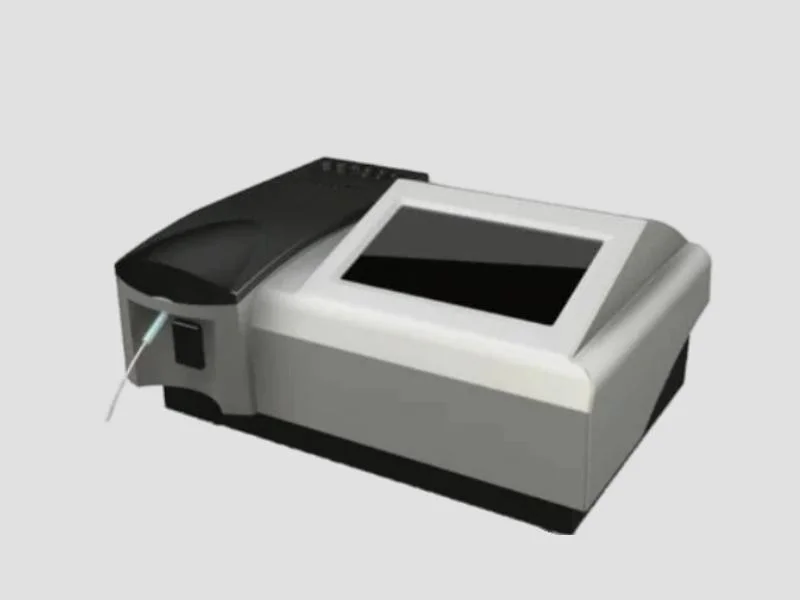
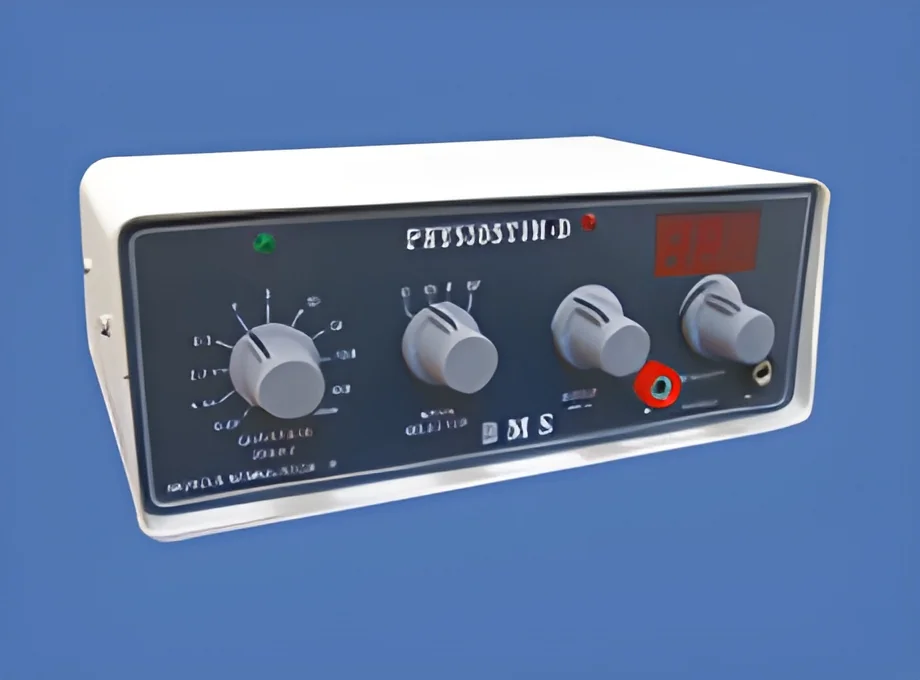
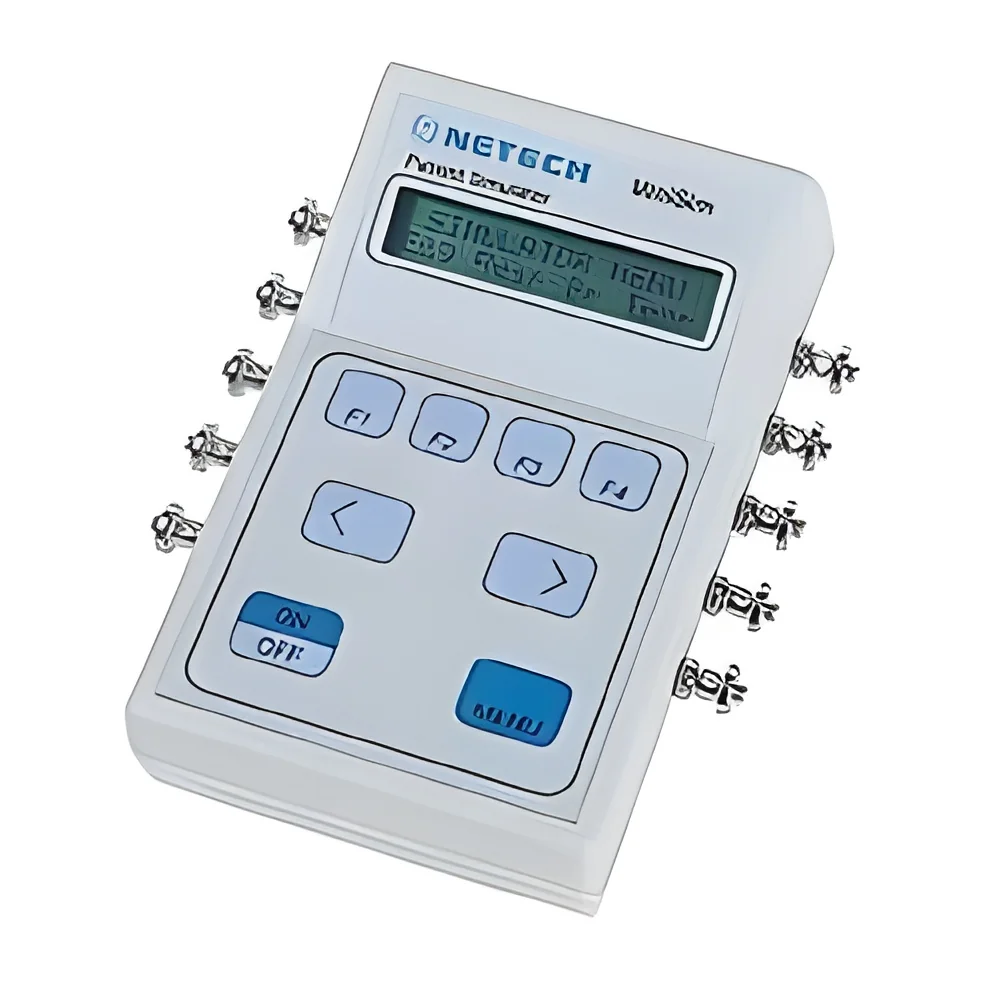
Biochemistry analyzers are sophisticated laboratory instruments designed to measure various biochemical substances in biological samples. These devices perform a range of tests, including enzyme activity, electrolytes, proteins, lipids, and glucose levels, among others. By utilizing advanced technology, such as photometry and electrochemistry, these analyzers can provide accurate and rapid results, which are essential for diagnostic purposes.
The primary uses of biochemistry analyzers span across medical laboratories, research institutions, and industrial applications. They are critical in clinical settings for routine diagnostics, monitoring of chronic diseases, and evaluating metabolic disorders. Additionally, they play a significant role in pharmaceutical research and development, where they help in drug formulation and toxicity assessments. Given the growing emphasis on personalized medicine, the demand for these analyzers continues to rise in the healthcare sector.
The relevance of biochemistry analyzers in the industry cannot be overstated. As healthcare systems become increasingly digitized and data-driven, the need for reliable and efficient testing equipment is essential. The global market for biochemistry analyzers is expanding, driven by technological advancements, increased prevalence of chronic diseases, and the rising demand for point-of-care testing solutions.
Key Features and Specifications
Biochemistry analyzers come with a variety of features that enhance their functionality and usability. These features ensure accurate testing and efficient workflow in laboratories. Below are key specifications to consider when evaluating biochemistry analyzers.
Key specifications include:
1. Measurement Techniques
- Use of photometric, electrochemical, and immunoassay methods
- Ensures diverse testing capabilities
2. Throughput Capacity
- Number of tests per hour, typically ranging from 60 to 400
- Suitable for high-volume laboratory environments
3. Sample Types
- Ability to analyze various biological samples such as serum, plasma, and urine
- Supports a wide range of clinical applications
4. User Interface
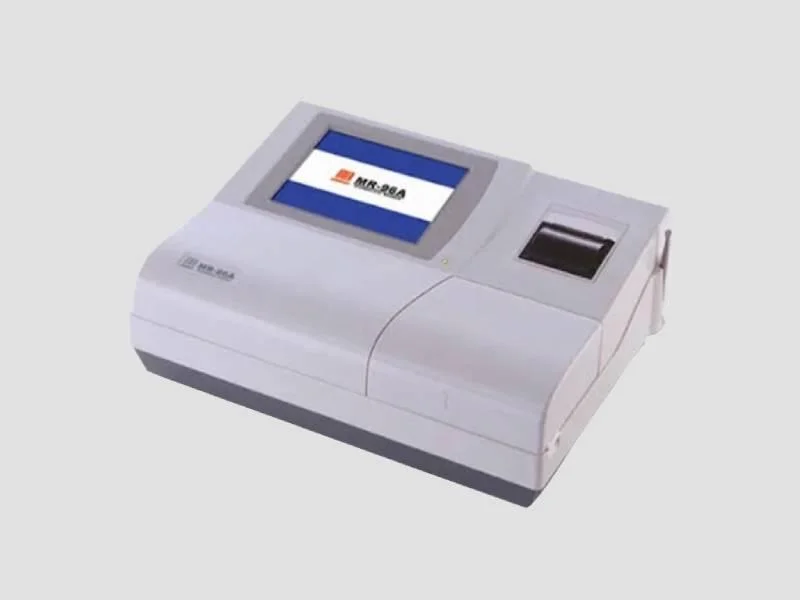
- Intuitive touchscreen or software-based interface
- Facilitates easy operation and data management
5. Connectivity Options
- Integration with laboratory information management systems (LIMS)
- Supports data transfer and remote monitoring
6. Calibration and Maintenance
- Automated calibration features
- Regular maintenance protocols for optimal performance
7. Safety Features
- Built-in safety mechanisms to prevent contamination and ensure user safety
- Compliance with industry safety standards
8. Dimensions and Weight
- Compact designs suitable for various laboratory spaces
- Weight considerations for mobility and placement
In summary, understanding the key features and specifications of biochemistry analyzers is crucial for selecting the right model that meets laboratory requirements and testing demands.
Common Applications and Use Cases
Biochemistry analyzers serve various industries, providing essential testing capabilities for diverse applications.
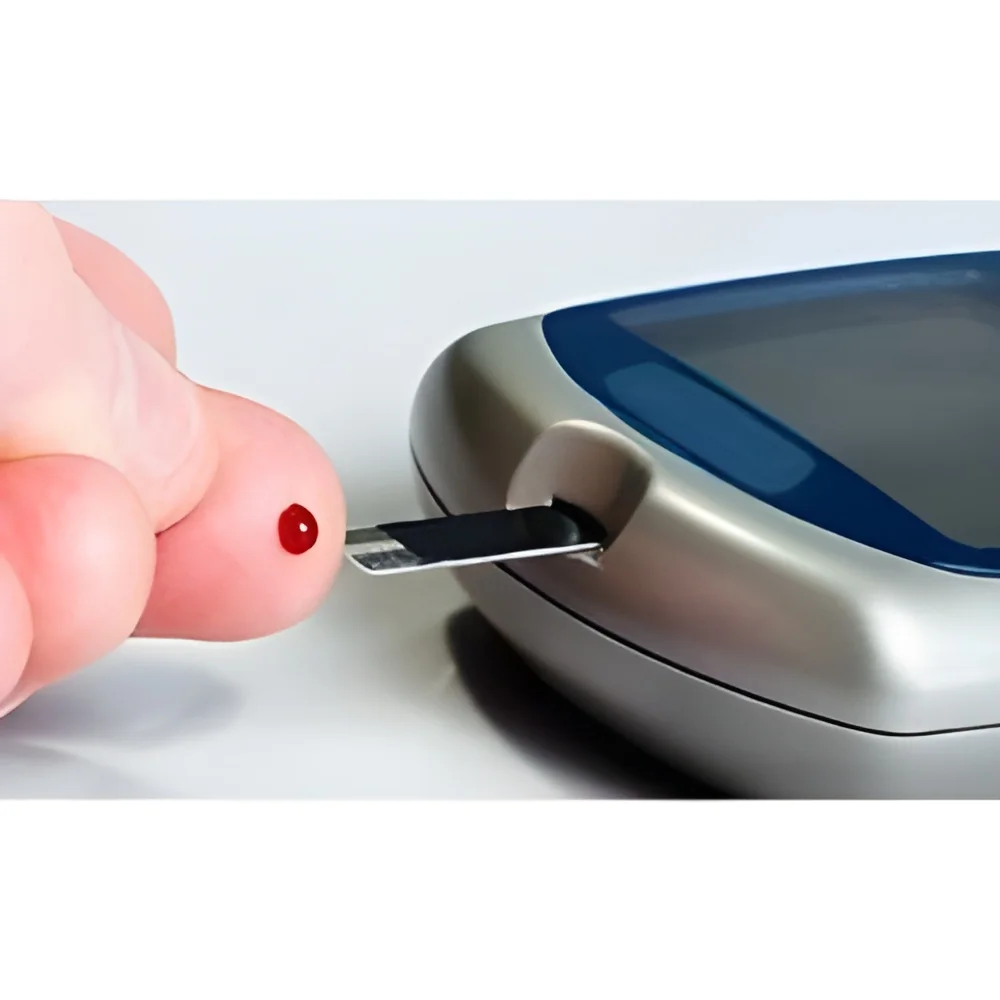
1. Healthcare: In clinical laboratories, these analyzers are used for routine tests such as liver and kidney function tests, diabetes monitoring, and electrolyte analysis, facilitating timely patient diagnosis and treatment.
2. Pharmaceutical: In drug development, researchers utilize biochemistry analyzers for quality control, drug formulation studies, and pharmacokinetic assessments, ensuring the efficacy and safety of new medications.
3. Environmental: These analyzers are employed in environmental testing to measure biochemical indicators in water and soil samples, helping to monitor pollution levels and assess ecosystem health.
4. Food and Beverage: In food safety laboratories, biochemistry analyzers assess the nutritional content and detect harmful substances, ensuring compliance with safety standards and regulations.
5. Academic Research: Universities and research institutions use biochemistry analyzers for various studies, including metabolic research and biomarker discovery, advancing scientific knowledge.
6. Veterinary Medicine: Biochemistry analyzers are also utilized in veterinary clinics for animal health diagnostics, supporting timely treatment decisions for pets and livestock.
7. Biotechnology: In biotechnology companies, these analyzers assist in the development of biopharmaceuticals and diagnostic kits, playing a critical role in innovation.
Product Variants and Subcategories
Biochemistry analyzers come in a variety of models to cater to different laboratory needs. While specific subcategories are not available, several variant types exist based on functionalities and features.
High-Throughput Analyzers
These analyzers are designed to handle large volumes of tests, making them ideal for busy clinical laboratories. They feature advanced automation and streamlined workflows, enabling rapid processing of samples and minimizing turnaround times.
Compact Analyzers
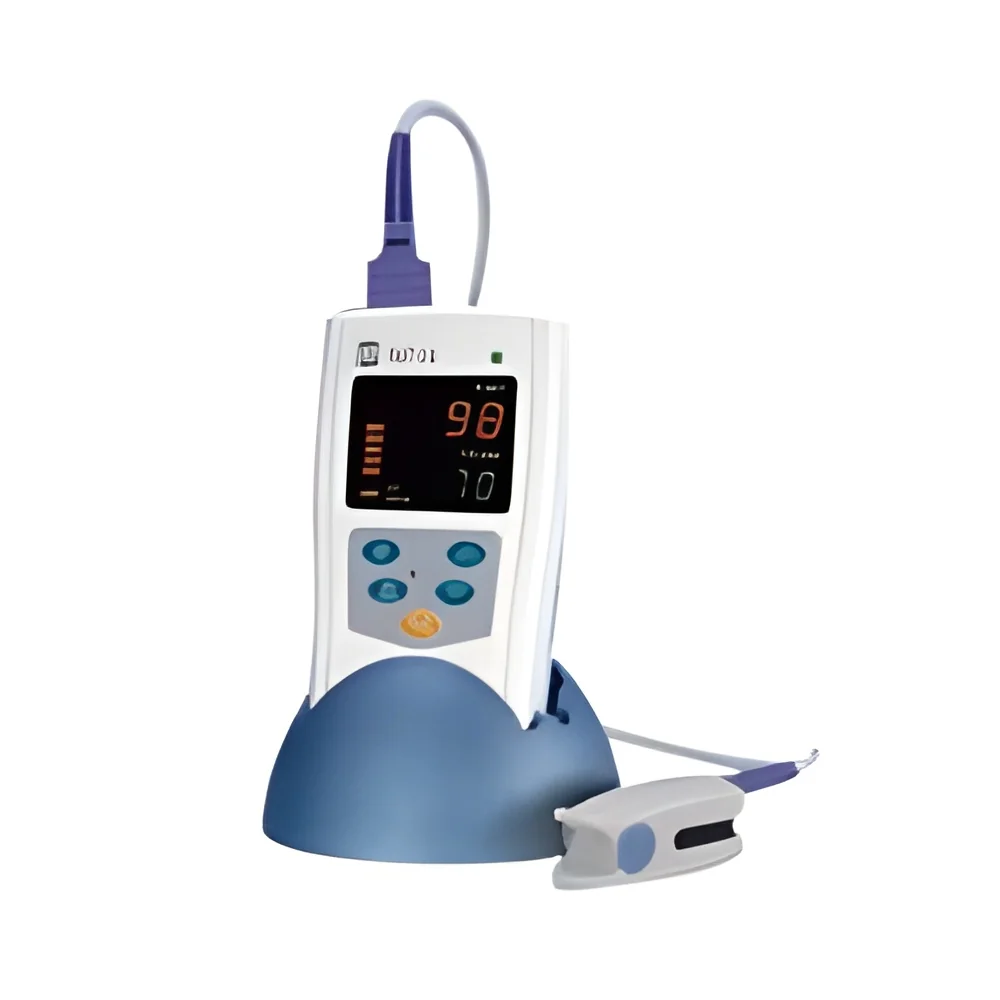
Suitable for smaller laboratories or point-of-care testing environments, compact analyzers are designed for ease of use and mobility. They offer essential testing capabilities without the need for extensive space or resources, making them cost-effective solutions.
Portable Analyzers
These analyzers are built for on-site testing and can be used in various environments, including remote locations or emergency settings. Their portability and user-friendly design allow for quick assessments and immediate decision-making.
Benefits and Advantages
Biochemistry analyzers offer numerous benefits that enhance laboratory efficiency and diagnostic accuracy.
1. Improved Accuracy: Advanced measurement techniques ensure reliable results, reducing the risk of misdiagnosis and enhancing patient care.
2. Increased Efficiency: High throughput capabilities allow laboratories to process multiple samples simultaneously, significantly speeding up testing times.
3. Cost-Effective: By automating processes and minimizing manual intervention, these analyzers help reduce operational costs and resource usage.
4. Versatility: Their ability to analyze a wide range of biochemical parameters makes them applicable in various fields, from healthcare to environmental monitoring.
5. Enhanced Data Management: Modern analyzers come with data integration capabilities, enabling seamless transfer of results to laboratory management systems for better tracking and reporting.
6. User-Friendly Design: Intuitive interfaces simplify operation, making it easier for laboratory personnel to conduct tests and interpret results.
Buying Guide for B2B Buyers
When sourcing biochemistry analyzers, several factors should be considered to ensure you select the right equipment for your laboratory needs.
1. Quality Assessment: Look for analyzers that meet industry standards and have a proven track record of reliability. Consider reviews and testimonials from other users to gauge performance.
2. Supplier Verification: Vet suppliers by checking their credentials, customer service reputation, and after-sales support. Ensure they have a reliable supply chain to meet your needs.
3. Pricing and MOQ: Evaluate the pricing structure and be aware of minimum order quantities. Compare costs across different suppliers to ensure you receive a fair deal.
4. Delivery and Lead Times: Discuss delivery options and lead times with suppliers to ensure timely receipt of equipment, avoiding disruptions in laboratory operations.
5. Compliance Requirements: Ensure that the analyzers comply with relevant regulations and safety standards specific to your industry. This includes certifications such as CE and adherence to quality management systems.
Compliance and Certifications
Biochemistry analyzers must comply with various quality standards and certifications to ensure they meet industry expectations.
Relevant quality standards include ISO 9001, which focuses on quality management systems, ensuring consistent product quality and customer satisfaction. Additionally, adherence to HACCP and GDP principles is crucial for laboratories handling sensitive biological samples.
Industry certifications, such as CE, indicate that the equipment meets European health, safety, and environmental protection standards, making them suitable for use within the EU market.
Safety and testing requirements are essential for biochemistry analyzers to prevent contamination and ensure user safety. Regular testing against established protocols is necessary to maintain compliance.
Regional compliance considerations also play a role in sourcing biochemistry analyzers, as different regions may have specific regulatory requirements. Understanding these can aid in selecting the right equipment that meets local standards.
Why Source Biochemistry Analyzers from Pepagora?
Pepagora provides a trusted platform for sourcing biochemistry analyzers, offering several key advantages to B2B buyers.
The verified supplier network ensures that buyers have access to quality products from reputable manufacturers. Each supplier is rigorously vetted, providing peace of mind when making purchasing decisions.
A streamlined RFQ (Request for Quotation) process simplifies obtaining pricing and product information. Buyers can easily compare options and make informed choices without unnecessary delays.
Trade assurance and support provided by Pepagora protect buyers throughout the purchasing process. This includes assistance with disputes and ensuring that products meet the agreed-upon specifications.
With regional coverage extending to India, the GCC, and Southeast Asia, Pepagora connects buyers with suppliers across various markets. This geographic reach enables access to a diverse range of biochemistry analyzers suitable for different applications and laboratory settings.

 IN
IN