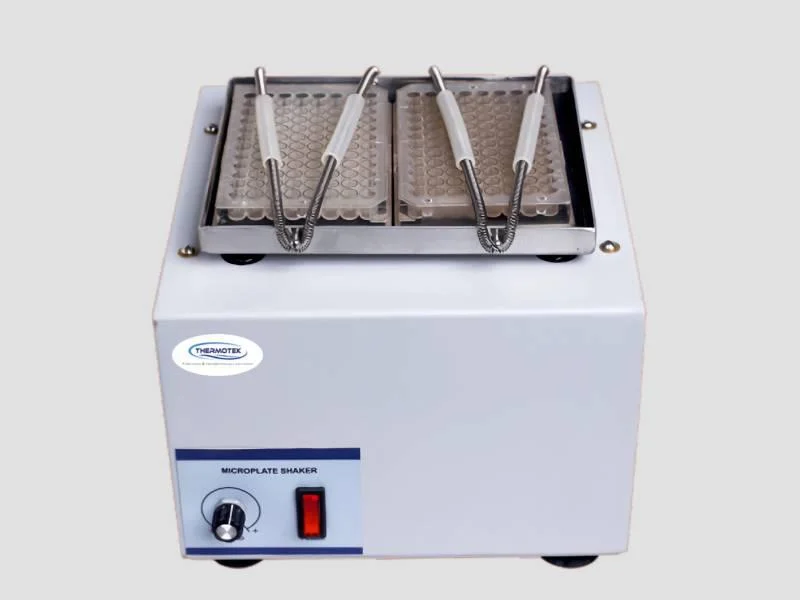
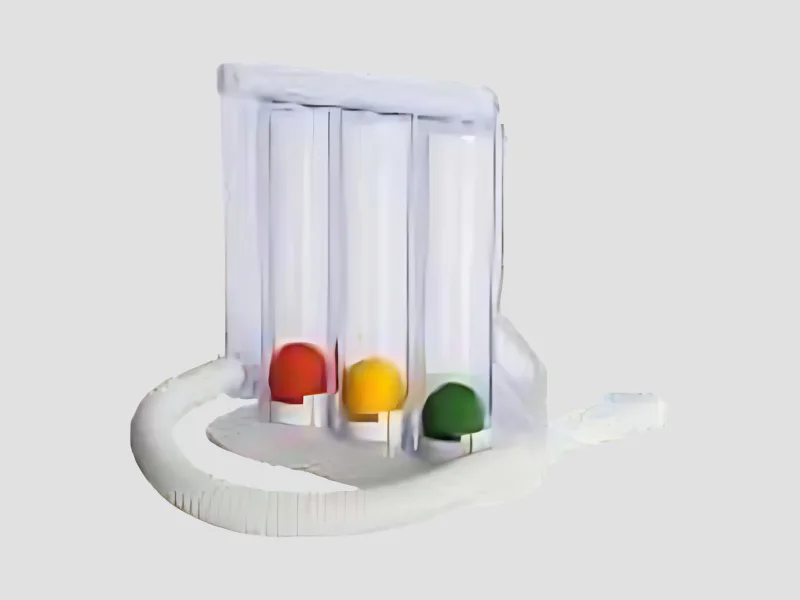
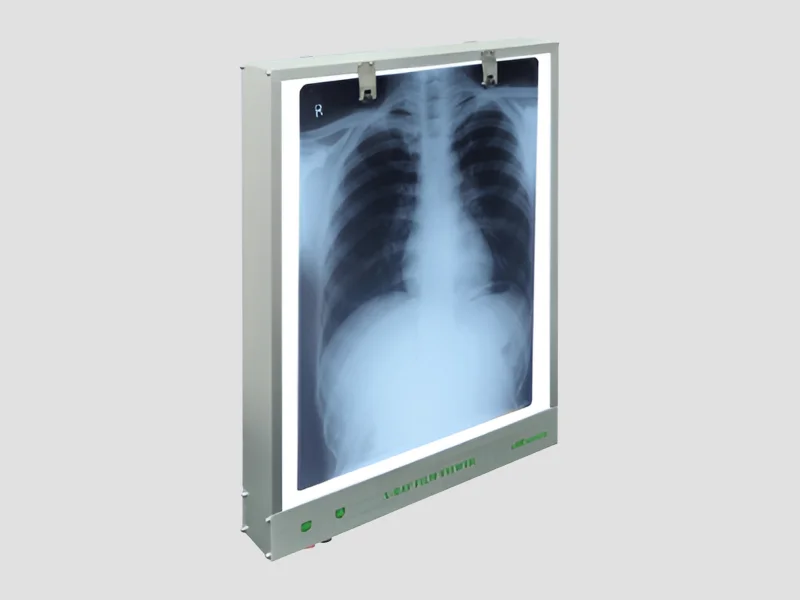
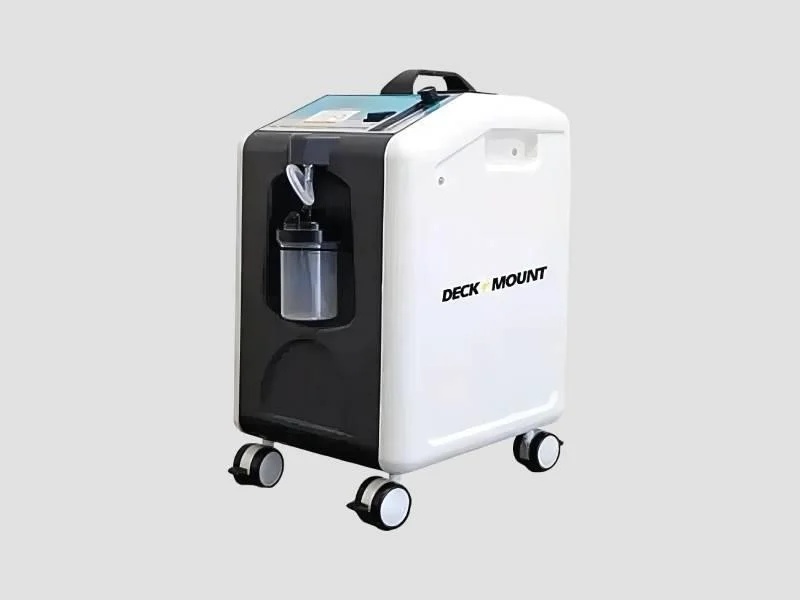
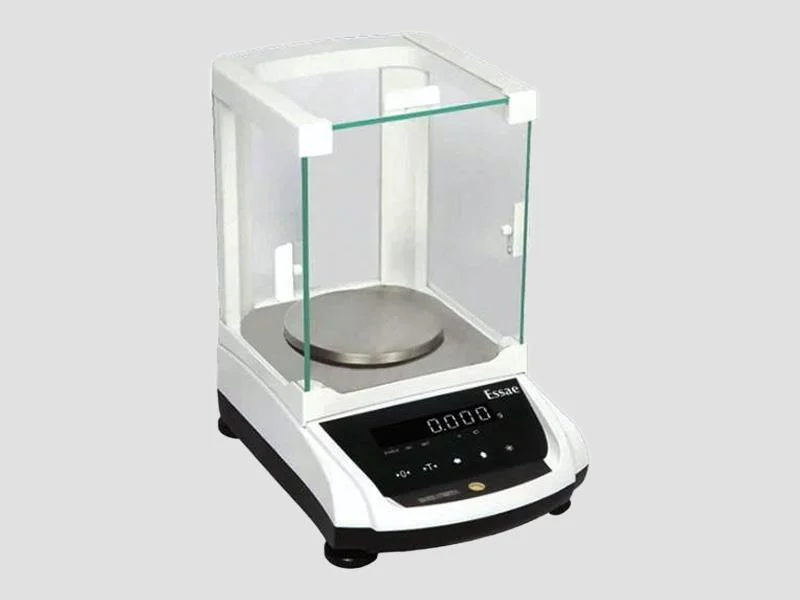
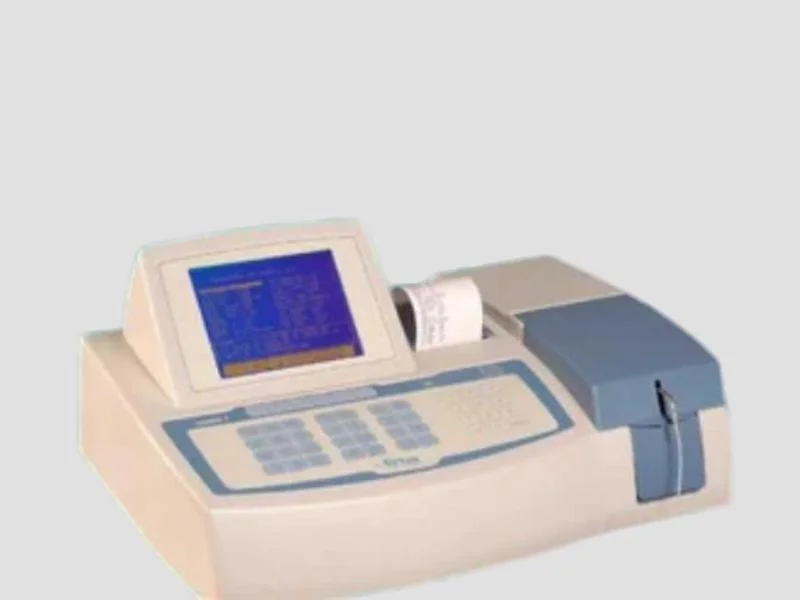
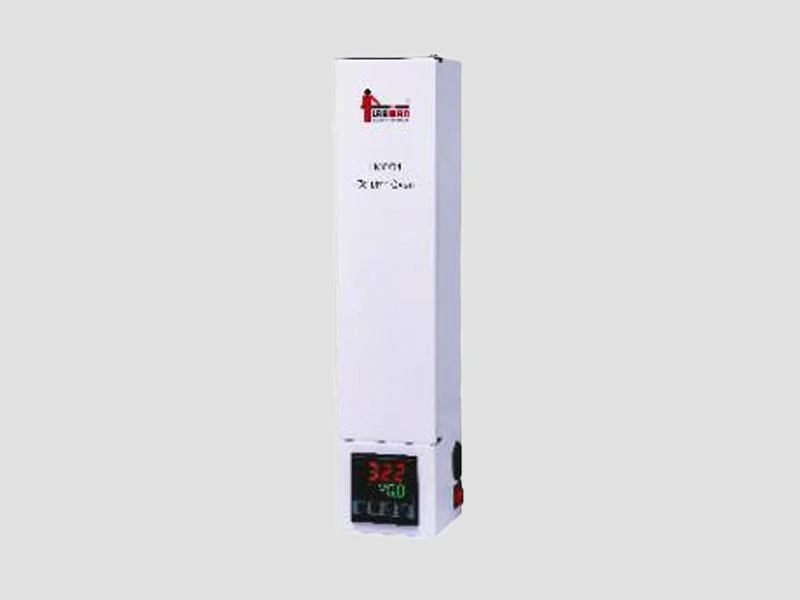
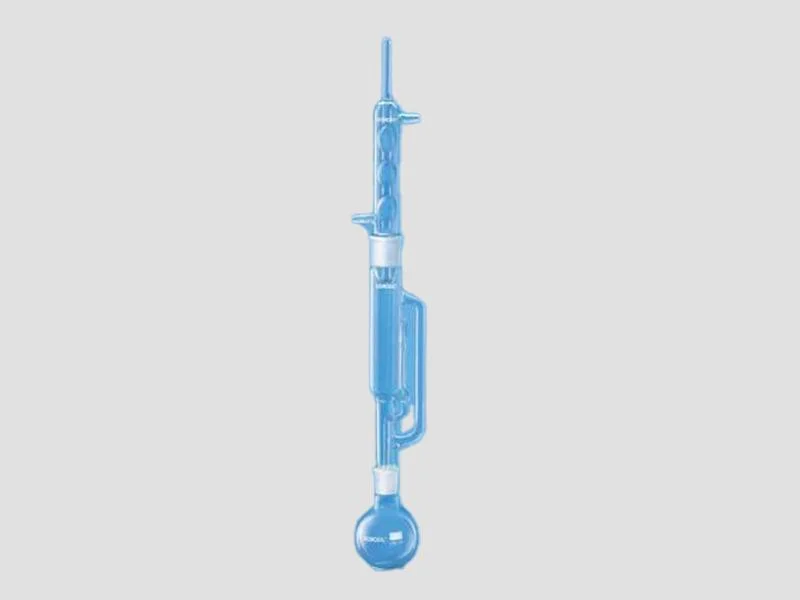
𝗪𝗵𝗮𝘁 𝗮𝗿𝗲 𝗗𝗶𝗮𝗴𝗻𝗼𝘀𝘁𝗶𝗰 𝗧𝗼𝗼𝗹𝘀 & 𝗜𝗻𝘀𝘁𝗿𝘂𝗺𝗲𝗻𝘁𝘀?
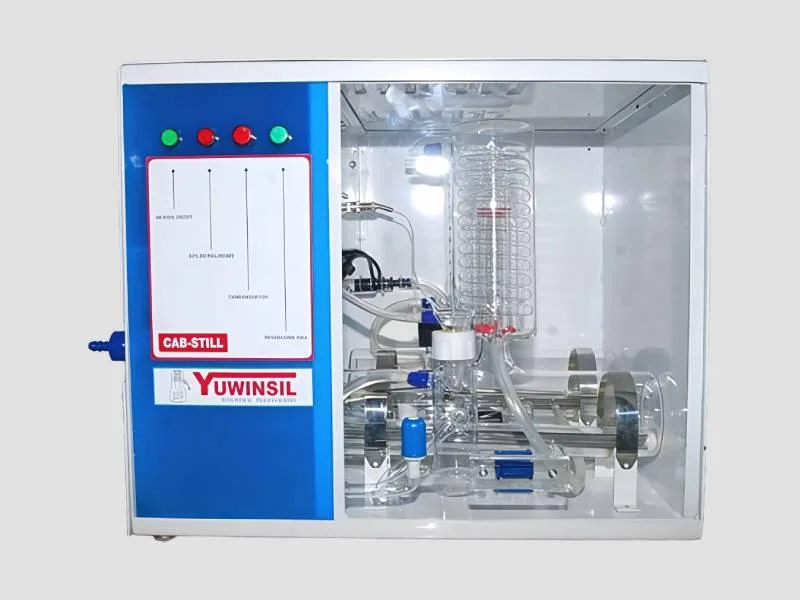
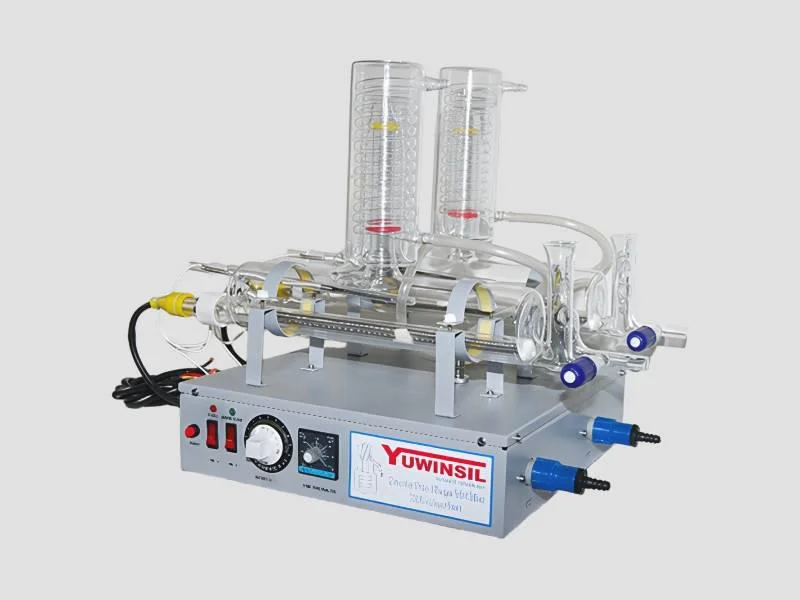
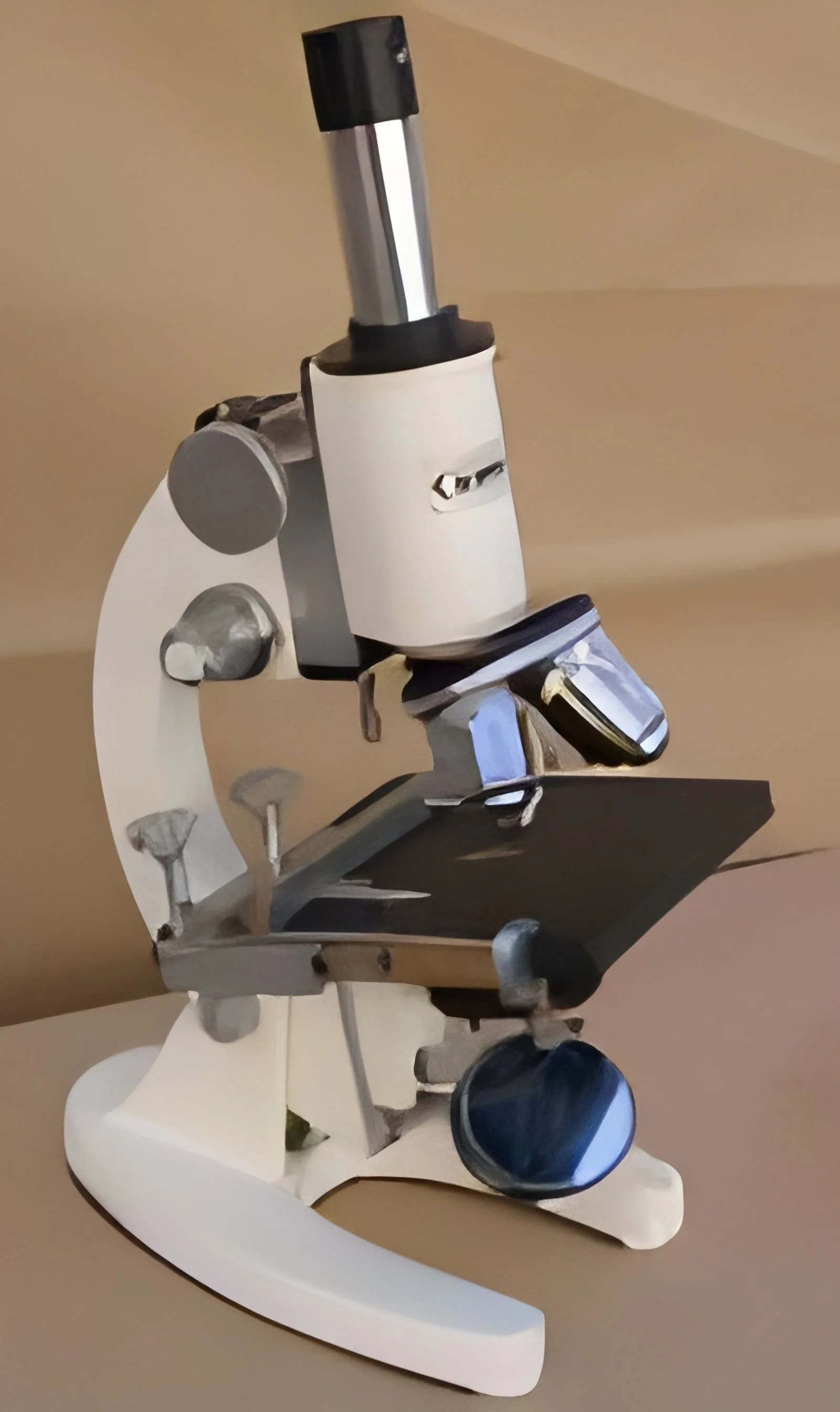
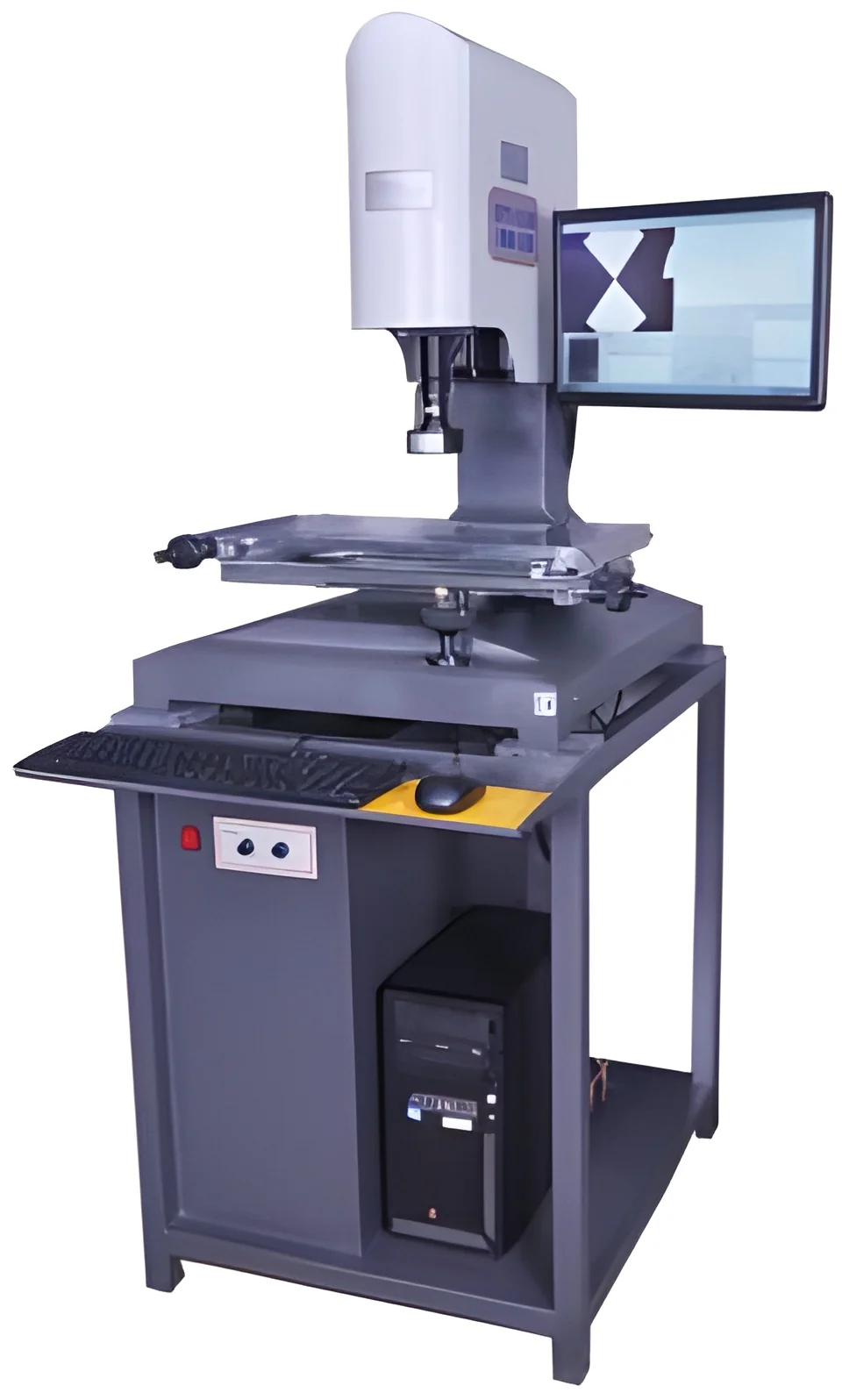
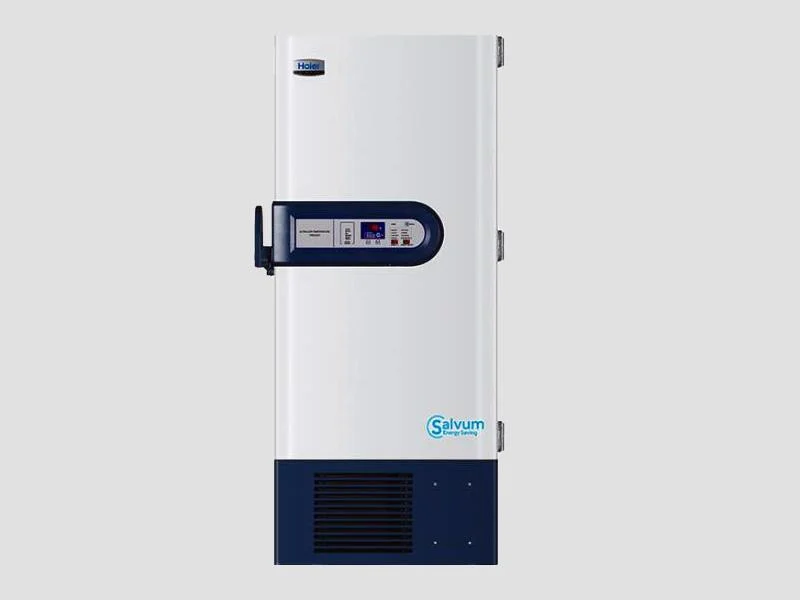
Diagnostic tools and instruments are specialized devices used to assess, measure, and analyze various conditions or parameters in industrial settings. They play a crucial role in identifying issues, ensuring quality control, and maintaining operational efficiency. These tools can range from basic handheld meters to sophisticated laboratory equipment, designed to provide accurate and reliable data.
The primary uses of diagnostic tools span across diverse industries, including manufacturing, healthcare, and environmental monitoring. In manufacturing, these instruments help detect anomalies in production processes, while in healthcare, they assist in diagnosing medical conditions. Environmental applications involve monitoring pollution levels and ensuring compliance with regulatory standards. The market for diagnostic tools is expansive, driven by technological advancements and the increasing need for precision in various sectors.
As industries evolve, the relevance of diagnostic tools continues to grow. The demand for high-quality instruments is fueled by stricter regulations and the push for better efficiency. This market context highlights the importance of selecting the right diagnostic tools tailored to specific applications and industries.
𝗞𝗲𝘆 𝗙𝗲𝗮𝘁𝘂𝗿𝗲𝘀 𝗮𝗻𝗱 𝗦𝗽𝗲𝗰𝗶𝗳𝗶𝗰𝗮𝘁𝗶𝗼𝗻𝘀
Diagnostic tools and instruments are characterized by a variety of features that enhance their functionality and accuracy. Understanding these specifications is essential for selecting the right tools for specific applications.
Key specifications include:
1. Measurement Range
- Defines the limits of what the instrument can measure
- Technical parameters vary by tool type
2. Accuracy
- Indicates the degree of closeness of measurements to the true value
- Typically expressed as a percentage
3. Resolution
- Refers to the smallest change in measurement that the instrument can detect
- Important for applications requiring high precision
4. Response Time
- The time taken by the instrument to stabilize after a measurement is initiated
- Critical in fast-paced environments
5. Data Output
- Describes the format in which data is provided (e.g., digital display, printout)
- Ensures compatibility with existing systems
6. Durability
- Refers to the instrument's ability to withstand industrial environments
- Includes factors like temperature and humidity resistance
7. Calibration Requirements
- Details the frequency and process needed to ensure accuracy
- Essential for compliance with quality standards
8. User Interface
- Describes how easy it is for operators to interact with the instrument
- Affects overall efficiency and user experience
In summary, understanding the key features and specifications of diagnostic tools is critical for effective application in various industries. The right specifications can lead to improved operational outcomes and compliance with industry standards.
𝗖𝗼𝗺𝗺𝗼𝗻 𝗔𝗽𝗽𝗹𝗶𝗰𝗮𝘁𝗶𝗼𝗻𝘀 𝗮𝗻𝗱 𝗨𝘀𝗲 𝗖𝗮𝘀𝗲𝘀
Diagnostic tools and instruments are employed across multiple industries, each serving specific purposes tailored to their operational needs.
1. Manufacturing: In this sector, diagnostic tools are used for quality control, helping to identify defects in products during the production process.
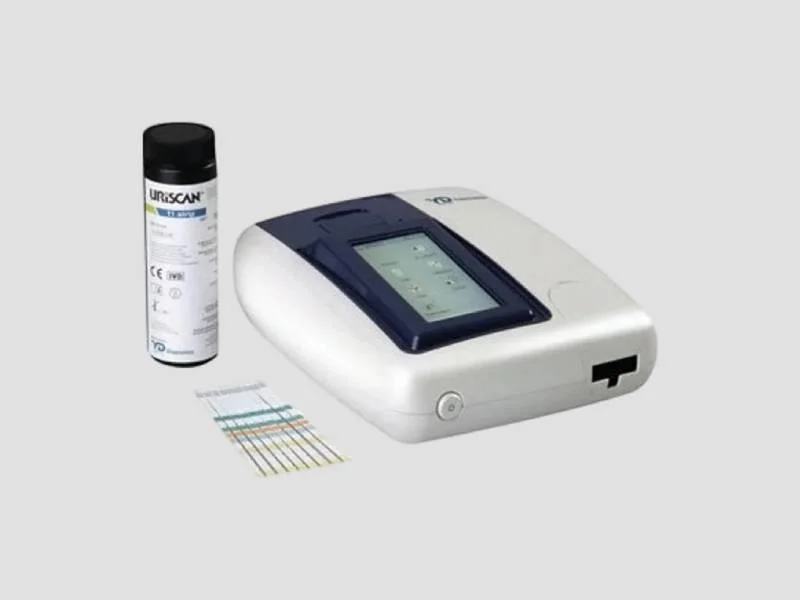
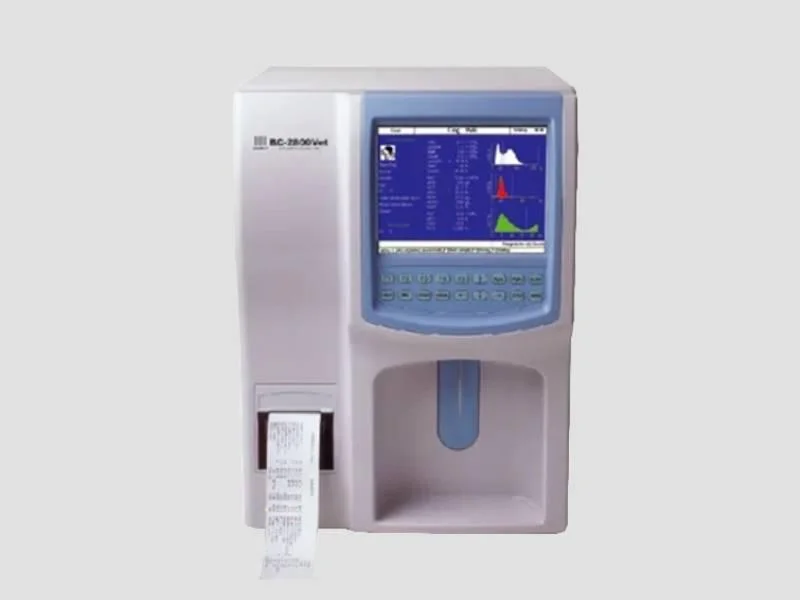
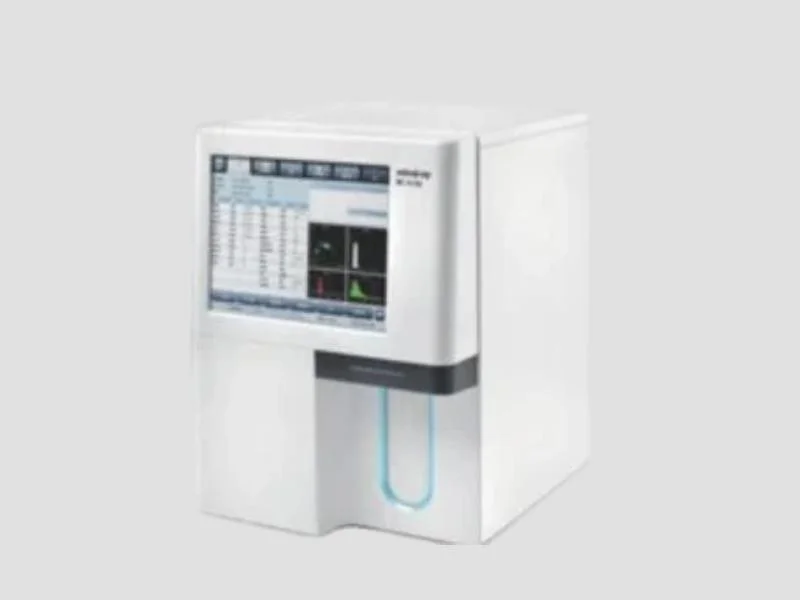
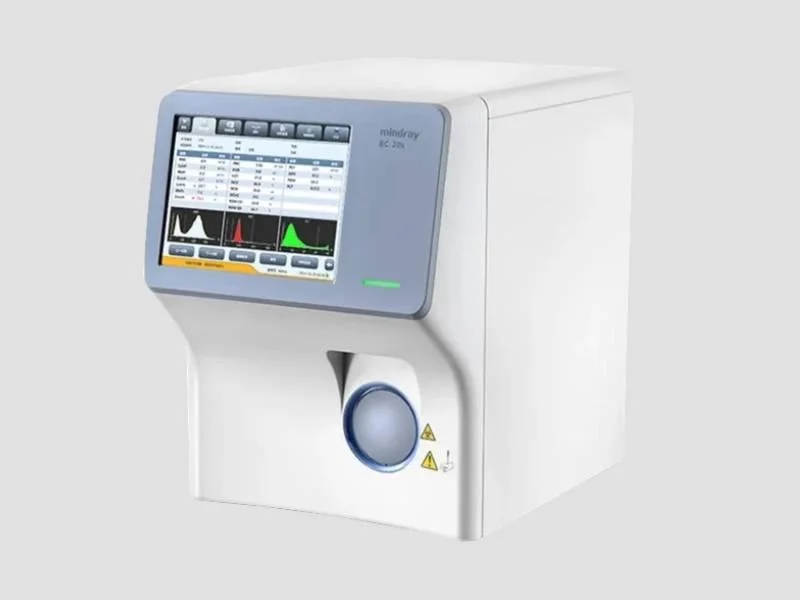
2. Healthcare: Medical diagnostic instruments, such as blood analyzers and imaging devices, are essential for accurate patient diagnosis and treatment planning.
3. Environmental Monitoring: Tools are utilized to measure pollutants and ensure compliance with environmental regulations, contributing to public health and safety.
4. Automotive: Diagnostic instruments in automotive settings help technicians identify faults in vehicles, improving maintenance and repair efficiency.
5. Aerospace: In aerospace, tools are vital for testing materials and components to ensure safety and reliability before flight.
6. Food and Beverage: Diagnostic instruments in this industry help maintain quality and safety by monitoring parameters such as pH and microbial levels.
7. Pharmaceuticals: These tools assist in ensuring product consistency and quality during drug development and manufacturing processes.
𝗣𝗿𝗼𝗱𝘂𝗰𝘁 𝗩𝗮𝗿𝗶𝗮𝗻𝘁𝘀 𝗮𝗻𝗱 𝗦𝘂𝗯𝗰𝗮𝘁𝗲𝗴𝗼𝗿𝗶𝗲𝘀
Diagnostic tools and instruments offer a wide range of variants to meet the diverse needs of various industries. Each variant is designed with specific features and applications in mind.
Portable Diagnostic Meters: These handheld devices are ideal for fieldwork, allowing technicians to measure parameters such as pH, conductivity, and temperature on-site. Their portability makes them suitable for environmental monitoring and agricultural applications.
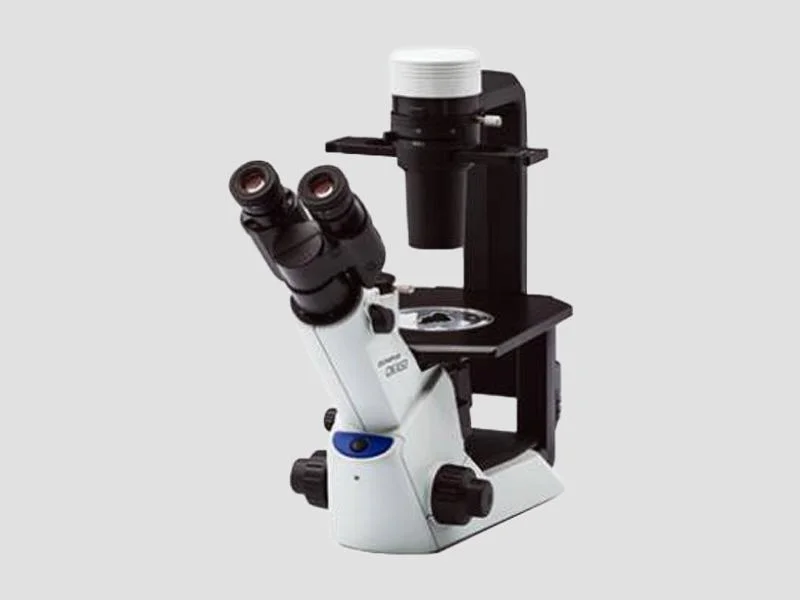
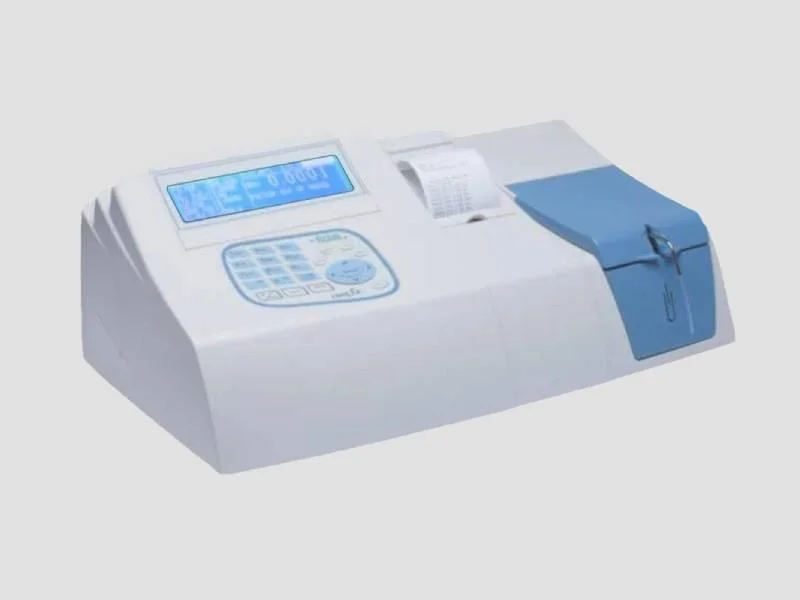
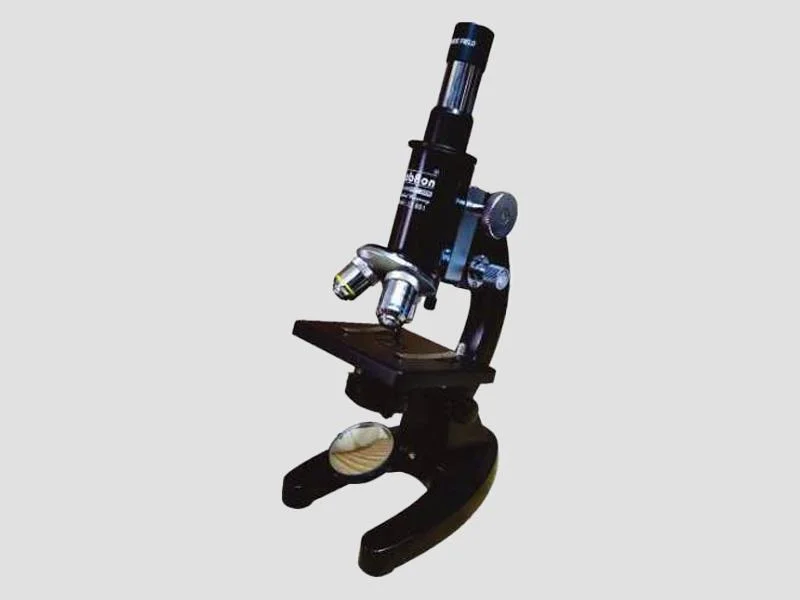
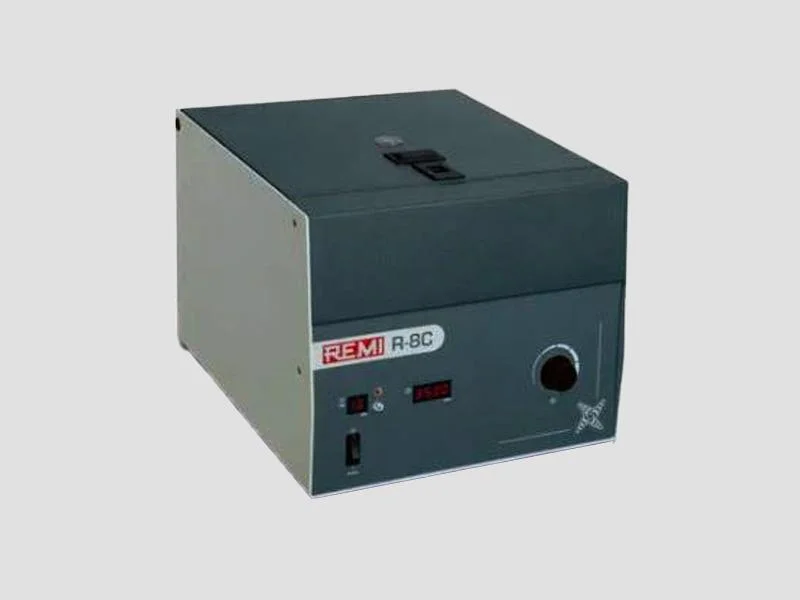
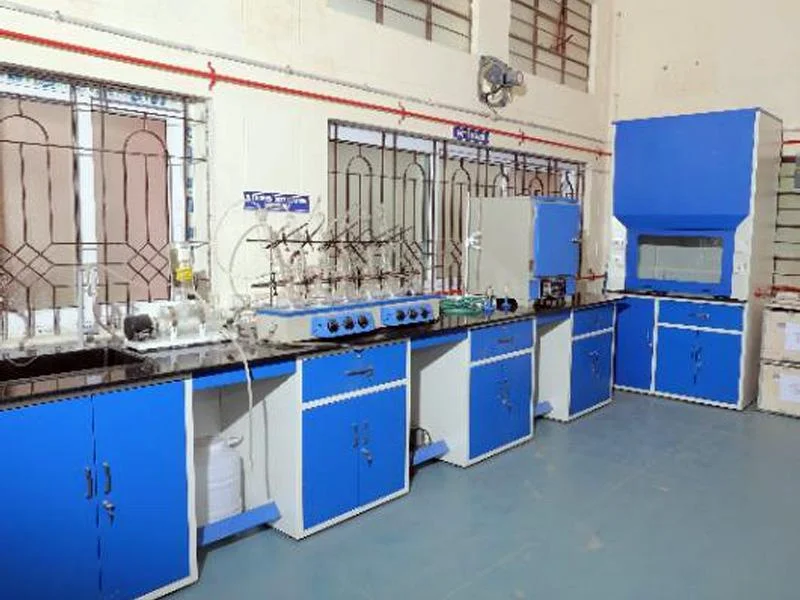
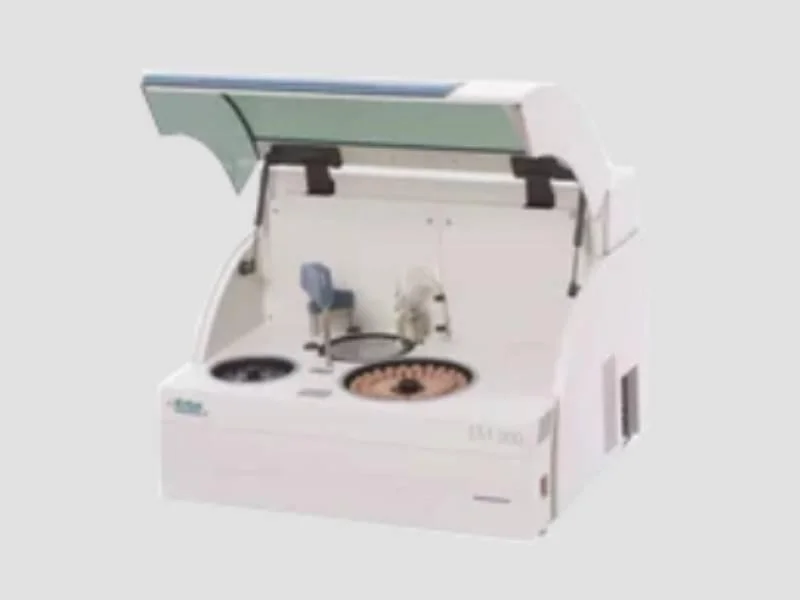
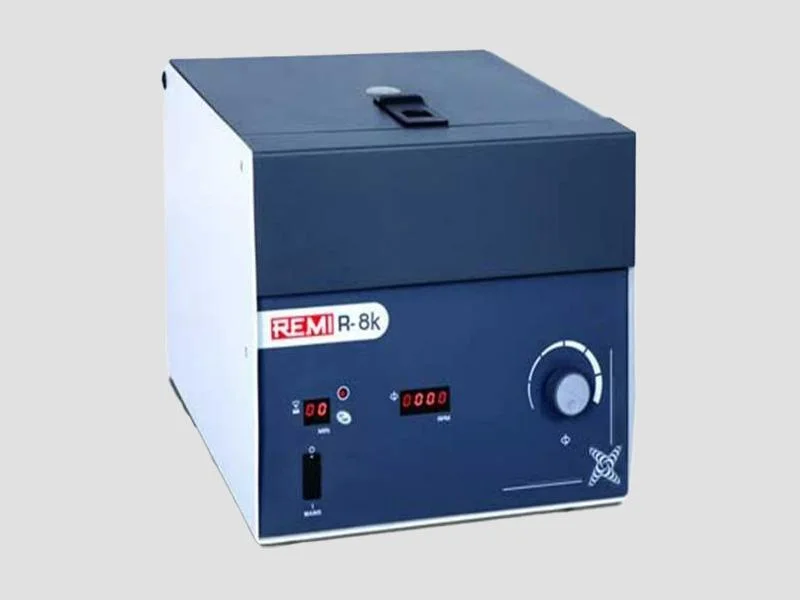
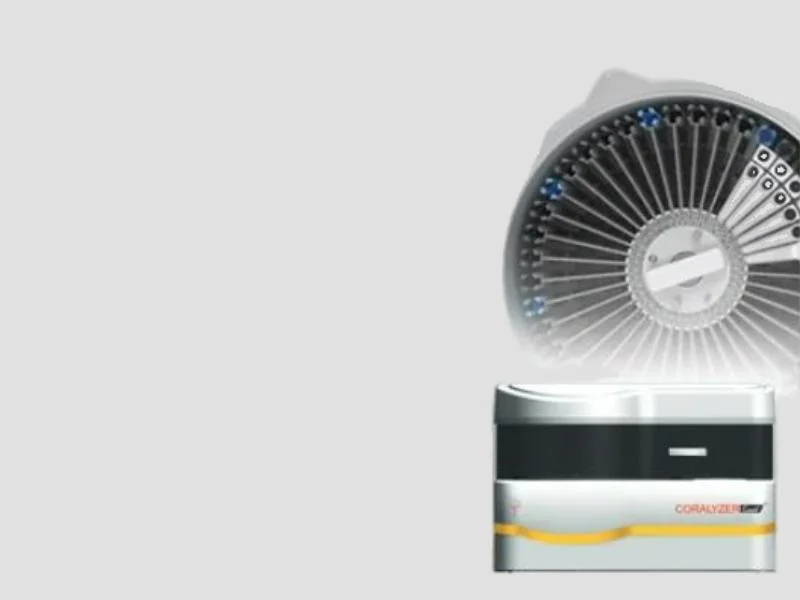
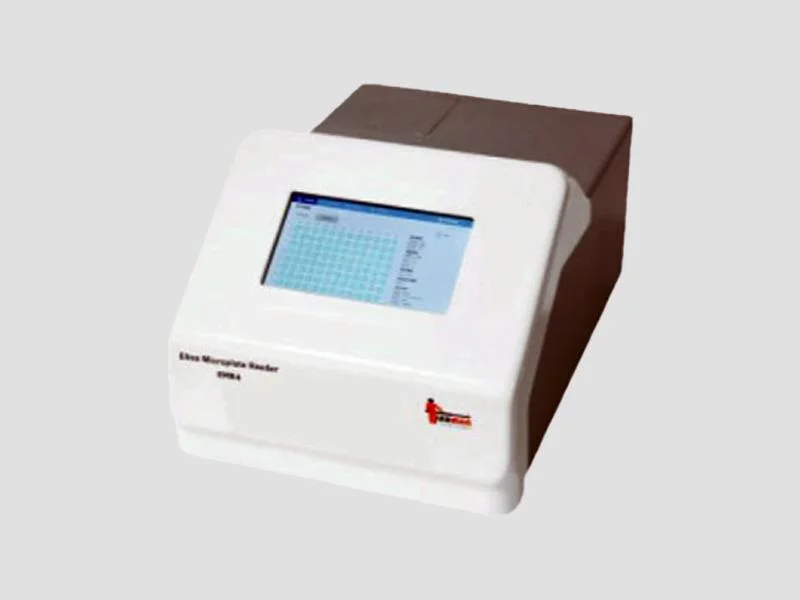
Laboratory Analyzers: Used in controlled environments, these instruments are designed for high-precision measurements in healthcare and research laboratories. They provide detailed analysis for blood tests and chemical compositions.
Multifunctional Testers: These versatile tools combine various measurement capabilities into a single device, making them convenient for technicians in multiple industries. They can evaluate different parameters like voltage, current, and resistance.
Continuous Monitoring Systems: These systems are installed for real-time data collection in manufacturing and environmental applications. They provide ongoing insights, enabling proactive decision-making and maintenance.
𝗕𝗲𝗻𝗲𝗳𝗶𝘁𝘀 𝗮𝗻𝗱 𝗔𝗱𝘃𝗮𝗻𝘁𝗮𝗴𝗲𝘀
Choosing the right diagnostic tools and instruments brings numerous advantages to businesses across industries.
1. Enhanced Accuracy: High-quality instruments provide precise measurements, reducing errors and improving overall product quality.
2. Improved Efficiency: With accurate diagnostics, businesses can quickly identify and resolve issues, minimizing downtime and increasing productivity.
3. Regulatory Compliance: Using certified instruments helps organizations meet industry regulations and standards, reducing the risk of non-compliance penalties.
4. Cost Savings: Investing in reliable diagnostic tools can lead to long-term savings by preventing costly mistakes and reducing waste.
5. Versatility: Many diagnostic tools can be used across different applications, making them a valuable investment for companies that operate in multiple sectors.
6. Data-Driven Decisions: Accurate data from diagnostic instruments enable informed decision-making, leading to better strategic planning and operational adjustments.
𝗕𝘂𝘆𝗶𝗻𝗴 𝗚𝘂𝗶𝗱𝗲 𝗳𝗼𝗿 𝗕𝟮𝗕 𝗕𝘂𝘆𝗲𝗿𝘀
When sourcing diagnostic tools and instruments, B2B buyers should consider several critical factors to ensure they make informed purchasing decisions.
1. Quality Assessment: Focus on the quality of the instruments by reviewing manufacturer certifications and user reviews. Instruments that meet international standards are more likely to deliver reliable performance.
2. Supplier Verification: Vetting suppliers is essential to ensure they have a proven track record and can provide quality products. This can include checking references and assessing their production capabilities.
3. Pricing and MOQ: Understand the pricing structure and minimum order quantities. Look for suppliers who offer competitive pricing without compromising on quality.
4. Delivery and Lead Times: Evaluate the supplier's ability to deliver within acceptable timeframes. Delays can impact operations, so it’s crucial to discuss logistics upfront.
5. Compliance Requirements: Ensure that the instruments meet necessary compliance standards specific to your industry. This can include certifications like CE for ensuring product safety and performance.
𝗖𝗼𝗺𝗽𝗹𝗶𝗮𝗻𝗰𝗲 𝗮𝗻𝗱 𝗖𝗲𝗿𝘁𝗶𝗳𝗶𝗰𝗮𝘁𝗶𝗼𝗻𝘀
Compliance and certifications are vital in ensuring that diagnostic tools and instruments meet industry standards and safety requirements. Notably, ISO 9001 is a widely recognized quality management standard that ensures that manufacturers consistently meet customer and regulatory requirements. Compliance with HACCP (Hazard Analysis Critical Control Points) is critical in food and beverage applications, ensuring the safety of products by identifying potential hazards.
In addition to quality standards, obtaining relevant industry certifications, such as CE marking, signifies that the products have been assessed and meet EU safety, health, and environmental protection requirements. Safety and testing requirements also play a significant role, as they dictate how instruments should be designed and operated to minimize risks. Moreover, regional compliance considerations may vary, so it is important to understand local regulations that govern the use of diagnostic tools in specific markets.
𝗪𝗵𝘆 𝗦𝗼𝘂𝗿𝗰𝗲 𝗗𝗶𝗮𝗴𝗻𝗼𝘀𝘁𝗶𝗰 𝗧𝗼𝗼𝗹𝘀 & 𝗜𝗻𝘀𝘁𝗿𝘂𝗺𝗲𝗻𝘁𝘀 𝗳𝗿𝗼𝗺 𝗣𝗲𝗽𝗮𝗴𝗼𝗿𝗮?
Pepagora provides a trusted platform for sourcing diagnostic tools and instruments, offering several key advantages that benefit businesses.
Verified Supplier Network: Our platform features a network of verified suppliers who undergo rigorous checks to ensure the quality and reliability of their products. This helps buyers make informed decisions with confidence.
Streamlined RFQ Process: Pepagora simplifies the request for quotation (RFQ) process, allowing buyers to easily compare offers from multiple suppliers. This efficiency saves time and resources during the procurement process.
Trade Assurance and Support: We offer trade assurance to protect buyers throughout their purchasing journey, ensuring that transactions are secure and that products meet specified standards.
Regional Coverage: With a strong presence in India, the GCC, and Southeast Asia, Pepagora provides extensive regional coverage. This geographic reach allows businesses to connect with local suppliers, reducing shipping times and costs while enhancing service delivery.

 IN
IN