
 IN
Serum Separator Tubes
4 products available
What are Serum Separator Tubes?
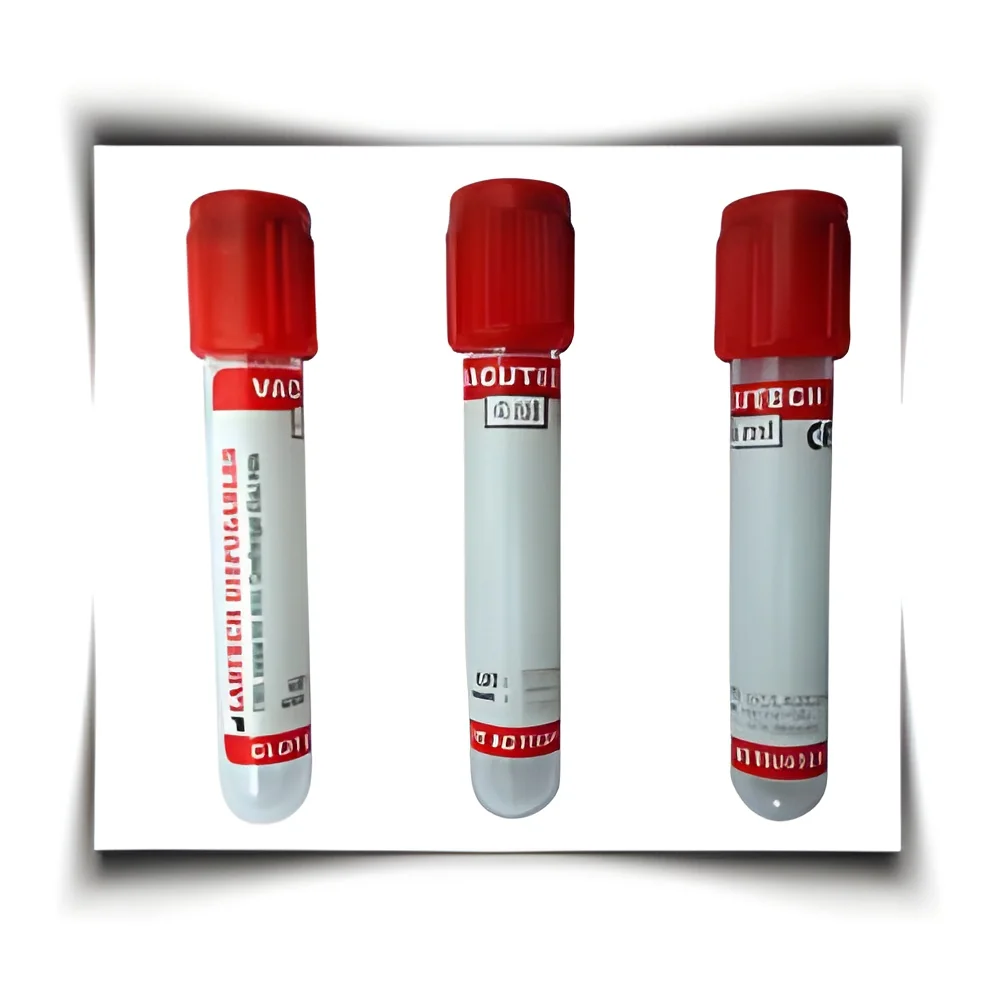
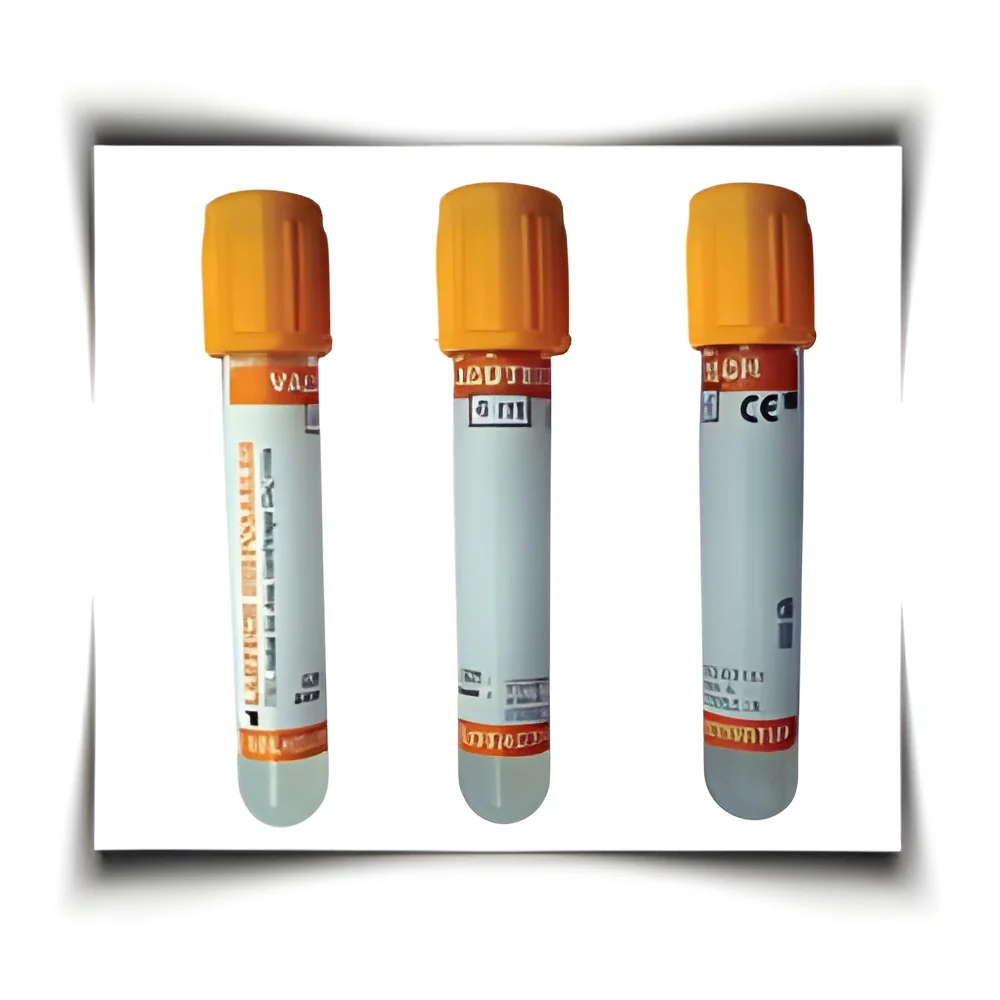
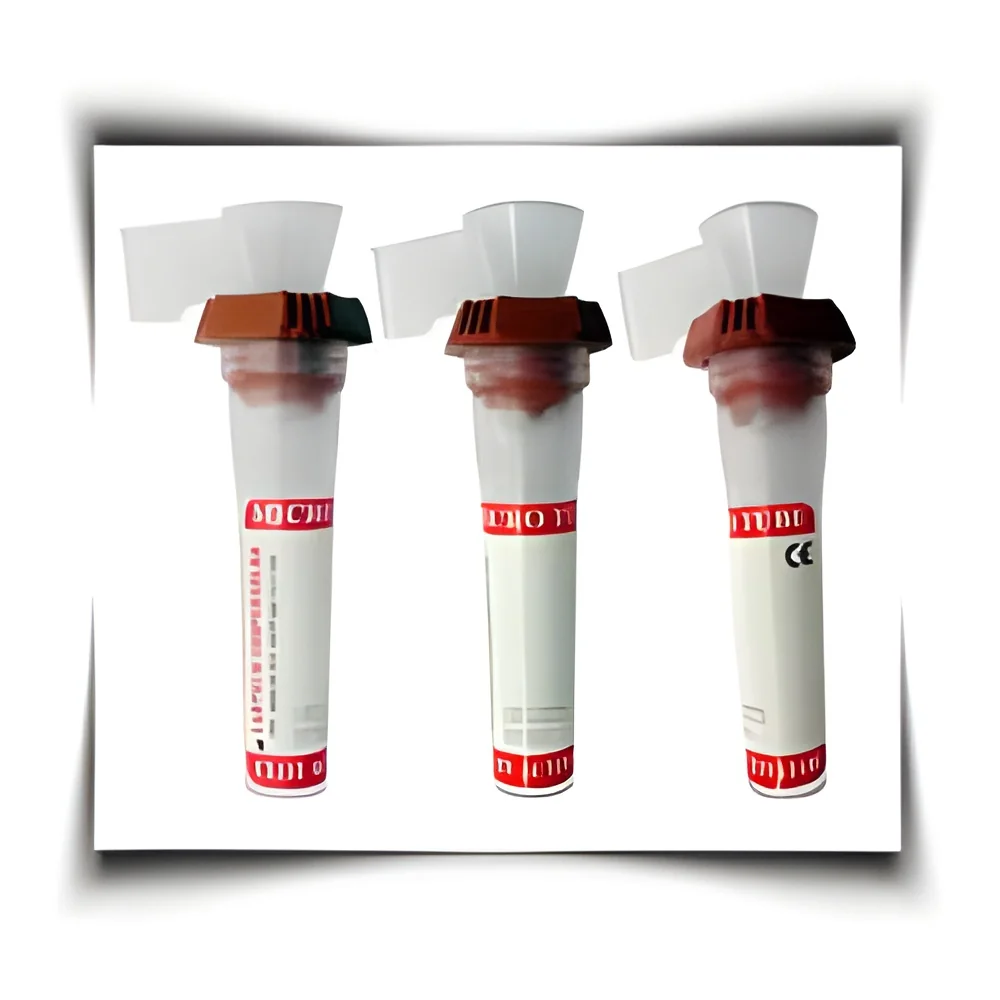
Serum Separator Tubes are specialized laboratory containers used to collect and separate serum from blood samples. These tubes contain a gel separator that forms a barrier between the serum and the blood cells after centrifugation. This unique design allows for the efficient separation of serum, making it easier for laboratories to conduct various biochemical tests.
Primarily, Serum Separator Tubes are utilized in clinical laboratories for diagnostic testing, blood banking, and research applications. They play a crucial role in the accurate analysis of blood components, as the separation of serum is vital for obtaining reliable test results. Their effectiveness makes them indispensable in medical facilities, research institutions, and laboratories worldwide.
In the current market context, the demand for Serum Separator Tubes is growing due to the increasing focus on diagnostics and healthcare. As more laboratories adopt advanced testing methodologies, the need for reliable and efficient sample collection tools becomes paramount. This growth is further influenced by trends in personalized medicine and the ongoing development of new diagnostic tests.
Key Features and Specifications
Serum Separator Tubes come with several key features that enhance their performance and usability. Understanding these features, along with their specifications, is essential for buyers in the B2B sector.
Key specifications include:
1. Tube Material
- Typically made from high-quality plastic or glass.
- Designed to maintain integrity during centrifugation.
2. Gel Separator
- Contains a polymer gel that forms a stable barrier.
- Effectively separates serum from blood cells after processing.
3. Cap Color Coding
- Different colors indicate various additives or purposes.
- Facilitates easy identification and proper usage.
4. Volume Capacity
- Available in various sizes, typically ranging from 5 mL to 10 mL.
- Allows flexibility according to sample requirements.
5. Sterility Assurance
- Each tube is pre-sterilized to ensure sample integrity.
- Reduces the risk of contamination during collection.
6. CE Certification
- Complies with medical device regulations for safety and efficacy.
- Ensures quality assurance in manufacturing processes.
7. Shelf Life
- Generally has a shelf life of 24 months.
- Important for inventory management in laboratories.
8. Temperature Stability
- Designed to withstand temperature variations during transport.
- Maintains sample quality under different conditions.
These specifications highlight the importance of selecting the right Serum Separator Tubes to ensure optimal performance in laboratory settings.
Common Applications and Use Cases
Serum Separator Tubes serve various industries, each benefiting from their unique properties.
1. Healthcare: In hospitals and clinics, these tubes are essential for routine blood tests, ensuring that serum samples are accurately separated for analysis.
2. Research Laboratories: Scientists utilize these tubes for biochemical research, allowing for the collection and analysis of serum in studies related to diseases and health.
3. Blood Banks: Serum Separator Tubes are vital in blood donation centers for separating serum from whole blood, which is crucial for blood typing and compatibility testing.
4. Pharmaceutical Companies: Used in clinical trials to collect serum samples, these tubes help in studying drug effects and patient responses.
5. Veterinary Medicine: In veterinary clinics, these tubes are used to collect serum samples from animals for diagnostic testing and health monitoring.
6. Environmental Testing: Laboratories conducting environmental analysis utilize these tubes for collecting serum samples from various biological sources to assess contamination levels.
7. Forensic Science: In forensic laboratories, these tubes are used to collect and analyze blood samples as part of criminal investigations.
Product Variants and Subcategories
Serum Separator Tubes come in a variety of types, each suited for specific applications.
Standard Serum Separator Tube
This variant is designed for general laboratory use. It features a gel separator that efficiently separates serum from blood cells, making it ideal for routine blood tests and diagnostics.
Specialized Serum Separator Tube
These tubes are tailored for specific applications, such as those requiring certain additives or anticoagulants. They provide additional functionality for specialized tests, ensuring accuracy and reliability.
Benefits and Advantages
The use of Serum Separator Tubes offers numerous benefits for laboratories and healthcare providers.
1. Improved Sample Integrity: The gel separator minimizes contamination, preserving the quality of the serum for accurate testing.
2. Efficient Separation Process: The design allows for quick and efficient separation of serum, saving time in laboratory workflows.
3. Versatility: Suitable for various applications, these tubes can be used across different laboratory settings, enhancing their utility.
4. Reduced Risk of Hemolysis: Proper separation minimizes the chances of hemolysis, which can compromise test results.
5. Easy Identification: Color-coded caps provide a simple method for identifying tube types and additives, facilitating proper usage.
6. Compliance with Regulations: The CE certification ensures that these tubes meet stringent safety and quality standards, providing peace of mind for users.
Buying Guide for B2B Buyers
When sourcing Serum Separator Tubes, several critical factors should be taken into consideration to ensure the best choice for your laboratory needs.
1. Quality Assessment: Evaluate the quality of the tubes by checking for certifications like CE and ensuring they meet industry standards for safety and efficacy.
2. Supplier Verification: Research potential suppliers to confirm their reliability and reputation in the market. Look for reviews and feedback from other customers.
3. Pricing and MOQ: Understand the pricing structure and minimum order quantities (MOQ) required by suppliers to ensure it aligns with your budget and operational needs.
4. Delivery and Lead Times: Inquire about logistics, including delivery times and shipping options, to ensure timely availability of the tubes for your laboratory operations.
5. Compliance Requirements: Ensure that the tubes comply with relevant local and international regulations, which may vary by region and application.
Compliance and Certifications
Serum Separator Tubes are subject to various compliance and certification standards that ensure their safety and effectiveness in laboratory settings.
ISO 9001 is a quality management standard that outlines the criteria for a quality management system. Compliance with this standard indicates that the manufacturer has established processes to ensure consistent quality in their products.
The CE mark is an indication that the product complies with European health, safety, and environmental protection standards. This certification is crucial for ensuring that Serum Separator Tubes are safe for use in clinical and laboratory environments.
Safety and testing requirements are essential in the production of Serum Separator Tubes. Manufacturers typically conduct rigorous testing to ensure that the tubes can withstand the necessary conditions during blood collection and centrifugation.
Regional compliance considerations may vary based on local regulations. It is important for buyers to be aware of specific requirements in their region to ensure that the products they source are compliant.
Why Source Serum Separator Tubes from Pepagora?
Pepagora provides a trusted platform for sourcing Serum Separator Tubes, offering several key advantages to buyers in the B2B space.
Verified Supplier Network: Pepagora connects buyers with a network of verified suppliers, ensuring that all products meet quality and safety standards. This network provides peace of mind when sourcing critical laboratory supplies.
Streamlined RFQ Process: The platform features a streamlined Request for Quotation (RFQ) process that makes it easy for buyers to obtain competitive pricing from multiple suppliers. This efficiency allows businesses to make informed purchasing decisions quickly.
Trade Assurance and Support: Pepagora offers trade assurance and buyer protection services, giving buyers confidence in their transactions. This support includes dispute resolution and assistance with logistics when needed.
Regional Coverage: With a focus on regions such as India, the GCC, and Southeast Asia, Pepagora ensures that buyers have access to a wide range of Serum Separator Tubes and manufacturers, facilitating seamless sourcing across different markets.

Frequently Asked Questions
What are Serum Separator Tubes?
Serum Separator Tubes are specialized laboratory tubes used for the collection and separation of serum from blood samples. They contain a gel that forms a barrier between the serum and the cellular components during centrifugation, allowing for clear separation.
What are the different types of Serum Separator Tubes?
There are several types of Serum Separator Tubes, including those with different additives such as clot activators and gel separators. Each type is designed for specific laboratory tests and can vary in size and color coding to indicate their intended use.
How do I choose the right Serum Separator Tubes?
Choosing the right Serum Separator Tubes depends on the specific tests you intend to perform. Consider the type of sample, the required volume, and any specific additives needed for your assays when selecting the appropriate tubes.
What are the standard specifications for Serum Separator Tubes?
Standard specifications for Serum Separator Tubes include material composition, volume capacity, and the presence of additives. Typically, these tubes are made of plastic or glass and can range from 4 to 10 mL in capacity, depending on the application.
What is the price range for Serum Separator Tubes?
The price range for Serum Separator Tubes can vary based on factors such as the manufacturer, type, and quantity ordered. Generally, prices may range from a few rupees per tube to higher amounts for specialized varieties.
What quality standards apply to Serum Separator Tubes?
Serum Separator Tubes must meet various quality standards, including ISO certifications and compliance with national and international guidelines for medical devices. These standards ensure safety, reliability, and accuracy in laboratory testing.
Where can I find Serum Separator Tubes suppliers in India?
You can find Serum Separator Tubes suppliers in India through B2B marketplaces like Pepagora, medical supply distributors, and direct manufacturers. It is advisable to check for verified suppliers to ensure product quality.
Can Serum Separator Tubes be customized?
Yes, Serum Separator Tubes can often be customized to meet specific needs, such as labeling, size, and additives. Customization options may vary by manufacturer, so it is best to inquire directly with suppliers.
What is the typical minimum order quantity for Serum Separator Tubes?
The typical minimum order quantity (MOQ) for Serum Separator Tubes varies by supplier and can range from a few dozen to several hundred units. It is advisable to confirm the MOQ with the supplier before placing an order.
What is the typical lead time for Serum Separator Tubes?
The typical lead time for Serum Separator Tubes can range from a few days to several weeks, depending on the supplier and the order size. It is important to discuss lead times when placing orders to ensure timely delivery.
Why Businesses Trust Pepagora
Thousands of companies trust Pepagora to source smarter and sell faster
Expand Your Sales Globally

Source Smarter,Grow Faster
