
 IN
INStethoscopes (Standard & Digital)
10 products available
Key Features and Specifications
Common Applications and Use Cases
Product Variants and Subcategories
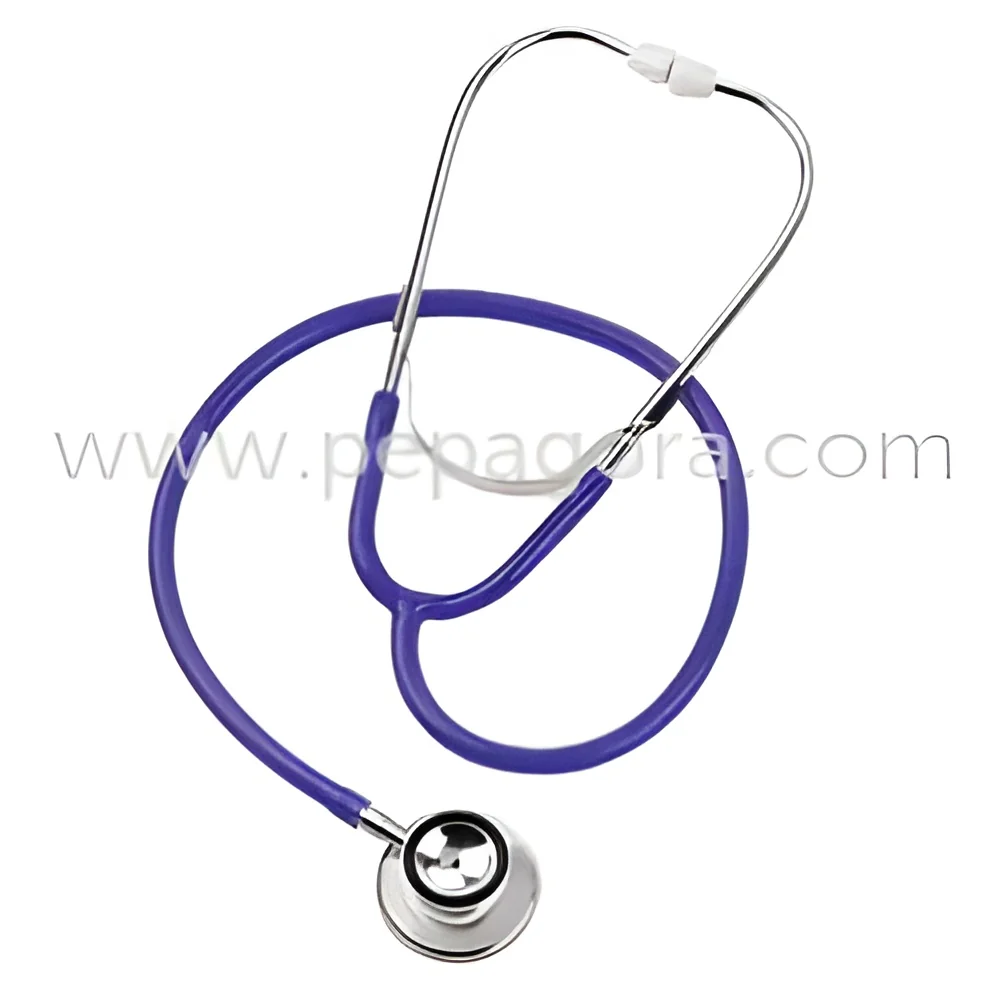
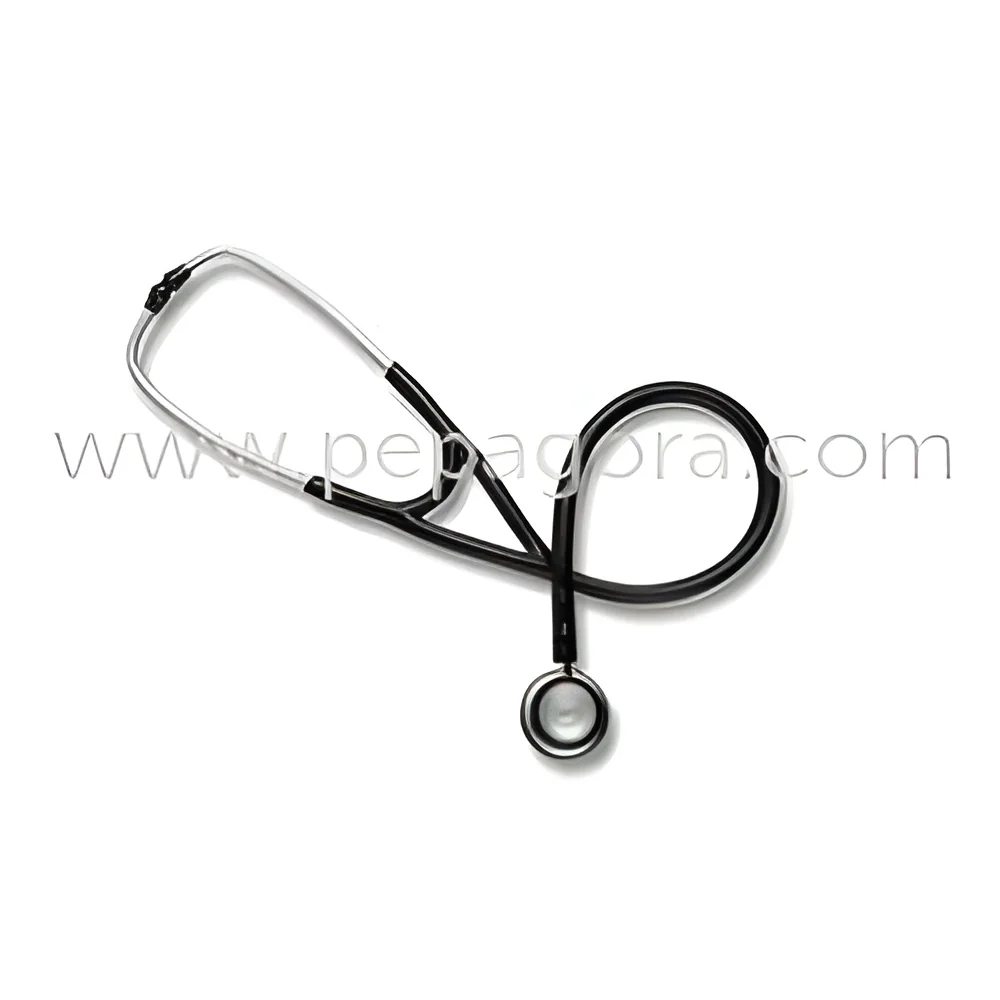
Standard Stethoscope
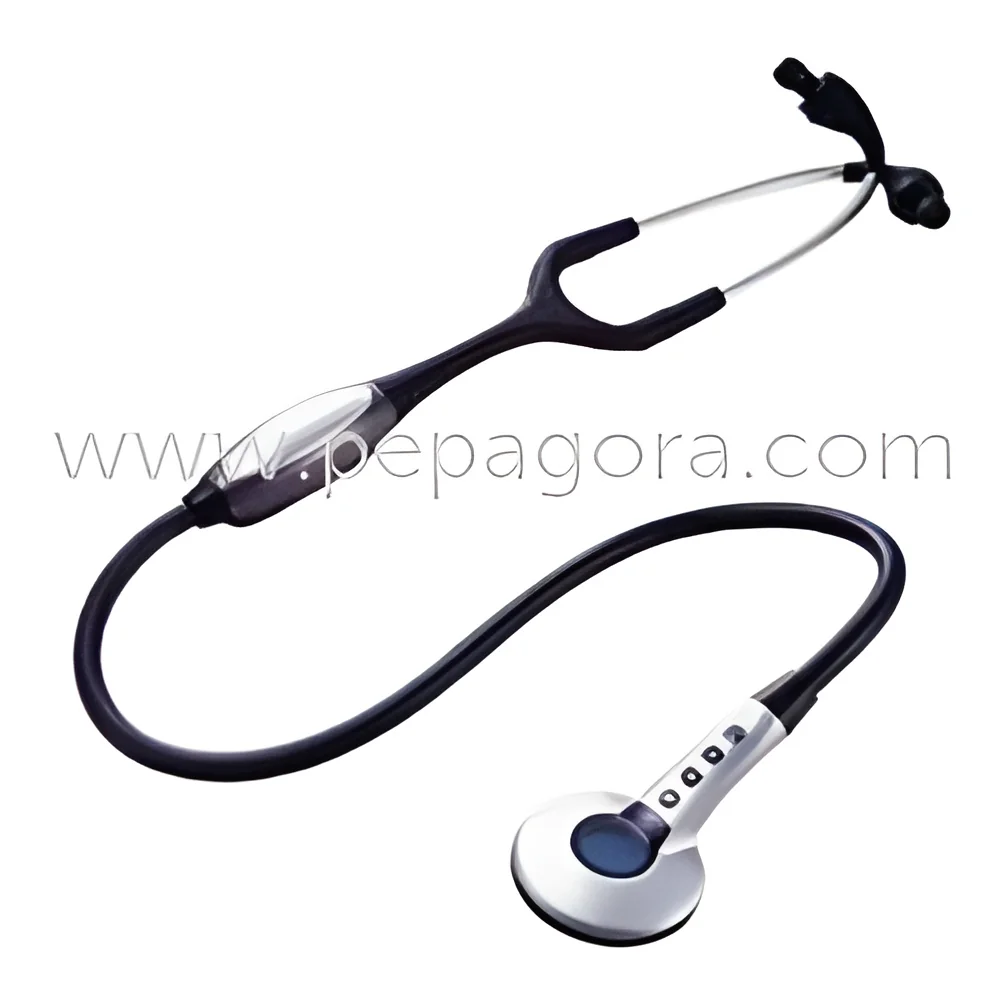
Digital Stethoscope
Benefits and Advantages
Buying Guide for B2B Buyers
Compliance and Certifications






Frequently Asked Questions
What are Stethoscopes (Standard & Digital)?
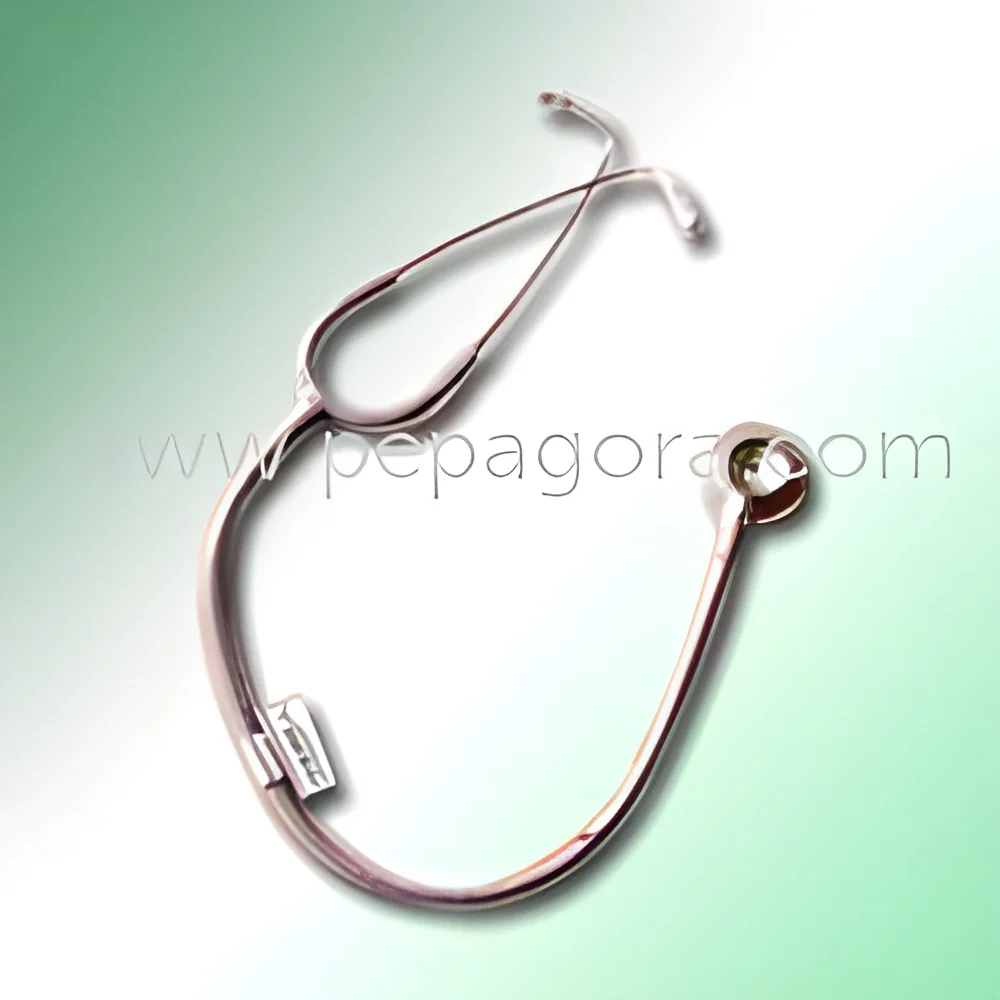
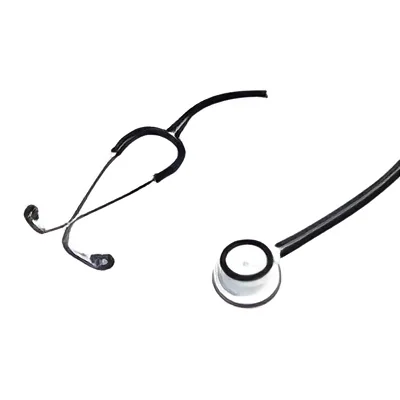
Stethoscopes (Standard & Digital) are medical devices used by healthcare professionals to auscultate sounds produced within the body, such as heartbeats and lung sounds. Standard stethoscopes use analog technology, while digital stethoscopes utilize electronic components to amplify sounds and may include features like audio recording and Bluetooth connectivity.
What are the different types of Stethoscopes (Standard & Digital)?
The different types of stethoscopes include standard stethoscopes, which are manually operated and rely on acoustic sounds, and digital stethoscopes, which convert sounds into digital signals for enhanced clarity. Additionally, there are specialized stethoscopes for pediatrics, cardiology, and other medical disciplines, each designed for specific acoustic properties.
How do I choose the right Stethoscopes (Standard & Digital)?
Choosing the right stethoscope involves considering factors such as the type of practice, the acoustics required, and personal comfort. Healthcare professionals should evaluate the features of both standard and digital models, including sound quality, weight, and any additional functionalities that may assist in their work.
What are the standard specifications for Stethoscopes (Standard & Digital)?
Standard specifications for stethoscopes include the diameter of the chest piece, tubing length, and material quality. Digital stethoscopes may also specify battery life, sampling rate, and connectivity options, ensuring they meet the needs of modern healthcare environments.
What is the price range for Stethoscopes (Standard & Digital)?
The price range for stethoscopes varies widely based on type and features. Standard stethoscopes can start from around INR 1,000, while digital stethoscopes can range from INR 5,000 to over INR 25,000, depending on the brand and technology used.
What quality standards apply to Stethoscopes (Standard & Digital)?
Stethoscopes must adhere to various quality standards, including ISO certification and compliance with medical device regulations. Manufacturers often conduct rigorous testing to ensure durability, sound quality, and safety for use in clinical settings.
Where can I find Stethoscopes (Standard & Digital) suppliers in India?
You can find stethoscope suppliers in India through online B2B marketplaces like Pepagora, where manufacturers and distributors list their products. Additionally, local medical supply stores and specialized healthcare equipment suppliers may offer a variety of stethoscopes.
Can Stethoscopes (Standard & Digital) be customized?
Yes, many manufacturers offer customization options for stethoscopes, including engraving, color choices, and specific features tailored to healthcare professionals' needs. Customization can enhance the personalization of the device while maintaining functionality.
What is the typical minimum order quantity for Stethoscopes (Standard & Digital)?
The typical minimum order quantity (MOQ) for stethoscopes varies by supplier and model. Generally, MOQs can range from a single unit for retail purchases to larger quantities for bulk orders, often starting around 10-50 units for wholesale pricing.
What is the typical lead time for Stethoscopes (Standard & Digital)?
The typical lead time for stethoscopes can vary based on the supplier and the complexity of the order. Standard items may ship within a few days, while customized or bulk orders could take anywhere from 2-4 weeks or longer, depending on manufacturing and logistics.
Why Businesses Trust Pepagora
Thousands of companies trust Pepagora to source smarter and sell faster
Expand Your Sales Globally

Source Smarter,Grow Faster
