Key Features and Specifications
Rapid test kits are characterized by several critical features that ensure their effectiveness and reliability. These features are designed to accommodate various testing environments and meet the needs of healthcare professionals.
Key specifications include:
1. Sensitivity and Specificity
- High sensitivity rates ensure minimal false negatives.
- Specificity rates reduce the likelihood of false positives.
2. Speed of Results
- Results can be available within 15 to 30 minutes, depending on the test type.
- Quick turnaround times facilitate immediate clinical decisions.
3. Sample Type
- Most kits require a small blood sample, but some may use urine or saliva.
- The ability to use fingerstick blood samples enhances usability in the field.
4. Storage Conditions
- Kits are typically stable at room temperature.
- Some may require refrigeration for long-term storage.
5. User Friendliness
- Easy-to-follow instructions allow for minimal training requirements.
- Visual indicators provide clear results, often using color changes.
6. Shelf Life
- Kits often have a shelf life of 12 to 24 months.
- Expiration dates must be observed for accuracy.
7. CE Certification
- Many rapid test kits are CE marked, indicating compliance with EU safety standards.
- This certification is crucial for market access in various regions.
8. Packaging
- Individual packaging ensures sterility and convenience.
- Bulk packaging options are available for larger orders.
In summary, rapid test kits are designed for efficiency and reliability, addressing the urgent need for quick disease identification while maintaining high standards of accuracy.
Common Applications and Use Cases
Rapid test kits serve a variety of industries, making them valuable tools in the fight against infectious diseases.
1. Healthcare: Hospitals and clinics use these kits for quick diagnosis and treatment initiation, particularly in emergency departments where time-sensitive decisions are critical.
2. Public Health: Government health organizations deploy rapid test kits during outbreak investigations to quickly assess and manage public health risks.
3. NGOs: Non-governmental organizations utilize these kits in field settings to provide rapid diagnostic services in underserved communities.
4. Research: Academic institutions and laboratories employ rapid test kits for epidemiological studies to track disease prevalence and control measures.
5. Travel Health: Clinics in travel hubs use rapid tests to screen travelers for infectious diseases before they enter specific regions.
6. Veterinary Medicine: Some rapid test kits are adapted for use in veterinary diagnostics, helping to identify diseases in animals quickly.
7. Blood Banks: Rapid tests are used in blood donation centers to screen for infections before blood products are distributed.
Product Variants and Subcategories
The diversity of rapid test kits allows for tailored solutions to specific needs in diagnostics.
HIV Rapid Test Kits
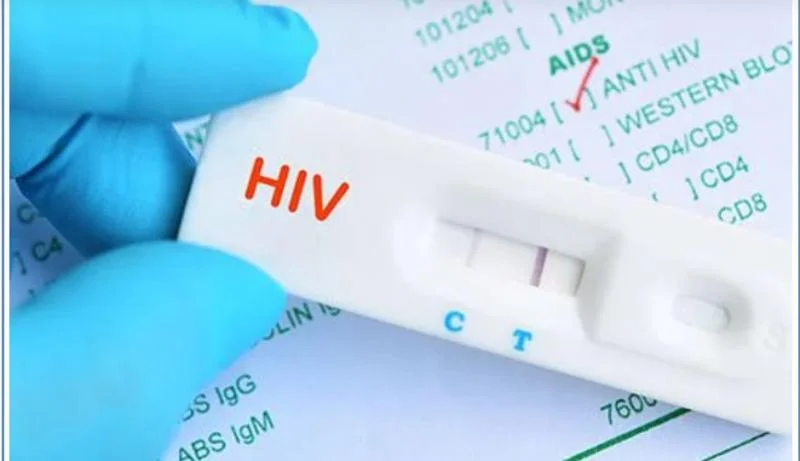
These kits are specifically designed to detect antibodies to HIV in a blood sample. They provide quick results, enabling healthcare providers to initiate treatment and counseling without delay.
Malaria Rapid Test Kits
These kits detect specific antigens produced by malaria parasites. They are crucial for diagnosing malaria in endemic areas where timely treatment can save lives.
Dengue Rapid Test Kits
Dengue test kits are designed to detect either the virus or antibodies in the blood. They are essential during outbreaks to quickly identify cases and implement control measures.
Benefits and Advantages
Rapid test kits offer numerous advantages that make them essential tools in diagnostic settings.
Key benefits include:
1. Speed: Rapid test kits provide results in under 30 minutes, allowing for immediate clinical decisions and treatment initiation.
2. Accessibility: They can be used in remote or resource-limited settings, increasing access to essential healthcare services.
3. Cost-Effectiveness: Rapid tests are often more affordable than laboratory-based testing, reducing overall diagnostic costs.
4. User-Friendly: Simple instructions and clear result indicators enable healthcare workers to use the kits with minimal training.
5. Reduced Laboratory Burden: By providing quick results, these kits alleviate pressure on laboratory facilities and streamline patient flow.
6. Enhanced Disease Surveillance: Rapid tests facilitate timely tracking of infectious diseases, informing public health interventions.
Buying Guide for B2B Buyers
When sourcing rapid test kits, buyers should consider several critical factors to ensure they select the right products for their needs.
1. Quality Assessment: Evaluate the quality of test kits by reviewing clinical studies and validation results. Look for kits with high sensitivity and specificity.
2. Supplier Verification: Vet suppliers by checking their certifications, customer reviews, and history of reliability. Ensure they have a robust supply chain.
3. Pricing and MOQ: Consider the cost per kit and the minimum order quantity. Ensure that pricing aligns with budgetary constraints while maintaining quality.
4. Delivery and Lead Times: Inquire about the expected lead times for orders and ensure suppliers can meet your delivery requirements.
5. Compliance Requirements: Verify that the test kits comply with relevant regulatory standards and certifications necessary for your market.
Compliance and Certifications
Compliance and certifications are vital aspects of rapid test kits. They ensure that products meet necessary safety and quality standards.
Relevant quality standards include ISO 9001, which focuses on quality management systems and ensures consistent product quality. HACCP (Hazard Analysis Critical Control Point) helps identify and manage potential hazards in the manufacturing process.
Industry certifications such as CE mark indicate that the products meet European health, safety, and environmental protection standards. This certification is essential for market entry in Europe and other regions.
Safety and testing requirements are enforced to ensure that rapid test kits are both effective and safe for use. Manufacturers must conduct rigorous testing to validate the performance of their kits.
Regional compliance considerations are also important. Depending on the geographical market, different regulations may apply, necessitating thorough research to ensure compliance.
Why Source Rapid Test Kits (HIV, Malaria, Dengue, etc.) from Pepagora?
Pepagora provides a trusted platform for sourcing rapid test kits with several key advantages.
Verified Supplier Network: Pepagora connects buyers with a network of verified suppliers who meet strict quality and reliability standards. This ensures that buyers can trust the products they purchase.
Streamlined RFQ Process: The platform simplifies the request for quotation (RFQ) process, allowing buyers to receive competitive quotes from multiple suppliers efficiently.
Trade Assurance and Support: Pepagora offers buyer protection measures that help ensure transactions are safe and transparent. This support fosters confidence in sourcing decisions.
Regional Coverage: With a focus on markets in India, the GCC, and Southeast Asia, Pepagora provides extensive regional coverage, making it easier for buyers to access quality rapid test kits in their locations.

 IN
IN