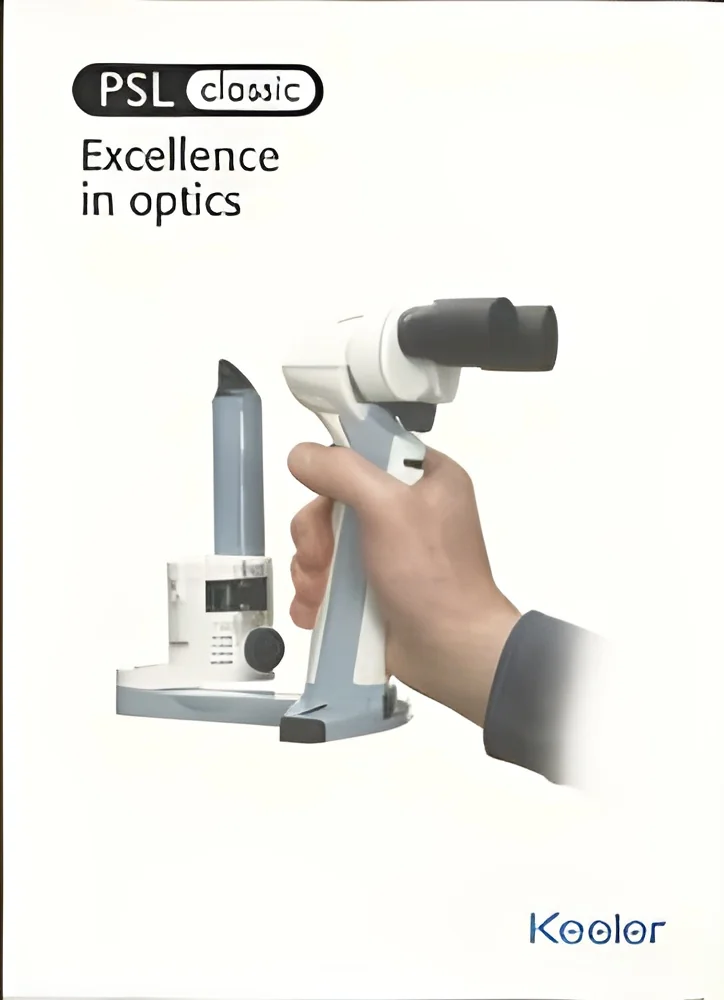
What are Diagnostic Lamps?
Diagnostic lamps are specialized lighting devices used to illuminate and evaluate the operational condition of various equipment and systems. They provide clear visibility for technicians and engineers to conduct inspections, troubleshooting, and maintenance tasks. These lamps often feature specific light wavelengths that can help in identifying potential issues, such as overheating components or electrical faults.
Primarily, diagnostic lamps are utilized in industries such as automotive, aerospace, and manufacturing. In automotive applications, for instance, they assist in pinpointing electrical issues or checking engine components. In manufacturing settings, they help ensure machinery is functioning properly, thereby minimizing downtime and enhancing productivity. The relevance of diagnostic lamps in these sectors cannot be understated, as they play a crucial role in maintaining safety and operational efficiency.
As industries evolve, the demand for reliable diagnostic lamps continues to grow. Businesses are increasingly focusing on the importance of preventive maintenance and rapid response to equipment failures. This trend highlights the market's need for high-quality diagnostic tools that can enhance performance and support operational excellence.
Key Features and Specifications
Diagnostic lamps come with a range of features designed to enhance their functionality and usability in industrial applications. Understanding these specifications is essential for selecting the right lamp that meets specific operational needs.
Key specifications include:
1. Light Output
- Measured in lumens, this indicates the brightness of the lamp.
- Typical ranges can vary based on intended use and size.
2. Energy Efficiency
- This refers to the power consumption of the lamp.
- Energy-efficient models can save on operational costs.
3. Durability
- The construction material and design impact the lamp's lifespan and resistance to wear.
- Many diagnostic lamps are built to withstand harsh environments.
4. Portability
- Some models are lightweight and designed for easy transport.
- Portable options are ideal for fieldwork and remote inspections.
5. Light Spectrum
- Different lamps may emit various wavelengths of light.
- Specific wavelengths can be more effective for certain diagnostic tasks.
6. Power Source
- Diagnostic lamps can be powered by batteries, AC power, or rechargeable options.
- The choice of power source affects mobility and operational duration.
7. Control Features
- Some lamps may include adjustable brightness settings or color temperature options.
- These features enhance versatility for different diagnostic scenarios.
8. Compliance Standards
- Many diagnostic lamps adhere to industry standards for safety and performance.
- Compliance with regulations ensures reliability in critical applications.
In summary, selecting the right diagnostic lamp involves evaluating these key features and specifications to ensure it aligns with operational requirements.
Common Applications and Use Cases
Diagnostic lamps are versatile tools that find applications across various industries.
1. Automotive: Diagnostic lamps are commonly used for troubleshooting electrical systems, inspecting engine components, and verifying circuit functionality.
2. Aerospace: In aviation, these lamps assist in conducting pre-flight inspections and ensuring compliance with safety standards.
3. Manufacturing: Diagnostic lamps help monitor machinery performance, identify malfunctions, and maintain production efficiency.
4. Healthcare: In medical settings, these lamps are used for equipment diagnostics and ensuring proper functionality of devices.
5. Telecommunications: They play a role in troubleshooting signal issues and ensuring network reliability.
6. Construction: Diagnostic lamps are essential for inspecting electrical installations and ensuring compliance with safety regulations.
7. Energy Sector: They are utilized for monitoring electrical grids and ensuring the reliability of power systems.
Product Variants and Subcategories
Diagnostic lamps come in various forms to cater to different needs and applications. While specific subcategories may not be available, some common types can be highlighted.
LED Diagnostic Lamps
These lamps offer high energy efficiency and longevity. With adjustable brightness and color temperature, they are suitable for various diagnostic tasks across industries.
Halogen Diagnostic Lamps
Known for their intense brightness, halogen lamps are often used in automotive applications for detailed inspections. Their ability to produce a broad spectrum of light makes them versatile.
Portable Diagnostic Lamps
These compact and lightweight lamps are designed for fieldwork and remote inspections. They often feature rechargeable batteries and durable construction to withstand tough environments.
Benefits and Advantages
Using diagnostic lamps provides several advantages that enhance operational efficiency and safety.
1. Improved Visibility: Diagnostic lamps offer bright illumination, making it easier to identify issues during inspections.
2. Enhanced Safety: By facilitating thorough diagnostics, these lamps help prevent equipment failures that could lead to accidents or injuries.
3. Cost Savings: Energy-efficient models reduce electricity costs while minimizing the need for frequent replacements.
4. Versatility: Diagnostic lamps can be used across various industries and applications, making them a valuable tool for technicians.
5. Increased Productivity: Quick identification of issues leads to faster repairs and less downtime, boosting overall productivity.
6. Compliance Assurance: Using certified diagnostic lamps ensures adherence to industry standards, enhancing operational reliability.
Buying Guide for B2B Buyers
When sourcing diagnostic lamps, it is essential to consider several important factors to ensure the right purchase.
1. Quality Assessment: Evaluate the quality of the lamps based on materials used, construction, and performance standards. Reliable brands often comply with industry certifications.
2. Supplier Verification: Vet suppliers by checking their reputation, experience, and customer reviews. A verified supplier ensures the authenticity of the product.
3. Pricing and MOQ: Understand the pricing structure and minimum order quantities. Aim for a balance between cost and quality to ensure value for money.
4. Delivery and Lead Times: Discuss delivery timelines and logistics with suppliers. Timely delivery is crucial to avoid delays in ongoing projects.
5. Compliance Requirements: Ensure the lamps meet necessary regulatory standards specific to your industry. Compliance ensures safety and operational reliability.
Compliance and Certifications
Diagnostic lamps must adhere to various quality standards and certifications to ensure their reliability and safety in industrial applications. Key standards include ISO 9001, which focuses on quality management systems, and HACCP, which emphasizes hazard analysis and critical control points in production processes.
Additionally, industry certifications such as CE mark indicate compliance with health, safety, and environmental protection standards. This certification is particularly important for products sold within the European Economic Area.
Safety and testing requirements are crucial, especially for lamps used in sensitive environments. Regular testing ensures that the lamps perform effectively and safely over their lifespan.
Regional compliance considerations may also vary, necessitating awareness of specific regulations applicable to different markets. Understanding these compliance aspects is essential for businesses to maintain operational integrity and safety.
Why Source Diagnostic Lamps from Pepagora?
Pepagora provides a trusted platform for sourcing diagnostic lamps, offering several advantages to buyers in various industries.
Verified Supplier Network: Pepagora connects buyers with a network of verified suppliers who meet stringent quality and reliability standards. This network ensures that buyers can source high-quality products with confidence.
Streamlined RFQ Process: The Request for Quotation (RFQ) process on Pepagora is designed to be user-friendly and efficient. Buyers can quickly receive quotations from multiple suppliers, enabling them to compare options easily.
Trade Assurance and Support: Pepagora offers trade assurance that protects buyers throughout the purchasing process. This support minimizes the risks associated with sourcing products online.
Regional Coverage: With a strong presence in India, the GCC, and Southeast Asia, Pepagora caters to a wide geographic area. This regional coverage ensures that businesses can access diagnostic lamps tailored to their specific needs, regardless of location.

 IN
IN