
 IN
Blood Sugar Test Strips
2 products available
What are Blood Sugar Test Strips?
Blood sugar test strips are diagnostic tools used to measure glucose levels in the blood. These strips work in conjunction with a blood glucose meter, which provides readings that help individuals monitor their blood sugar levels. Typically manufactured from a thin layer of plastic, each strip contains a chemical reagent that reacts with glucose in the blood sample applied to it. This reaction produces an electrical signal that the meter interprets and displays as a numeric value.
The primary use of blood sugar test strips is in the management of diabetes, a condition that affects millions of people globally. By providing accurate readings, these strips enable users to make informed decisions about their diet, medication, and lifestyle. Businesses involved in healthcare, pharmacy, and medical supply industries heavily rely on these products to support their clients' health management needs. With the growing prevalence of diabetes, the demand for reliable blood sugar test strips continues to rise, making them a crucial component in the market.
Key Features and Specifications
Blood sugar test strips offer a range of features designed to enhance usability and accuracy. These features are critical for both individual users and healthcare providers. Understanding the specifications of these strips is essential for making informed purchasing decisions.
Key specifications include:
1. Measurement Range
- Typically ranges from 20 mg/dL to 600 mg/dL
- Allows for accurate readings across various blood sugar levels
2. Sample Volume
- Usually requires a small blood sample, often as low as 0.5 microliters
- Ensures minimal discomfort for users during testing
3. Test Time
- Results are generally available within 5 to 30 seconds
- Quick turnaround enables immediate decision-making
4. Shelf Life
- Standard shelf life is usually 12 to 24 months when stored properly
- Important for ensuring product efficacy over time
5. Calibration
- Most strips are pre-calibrated for use with specific meters
- Helps maintain accuracy and reliability of readings
6. Storage Conditions
- Commonly recommended to store in a cool, dry place
- High humidity or temperature can affect performance
7. Compatibility
- Designed to work with specific meters from various manufacturers
- Ensures seamless integration for end users
8. Safety Standards
- Must comply with safety and quality standards, including CE certification
- Ensures product reliability for users
In summary, blood sugar test strips are engineered with specific features that ensure accuracy, ease of use, and compatibility with blood glucose meters. Understanding these specifications helps businesses select the right products for their needs.
Common Applications and Use Cases
Blood sugar test strips are utilized in various sectors, each benefiting from their ability to monitor glucose levels effectively.
1. Healthcare Providers: Hospitals and clinics use these strips to assist patients in managing diabetes. Regular monitoring helps track health outcomes and adjust treatment plans accordingly.
2. Pharmacies: Retail pharmacies stock blood sugar test strips for diabetic customers. They play a vital role in supporting patients' self-management of their condition.
3. Home Health Care: Many individuals with diabetes use these strips at home for daily monitoring. This empowerment allows users to maintain better control over their blood sugar levels.
4. Research Institutions: Researchers may use blood sugar test strips in clinical trials. Accurate monitoring is essential for studying the effects of new diabetes treatments.
5. Diabetes Education Programs: Organizations focused on diabetes education utilize these strips to teach patients about blood sugar management. Practical demonstrations enhance learning experiences.
6. Sports and Fitness: Athletes with diabetes may use these strips to monitor blood sugar levels during physical activity. This ensures optimal performance and health management.
In conclusion, blood sugar test strips serve a diverse range of applications, demonstrating their importance across multiple industries.
Product Variants and Subcategories
Blood sugar test strips come in various formats to cater to different needs and preferences. Although specific product subcategories are not available, understanding the diversity in offerings is important.
Standard Test Strips: These are the most commonly used strips designed for general blood glucose monitoring. They provide reliable readings that are essential for daily management of diabetes.
Fast-Acting Test Strips: Some strips are engineered for rapid results, appealing to users who need quick feedback on their glucose levels. This variant is particularly useful for individuals who are frequently on the go.
User-Friendly Test Strips: These strips often feature larger test areas and easy-to-read displays, making them ideal for elderly or visually impaired users. Enhanced usability is a significant advantage in this variant.
In summary, while specific subcategories are not available, the variety in blood sugar test strips allows for tailored solutions based on user needs.
Benefits and Advantages
Using blood sugar test strips provides numerous benefits that contribute to effective diabetes management.
1. Accuracy: High-quality test strips offer precise readings, ensuring users can make informed decisions about their health.
2. Convenience: The small size and ease of use make these strips ideal for regular monitoring at home or on the go.
3. Empowerment: Regular testing allows users to understand their condition better, leading to improved self-management and lifestyle choices.
4. Cost-Effectiveness: Many blood sugar test strips are available at various price points, making them accessible for different budgets.
5. Availability: They are widely available through pharmacies, healthcare providers, and online platforms, ensuring easy access for users.
6. Compatibility: Most strips are designed to work with a range of meters, providing flexibility for users who may own different devices.
In conclusion, the benefits of blood sugar test strips extend beyond mere measurement, enhancing the overall management of diabetes.
Buying Guide for B2B Buyers
When sourcing blood sugar test strips, several factors should be taken into account to ensure quality and reliability.
1. Quality Assessment: Evaluate the strips based on their accuracy, reliability, and compliance with industry standards. Look for products that are backed by certifications and quality testing.
2. Supplier Verification: It is crucial to vet suppliers to ensure they provide legitimate and high-quality products. Check for reviews, certifications, and industry reputation.
3. Pricing and MOQ: Understand the pricing structure and minimum order quantities (MOQ) to ensure the product fits within budget constraints. Compare different suppliers to find competitive pricing.
4. Delivery and Lead Times: Consider logistics when placing orders. Ensure that suppliers can meet your delivery timelines to avoid interruptions in supply.
5. Compliance Requirements: Be aware of any regulatory standards that apply to blood sugar test strips in your region. This includes understanding local health regulations and certifications.
In summary, a thorough buying guide helps B2B buyers make informed decisions when sourcing blood sugar test strips, ensuring they meet quality and compliance standards.
Compliance and Certifications
Blood sugar test strips must adhere to various quality standards and regulations to ensure their safety and effectiveness.
Relevant quality standards include ISO 9001, which focuses on quality management systems, helping manufacturers ensure consistent quality. Additionally, Hazard Analysis and Critical Control Points (HACCP) principles may apply to the manufacturing process, ensuring that potential hazards are identified and controlled.
Industry certifications such as CE mark indicate compliance with European health, safety, and environmental protection standards. This certification is crucial for manufacturers looking to market their products within the European Union.
Safety and testing requirements dictate that blood sugar test strips undergo rigorous testing to ensure their accuracy and reliability. This includes stability testing under various conditions to confirm consistent performance.
Regional compliance considerations vary, as different countries may have specific regulations regarding medical devices. Ensuring compliance with local rules is essential for manufacturers and distributors.
In conclusion, compliance and certifications play a vital role in assuring the quality and safety of blood sugar test strips, fostering trust among users and healthcare providers.
Why Source Blood Sugar Test Strips from Pepagora?
Pepagora offers a reliable platform for sourcing blood sugar test strips, presenting numerous advantages for B2B buyers.
Verified Supplier Network: Pepagora maintains a network of verified suppliers, ensuring that buyers can access high-quality products. This verification process builds trust and reduces risks associated with sourcing.
Streamlined RFQ Process: The Request for Quotation (RFQ) system simplifies the buying process. Buyers can easily request quotes, compare pricing, and make informed purchasing decisions efficiently.
Trade Assurance and Support: Pepagora provides buyers with trade assurance, ensuring that their transactions are protected. This support fosters confidence in the sourcing process.
Regional Coverage: With a strong presence in India, GCC, and Southeast Asia, Pepagora offers extensive geographical reach. This regional coverage allows businesses to source products conveniently and efficiently.
In summary, sourcing blood sugar test strips from Pepagora provides businesses with a trustworthy platform, ensuring quality, support, and efficiency in the procurement process.
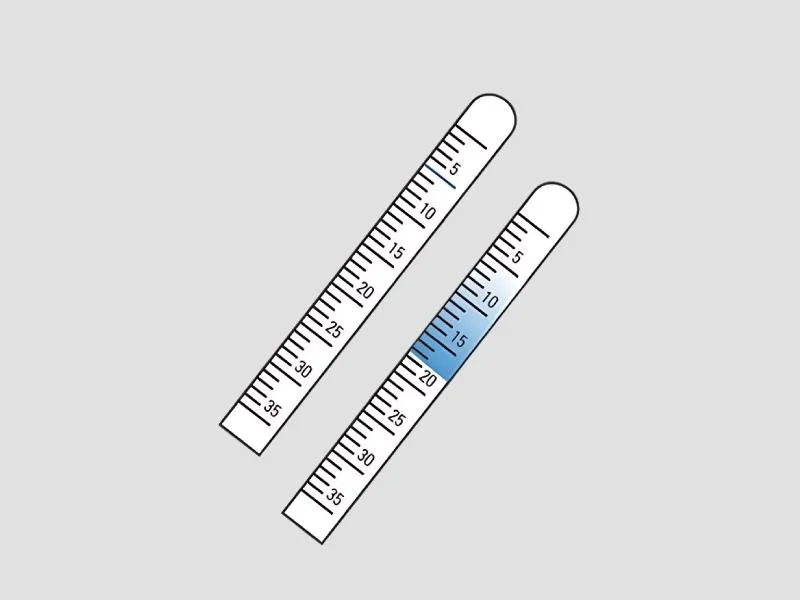



Frequently Asked Questions
What are Blood Sugar Test Strips?
Blood Sugar Test Strips are small, disposable strips used in conjunction with a glucose meter to measure the concentration of glucose in the blood. They play a crucial role in diabetes management, allowing individuals to monitor their blood sugar levels effectively.
What are the different types of Blood Sugar Test Strips?
There are various types of Blood Sugar Test Strips available, including those designed for specific glucose meters and strips that may offer features like faster results or a larger sample size. Some strips are also designed for use with alternative sites, such as the forearm.
How do I choose the right Blood Sugar Test Strips?
Choosing the right Blood Sugar Test Strips involves considering compatibility with your glucose meter, the required blood sample size, and the speed of results. It is also important to check for any additional features that may suit your monitoring needs.
What are the standard specifications for Blood Sugar Test Strips?
Standard specifications for Blood Sugar Test Strips include a specific range of glucose measurement, acceptable blood sample sizes, and calibration requirements. Many strips are also designed to meet regulatory standards for accuracy and reliability.
What is the price range for Blood Sugar Test Strips?
The price range for Blood Sugar Test Strips can vary widely depending on the brand, type, and packaging options. Generally, prices may range from INR 500 to INR 3000 for a standard box containing multiple strips.
What quality standards apply to Blood Sugar Test Strips?
Blood Sugar Test Strips must meet various quality standards set by regulatory bodies such as the FDA or CE marking in Europe. These standards ensure accuracy, reliability, and safety for end users.
Where can I find Blood Sugar Test Strips suppliers in India?
You can find Blood Sugar Test Strips suppliers in India through B2B marketplaces like Pepagora, as well as through local medical supply distributors and online platforms that specialize in healthcare products.
Can Blood Sugar Test Strips be customized?
Yes, some manufacturers may offer customization options for Blood Sugar Test Strips, including branding or specific features tailored to meet user preferences. It is advisable to inquire directly with suppliers for available customization services.
What is the typical minimum order quantity for Blood Sugar Test Strips?
The typical minimum order quantity (MOQ) for Blood Sugar Test Strips can range from 50 to 100 strips, depending on the supplier and packaging options. It is best to verify with individual suppliers for their specific MOQ requirements.
What is the typical lead time for Blood Sugar Test Strips?
The typical lead time for Blood Sugar Test Strips can vary based on supplier and order quantity, usually ranging from 5 to 15 business days. It is advisable to confirm the lead time with the supplier at the time of order.
Why Businesses Trust Pepagora
Thousands of companies trust Pepagora to source smarter and sell faster
Expand Your Sales Globally

Source Smarter,Grow Faster
