
 IN
Micrometers
14 products available
What are Micrometers?
Micrometers are precision measuring instruments used to measure small distances or thicknesses. Typically, they consist of a calibrated screw and a measuring scale, allowing for accurate readings down to a few micrometers. The design of a micrometer enables users to measure internal and external dimensions as well as depths, making them versatile tools for various applications.
Micrometers are primarily utilized in manufacturing and engineering sectors where precise measurements are crucial. They are commonly used in quality control processes, assembly lines, and research laboratories. Industries such as automotive, aerospace, and electronics rely heavily on micrometers to ensure components meet stringent specifications, thereby enhancing product quality and performance.
In the current market, micrometers have become essential tools for businesses striving for precision in product manufacturing. With advancements in technology, digital micrometers are gaining popularity due to their ease of use and enhanced accuracy. The demand for high-quality micrometers continues to grow as industries focus on improving efficiency and reducing error rates in production processes.
Key Features and Specifications
Micrometers come equipped with several features that enhance their functionality and accuracy. Understanding these specifications is vital for selecting the right micrometer for specific applications.
Key specifications include:
1. Measurement Range
- Micrometers are available in various measurement ranges, typically from 0 to 25 mm or 0 to 1 inch for standard models.
- Specialty micrometers can measure larger dimensions, extending the range as needed.
2. Resolution
- The resolution of a micrometer indicates the smallest increment that can be measured.
- Standard micrometers offer resolutions of 0.01 mm or 0.001 inches, while digital models may provide even finer increments.
3. Accuracy
- Accuracy refers to how closely a measured value aligns with the true value.
- Most micrometers maintain an accuracy of ±0.002 mm, ensuring reliable measurements.
4. Material Construction
- Micrometers can be constructed from various materials, including hardened steel and stainless steel, providing durability.
- Some models feature protective coatings to resist corrosion and wear.
5. Type of Measurement
- Micrometers can be classified as external, internal, or depth micrometers, each serving different measurement needs.
- External micrometers measure outside dimensions, internal micrometers measure inside dimensions, and depth micrometers measure depth.
6. Display Type
- Micrometers may have analog or digital displays, with digital displays offering easier readability.
- Some digital models include features like automatic shut-off and data output capabilities.
7. Spindle Type
- The spindle type affects measurement precision and ease of use.
- Some micrometers feature ratchet stops to ensure consistent pressure during measurements.
8. Calibration
- Regular calibration is essential to maintain measurement accuracy.
- Many micrometer manufacturers provide calibration services or guidelines.
In summary, understanding these key specifications helps businesses choose the right micrometer for their specific measurement needs.
Common Applications and Use Cases
Micrometers serve a wide range of industries, providing precise measurements essential for quality control and production.
1. Automotive: In the automotive industry, micrometers are used to measure engine components, ensuring that parts fit together correctly and function optimally.
2. Aerospace: Aerospace manufacturers utilize micrometers for measuring critical components such as wing structures and engine parts, where precision is paramount for safety and performance.
3. Electronics: In electronics, micrometers are employed to measure the thickness of circuit boards and other components, ensuring they meet strict tolerances.
4. Metalworking: Machinists rely on micrometers to achieve precise measurements of machined parts, which is vital for maintaining quality throughout the fabrication process.
5. Medical Devices: The medical device industry uses micrometers to ensure that instruments and implants are manufactured to exact specifications, crucial for patient safety.
6. Research and Development: In R&D laboratories, micrometers are essential for experiments that require precise measurements of small samples or components.
7. Manufacturing: General manufacturing processes utilize micrometers to maintain dimensional accuracy in a variety of products, from consumer goods to industrial equipment.
Product Variants and Subcategories
Micrometers come in various types, each designed for specific measurement tasks.
External Micrometers
External micrometers are the most common type, used to measure the outside dimensions of objects with high precision. They are ideal for applications in manufacturing and machining.
Internal Micrometers
Internal micrometers are designed to measure the internal dimensions of holes and tubes. They come equipped with interchangeable anvils to accommodate different sizes.
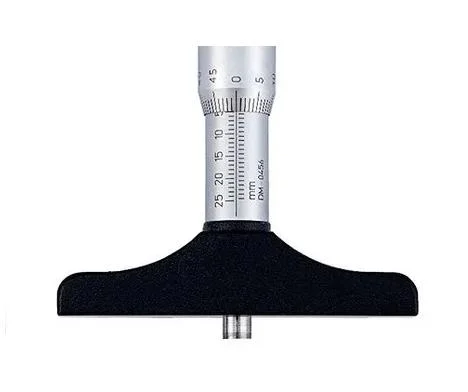
Depth Micrometers
Depth micrometers measure the depth of holes, slots, or recesses. They feature a long measuring rod to reach into various depths accurately.
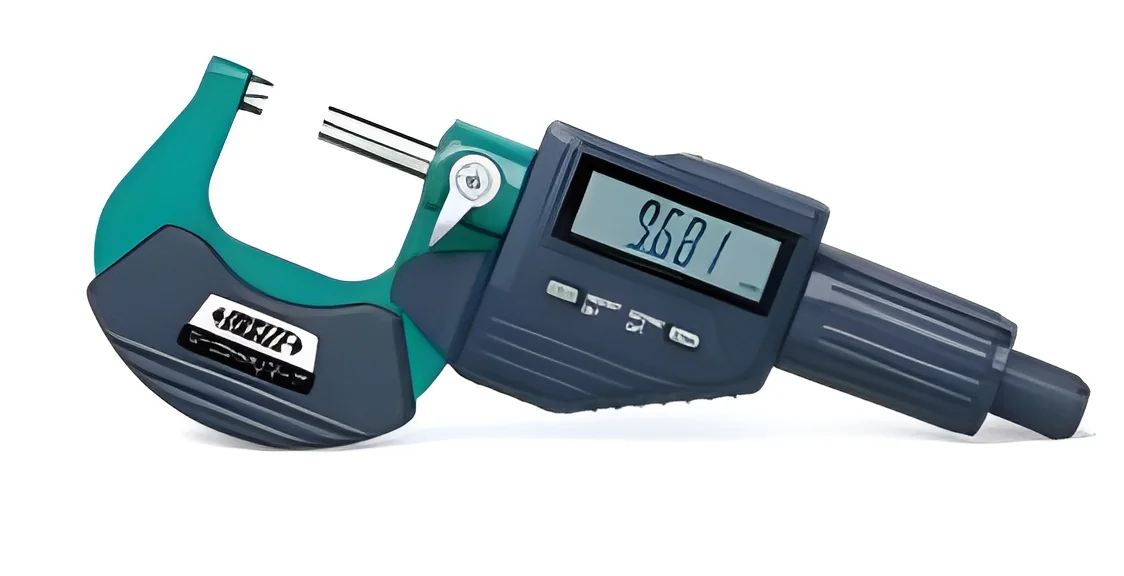
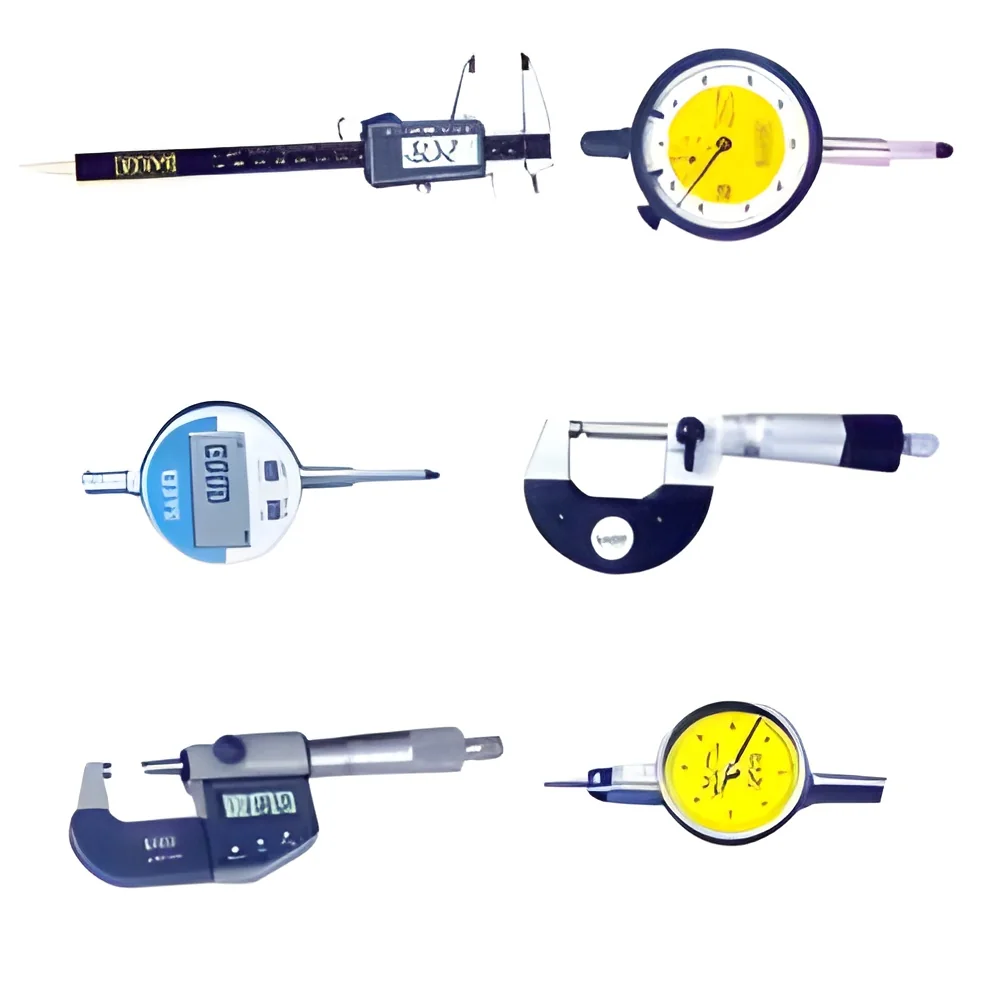
Digital Micrometers
Digital micrometers provide easy-to-read displays and often include features for data recording. They are favored in modern manufacturing environments for their convenience and precision.
Analog Micrometers
Analog micrometers utilize a traditional scale and a rotating thimble for measurement. They are preferred by some users for their simplicity and reliability.
Benefits and Advantages
Micrometers offer several key benefits that make them indispensable in precision measurement applications.
1. High Precision: Micrometers provide accurate measurements down to micrometer levels, ensuring high-quality standards in manufacturing.
2. Versatility: With various types available, micrometers can measure different dimensions, making them useful across multiple industries.
3. Robust Construction: Many micrometers are made from durable materials, ensuring longevity and reliable performance in tough environments.
4. Ease of Use: Digital micrometers, in particular, are designed for user-friendly operation, allowing for quick and straightforward measurements.
5. Calibration Capability: Micrometers can be calibrated to maintain accuracy, making them a dependable tool for quality control.
6. Cost-Effectiveness: Investing in a good micrometer can save costs in the long run by reducing errors and improving production efficiency.
Buying Guide for B2B Buyers
When sourcing micrometers, several factors should be considered to ensure the right choice for your business needs.
1. Quality Assessment: Look for micrometers that adhere to industry standards and quality certifications. Consider suppliers that provide detailed specifications and testing data.
2. Supplier Verification: Vet potential suppliers by checking their reputation, customer reviews, and certifications. A reliable supplier will offer consistent quality and support.
3. Pricing and MOQ: Evaluate pricing structures and minimum order quantities to find a balance between cost and the volume of tools needed for your operations.
4. Delivery and Lead Times: Assess the delivery options and lead times offered by suppliers. Timely delivery is critical for maintaining production schedules.
5. Compliance Requirements: Ensure that the micrometers meet any necessary regulatory and compliance standards relevant to your industry.
Compliance and Certifications
Compliance and certification are essential aspects of micrometers, ensuring that they meet industry standards and regulations.
Micrometers often adhere to quality standards such as ISO 9001, which ensures that the manufacturing process maintains high-quality control. Certifications like CE indicate that the product meets European safety, health, and environmental protection standards.
Safety and testing requirements are also crucial, particularly in industries such as medical and aerospace, where precision is critical. Manufacturers must perform rigorous testing to validate the accuracy and reliability of their micrometers.
Regional compliance considerations may vary, so it is essential for businesses to verify that their micrometers conform to local regulations and standards applicable to their specific industry.
Why Source Micrometers from Pepagora?
Pepagora provides a trusted platform for sourcing micrometers, offering several key advantages to B2B buyers.
Verified Supplier Network: Pepagora features a robust network of verified suppliers who meet strict quality standards. This network ensures that buyers can find reliable sources for high-quality micrometers.
Streamlined RFQ Process: The request for quotation process on Pepagora is straightforward, allowing buyers to quickly compare prices and specifications from multiple suppliers. This efficiency saves time and facilitates better decision-making.
Trade Assurance and Support: Buyers benefit from trade assurance programs that protect their purchases. Pepagora offers support to resolve any issues that may arise during the sourcing process.
Regional Coverage: With a strong presence in India, the Gulf Cooperation Council (GCC), and Southeast Asia, Pepagora ensures that buyers have access to a wide range of suppliers and products, catering to diverse market needs.
In conclusion, sourcing micrometers from Pepagora enables businesses to enhance their precision measurement capabilities while benefiting from a reliable and efficient procurement process.


 India
 India
 India

 India
 India
 India
 India

 India
 India
 India
Frequently Asked Questions
What are Micrometers?
Micrometers are precision measuring instruments used to measure small dimensions with high accuracy. They typically consist of a calibrated screw mechanism that allows for precise measurements in millimeters or inches.
What are the different types of Micrometers?
There are several types of micrometers, including outside micrometers, inside micrometers, depth micrometers, and blade micrometers. Each type is designed for specific measurement applications, such as measuring the thickness of materials or the inner dimensions of objects.
How do I choose the right Micrometers?
To choose the right micrometer, consider the measurement range, the precision required, and the specific application. It's also important to look for features such as digital readouts or non-slip grips that can enhance usability.
What are the standard specifications for Micrometers?
Standard specifications for micrometers include measurement range, resolution, accuracy, and the type of scale (analog or digital). Typical measurement ranges can vary from 0-25mm to larger sizes, with resolutions down to 0.001mm.
What is the price range for Micrometers?
The price range for micrometers can vary widely based on type and precision, typically starting from around INR 500 for basic models and going up to INR 10,000 or more for high-precision digital micrometers.
What quality standards apply to Micrometers?
Micrometers are generally manufactured according to international quality standards such as ISO 9001. It is important to select micrometers that have been calibrated and certified for accuracy to ensure reliable measurements.
Where can I find Micrometers suppliers in India?
You can find micrometers suppliers in India through online B2B marketplaces like Pepagora. Additionally, industry trade shows and local hardware stores may also provide listings of manufacturers and suppliers.
Can Micrometers be customized?
Yes, many manufacturers offer customization options for micrometers, allowing for specific features or branding. Customizations may include unique measurement ranges or specialized designs for particular applications.
What is the typical minimum order quantity for Micrometers?
The typical minimum order quantity (MOQ) for micrometers can vary by supplier, but it generally ranges from 10 to 50 units. It's advisable to check with specific manufacturers or suppliers for their MOQ policies.
What is the typical lead time for Micrometers?
The typical lead time for micrometers can range from 1 to 4 weeks, depending on the supplier and whether the micrometers are standard or customized. Always confirm with the supplier for the most accurate delivery timelines.
Why Businesses Trust Pepagora
Thousands of companies trust Pepagora to source smarter and sell faster
Expand Your Sales Globally

Source Smarter,Grow Faster
