
 IN
Measuring Tapes
3 products available
What are Measuring Tapes?
Measuring tapes are flexible tools used for measuring length or distance. They typically consist of a long, thin strip of metal or fabric marked with measurement units, such as inches and centimeters. The tape is wound inside a casing, allowing it to extend and retract easily. This portability and ease of use make measuring tapes essential for various applications in both professional and personal settings.
In the business world, measuring tapes play a crucial role in industries such as construction, manufacturing, and woodworking. They are commonly used for measuring dimensions of building materials, furniture, and other products. Accurate measurements are vital to ensure that components fit together properly and that projects adhere to specifications. The demand for precise measuring tools continues to grow as industries strive for efficiency and quality in their operations.
The market for measuring tapes is diverse, with numerous manufacturers and suppliers offering a range of products to meet varying needs. These tools are integral to the successful execution of many projects, making them highly relevant across multiple sectors.
Key Features and Specifications
Measuring tapes come with a variety of features and specifications that cater to different user needs. Understanding these specifications is essential for selecting the right product for specific applications.
Key specifications include:
1. Length
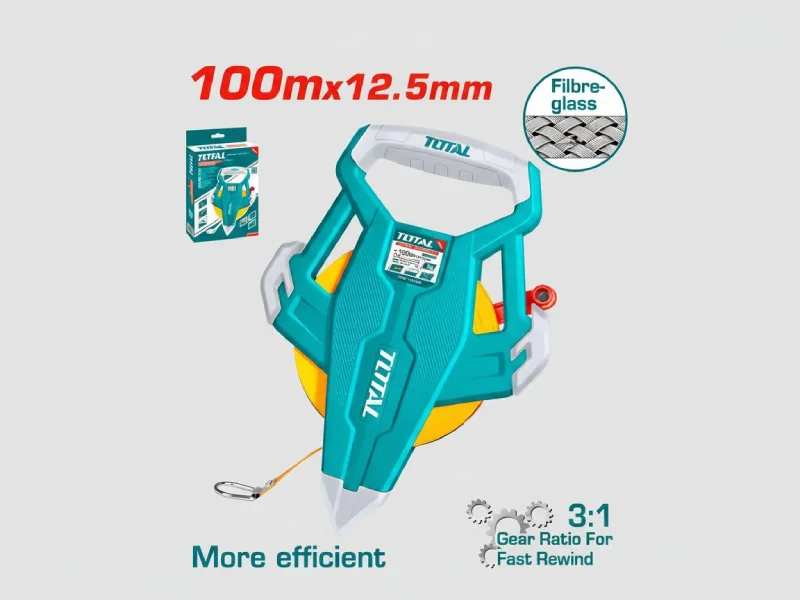
- Common lengths range from 10 feet to 100 feet.
- Longer tapes are often used in construction and surveying.
2. Width
- Tapes typically range from 1/2 inch to 1 inch in width.
- Wider tapes offer greater stability during measurement.
3. Material
- Tapes are made from materials like fiberglass, steel, or nylon-coated steel.
- Each material offers unique benefits in terms of durability and flexibility.
4. Measurement Units
- Most tapes feature both imperial and metric units.
- Dual measurements accommodate a wider range of users.
5. Locking Mechanism
- Many tapes include a locking feature to hold the tape in place.
- This ensures accuracy when taking measurements.
6. Case Type
- Cases can be made from plastic or metal.
- Metal cases are typically more durable for heavy-duty use.
7. Durability Rating
- Tapes are often rated for various levels of wear and tear.
- Higher ratings indicate greater resistance to damage.
8. Calibration Standards
- Tapes should meet industry calibration standards for accuracy.
- Regular calibration ensures precise measurements.
The combination of these specifications makes measuring tapes versatile tools that can be utilized in numerous fields.
Common Applications and Use Cases
Measuring tapes are utilized in a wide range of industries and applications. Their versatility makes them essential tools in various contexts.
1. Construction: Measuring tapes are crucial for taking accurate measurements of materials and spaces, ensuring that structures are built according to design specifications.
2. Manufacturing: In manufacturing settings, measuring tapes are used to verify dimensions of components and products, facilitating quality control and compliance.
3. Carpentry: Carpenters rely on measuring tapes to measure wood lengths and widths, ensuring precise cuts and fittings in furniture or cabinetry projects.
4. Interior Design: Designers use measuring tapes to assess room dimensions and layout, helping to create functional and aesthetically pleasing spaces.
5. Landscaping: Landscape professionals utilize measuring tapes to plan and execute garden designs, ensuring proper spacing and dimensions for plants and features.
6. Automotive: Measuring tapes are used in automotive repair and customization to ensure precise fitting of parts and accessories.
7. Retail: Retailers use measuring tapes to measure products for display and ensure they fit appropriately on shelves or in showcases.
Product Variants and Subcategories
Measuring tapes are available in various types and configurations, catering to different user needs and preferences.
Standard Measuring Tape
This is the most common type, featuring a retractable tape housed in a durable case. It is suitable for general use in construction, carpentry, and home improvement projects.
Digital Measuring Tape
These tapes come with electronic displays that provide precise measurements. They are ideal for users who require quick readings and advanced features like area and volume calculations.
Pocket Measuring Tape
Compact and lightweight, these tapes are designed for portability. They are perfect for professionals on the go, such as architects and interior designers.
Self-locking Measuring Tape
This variant includes a mechanism that automatically locks the tape in place when extended. It is beneficial for users needing stable and accurate measurements without assistance.
Benefits and Advantages
Choosing the right measuring tape can provide several advantages for businesses and professionals.
1. Accuracy: Measuring tapes offer precise measurements, which are essential for quality control in various applications.
2. Portability: Their lightweight and retractable design makes measuring tapes easy to transport, enabling users to take measurements anywhere.
3. Versatility: With various lengths and materials available, measuring tapes can be used in multiple industries and applications.
4. Durability: Many measuring tapes are designed to withstand wear and tear, providing long-lasting performance even in demanding environments.
5. Ease of Use: The user-friendly design allows for quick and straightforward measurements, saving time and improving efficiency.
6. Cost-Effectiveness: Measuring tapes provide an affordable solution for accurate measurement needs, making them accessible for businesses of all sizes.
Buying Guide for B2B Buyers
When sourcing measuring tapes, it is essential to consider several factors to ensure the best purchasing decision.
1. Quality Assessment: Evaluate the quality of measuring tapes by looking for industry standards and user reviews. High-quality materials and construction contribute to durability and accuracy.
2. Supplier Verification: Vet potential suppliers by checking their credentials and reputation in the market. Reliable suppliers typically have a track record of delivering quality products.
3. Pricing and MOQ: Understand the pricing structure and minimum order quantities (MOQ) that suppliers offer. This information is crucial for budgeting and inventory management.
4. Delivery and Lead Times: Discuss logistics with suppliers, including delivery schedules and lead times. Timely delivery is essential for maintaining project timelines.
5. Compliance Requirements: Ensure that the measuring tapes meet relevant compliance and regulatory standards. This includes safety certifications and quality assurance processes.
Compliance and Certifications
Measuring tapes must adhere to specific quality standards to ensure their reliability and safety in various applications. Relevant quality standards include ISO 9001, which focuses on quality management systems, and CE certification, indicating compliance with European safety regulations.
Safety and testing requirements are critical in ensuring that measuring tapes function correctly and do not pose hazards to users. Regular testing for accuracy and durability helps maintain high standards in the industry.
Regional compliance considerations may vary, and it is important to be aware of local regulations that apply to measuring tools in different markets. Businesses should ensure that their suppliers comply with these standards to avoid issues related to product quality and safety.
Why Source Measuring Tapes from Pepagora?
Pepagora offers a reliable platform for sourcing measuring tapes with several key advantages that benefit B2B buyers.
Verified Supplier Network: Pepagora connects buyers with a network of verified suppliers, ensuring that all listed products meet high-quality standards. This reduces the risk associated with sourcing from unknown vendors.
Streamlined RFQ Process: The quotation system on Pepagora simplifies the procurement process. Buyers can request quotes from multiple suppliers and compare offers, enabling informed decision-making.
Trade Assurance and Support: Pepagora provides buyer protection through trade assurance, ensuring that transactions are secure. The platform also offers support to help navigate any issues that may arise during the purchasing process.
Regional Coverage: With a strong presence in India, the GCC, and Southeast Asia, Pepagora offers extensive regional coverage, making it easier for businesses to find local suppliers who understand market needs.
By choosing Pepagora as a sourcing partner, businesses can access a wide range of measuring tapes while benefiting from a secure and efficient procurement process.

 India

 India
Frequently Asked Questions
What are Measuring Tapes?
Measuring tapes are flexible tools used for measuring distance or length. They are commonly made of a long, thin strip of metal or plastic, marked with measurements, and can be rolled up for easy storage.
What are the different types of Measuring Tapes?
There are several types of measuring tapes, including steel tapes, cloth tapes, fiberglass tapes, and digital measuring tapes. Each type is suited for different applications, such as construction, sewing, or precision measurement.
How do I choose the right Measuring Tapes?
To choose the right measuring tape, consider the length you need, the level of precision required, and the environment in which it will be used. Additionally, evaluate the material and durability of the tape to ensure it meets your specific needs.
What are the standard specifications for Measuring Tapes?
Standard specifications for measuring tapes typically include length, width, and measurement units (imperial or metric). Additionally, features such as lock mechanisms, blade thickness, and material type may also be specified.
What is the price range for Measuring Tapes?
The price range for measuring tapes can vary significantly based on type, material, and brand. Generally, prices can start from around INR 100 and may go up to INR 2000 or more for specialized or high-quality options.
What quality standards apply to Measuring Tapes?
Measuring tapes are often manufactured to meet specific quality standards, such as those set by the International Organization for Standardization (ISO) or Bureau of Indian Standards (BIS). These standards ensure accuracy, durability, and safety in usage.
Where can I find Measuring Tapes suppliers in India?
You can find measuring tape suppliers in India through various online marketplaces like Pepagora.com, trade directories, and local hardware stores. Additionally, attending trade shows and exhibitions can connect you with manufacturers and suppliers.
Can Measuring Tapes be customized?
Yes, measuring tapes can be customized to include specific lengths, branding, or additional features such as markings for particular measurements. Customization options depend on the supplier and may involve minimum order quantities.
What is the typical minimum order quantity for Measuring Tapes?
The typical minimum order quantity (MOQ) for measuring tapes can vary by supplier but usually ranges from 50 to 100 units. It's advisable to check with the specific manufacturer or supplier for their MOQ policies.
What is the typical lead time for Measuring Tapes?
The typical lead time for measuring tapes can range from 2 to 4 weeks, depending on the supplier's stock availability and whether customization is required. Always confirm the lead time before placing an order.
Why Businesses Trust Pepagora
Thousands of companies trust Pepagora to source smarter and sell faster
Expand Your Sales Globally

Source Smarter,Grow Faster
