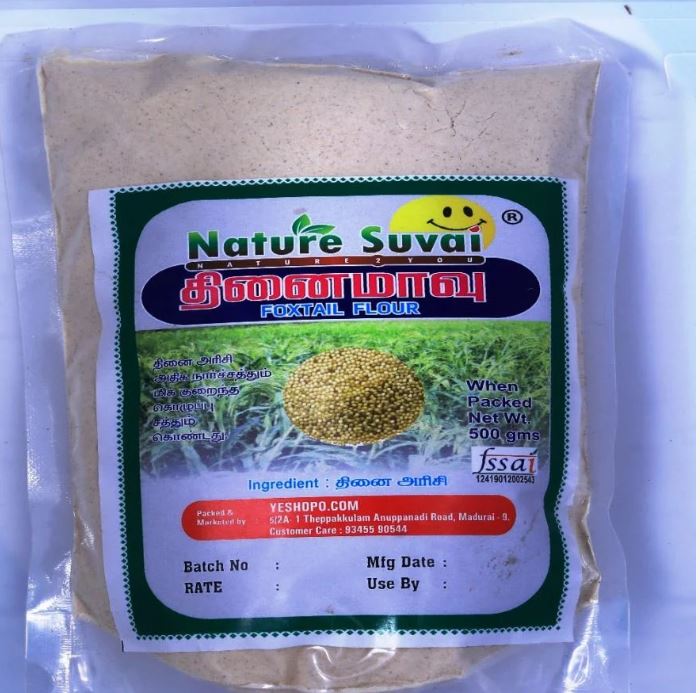
What are Gluten-Free Flours?
Gluten-Free Flours are specialized flours made from grains and legumes that do not contain gluten, a protein found in wheat, barley, and rye. These flours are essential for individuals with celiac disease or gluten sensitivity, providing them with alternatives to traditional flours. Gluten-Free Flours can be derived from a variety of sources, including rice, almond, coconut, and chickpeas, among others. Each type of flour has unique properties that can affect taste, texture, and nutritional content in various recipes.
In business applications, Gluten-Free Flours are increasingly used in the food industry, particularly in baking and cooking. This includes products like bread, pastries, snacks, and sauces that cater to the growing demand for gluten-free diets. As more consumers seek gluten-free options, manufacturers are expanding their product lines to include these flours, making them a vital component in the food supply chain. The relevance of Gluten-Free Flours in the market is evident, as the gluten-free food sector continues to grow rapidly, driven by health trends and dietary preferences.
Key Features and Specifications
Gluten-Free Flours come with a variety of features and specifications that cater to different industrial needs. Understanding these specifications is crucial for businesses seeking to integrate these flours into their products effectively.
Key specifications include:
1. Grain Source
- Flours can be derived from rice, almond, tapioca, or coconut.
- Each source has its own taste and nutritional profile.
2. Protein Content
- Varies significantly among different types of flours.
- Important for balancing recipes and achieving desired textures.
3. Moisture Content
- Typically ranges from 10% to 14%.
- Affects shelf life and storage conditions.
4. Particle Size
- Can be fine, medium, or coarse.
- Influences the texture of baked goods.
5. Binding Properties
- Different flours have varying levels of binding ability.
- Affects the structural integrity of gluten-free products.
6. Nutritional Profile
- Diverse profiles including fiber, vitamins, and minerals.
- Important for health-conscious consumers.
7. Allergen Information
- Free from gluten, but may contain other allergens like nuts.
- Critical for labeling and consumer safety.
8. Shelf Stability
- Generally stable but may require specific storage conditions.
- Impacts inventory management for businesses.
In summary, understanding these features and specifications can assist businesses in making informed decisions when sourcing Gluten-Free Flours.
Common Applications and Use Cases
Gluten-Free Flours are versatile and find applications across various industries due to their unique properties.
1. Food Manufacturing: Used to produce gluten-free breads, pastries, and snacks, catering to health-conscious consumers.
2. Restaurants: Many eateries now offer gluten-free menu options, utilizing these flours to create dishes that meet dietary restrictions.
3. Health and Wellness Products: Used in protein bars and nutritional supplements, targeting fitness enthusiasts and individuals with dietary needs.
4. Baking Mixes: Commonly found in pre-packaged baking mixes for cakes, cookies, and pancakes that are gluten-free.
5. Sauces and Thickeners: Employed in gluten-free sauces and gravies, enhancing texture without gluten.
6. Specialty Diets: Used in products designed for specific dietary needs, such as paleo or vegan diets.
7. Retail Products: Available in grocery stores, ensuring consumers have easy access to gluten-free baking supplies.
Product Variants and Subcategories
Gluten-Free Flours come in various types, each offering unique features and applications that cater to specific needs in the market.
Rice Flour: Made from finely milled rice and is a common substitute in many recipes. It has a mild flavor and is often used in gluten-free baking and Asian cuisines.
Almond Flour: Ground from whole almonds, this flour is high in protein and healthy fats. It is ideal for baking and adds a rich flavor to recipes, especially in low-carb diets.
Coconut Flour: Derived from the meat of coconuts, this flour is very absorbent and requires adjustments in liquid ratios when used in recipes. It is popular in paleo and gluten-free baking.
Chickpea Flour: Made from ground chickpeas, this flour is high in protein and fiber. It is often used in savory dishes and as a binding agent in gluten-free recipes.
Sorghum Flour: A nutritious option that provides a mild flavor, sorghum flour is often blended with other gluten-free flours to create a balanced texture in baked goods.
Benefits and Advantages
Gluten-Free Flours offer several advantages for both manufacturers and consumers.
1. Health Benefits: They cater to individuals with gluten sensitivities, providing safe options for baking and cooking.
2. Nutritional Variety: These flours offer diverse nutritional profiles, including higher fiber and protein content compared to traditional wheat flour.
3. Versatility: Gluten-Free Flours can be used in a wide range of recipes, from baked goods to sauces.
4. Market Demand: The growing trend towards gluten-free diets presents opportunities for businesses to expand their product offerings.
5. Customization: Many Gluten-Free Flours can be blended to achieve desired textures and flavors, allowing for creative culinary applications.
6. Allergen Awareness: These flours allow businesses to cater to a broader audience, including those with specific dietary restrictions.
Buying Guide for B2B Buyers
When sourcing Gluten-Free Flours, businesses should consider several key factors to ensure their needs are met effectively.
1. Quality Assessment: Look for flours that meet industry standards for gluten-free products. Consider factors like moisture content and protein levels to ensure quality.
2. Supplier Verification: Vet suppliers to ensure they have a reliable track record and adhere to quality standards. This helps mitigate risks associated with product quality.
3. Pricing and MOQ: Understand the pricing structure and minimum order quantities (MOQ) offered by suppliers to align with budget and inventory needs.
4. Delivery and Lead Times: Evaluate suppliers based on their delivery capabilities and lead times to ensure timely access to products.
5. Compliance Requirements: Be aware of any regulatory requirements specific to gluten-free products in your region to ensure compliance and safety.
Compliance and Certifications
Gluten-Free Flours are subject to various quality standards and certifications that ensure their safety and suitability for consumption. Key certifications include CE, which denotes that products meet EU health and safety standards.
Quality standards like ISO 9001 and HACCP are also relevant, as they ensure that manufacturing processes are well-documented and controlled. These standards help maintain product quality throughout the supply chain.
Safety and testing requirements are paramount. Regular testing for gluten content and other allergens is essential to guarantee product safety for consumers. Additionally, businesses must consider regional compliance, as regulations can vary significantly between markets.
Why Source Gluten-Free Flours from Pepagora?
Pepagora provides a trusted platform for sourcing Gluten-Free Flours with several key advantages that benefit businesses.
Verified Supplier Network: Pepagora ensures that all suppliers on its platform are thoroughly vetted to guarantee product quality and reliability. This reduces the risk for buyers and builds trust in the sourcing process.
Streamlined RFQ Process: The Request for Quotation (RFQ) system simplifies the procurement process, allowing buyers to easily obtain competitive quotes from multiple suppliers in one place.
Trade Assurance and Support: Pepagora offers trade assurance to protect buyers, ensuring that they receive the products they expect in terms of quality and delivery.
Regional Coverage: With a strong presence in markets like India, GCC, and Southeast Asia, Pepagora helps businesses connect with local suppliers, enhancing accessibility and reducing shipping times.
This combination of features makes Pepagora an ideal choice for sourcing Gluten-Free Flours effectively and efficiently.

 IN
IN