What are Line Array Speakers?
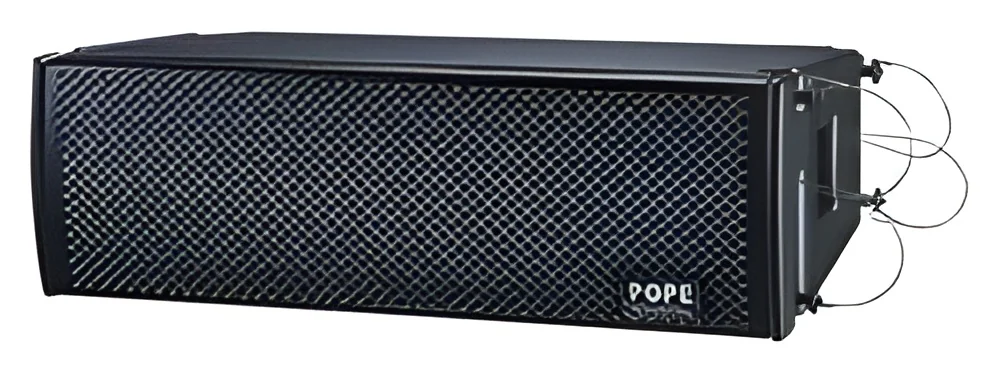
Line array speakers are a type of loudspeaker system designed to project sound over long distances with minimal distortion and consistent sound quality. They consist of multiple speaker drivers arranged in a vertical line, allowing for controlled sound dispersion. This design helps to achieve a more uniform sound field across a large area, making them ideal for both indoor and outdoor applications.
These speakers are widely used in various business sectors, including live sound reinforcement, concerts, corporate events, and public address systems. Their ability to deliver high-quality audio in large venues has made them a preferred choice for event organizers and audio engineers. As the demand for high-performance audio solutions continues to grow, line array speakers have become an essential component in the industry, offering versatility and reliability.
Key Features and Specifications
Line array speakers are characterized by several key features that enhance their performance and usability. Understanding these specifications can help businesses make informed purchasing decisions.
Key specifications include:
1. Frequency Response
- The range of frequencies the speaker can reproduce, typically measured in Hertz (Hz).
- Common ranges are from 40 Hz to 20 kHz.
2. Maximum SPL (Sound Pressure Level)
- The highest sound level a speaker can produce without distortion, measured in decibels (dB).
- Standard maximum SPL levels can reach up to 130 dB.
3. Coverage Pattern
- The angle at which sound is projected horizontally and vertically.
- Typically ranges from 90 degrees to 120 degrees.
4. Impedance
- The resistance to electrical current, typically measured in ohms.
- Common impedances are 4, 8, or 16 ohms.
5. Power Handling
- The maximum amount of power the speaker can handle, measured in watts (W).
- This can range from 200 W to 2000 W.
6. Weight
- The overall weight of the speaker, which affects transportation and setup.
- Weights can vary from 20 kg to over 50 kg.
7. Component Configuration
- The number and type of drivers used in the array.
- Typical configurations include woofers, midrange drivers, and tweeters.
8. Connectivity Options
- Types of input connections available, such as XLR, TRS, or speakON.
- This ensures compatibility with various audio equipment.
In summary, understanding these specifications helps businesses select the right line array speakers to meet their audio performance needs.
Common Applications and Use Cases
Line array speakers find application across multiple industries due to their superior sound delivery capabilities.
1. Concerts and Live Events: They are widely used in music festivals and concert venues to ensure clear sound reaches all audience members, regardless of their location.
2. Corporate Events: Companies utilize line array speakers for conferences, presentations, and seminars to deliver speeches and multimedia content effectively.
3. Houses of Worship: Many places of worship employ these speakers to enhance audio clarity for sermons and musical performances.
4. Sports Arenas: Line array systems are installed in stadiums to provide announcements and entertainment sound, offering consistent coverage.
5. Theatrical Productions: Theaters use line array speakers to ensure dialogue and music are distributed evenly across the seating area.
6. Nightclubs and Bars: These speakers are favored in nightlife venues for their ability to handle high sound levels without distortion.
7. Outdoor Events: Line array speakers are often used for outdoor concerts and festivals where distance and sound quality are critical.
Product Variants and Subcategories
Line array speakers come in various designs to cater to different needs and environments. Each variant offers unique features suited for specific applications.
Compact Line Array Speakers: These speakers are smaller and lighter, making them ideal for portable use in smaller venues or events. They provide excellent sound quality while being easy to transport.
Full-Size Line Array Speakers: Designed for larger venues, these speakers deliver higher power and sound levels. They are commonly used in concert settings and large-scale events.
Active Line Array Speakers: These come with built-in amplifiers, simplifying setup and reducing the need for external equipment. They are suitable for mobile applications and quick setups.
Passive Line Array Speakers: Relying on external amplifiers, these speakers often provide more customization options for sound engineers. They are frequently used in permanent installations.
Benefits and Advantages
Choosing line array speakers offers several significant benefits for businesses.
1. Superior Sound Quality: These speakers deliver clear and consistent audio across large areas, enhancing the listening experience.
2. Versatile Applications: Line array speakers can be utilized in various settings, from concerts to corporate events, making them a flexible investment.
3. Scalability: They can be easily scaled up or down depending on the size of the venue, allowing for customization based on specific requirements.
4. Reduced Feedback: Their design minimizes sound feedback, which is crucial in live sound situations.
5. Efficient Sound Distribution: Line array systems ensure sound reaches every corner of the venue, reducing dead spots and improving overall audio performance.
6. Durable Construction: Many line array speakers are built to withstand the rigors of travel and outdoor conditions, ensuring longevity and reliability.
Buying Guide for B2B Buyers
When sourcing line array speakers, B2B buyers should consider several factors to ensure they make the right choice.
1. Quality Assessment: Look for speakers from reputable manufacturers that meet industry standards. Check for reviews and user feedback to gauge performance.
2. Supplier Verification: It is crucial to vet suppliers to ensure reliability and the quality of products. Verify their certifications and experience in the industry.
3. Pricing and MOQ: Understand the pricing structure and minimum order quantities (MOQ) to manage budget expectations. Compare different suppliers to find competitive pricing.
4. Delivery and Lead Times: Consider the logistics involved in purchasing line array speakers. Ensure the supplier can meet your delivery timelines.
5. Compliance Requirements: Verify that the speakers comply with relevant regulations and standards, such as CE certification, to ensure safety and reliability.
Compliance and Certifications
Line array speakers must adhere to various quality standards and certifications to ensure safety and performance.
ISO 9001: This standard ensures that manufacturers follow a quality management system, which helps maintain consistent quality in products.
CE Certification: Line array speakers sold in Europe must have CE marking, indicating that they meet health, safety, and environmental protection standards.
Safety and Testing Requirements: Manufacturers should conduct rigorous testing to ensure products comply with safety standards, which may include electrical safety and performance testing.
Regional Compliance Considerations: Depending on the market, different regions may have specific compliance requirements. It is essential to understand these to avoid regulatory issues.
Why Source Line Array Speakers from Pepagora?
Pepagora provides a trusted platform for sourcing line array speakers with several key advantages.
Verified Supplier Network: Pepagora connects buyers with a network of verified suppliers. This adds a layer of security in supplier selection, ensuring quality and reliability.
Streamlined RFQ Process: The platform simplifies the request for quotation process, allowing buyers to receive and compare multiple quotes efficiently. This makes it easier to find the best deals.
Trade Assurance and Support: Pepagora offers buyer protection through trade assurance, ensuring that transactions are secure and disputes are handled effectively.
Regional Coverage: With a reach across India, the GCC, and Southeast Asia, Pepagora facilitates access to suppliers in various regions, providing options for local and international buyers.

 IN
IN


 India
India