What are Wireless Microphones?
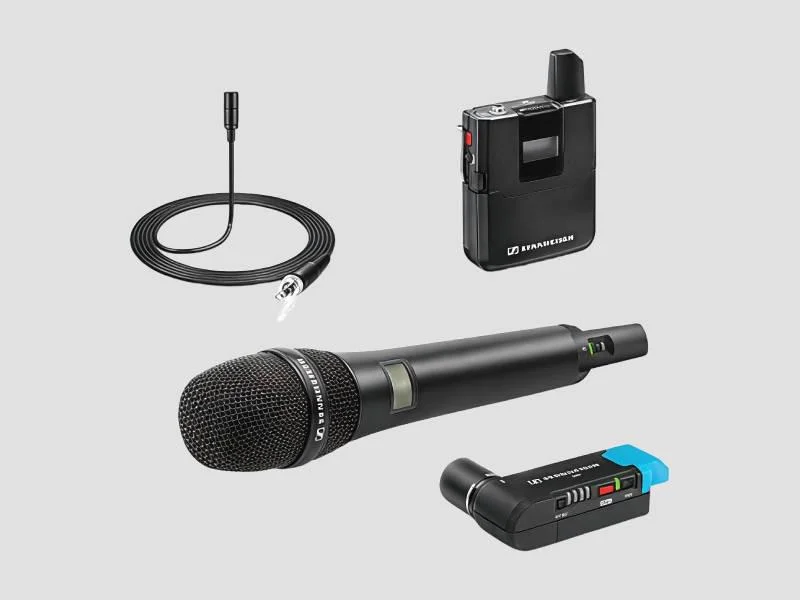
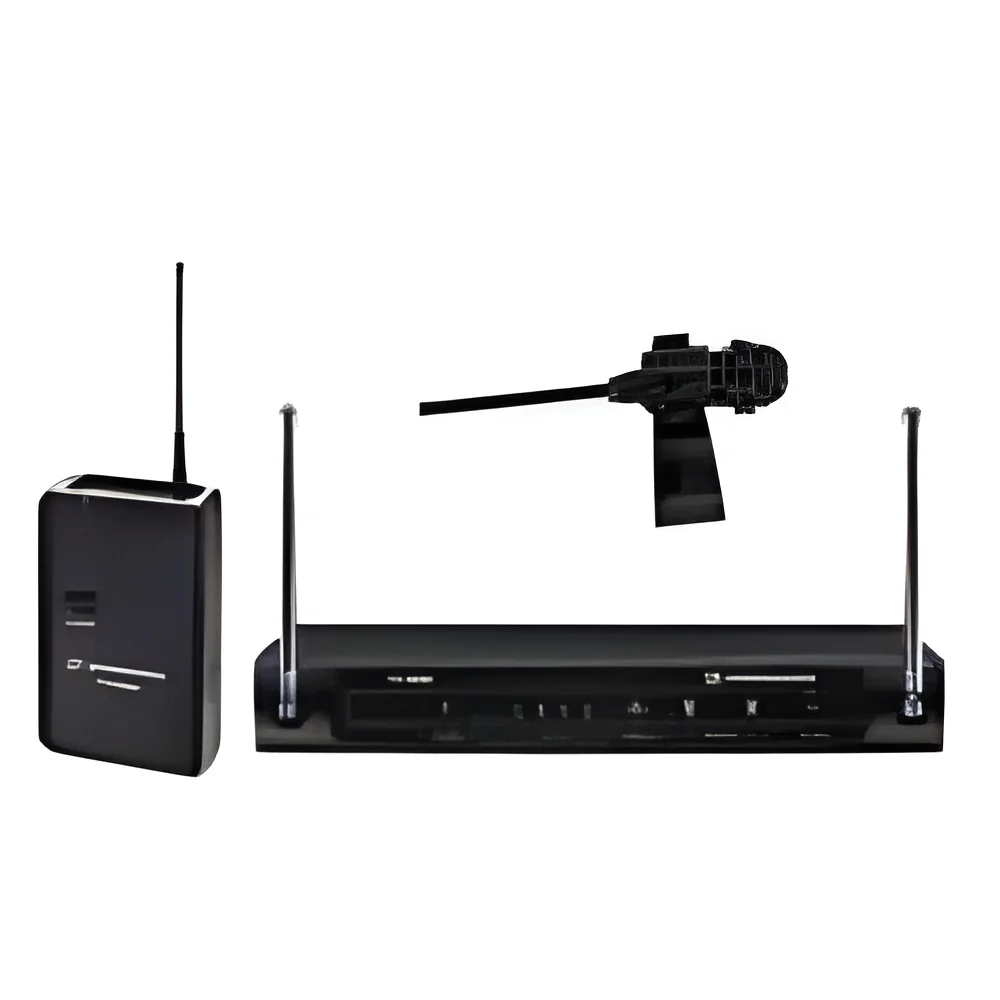
Wireless microphones are devices that transmit audio signals without the need for physical cables, allowing for greater mobility and flexibility in various settings. They consist of a transmitter that captures audio from the speaker and a receiver that picks up the transmitted signal, converting it back into sound. This technology has evolved significantly over the years, offering improved sound quality, range, and reliability.
These microphones are primarily used in environments where mobility is essential, such as live performances, presentations, broadcasting, and video production. They enable speakers, performers, and presenters to move freely while maintaining high-quality audio transmission. In the business context, wireless microphones are invaluable for conferences, training sessions, and corporate events, enhancing communication and engagement. As the demand for high-quality audio solutions continues to grow, wireless microphones are becoming increasingly relevant in various industries, including entertainment, education, and corporate sectors.
Key Features and Specifications
Wireless microphones come equipped with several features that enhance their usability and performance. Understanding these specifications is crucial for selecting the right microphone for specific applications.
Key specifications include:
1. Frequency Range
- This specification indicates the range of frequencies that the microphone can transmit. Typical ranges are between 500 MHz to 900 MHz.
2. Battery Life
- The operational time before needing a battery replacement. High-quality models often provide 8 to 12 hours of continuous use.
3. Signal Range
- The maximum distance between the transmitter and receiver while maintaining audio quality. This can vary from 100 feet to over 300 feet depending on the model.
4. Audio Quality
- Measured in terms of signal-to-noise ratio (SNR) and total harmonic distortion (THD). A higher SNR indicates clearer audio.
5. Microphone Type
- Options typically include handheld, lavalier, and headset microphones, each suited for different applications.
6. Modulation Type
- Different modulation methods like FM or digital signal processing can impact sound quality and interference levels.
7. Receiver Type
- Receivers can be standalone or integrated into audio mixing equipment, affecting the overall setup and flexibility.
8. Compatibility
- Ensures that the microphone can work with various audio systems and devices, often specified in the product details.
In summary, when selecting wireless microphones, understanding these key specifications helps buyers make informed decisions tailored to their specific needs.
Common Applications and Use Cases
Wireless microphones are versatile tools used across various industries and applications.
1. Entertainment: In concerts and theater productions, wireless microphones allow performers to move freely without being tethered to equipment, providing a more dynamic show.
2. Corporate Events: During conferences and seminars, presenters utilize wireless microphones to engage audiences effectively while allowing for movement across the stage.
3. Education: In classrooms and lecture halls, teachers and lecturers benefit from wireless microphones to enhance clarity and reach students in larger spaces.
4. Broadcasting: News anchors and reporters use wireless microphones to deliver live reports from various locations, ensuring professional audio quality.
5. Fitness: In fitness classes or personal training sessions, trainers use wireless microphones to communicate effectively with participants while demonstrating exercises.
6. Houses of Worship: Many churches and religious organizations use wireless microphones for sermons and events, providing clear audio to congregations.
7. Public Speaking: At public events, speakers rely on wireless microphones to ensure their message is heard clearly by large audiences.
Product Variants and Subcategories
Wireless microphones come in various forms to suit different needs and applications.
Handheld Microphones: These are portable and easy to use, making them ideal for performers and speakers who prefer a versatile option. They often provide excellent sound quality and are suitable for both indoor and outdoor events.
Lavalier Microphones: Also known as lapel microphones, these small, clip-on devices are perfect for interviews and presentations. They allow for hands-free use while providing discreet audio capture.
Headset Microphones: Designed for performers, presenters, or fitness instructors, headset microphones offer freedom of movement alongside reliable sound quality. They are particularly useful in active environments.
Benefits and Advantages
Wireless microphones offer numerous benefits that enhance user experience and audio quality.
1. Mobility: Users can move freely without being restricted by cables, allowing for dynamic presentations and performances.
2. Ease of Use: Wireless microphones are generally quick to set up and operate, making them ideal for both professionals and novices.
3. Sound Quality: High-quality wireless microphones can deliver clear and crisp audio, essential for effective communication.
4. Versatility: They can be used in various settings, from corporate meetings to live shows, adapting to different audio needs.
5. Reduced Clutter: The absence of wires minimizes tripping hazards and visual clutter, creating a more professional environment.
6. Multiple Use Cases: They can be employed in various industries including entertainment, education, and corporate sectors, making them a valuable asset.
Buying Guide for B2B Buyers
When sourcing wireless microphones, several factors should be taken into account to ensure the right choice.
1. Quality Assessment: Look for microphones that meet industry standards for audio quality. Consider features like frequency response and signal-to-noise ratio to evaluate performance.
2. Supplier Verification: Vet potential suppliers thoroughly. Check for previous client reviews, certifications, and product guarantees to ensure reliability.
3. Pricing and MOQ: Understand the pricing structure and minimum order quantities. Compare costs across suppliers to find the best value without compromising quality.
4. Delivery and Lead Times: Establish clear expectations regarding shipping times and logistics. Delays can impact event planning, so timely delivery is crucial.
5. Compliance Requirements: Ensure that the products comply with local regulations and industry standards. This includes checking for necessary certifications like CE to guarantee safety and quality.
Compliance and Certifications
Wireless microphones must adhere to several compliance standards to ensure quality and safety in their operation. Relevant quality standards include ISO 9001, which focuses on quality management systems, and HACCP for ensuring safe audio electronics in environments like food production.
Industry certifications play a crucial role in establishing trust. The CE mark indicates that the product meets European safety and environmental protection standards. This certification is particularly important for businesses operating within the European market.
Additionally, safety and testing requirements are critical. This includes evaluations for electromagnetic compatibility and radio frequency interference, ensuring that wireless microphones operate effectively without disrupting other devices.
Regional compliance considerations vary by location. Manufacturers should be aware of local laws governing wireless transmission to avoid penalties and ensure smooth operation.
Why Source Wireless Microphones from Pepagora?
Pepagora provides a trusted platform for sourcing wireless microphones, offering numerous advantages to buyers.
Verified Supplier Network: Pepagora has a robust network of verified suppliers, ensuring that buyers have access to high-quality products from reputable sources. This verification process helps mitigate risks associated with procurement.
Streamlined RFQ Process: The platform simplifies the request for quotation process, allowing buyers to obtain competitive prices and options quickly. This efficiency saves time and reduces the complexity of sourcing.
Trade Assurance and Support: Pepagora offers trade assurance, protecting buyers from potential disputes and ensuring that transactions are secure. This level of support fosters confidence in the purchasing process.
Regional Coverage: With a geographic reach that includes India, the GCC, and Southeast Asia, Pepagora connects buyers with suppliers across these regions, facilitating easier access to wireless microphone products tailored to local markets.

 IN
IN