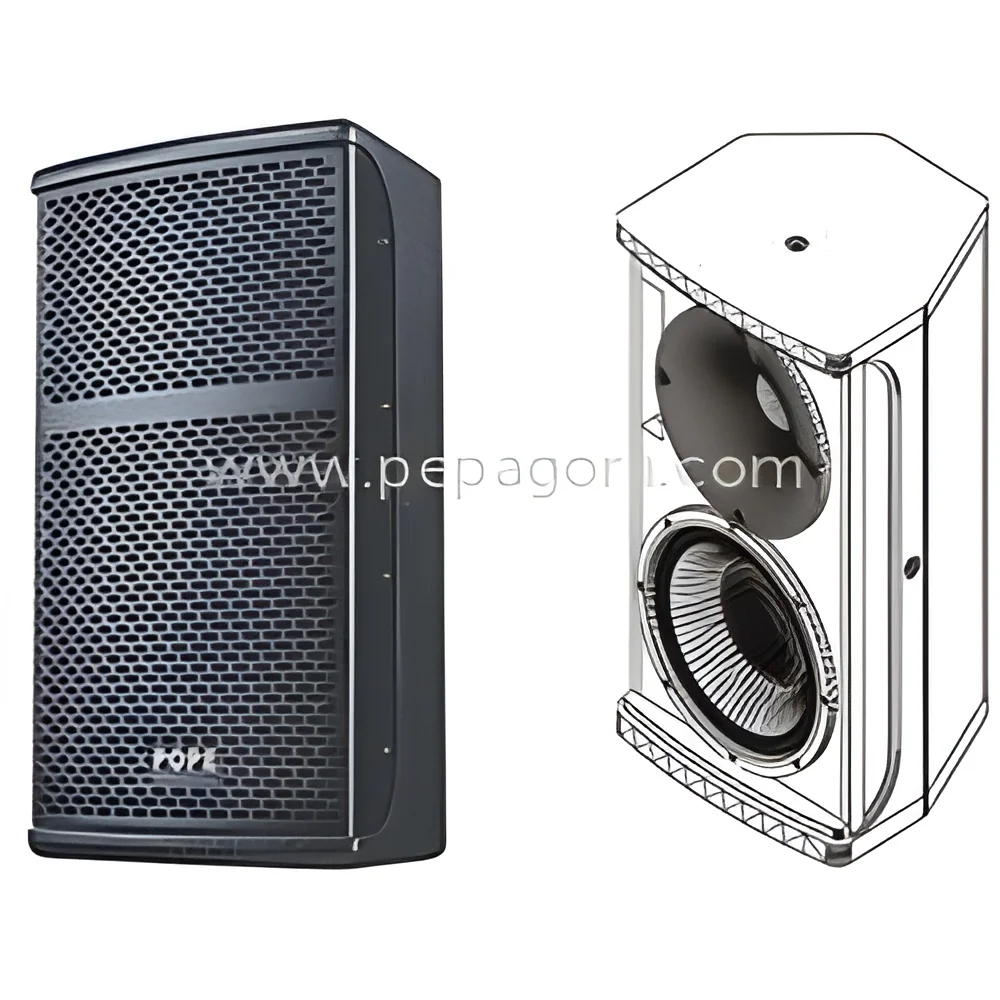
What are Portable Sound Systems?
Portable sound systems are compact audio setups designed for easy transportation and quick deployment. They typically include components such as speakers, microphones, and amplifiers, allowing users to create high-quality sound in various environments. These systems are engineered for versatility and ease of use, making them ideal for both indoor and outdoor events.
The primary applications of portable sound systems span a variety of business needs. They are widely used in corporate events, conferences, weddings, and entertainment venues. Their mobility allows businesses to easily adapt to different settings, ensuring that audio quality remains consistent regardless of location. As events move outdoors or to different venues, the demand for portable sound systems continues to grow, making them a staple in the event management and entertainment industries.
In today’s competitive market, the relevance of portable sound systems is evident. As businesses increasingly prioritize customer experience, high-quality audio becomes crucial in creating engaging environments. The ability to set up quickly and effectively in diverse locations has solidified the market presence of portable sound systems, catering to an expanding range of industries and applications.
Key Features and Specifications
Portable sound systems come equipped with a variety of features designed to enhance usability and sound quality. Understanding these key specifications can help businesses select the right system for their needs.
Key specifications include:
1. Power Output
- Measured in watts, this specification indicates the maximum sound output of the system.
- Common ranges are between 20 to 200 watts, depending on the system size and design.
2. Battery Life
- Crucial for outdoor use, this specification details how long the system can operate on battery power.
- Typical battery life can range from 4 to 12 hours.
3. Connectivity Options
- This includes Bluetooth, USB, and auxiliary inputs for connecting various devices.
- Systems may offer multiple connectivity options to accommodate different setups.
4. Weight and Portability
- Lightweight designs enhance mobility, making it easier to transport and set up.
- Models can weigh anywhere from 5 to 30 pounds, depending on their components.
5. Speaker Configuration
- Refers to the number and type of speakers included.
- Common configurations feature one to four speakers for balanced sound.
6. Frequency Response
- Indicates the range of sound frequencies the system can reproduce.
- Typical ranges are from 20 Hz to 20 kHz.
7. Build Quality
- Durable materials ensure longevity and reliability, particularly for outdoor use.
- Many systems include weather-resistant features.
8. Integrated Effects
- Some systems offer built-in effects like echo or reverb to enhance sound quality.
- These features can add creative elements to live performances.
In summary, portable sound systems are characterized by their versatility, power, and range of features, making them suitable for various applications in multiple industries.
Common Applications and Use Cases
Portable sound systems are adaptable, serving numerous industries and applications effectively.
1. Event Management: These systems are essential for weddings, corporate events, and festivals, providing reliable sound for speeches, music, and announcements.
2. Education: Schools and universities use portable sound systems for outdoor activities, sports events, and classroom presentations, ensuring clear communication.
3. Entertainment: Musicians and performers rely on these systems for gigs in various venues, from street performances to small concerts.
4. Fitness: Gyms and fitness instructors utilize portable sound systems for classes and outdoor training sessions, enhancing the experience for participants.
5. Outdoor Activities: Community events and public gatherings benefit from portable sound systems, allowing organizers to reach larger audiences effectively.
6. Houses of Worship: Churches and religious organizations use these systems for services and outreach activities, ensuring clear audio for congregants.
7. Marketing Events: Companies use portable sound systems for product launches and promotions, creating an engaging atmosphere for potential customers.
Product Variants and Subcategories
Portable sound systems come in various configurations to meet specific needs and preferences.
Compact Systems: These systems are smaller and lighter, designed for easy portability. They often include built-in batteries and Bluetooth connectivity, making them perfect for personal use or small gatherings.
Professional Systems: These systems offer higher power output and advanced features for larger events. They may include multiple speakers, mixers, and professional-grade microphones, catering to the demands of live performances and events.
All-in-One Systems: Combining speakers, amplifiers, and mixers, these systems provide a complete sound solution in a single unit. They are user-friendly and ideal for event planners who need a quick setup.
Benefits and Advantages
Portable sound systems offer numerous benefits that make them attractive for B2B buyers.
1. Flexibility: These systems can be used in various settings, from indoor venues to outdoor events, making them versatile for different business needs.
2. Ease of Use: Many portable sound systems are designed for simple setup and operation, enabling users to focus on their event rather than technical details.
3. Enhanced Mobility: Lightweight and compact designs facilitate transportation, allowing users to take sound systems wherever they are needed.
4. Quality Sound: With advanced technology, portable sound systems deliver high-quality audio, ensuring clear sound for presentations and performances.
5. Cost-Effective: Investing in a portable sound system can reduce costs associated with hiring external audio services for events.
6. Customization Options: Many systems allow for various configurations and features, enabling businesses to choose equipment that best fits their specific requirements.
Buying Guide for B2B Buyers
When sourcing portable sound systems, it is essential to consider several critical factors to ensure the best investment.
1. Quality Assessment: Look for systems with positive reviews and proven performance. Consider specifications that align with your audio quality needs.
2. Supplier Verification: Vet suppliers by checking their credentials, customer feedback, and industry reputation. Reliable suppliers will provide transparency and support.
3. Pricing and MOQ: Understand the pricing structure and minimum order quantities (MOQ) set by suppliers to ensure they fit your budget and project scale.
4. Delivery and Lead Times: Discuss logistics with suppliers to confirm delivery times and any potential delays. Timely delivery is crucial for event planning.
5. Compliance Requirements: Ensure that the systems meet necessary regulatory standards and certifications relevant to your industry and location.
Compliance and Certifications
Compliance with industry standards and certifications is vital for portable sound systems.
Many systems adhere to quality standards such as ISO 9001, ensuring consistent quality management practices. This standard signifies a commitment to quality that can enhance a company's reputation.
CE certification is another essential aspect, particularly for products sold in Europe. It indicates that the product complies with EU safety, health, and environmental protection standards.
Safety and testing requirements are critical, especially for systems used in public settings. Products should undergo rigorous testing to ensure they are safe for consumer use.
Regional compliance considerations may vary, depending on where the system will be used. It is important for buyers to confirm that their chosen systems comply with local regulations and standards.
Why Source Portable Sound Systems from Pepagora?
Pepagora provides a trusted platform for sourcing portable sound systems with several key advantages.
Verified Supplier Network: Pepagora connects buyers with a network of verified suppliers, ensuring that users receive high-quality products and reliable service. This verification process helps minimize risks associated with sourcing.
Streamlined RFQ Process: The platform simplifies the request for quotation (RFQ) process, allowing buyers to compare offers from different suppliers efficiently. This streamlining saves time and helps buyers make informed decisions.
Trade Assurance and Support: Pepagora offers trade assurance, providing buyers with protection during transactions. This support builds trust and ensures a smooth purchasing experience.
Regional Coverage: With a strong presence in India, the GCC, and Southeast Asia, Pepagora caters to a broad geographic area, making it easier for businesses to find portable sound systems that meet their specific needs.

 IN
IN