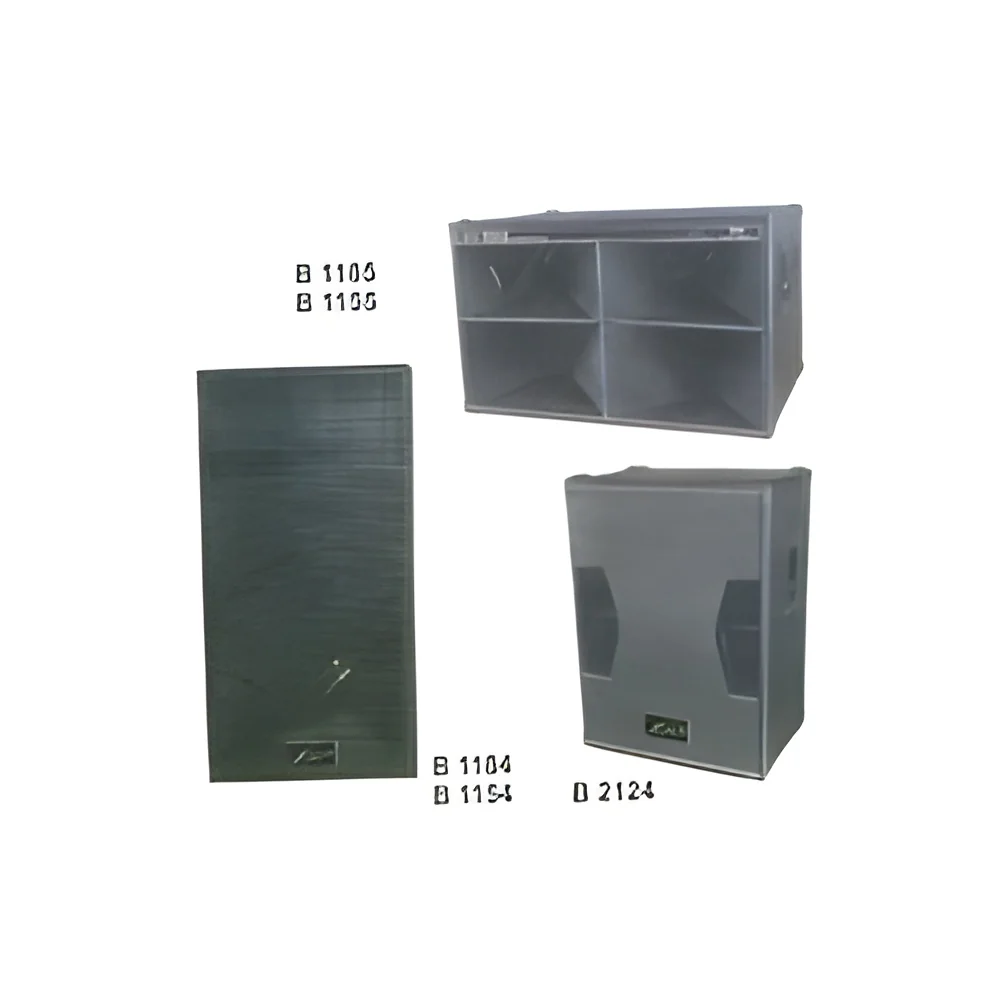
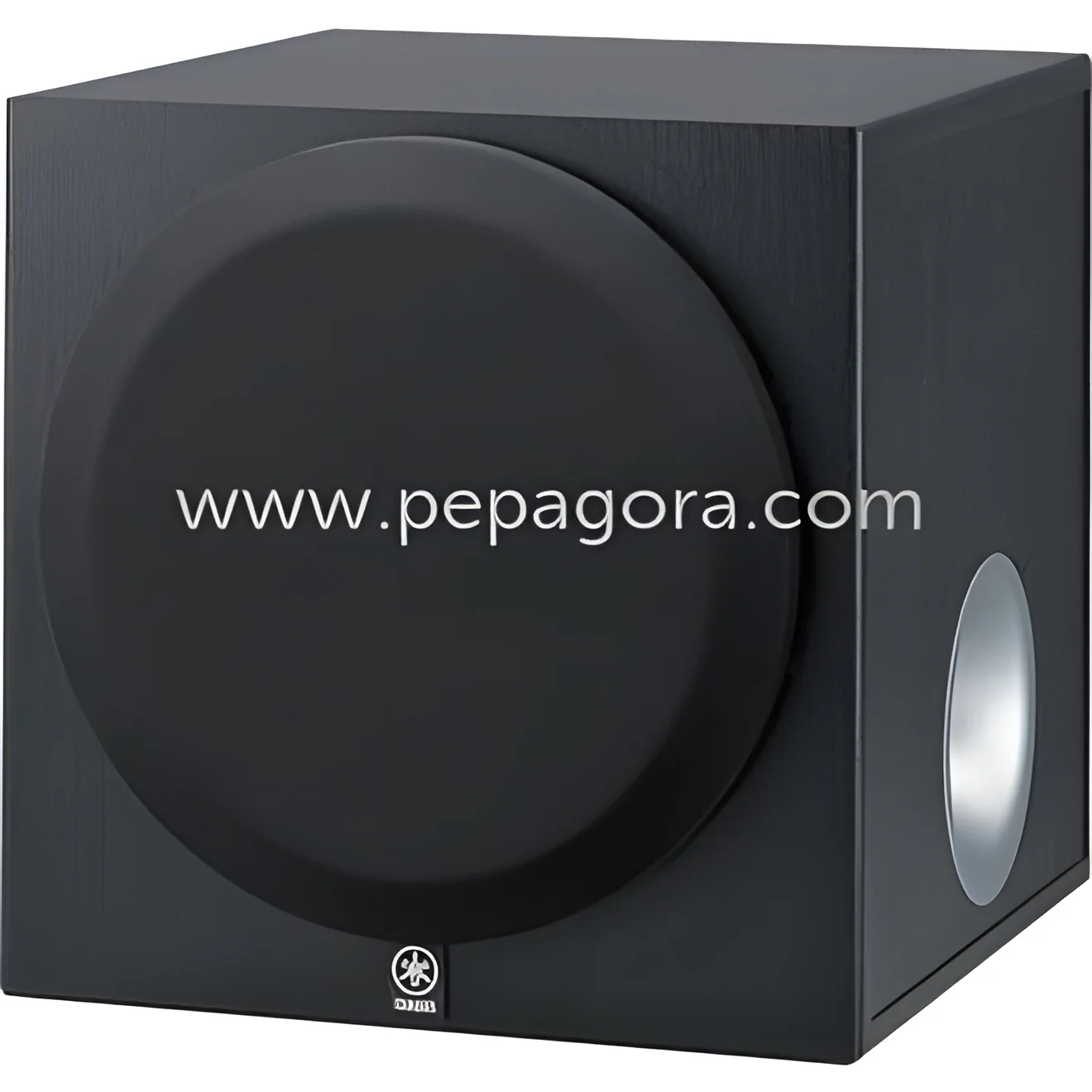
What are Subwoofers & Bass Cabinets?
Subwoofers and bass cabinets are essential components in sound systems, designed specifically to reproduce low-frequency sounds. Subwoofers focus on delivering deep bass tones, while bass cabinets typically house multiple speakers to enhance the overall bass response. Both types of equipment are crucial for achieving high-quality audio in various settings, from concerts to cinemas and recording studios.
These products are widely used in entertainment venues, music production, and even in corporate environments for presentations requiring impactful sound. Businesses often integrate subwoofers and bass cabinets into sound systems to ensure that low-frequency sounds are rendered clearly, providing a richer auditory experience. As audio technology evolves, these devices have become increasingly relevant in creating immersive soundscapes across industries.
The market for subwoofers and bass cabinets continues to grow, fueled by advancements in audio technology and the rising demand for superior sound quality. Companies are investing in these products to enhance their audiovisual capabilities, making them indispensable in sectors such as live events, broadcasting, and multimedia production.
Key Features and Specifications
When considering subwoofers and bass cabinets, it is essential to understand their key features and specifications. These products vary in design and function, but certain technical parameters are crucial for performance and compatibility.
Key specifications include:
1. Frequency Response
- This specification defines the range of frequencies that a subwoofer or bass cabinet can reproduce.
- Typically measured in Hertz (Hz), a good frequency response for subwoofers is usually between 20 Hz to 200 Hz.
2. Power Handling
- Power handling indicates how much power the device can handle without distortion or damage.
- This is expressed in watts, with values ranging from 100 watts for smaller models to over 1000 watts for high-performance units.
3. Impedance
- Impedance is the measure of resistance that the speaker offers to the amplifier.
- Common impedance ratings are 4 ohms, 8 ohms, or 16 ohms.
4. Sensitivity
- Sensitivity measures how efficiently a subwoofer or bass cabinet converts power into sound.
- It is expressed in decibels (dB) and typically ranges from 85 dB to 95 dB.
5. Enclosure Type
- The enclosure affects sound quality significantly, with types including sealed, ported, and bandpass.
- Each enclosure type has its characteristics that influence the sound output.
6. Driver Size
- The size of the speaker driver affects the bass response and overall sound quality.
- Common driver sizes range from 8 inches to 18 inches.
7. Connectivity Options
- Connectivity options determine how the device can be integrated into a sound system.
- Options may include RCA, XLR, and speaker wire inputs.
8. Weight and Dimensions
- These specifications impact installation and mobility, especially for portable applications.
- Dimensions can vary greatly depending on the design and intended use.
Understanding these specifications helps businesses select the right subwoofers and bass cabinets for their specific applications.
Common Applications and Use Cases
Subwoofers and bass cabinets are versatile products that serve various industries.
1. Live Events: In concerts and festivals, these devices are crucial for delivering powerful bass, enhancing the overall audio experience for attendees.
2. Recording Studios: Producers and sound engineers use subwoofers to accurately monitor low frequencies during music production, ensuring the final product has the desired sound quality.
3. Home Theater Systems: Many consumers integrate subwoofers into their home audio systems to provide a cinematic experience with rich, deep bass.
4. Corporate Events: Businesses often utilize subwoofers in presentations and conferences to ensure clear audio quality, particularly for video content.
5. Nightclubs and Bars: These venues rely on subwoofers to create an energetic atmosphere, where bass-driven music is essential for engaging patrons.
6. Gaming: Gamers benefit from subwoofers in their setups, as the enhanced sound experience adds to immersion during gameplay.
7. Cinemas: Movie theaters use advanced subwoofers to deliver impactful sound effects, providing viewers with a more engaging cinematic experience.
Product Variants and Subcategories
Subwoofers and bass cabinets come in different variants to suit various needs and preferences.
Active Subwoofers
Active subwoofers have built-in amplifiers, making them easy to set up. They are ideal for users looking for a plug-and-play solution without the need for external amplification.
Passive Subwoofers
Passive subwoofers require an external amplifier for operation. They are often favored by audio professionals who want greater control over sound quality and performance.
Bass Reflex Cabinets
These cabinets are designed with a port that allows air to escape, enhancing the efficiency of low-frequency sound production. They are commonly used in live sound applications.
Sealed Cabinets
Sealed cabinets provide a tight and accurate bass response, making them suitable for studio monitoring and high-fidelity audio applications.
Benefits and Advantages
Investing in subwoofers and bass cabinets offers numerous benefits for businesses and audio professionals.
1. Enhanced Sound Quality: These devices significantly improve the depth and richness of audio, providing a more enjoyable listening experience.
2. Increased Power Handling: High-quality subwoofers can handle substantial power, allowing for louder sound without distortion.
3. Versatile Applications: They can be used in a variety of settings, from live performances to home theaters, making them a valuable addition to any audio system.
4. Improved Clarity: Subwoofers help to separate low frequencies, enhancing the clarity of midrange and high-frequency sounds in a mix.
5. Customizable Performance: Many models allow for tuning and adjustment, giving users greater control over their sound preferences.
6. Durable Build: Quality subwoofers and cabinets are built to withstand the rigors of regular use, ensuring long-lasting performance.
Buying Guide for B2B Buyers
When sourcing subwoofers and bass cabinets, businesses should consider several factors to ensure they make informed decisions.
1. Quality Assessment: Evaluate the build quality and materials used in construction. Look for reputable brands known for their durability and performance.
2. Supplier Verification: Vet potential suppliers by checking their credentials, reviews, and industry reputation to ensure you partner with trustworthy manufacturers.
3. Pricing and MOQ: Compare prices from different suppliers while considering the minimum order quantities (MOQ) that may affect your purchasing decisions.
4. Delivery and Lead Times: Understand the logistics involved, including delivery schedules and lead times, to avoid disruptions in your operations.
5. Compliance Requirements: Ensure that the products meet relevant industry standards and regulations to avoid potential legal issues.
Compliance and Certifications
Subwoofers and bass cabinets must adhere to specific quality standards to ensure safety and performance. While not all standards are specified, it is important to recognize the significance of compliance in the industry.
Common quality standards include ISO 9001, which ensures consistent quality management systems. Additionally, the CE certification indicates that the products meet European safety, health, and environmental protection standards.
Safety and testing requirements should also be taken into account, as they influence product reliability and consumer trust. Regional compliance can vary, so businesses should be aware of the specific regulations that apply to their location.
Why Source Subwoofers & Bass Cabinets from Pepagora?
Pepagora offers a reliable platform for sourcing subwoofers and bass cabinets, providing several key advantages for businesses looking to invest in audio equipment.
Verified Supplier Network: Pepagora connects buyers with a network of verified suppliers, ensuring that products meet high-quality standards.
Streamlined RFQ Process: The platform features an efficient request-for-quotation (RFQ) system that simplifies the procurement process, enabling businesses to receive competitive pricing.
Trade Assurance and Support: Buyers are protected through trade assurance measures, which help mitigate risks associated with sourcing products.
Regional Coverage: Pepagora has a broad geographic reach, serving markets in India, the GCC, and Southeast Asia, making it easier for businesses to access quality audio solutions.

 IN
IN