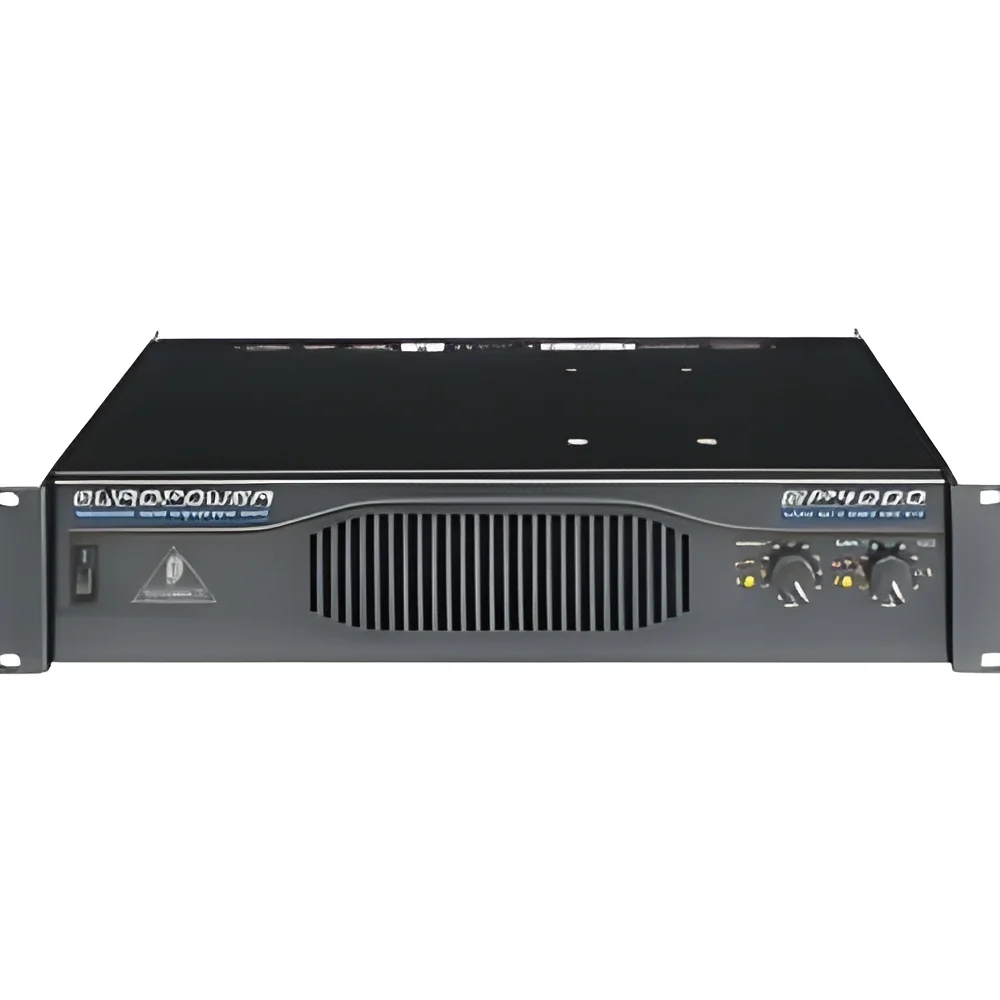
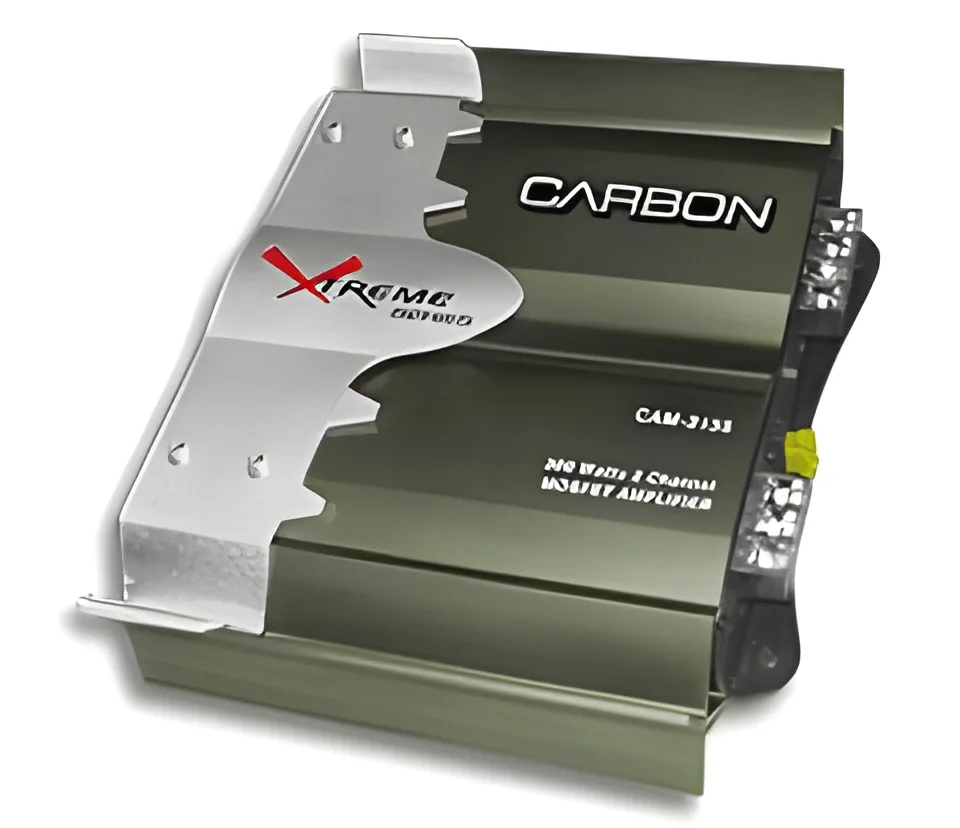
What are Amplifiers & Power Amps?
Amplifiers and power amps are essential electronic devices used to enhance the amplitude of electrical signals. They take weak audio, radio, or other signals and amplify them to a level suitable for driving speakers or transmitting over distances. Amplifiers can be categorized into various types based on their application, such as audio amplifiers, RF amplifiers, and operational amplifiers, among others. Power amplifiers specifically focus on boosting audio signals to drive loudspeakers, making them crucial in sound reinforcement systems.
These devices find a wide range of applications in various sectors, including music production, broadcasting, telecommunications, and public address systems. In the business environment, they are commonly used in concert venues, radio stations, and corporate events where high-quality sound reproduction is vital. The demand for amplifiers and power amps continues to grow, fueled by advancements in technology and the increasing need for high-fidelity sound systems across industries.
In terms of market relevance, the amplifier industry is experiencing robust growth due to rising consumer demands for high-quality audio and the expansion of digital media platforms. As more businesses invest in sound systems for effective communication and entertainment, the market for amplifiers and power amps remains competitive and innovative.
Key Features and Specifications
Amplifiers and power amps come equipped with various features that enhance their functionality and performance. Understanding these specifications is crucial for selecting the right product for specific applications.
Key specifications include:
1. Power Output
- Measured in watts, this specification indicates how much power the amplifier can deliver to speakers.
- Common ranges: 50 to 1000 watts, depending on the application.
2. Frequency Response
- This specification defines the range of frequencies the amplifier can reproduce effectively.
- Typical range: 20 Hz to 20 kHz for audio amplifiers.
3. Total Harmonic Distortion (THD)
- This measures the distortion level of the output signal compared to the input signal.
- Lower values (typically below 1%) are preferable for high-fidelity sound.
4. Signal-to-Noise Ratio (SNR)
- This ratio indicates the level of desired signal compared to the level of background noise.
- Higher values (above 90 dB) are preferred for clearer audio output.
5. Input Impedance
- This specification refers to the resistance presented by the amplifier to the input signal.
- Typical values: 10k ohms to 100k ohms for audio applications.
6. Cooling System
- Effective cooling mechanisms, such as fans or heat sinks, prevent overheating during operation.
- This is vital for maintaining performance and longevity.
7. Connectivity Options
- Amplifiers may feature various input/output connections such as XLR, RCA, and USB ports.
- This enhances compatibility with different devices.
8. Form Factor
- The physical size and design of the amplifier, which can be rack-mounted or standalone.
- Consideration for space and installation requirements is essential.
In summary, selecting an amplifier or power amp involves understanding these key specifications to ensure optimal performance for the intended use.
Common Applications and Use Cases
Amplifiers and power amps serve various industries and applications, making them versatile tools in business environments.
1. Audio Production: In studios, amplifiers are used to enhance sound recordings, providing high-quality playback for mixing and mastering processes.
2. Live Sound Reinforcement: Concert venues and events utilize power amps to drive loudspeakers, ensuring clear sound across large audiences.
3. Broadcasting: Radio and television stations rely on amplifiers to transmit signals over distances, maintaining audio quality and clarity.
4. Telecommunications: Amplifiers are essential in boosting signals for telecommunication systems, ensuring reliability and efficiency in communication.
5. Home Theater Systems: Consumers use power amps in home audio setups to enhance sound quality for movies, music, and gaming.
6. Public Address Systems: Schools, auditoriums, and conference centers employ amplifiers to ensure announcements are heard clearly.
7. Automotive Audio: Amplifiers are used in car audio systems to drive speakers and subwoofers, enhancing the listening experience.
Product Variants and Subcategories
Amplifiers and power amps come in various models and configurations to meet different requirements.
Class A Amplifiers: Known for their high fidelity and low distortion, Class A amplifiers provide excellent sound quality. They are often used in high-end audio applications but are less energy-efficient and generate more heat.
Class D Amplifiers: These amplifiers are highly efficient, making them ideal for portable and battery-operated devices. They are commonly used in subwoofers and powered speakers for their compact size and lightweight.
Integrated Amplifiers: These units combine a preamplifier and power amplifier in one package, simplifying setup and reducing space. They are popular in home audio systems.
Mono Block Amplifiers: Designed to power a single speaker, mono block amplifiers are often used in high-performance sound systems to provide dedicated power to individual channels.
Benefits and Advantages
Choosing the right amplifiers and power amps offers several advantages for businesses and applications.
1. Enhanced Sound Quality: High-quality amplifiers provide clearer, more accurate sound reproduction, essential for music and audio applications.
2. Increased Power Handling: Amplifiers enable speakers to handle higher power levels, improving overall audio performance.
3. Versatility: Amplifiers can be used in various settings, from professional sound systems to personal audio devices, making them adaptable.
4. Reliability: Quality amplifiers are built to last, ensuring consistent performance over time with minimal maintenance.
5. Improved Signal Processing: Advanced features in modern amplifiers allow for better signal management, reducing noise and distortion.
6. Cost-Effectiveness: Investing in quality amplifiers can lead to long-term savings by reducing the need for replacements and repairs.
Buying Guide for B2B Buyers
When sourcing amplifiers and power amps for business needs, several key factors should be considered.
1. Quality Assessment: Evaluate the build quality and performance specifications of the amplifiers. Look for models that meet industry standards to ensure reliability.
2. Supplier Verification: Vet suppliers by checking their credentials and customer reviews. A reliable supplier should have a track record of delivering quality products.
3. Pricing and MOQ: Understand the pricing structure and minimum order quantities (MOQ) required by suppliers. This helps in budgeting and planning for purchases.
4. Delivery and Lead Times: Consider logistics and expected lead times for delivery. Ensure that suppliers can meet your timelines for project requirements.
5. Compliance Requirements: Check for any regulatory standards that the products must meet, such as safety certifications and environmental regulations.
Compliance and Certifications
Compliance and certifications play a crucial role in ensuring the quality and safety of amplifiers and power amps.
Manufacturers often adhere to quality standards such as ISO 9001, which ensures effective quality management systems. This standard verifies that products consistently meet customer and regulatory requirements.
In addition, amplifiers may carry industry certifications such as CE, indicating compliance with European health, safety, and environmental protection standards. Such certifications are essential for products intended for markets in Europe and beyond.
Safety and testing requirements are also critical. Amplifiers must undergo rigorous testing to ensure they operate safely under various conditions. This includes evaluating electrical safety and thermal performance to prevent hazards.
Regional compliance considerations can vary, so it is vital for manufacturers to be aware of local regulations that may apply to their products. This ensures that amplifiers meet all necessary legal requirements, enhancing marketability.
Why Source Amplifiers & Power Amps from Pepagora?
Pepagora provides a trusted platform for sourcing amplifiers and power amps with several key advantages that benefit businesses.
Verified Supplier Network: Pepagora connects buyers with a network of verified suppliers, ensuring that the products sourced meet high-quality standards and reliability.
Streamlined RFQ Process: The request for quotation (RFQ) process is efficient, allowing buyers to receive competitive quotes quickly and make informed purchasing decisions.
Trade Assurance and Support: Buyers benefit from trade assurance measures that protect their transactions. Pepagora offers support throughout the purchasing process, ensuring satisfaction with the products received.
Regional Coverage: With a focus on markets in India, the GCC, and Southeast Asia, Pepagora offers extensive regional coverage. This enables businesses to access a wide range of amplifiers and power amps tailored to meet local demands and preferences.

 IN
IN