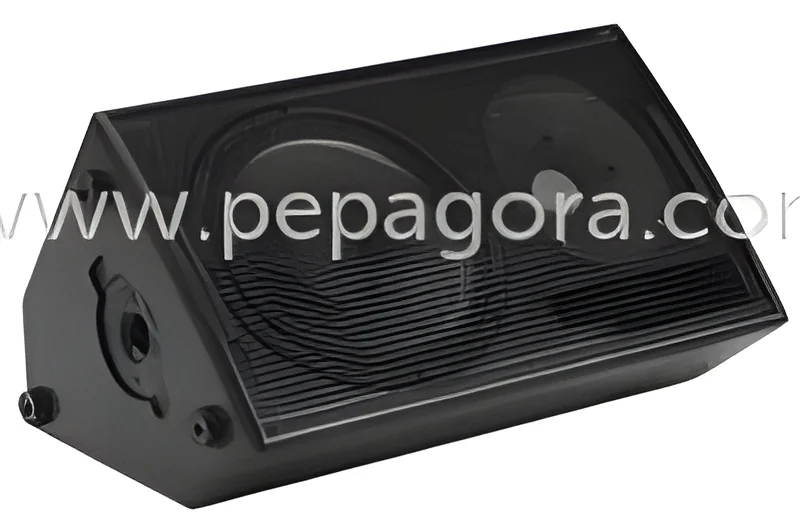
What are Stage Monitors & Wedges?
Stage monitors and wedges are specialized audio equipment designed to allow performers to hear themselves and other musicians during live performances. These devices play a critical role in live sound reinforcement by providing a clear and accurate audio signal directly to the performers on stage. Typically positioned at the front of the stage, they come in a wedge shape to allow for optimal sound projection towards the artists.
These monitors are commonly used in various live settings, including concerts, theater productions, and corporate events. They ensure that artists can maintain the right pitch and timing while performing. By providing a reliable audio source, stage monitors and wedges contribute to the overall quality of the performance, making them an essential component in the audio setup for any live event. The demand for high-quality audio equipment continues to grow in the entertainment industry, driving innovation and improvements in monitor technology.
Key Features and Specifications
Stage monitors and wedges offer a range of features that enhance their functionality and performance. These specifications help in selecting the right equipment for specific needs.
Key specifications include:
1. Frequency Response
- Range of frequencies the monitor can produce.
- Typically from 40 Hz to 20 kHz.
2. Power Handling
- Maximum power the monitor can handle without distortion.
- Usually between 100 to 300 watts.
3. Impedance
- Resistance offered by the monitor to the audio signal.
- Commonly 4 to 8 ohms.
4. Coverage Angle
- The area over which sound is distributed.
- Generally ranges from 90 to 120 degrees.
5. Driver Size
- Diameter of the speaker driver used in the monitor.
- Common sizes include 6.5 inches to 15 inches.
6. Weight
- Total weight of the monitor, impacting portability.
- Typically ranges from 15 to 50 pounds.
7. Connectivity Options
- Types of inputs available for audio connections.
- Often includes XLR and TRS inputs.
8. Build Quality
- The materials used in construction affecting durability.
- Sturdy cabinets with protective grills are common.
A well-structured selection of features ensures that users can find monitors that meet their specific audio requirements.
Common Applications and Use Cases
Stage monitors and wedges are versatile tools used across various industries.
1. Music Events: These monitors are essential in concerts and music festivals to ensure performers hear their instruments and vocals clearly.
2. Theater Productions: In live theater, actors rely on stage monitors to stay in tune with sound cues and music, enhancing overall performance quality.
3. Corporate Events: During presentations or conferences, speakers use monitors to maintain clarity and engagement with their audience, ensuring effective communication.
4. House of Worship: Churches and places of worship often utilize stage monitors for musicians and speakers, creating a harmonious environment during services.
5. Educational Institutions: Schools and universities use these monitors for events such as lectures, performances, and gatherings, ensuring clear audio delivery.
6. Sports Events: In sports arenas, announcers and performers benefit from stage monitors to provide real-time updates and commentary.
7. Broadcasting: In radio and television studios, stage monitors help presenters and guests maintain audio levels during live broadcasts.
Product Variants and Subcategories
Stage monitors and wedges come in various forms to suit different applications and preferences.
Active Monitors: These monitors include built-in amplifiers, allowing for easier setup and integration into sound systems. They are ideal for venues with limited space or resources.
Passive Monitors: These rely on external amplifiers, providing flexibility in power options. They are suitable for larger setups where sound customization is necessary.
Floor Monitors: Designed to be placed on the stage floor, these wedges direct sound upwards towards performers. They are the most common type used in live performances.
Column Monitors: These provide a more discreet appearance and can be used in smaller venues. They often feature multiple drivers to enhance sound dispersion.
Benefits and Advantages
Investing in stage monitors and wedges offers numerous advantages for live performances.
Key benefits include:
1. Enhanced Audio Clarity: These monitors provide performers with clear sound, improving their ability to deliver accurate performances.
2. Improved Performance Confidence: With reliable sound feedback, performers can focus on their delivery, leading to more engaging performances.
3. Versatility: Available in various forms, these monitors can be adapted to different settings, from small venues to large concert stages.
4. Customization Options: Many monitors allow for adjustments in sound settings, enabling users to tailor the audio to their specific needs.
5. Durable Construction: High-quality monitors are built to withstand the rigors of live performance environments, ensuring longevity.
6. Easy Integration: Most models can easily connect with existing audio setups, making them convenient for sound engineers.
Buying Guide for B2B Buyers
When sourcing stage monitors and wedges, several key factors should be considered to ensure the right choice is made.
1. Quality Assessment: Evaluate the build quality and sound performance of the monitors. Look for reviews and testimonials to gauge reliability.
2. Supplier Verification: Vet suppliers to ensure they provide high-quality products and maintain good business practices. Check for certifications and industry reputation.
3. Pricing and MOQ: Consider the price range of the monitors and any minimum order quantities. Compare pricing across different suppliers for the best deal.
4. Delivery and Lead Times: Assess the supplier's delivery capabilities and lead times to ensure timely arrival of products, especially for upcoming events.
5. Compliance Requirements: Be aware of industry standards and regulations that may apply to audio equipment in your region to ensure compliance with safety and quality guidelines.
Compliance and Certifications
Stage monitors and wedges must adhere to specific standards and regulations to ensure safety and performance.
Relevant quality standards often include ISO 9001, which focuses on quality management systems. Compliance with these standards ensures that manufacturers maintain consistency in product quality.
Industry certifications such as CE signify that the products meet European safety and health requirements. This certification is crucial for gaining trust in international markets.
Safety and testing requirements also play a significant role in product compliance. Manufacturers must ensure that their devices undergo rigorous testing to confirm they meet safety standards.
Regional compliance considerations may vary, as different countries have unique regulations governing audio equipment. It is essential for manufacturers and suppliers to be aware of these local laws.
Why Source Stage Monitors & Wedges from Pepagora?
Pepagora provides a trusted platform for sourcing stage monitors and wedges, offering several key advantages to B2B buyers.
Verified Supplier Network: Pepagora connects buyers with a network of verified suppliers. This ensures that buyers are dealing with reputable manufacturers who meet quality standards.
Streamlined RFQ Process: The request-for-quotation system on Pepagora simplifies the sourcing process. Buyers can easily request quotes from multiple suppliers, facilitating faster decision-making.
Trade Assurance and Support: Pepagora offers trade assurance and support to protect buyers throughout the purchasing process. This includes assistance in resolving disputes and ensuring satisfaction.
Regional Coverage: With strong presence in India, the GCC, and Southeast Asia, Pepagora provides extensive access to quality products and suppliers. This geographic reach helps buyers find the right solutions for their specific needs.
In conclusion, sourcing stage monitors and wedges through Pepagora not only enhances procurement efficiency but also ensures access to high-quality products and reliable suppliers.

 IN
IN