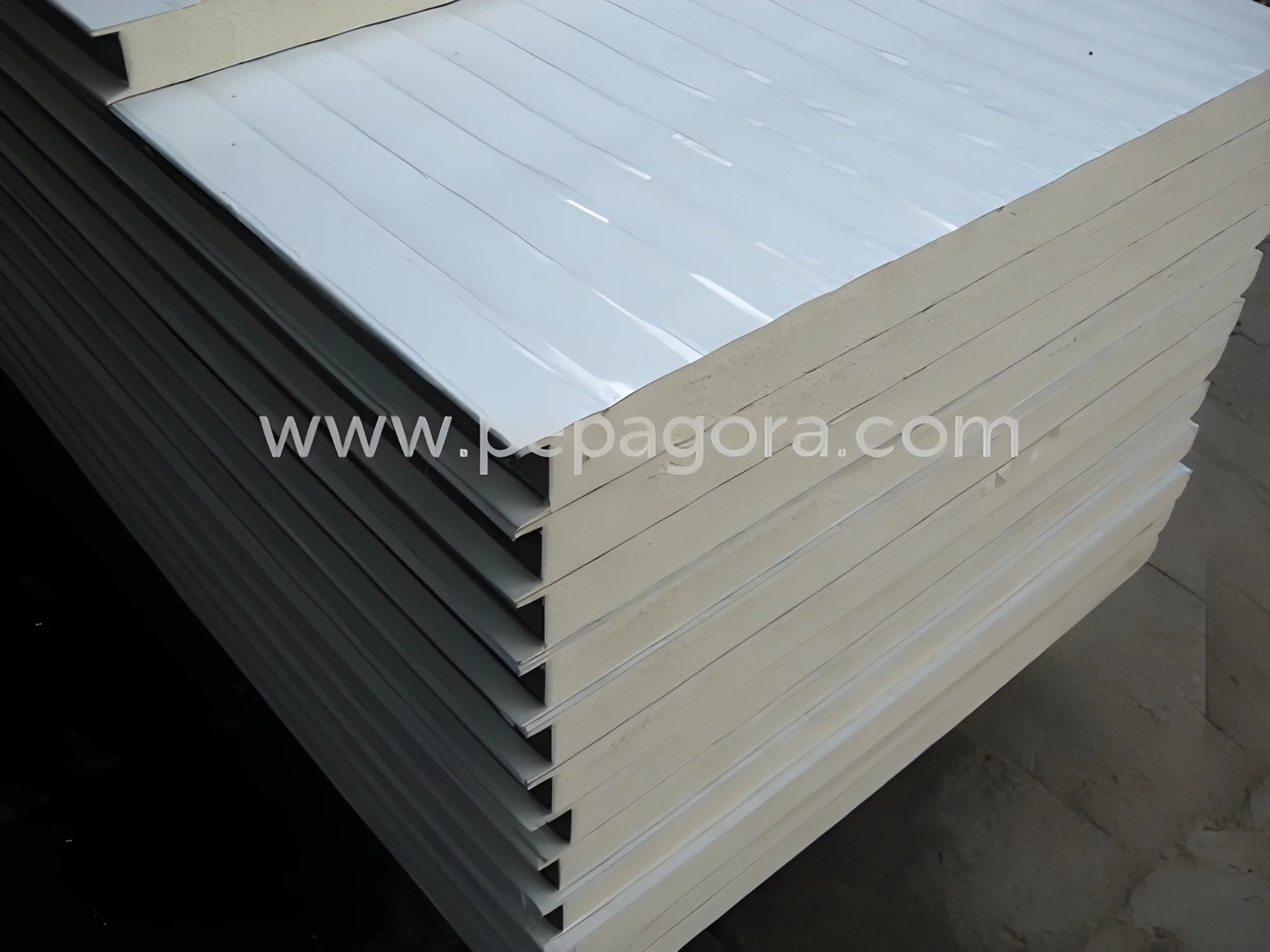
What are Soundproofing & Acoustic Panels?
Soundproofing and acoustic panels are specialized materials designed to reduce noise and improve sound quality in various environments. These panels work by absorbing sound waves, preventing them from reflecting off surfaces, and thereby minimizing echo and background noise. They are commonly made from materials like foam, fiberglass, or fabric-wrapped panels. These products are essential in creating quieter spaces that enhance both comfort and functionality.
The primary uses of soundproofing and acoustic panels include applications in offices, recording studios, auditoriums, and homes. Businesses utilize these panels to create environments conducive to productivity and communication. For instance, in open office spaces, acoustic panels can help reduce distractions caused by chatter. In recording studios, they are crucial for achieving high-quality sound recordings. The growing demand for quieter, more efficient working environments underlines the relevance of these products in today's market.
In recent years, the soundproofing and acoustic panel market has seen a significant increase as industries recognize the importance of sound management. Factors such as urbanization, increased noise pollution, and a greater emphasis on workplace wellness have propelled this growth. Businesses across various sectors are investing in acoustic solutions, making it a vital area within the construction and interior design industries.
Key Features and Specifications
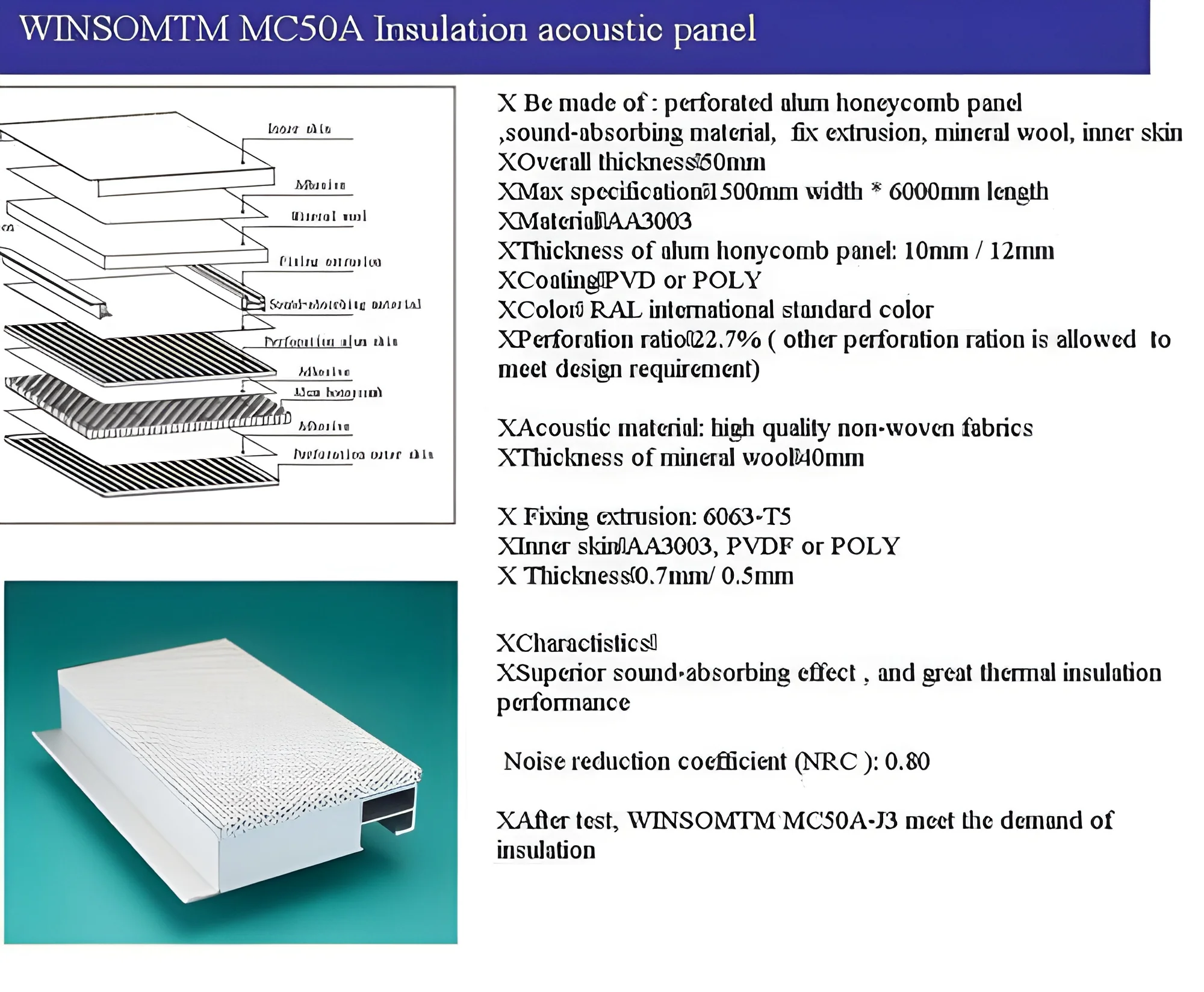
Soundproofing and acoustic panels come with a range of features and specifications that cater to different needs. These panels are engineered to meet specific acoustic requirements, ensuring optimal sound absorption and noise reduction.
Key specifications include:
1. Material Composition
- Panels are typically made from foam, fiberglass, or composite materials.
- The choice of material affects sound absorption and durability.
2. Thickness
- Common thickness ranges from 1 inch to 4 inches.
- Thicker panels generally offer better sound absorption.
3. Fire Rating
- Panels often have fire-resistant properties.
- Compliance with fire safety standards is crucial in commercial applications.
4. Noise Reduction Coefficient (NRC)
- NRC ratings typically range from 0.5 to 1.0.
- A higher NRC indicates better sound absorption.
5. Aesthetic Options
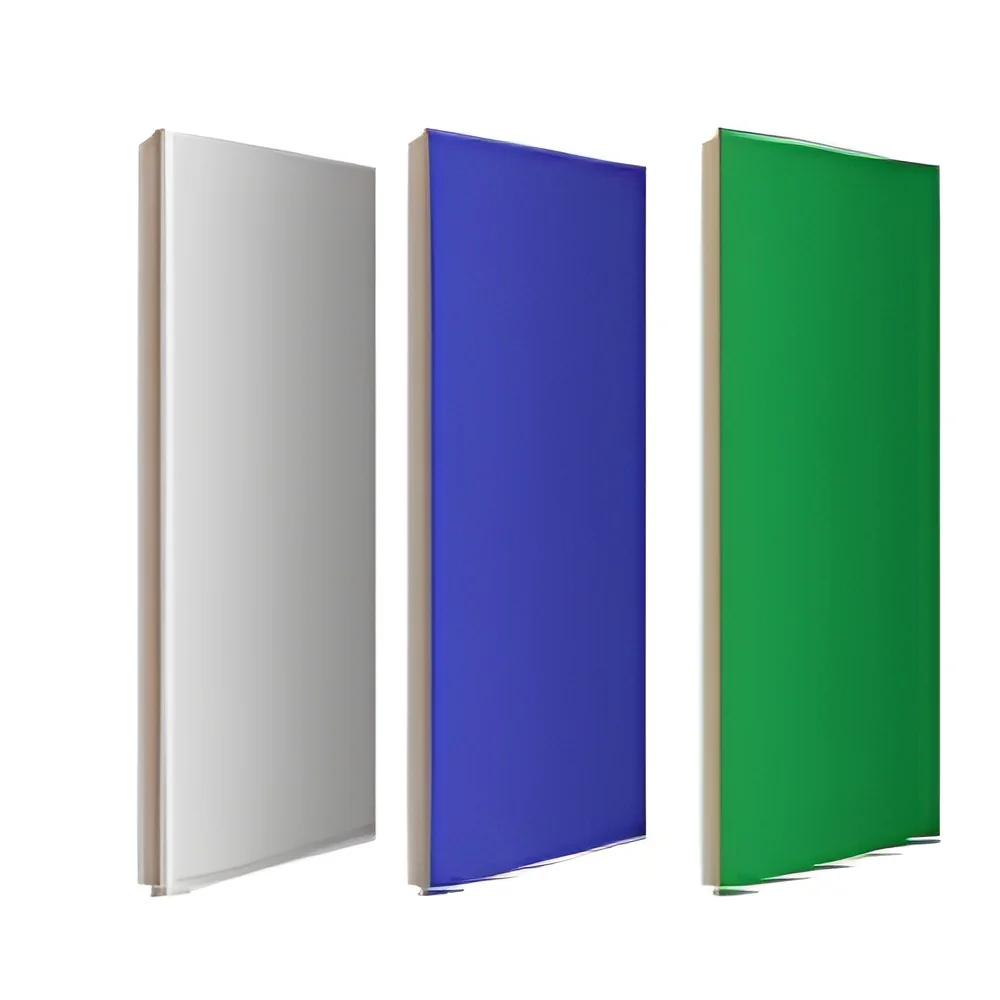
- Panels are available in various colors and designs.
- Customizable options allow for integration into different decor styles.
6. Installation Method
- Panels can be wall-mounted, suspended, or free-standing.
- Different installation methods can impact effectiveness.
7. Environmental Impact
- Many panels are made from recycled materials.
- Eco-friendly options are increasingly available.
8. Warranty and Lifespan
- Panels often come with warranties ranging from 1 to 10 years.
- Durability can vary based on the material and usage.
In summary, soundproofing and acoustic panels have a range of features that can be tailored to meet specific acoustic needs. Understanding these specifications is crucial for selecting the right solution for different environments.
Common Applications and Use Cases
Soundproofing and acoustic panels find applications across various industries, each with unique requirements.
1. Corporate Offices: These panels are used to minimize noise distractions in open-plan offices, enhancing employee productivity and communication.
2. Recording Studios: Acoustic panels help control sound quality, reducing echoes and background noise during music production and voiceovers.
3. Educational Institutions: Schools and universities use these panels in classrooms and lecture halls to improve sound clarity and reduce ambient noise.
4. Hospitality: Hotels and restaurants install acoustic panels to create a pleasant dining atmosphere by controlling noise levels.
5. Healthcare Facilities: Hospitals and clinics use soundproofing solutions to maintain patient privacy and comfort, making environments more conducive to healing.
6. Residential Spaces: Homeowners install acoustic panels in living rooms, home theaters, and music rooms to enhance sound quality and reduce noise pollution.
7. Auditoriums and Theaters: These venues use acoustic panels to ensure clear sound distribution and improve audience experiences during performances.
Product Variants and Subcategories
Soundproofing and acoustic panels come in diverse variants to suit different applications and customer needs.
Acoustic Foam Panels
These panels are lightweight and easy to install. They are designed for sound absorption and are often used in studios and home theaters.
Fabric-Wrapped Panels
These panels offer customizable fabric options that blend with interior designs. They provide good sound absorption while enhancing aesthetics in commercial spaces.
Wall-Mounted Panels
These panels are designed for direct installation on walls. They are commonly used in offices and classrooms to control sound reflections.
Suspended Acoustic Panels
These panels are hung from ceilings, ideal for spaces with high ceilings where wall mounting is not feasible. They are often used in auditoriums and large offices.
Benefits and Advantages
Soundproofing and acoustic panels offer several advantages that make them essential in various settings.
1. Noise Reduction: These panels effectively minimize unwanted noise, creating a more serene environment for work and relaxation.
2. Improved Sound Quality: Acoustic panels enhance sound clarity, making them crucial in recording studios and performance spaces.
3. Enhanced Comfort: By controlling noise levels, these panels contribute to a more comfortable atmosphere, promoting well-being and productivity.
4. Aesthetic Flexibility: With various designs and colors available, acoustic panels can complement any interior decor.
5. Cost-Effective Solutions: Investing in soundproofing can lead to long-term savings by reducing the need for additional soundproofing measures.
6. Easy Installation: Many panels are designed for straightforward installation, allowing for quick upgrades to existing spaces.
Buying Guide for B2B Buyers
When sourcing soundproofing and acoustic panels, B2B buyers should consider several important factors.
1. Quality Assessment: Evaluate the quality of materials and construction. Look for panels with high NRC ratings and fire safety certifications to ensure performance and safety.
2. Supplier Verification: Vet potential suppliers by checking their reputation, customer reviews, and certifications. A trustworthy supplier can impact product quality and service reliability.
3. Pricing and MOQ: Understand the cost structure, including pricing per unit and minimum order quantities. This helps in budgeting and ensures you have enough panels for your project.
4. Delivery and Lead Times: Assess the logistics of delivery, including lead times. Ensure that suppliers can meet your project timelines for installation.
5. Compliance Requirements: Verify that the panels meet industry standards and regulations. Compliance with safety and environmental standards is essential in many applications.
Compliance and Certifications
Soundproofing and acoustic panels must adhere to various compliance standards and certifications to ensure safety and performance. Relevant quality standards include ISO 9001, which focuses on quality management systems, ensuring that products meet customer and regulatory requirements. Additionally, the CE marking signifies that products comply with EU safety, health, and environmental protection standards.
Safety and testing requirements are crucial, particularly in commercial and industrial settings. Panels must undergo rigorous testing to verify their acoustic performance and fire resistance. Regional compliance considerations may vary, so it is important to consult local regulations to ensure that products meet all necessary standards.
Why Source Soundproofing & Acoustic Panels from Pepagora?
Pepagora provides a trusted platform for sourcing soundproofing and acoustic panels with several key advantages.
Verified Supplier Network: Pepagora connects buyers with a network of verified suppliers, ensuring that you receive high-quality products from reputable sources. This reduces the risk associated with sourcing materials.
Streamlined RFQ Process: The request for quotation (RFQ) process on Pepagora is designed to be efficient, allowing buyers to quickly solicit quotes from multiple suppliers. This simplifies the comparison process and helps in making informed purchasing decisions.
Trade Assurance and Support: Buyers benefit from trade assurance, providing protection throughout the purchasing process. This support includes assistance with logistics, payment, and dispute resolution.
Regional Coverage: Pepagora has a broad geographic reach, serving regions such as India, the GCC, and Southeast Asia. This ensures that businesses in various locations can access quality soundproofing solutions tailored to their needs.

 IN
IN