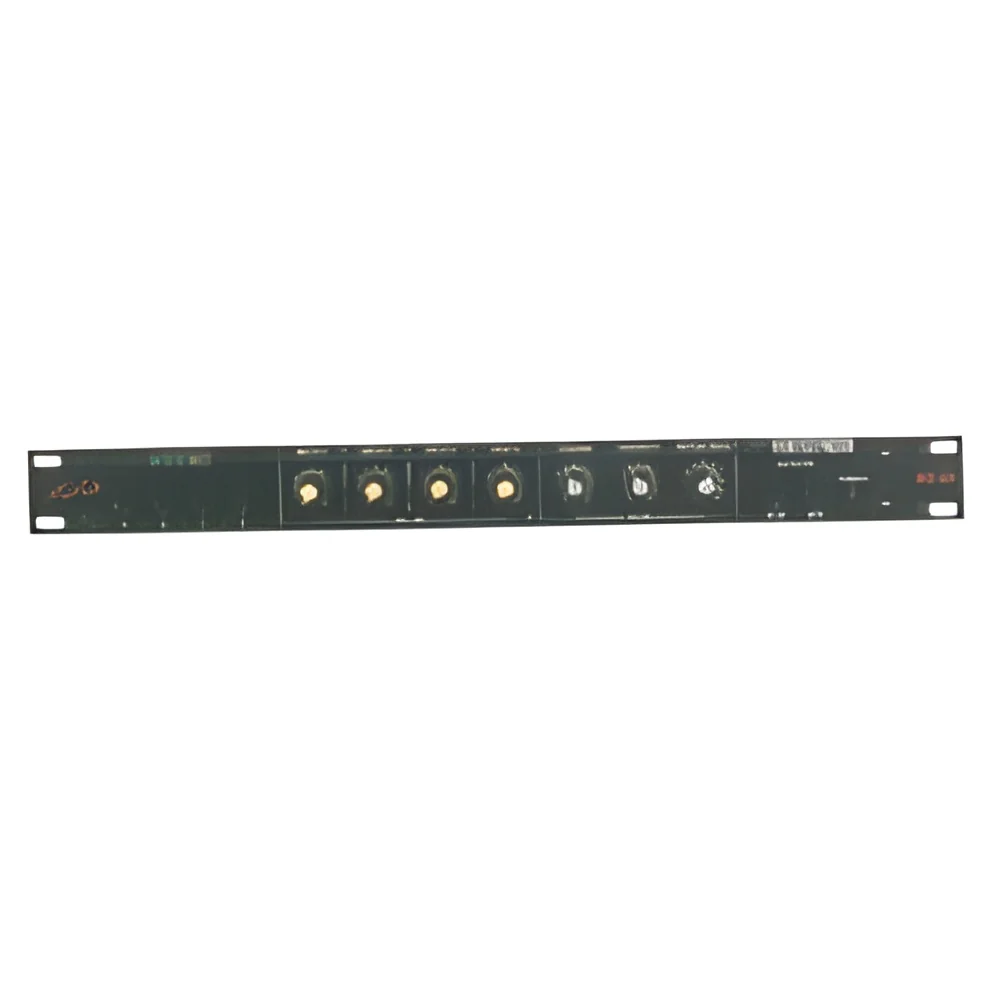
What are Sound Processors & Equalizers?
Sound processors and equalizers are essential audio devices used to modify and enhance sound signals. Sound processors manipulate audio signals to achieve desired effects, including noise reduction and dynamic range control. Equalizers, on the other hand, adjust the balance between frequency components of an audio signal, allowing users to boost or cut specific frequency ranges. Together, these tools help achieve high-quality sound reproduction for various applications.
These devices are widely utilized in multiple sectors, including broadcasting, live sound reinforcement, and recording studios. They are vital for ensuring optimal audio performance in environments where sound quality is paramount. Businesses often implement sound processors and equalizers to improve the listening experience for audiences or to create professional-grade audio recordings. The relevance of these products continues to grow in an increasingly audio-focused market, where high standards for sound quality are expected.
Key Features and Specifications
Sound processors and equalizers come with various features that enhance their functionality and usability. Understanding these specifications is crucial for making informed purchasing decisions.
Key specifications include:
1. Frequency Response
- This specification indicates the range of frequencies the device can process effectively.
- Typical ranges may vary from 20 Hz to 20 kHz.
2. Total Harmonic Distortion (THD)
- This measures the distortion introduced by the device during audio processing.
- A lower percentage indicates better sound fidelity, often less than 0.1%.
3. Signal-to-Noise Ratio (SNR)
- This ratio describes the level of desired signal compared to background noise.
- Values above 90 dB are typically considered high quality.
4. Number of Bands
- This refers to how many frequency bands the equalizer can manipulate.
- Common configurations include 3-band, 7-band, and 31-band equalizers.
5. Input and Output Options
- Devices often provide various input and output configurations, such as XLR, TRS, or RCA connectors.
- Flexibility in connectivity enhances usability in different setups.
6. User Controls
- Features like sliders, knobs, or digital interfaces allow users to easily adjust settings.
- Intuitive control mechanisms improve user experience.
7. Built-in Effects
- Some processors include additional effects like reverb or delay.
- These integrated features reduce the need for external units.
8. Power Supply
- Devices may operate on battery or AC power.
- Understanding power needs is essential for operational planning.
In summary, when evaluating sound processors and equalizers, look for features that align with your specific audio needs, ensuring optimal sound performance.
Common Applications and Use Cases
Sound processors and equalizers find applications across diverse industries, enhancing audio quality and performance.
1. Broadcasting: These devices are used in radio and television stations to ensure clear and balanced sound for broadcasts, improving the listening experience for audiences.
2. Live Sound: In concert venues and events, sound processors and equalizers help manage audio signals for performers, ensuring that all elements of the sound mix are well balanced.
3. Recording Studios: Producers and sound engineers use these tools to refine recordings, enabling precise control over audio elements during mixing and mastering processes.
4. Film and Television Production: Sound processors are employed to enhance dialogue clarity and manage background noise, contributing to higher production quality.
5. Public Address Systems: These devices are integral in venues where clear audio communication is essential, such as schools, airports, and auditoriums.
6. Home Audio Systems: Enthusiasts use equalizers to customize their audio setups for optimal personal listening experiences.
7. Gaming: Sound processors improve in-game audio, creating immersive gaming environments by enhancing sound effects and dialogue clarity.
Product Variants and Subcategories
Sound processors and equalizers come in various forms to cater to specific needs within the market.
Analog Equalizers: These devices utilize analog circuitry to process audio signals, often favored for their warm, natural sound. They are commonly used in recording studios and live sound applications.
Digital Equalizers: These units use digital signal processing to manipulate audio signals. They offer advanced features like preset options and more precise control over frequency bands, making them popular in modern audio setups.
Graphic Equalizers: Featuring sliders for each frequency band, graphic equalizers allow for visual representation of sound adjustments. They are widely used in both live sound and installed audio systems.
Parametric Equalizers: These offer adjustable bandwidth and center frequency controls for more detailed sound shaping. They are essential tools for sound engineers in professional environments.
Benefits and Advantages
Sound processors and equalizers provide numerous benefits that enhance audio performance and overall user experience.
1. Enhanced Sound Quality: These devices significantly improve audio fidelity, making them crucial for professional sound applications.
2. Customizable Audio: Users can tailor audio outputs to suit specific environments or preferences, ensuring optimal sound experiences.
3. Noise Reduction: Sound processors help in minimizing unwanted background noise, enhancing clarity in recordings and live performances.
4. Flexibility: With various input and output options, these devices can be integrated into diverse audio systems, accommodating different setups.
5. User-Friendly Controls: Many models feature intuitive interfaces that allow users to make quick adjustments, improving workflow efficiency.
6. Cost-Effective Solutions: By combining multiple audio processing functions into one device, these tools can reduce the need for additional equipment, saving costs.
Buying Guide for B2B Buyers
When sourcing sound processors and equalizers, several factors should be considered to ensure the right investment.
1. Quality Assessment: Look for devices that adhere to industry standards for audio performance. Checking for specifications like frequency response and total harmonic distortion can help gauge quality.
2. Supplier Verification: Vet suppliers thoroughly by reviewing their reputation, customer feedback, and certifications. A reliable supplier is crucial for ensuring consistent product quality.
3. Pricing and MOQ: Understand the pricing structure and minimum order quantities. This information is essential for budgeting and planning inventory needs.
4. Delivery and Lead Times: Inquire about lead times for orders to ensure timely delivery, which is critical for project schedules.
5. Compliance Requirements: Ensure that the products meet relevant regulatory and safety standards. This includes checking for certifications such as CE, which indicates compliance with European health, safety, and environmental protection standards.
Compliance and Certifications
Sound processors and equalizers are subject to various compliance and certification requirements to ensure safety and quality.
ISO 9001: This standard outlines the criteria for a quality management system and is relevant for manufacturers of audio equipment to ensure consistent quality in production.
CE Certification: This mark indicates that the product complies with EU safety, health, and environmental protection standards. It is essential for products sold within the European market.
Safety and Testing Requirements: These devices often undergo rigorous testing to ensure they meet safety standards, particularly regarding electrical safety and electromagnetic compatibility.
Regional Compliance Considerations: Depending on the market, additional local regulations may apply. It is important for businesses to be aware of these to avoid compliance issues.
Why Source Sound Processors & Equalizers from Pepagora?
Pepagora offers a trusted platform for sourcing sound processors and equalizers, providing several key advantages for businesses.
Verified Supplier Network: Pepagora connects buyers with a network of verified suppliers, ensuring that all products meet stringent quality standards. This verification process helps reduce risks associated with sourcing.
Streamlined RFQ Process: The platform simplifies the request for quotation process, allowing buyers to receive competitive quotes quickly. This efficiency facilitates better decision-making.
Trade Assurance and Support: Pepagora provides trade assurance and support services, ensuring buyers are protected throughout the purchasing process. This commitment fosters trust and confidence in transactions.
Regional Coverage: With a focus on markets in India, the GCC, and Southeast Asia, Pepagora provides comprehensive coverage for businesses looking to source sound processors and equalizers across these regions, ensuring accessibility to quality products.

 IN
IN