𝗪𝗵𝗮𝘁 𝗮𝗿𝗲 𝗦𝗼𝘂𝗻𝗱 & 𝗟𝗶𝗴𝗵𝘁𝗶𝗻𝗴 𝗦𝘆𝘀𝘁𝗲𝗺𝘀?
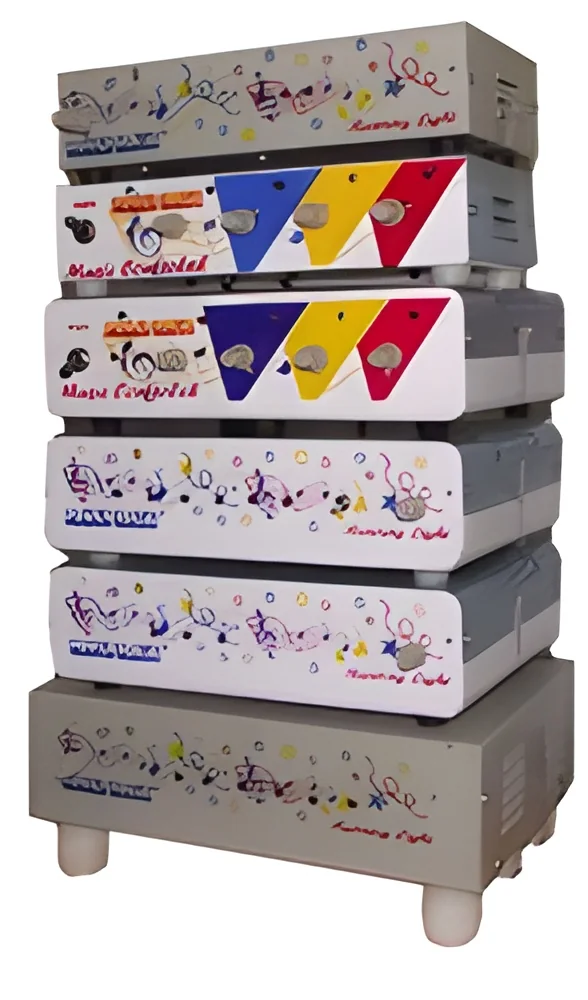
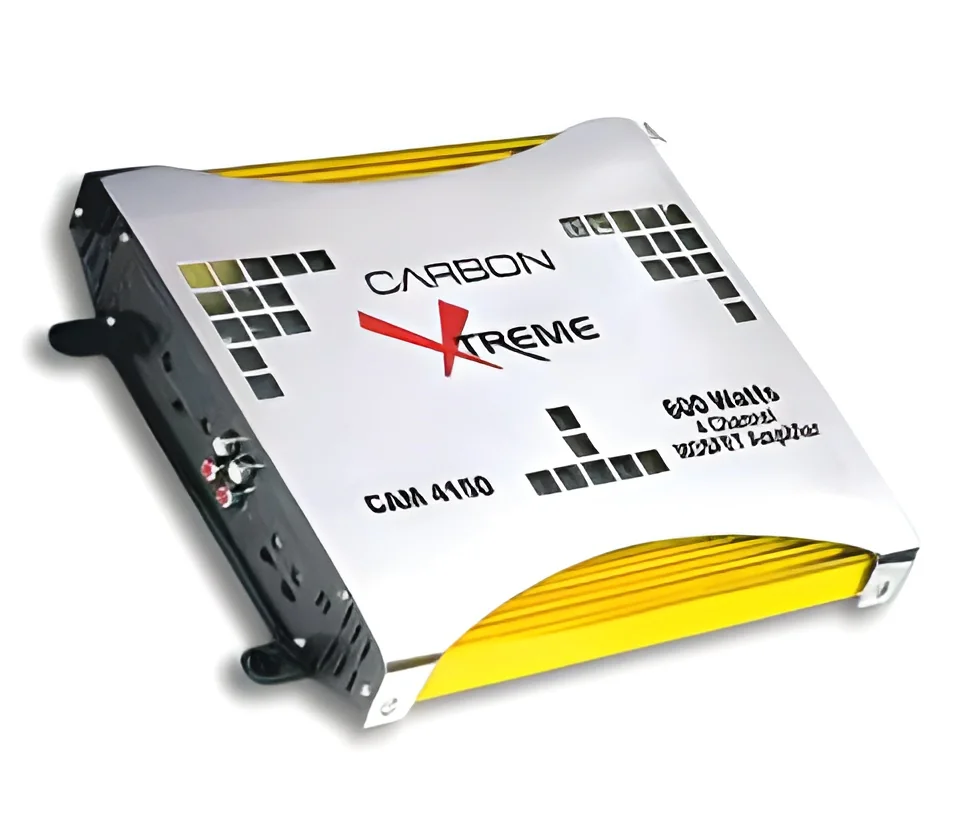
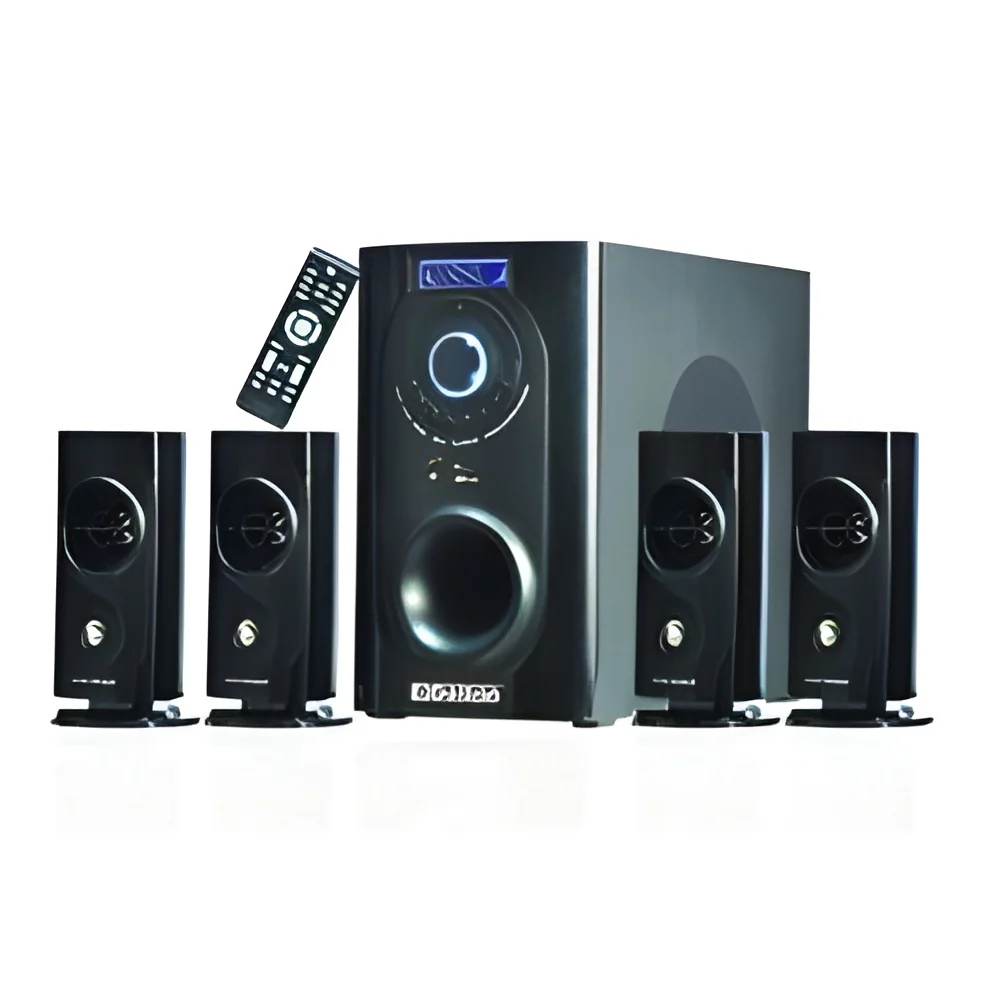
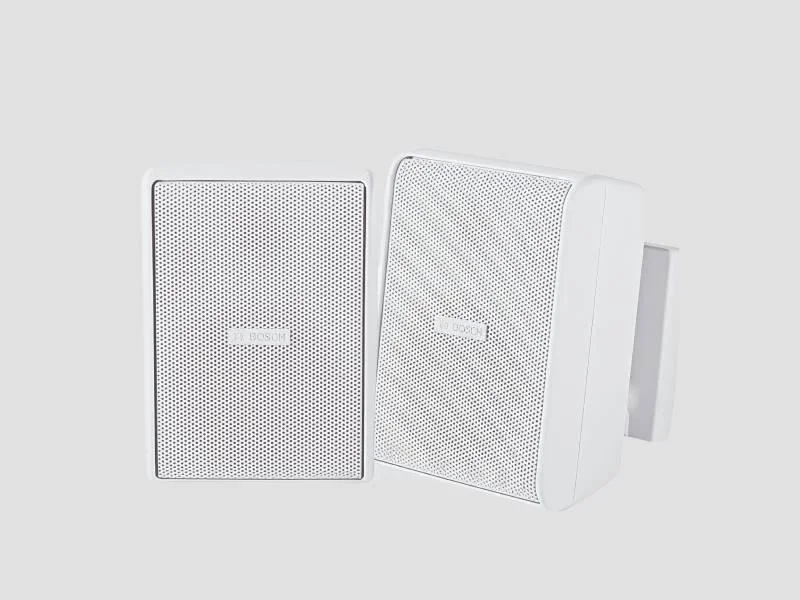
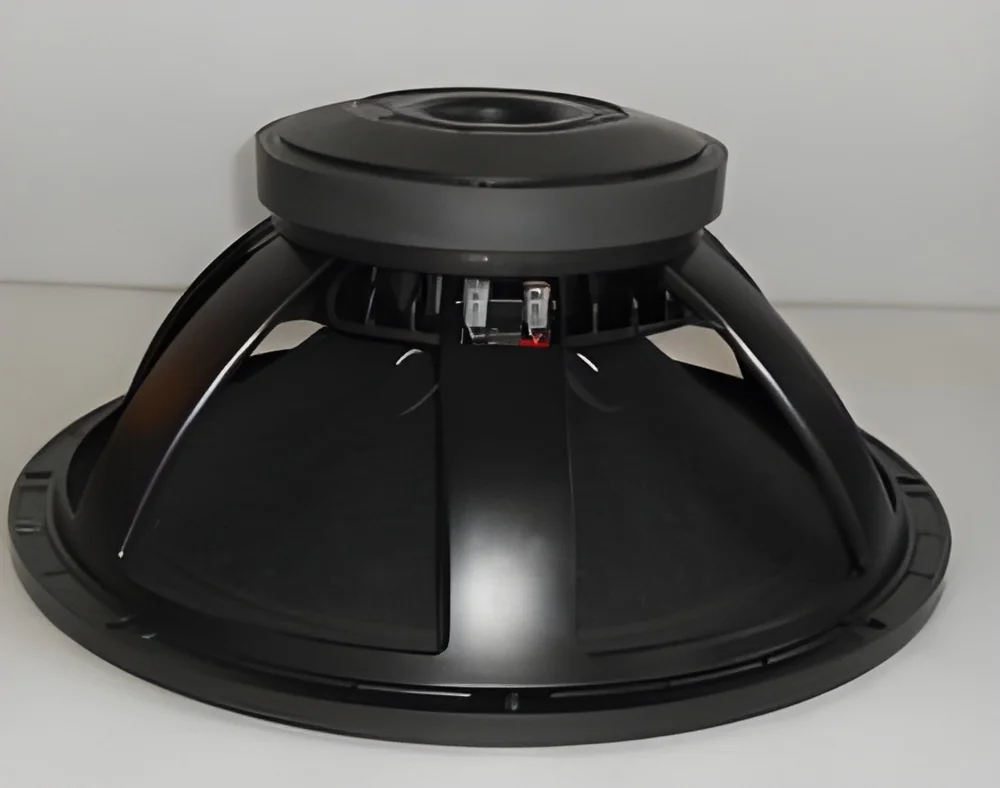
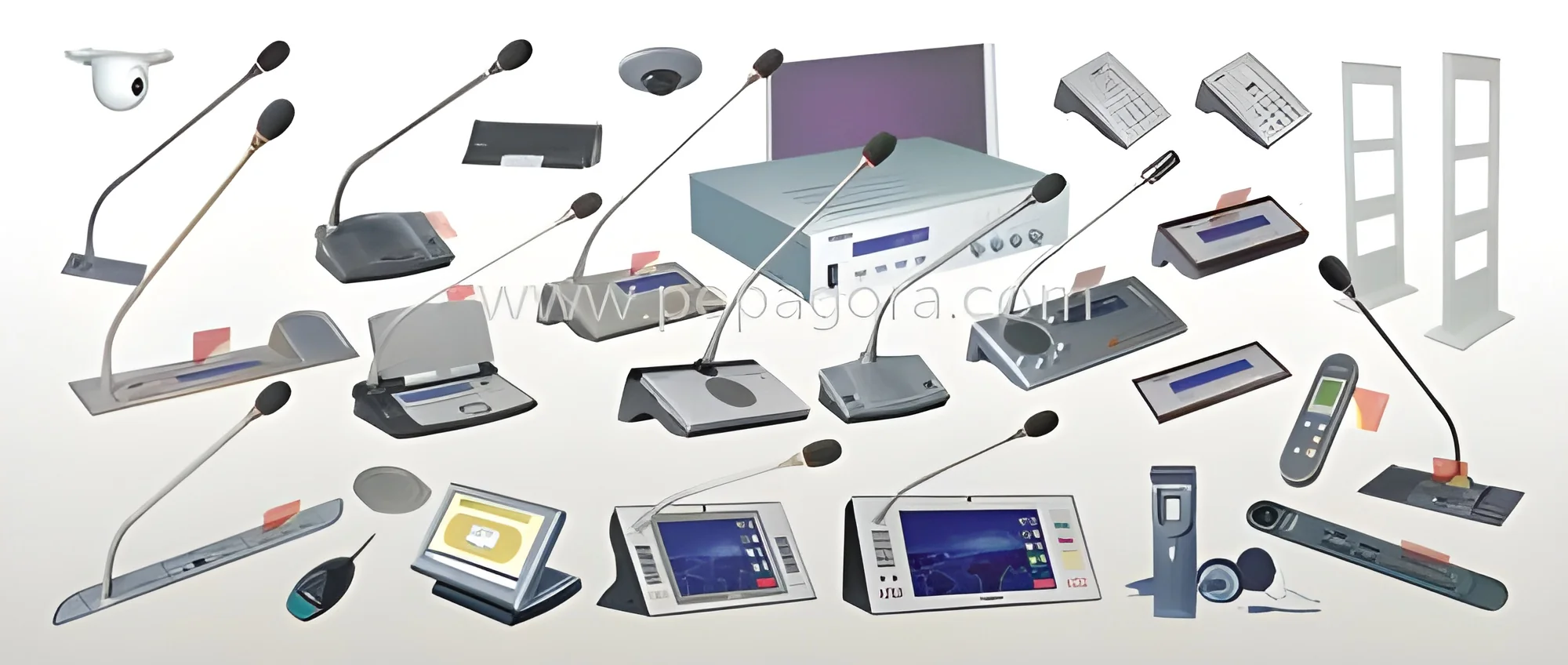
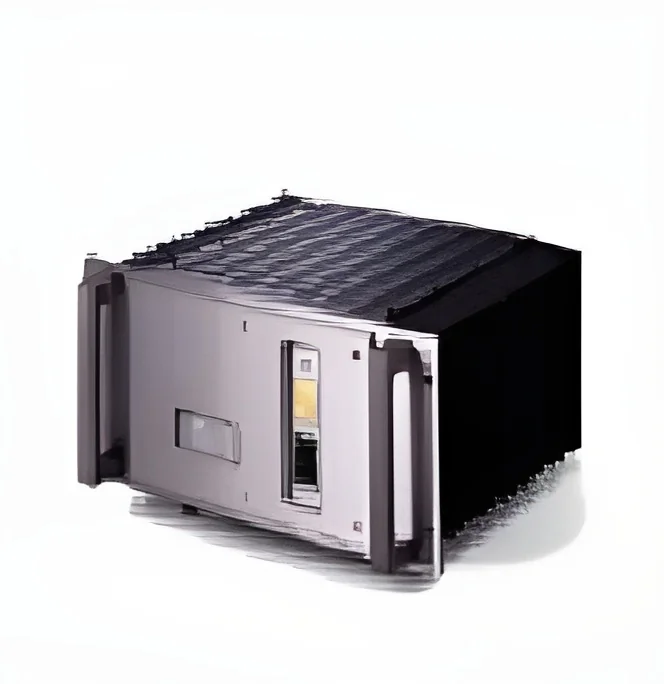
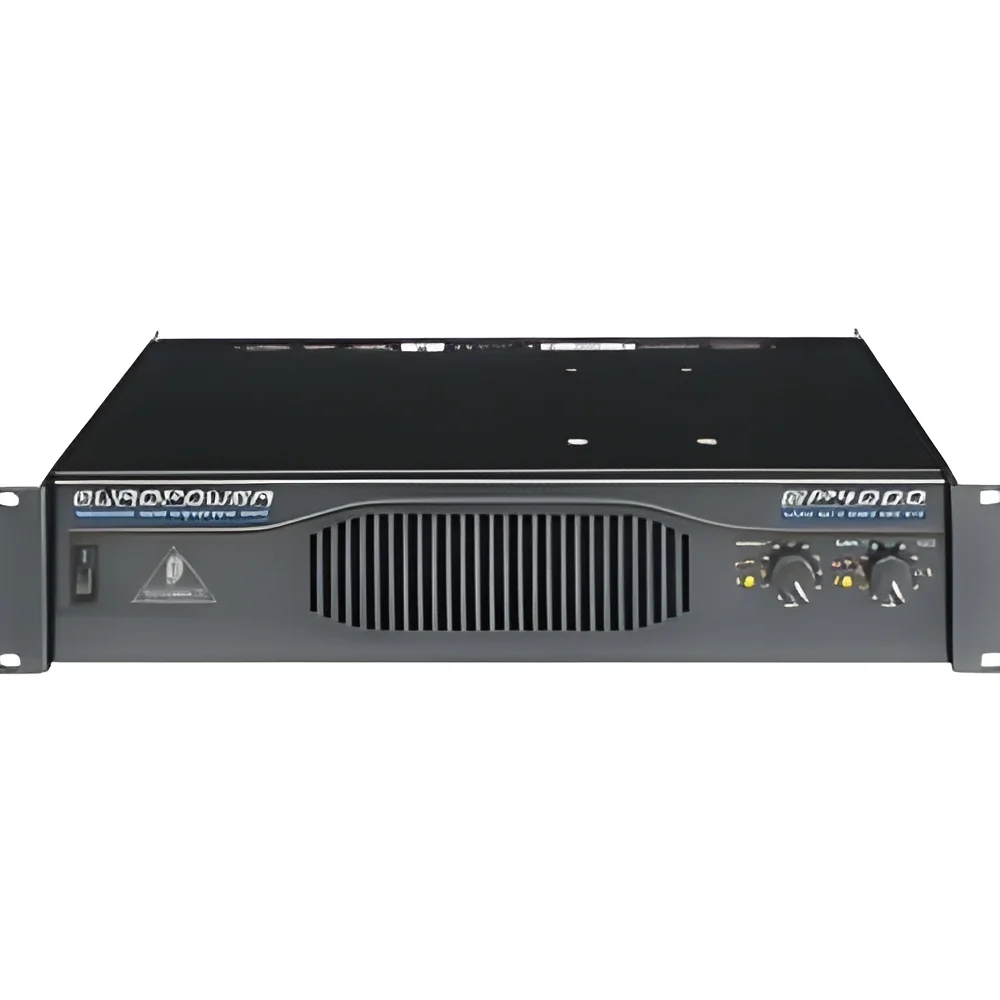
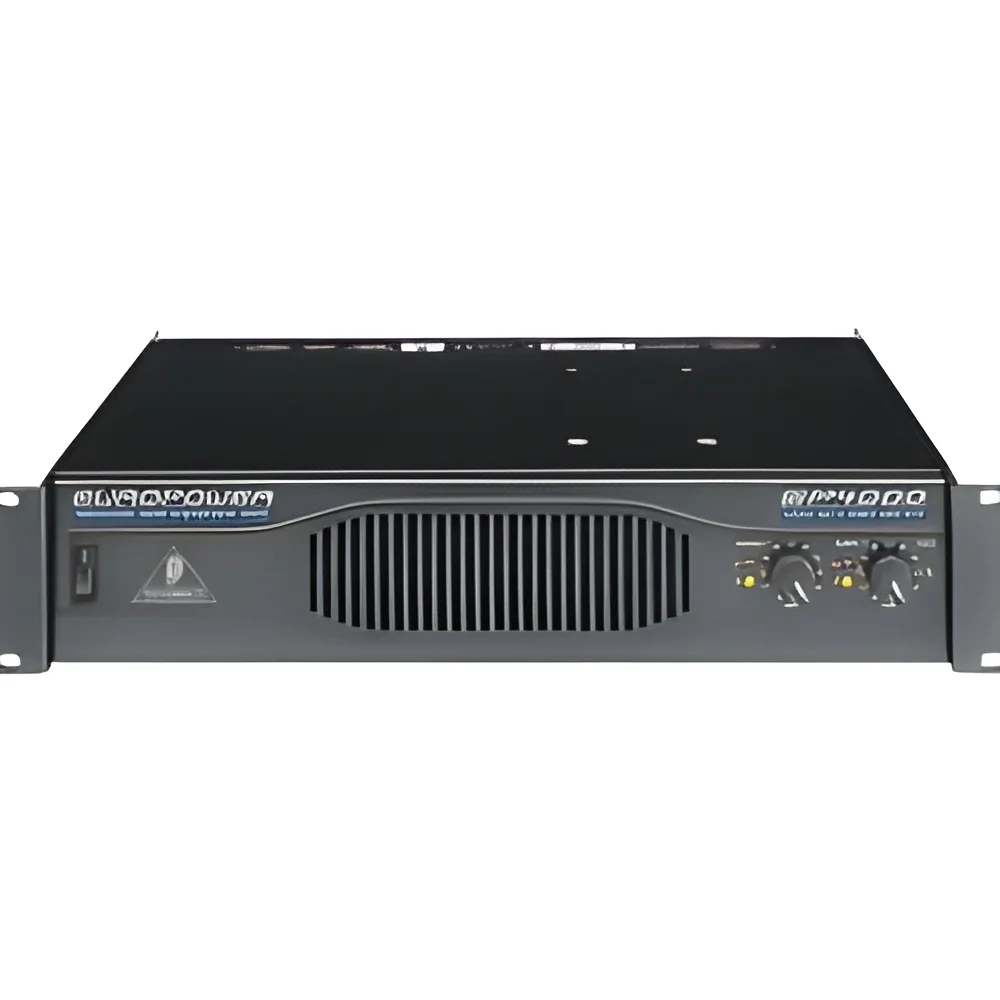
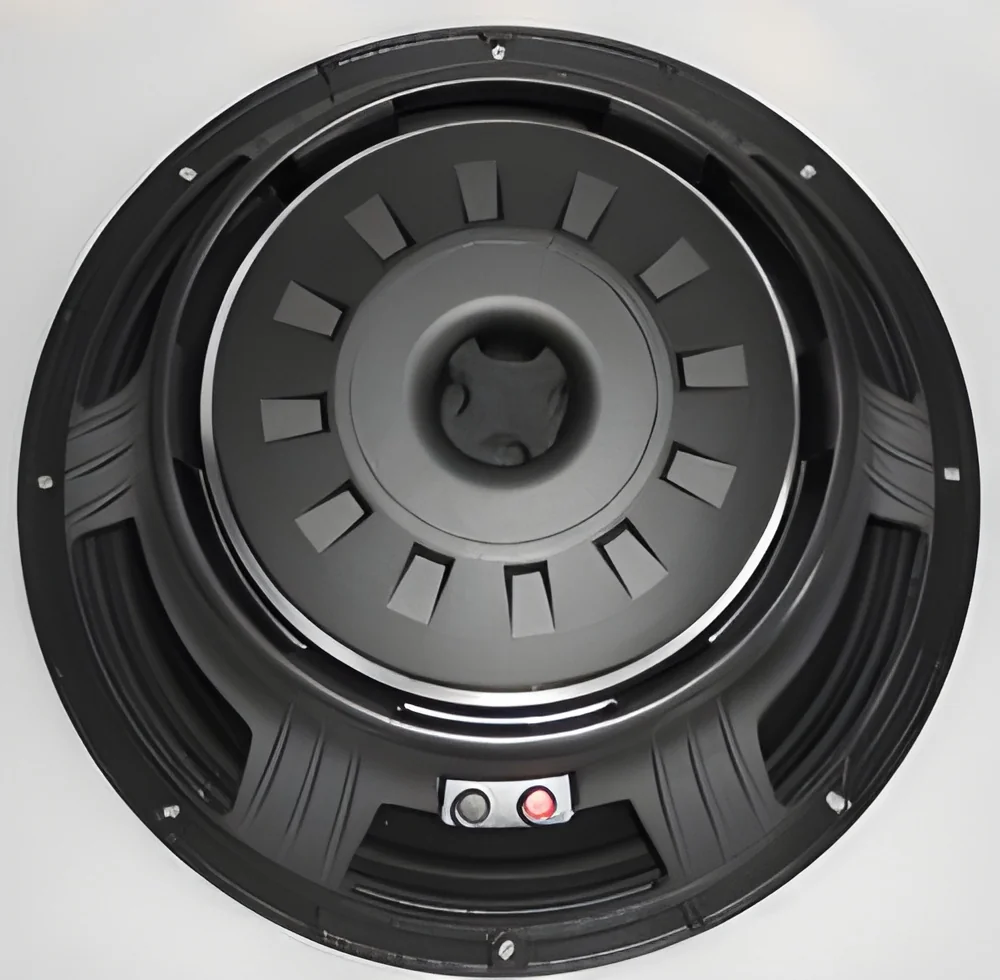
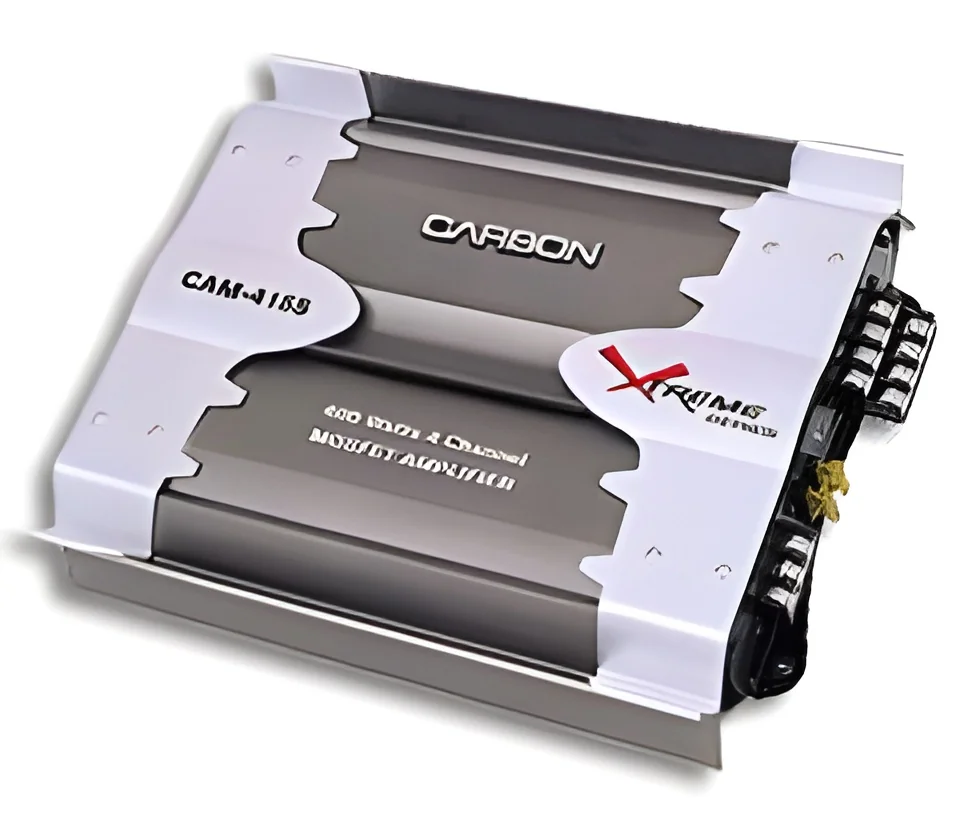
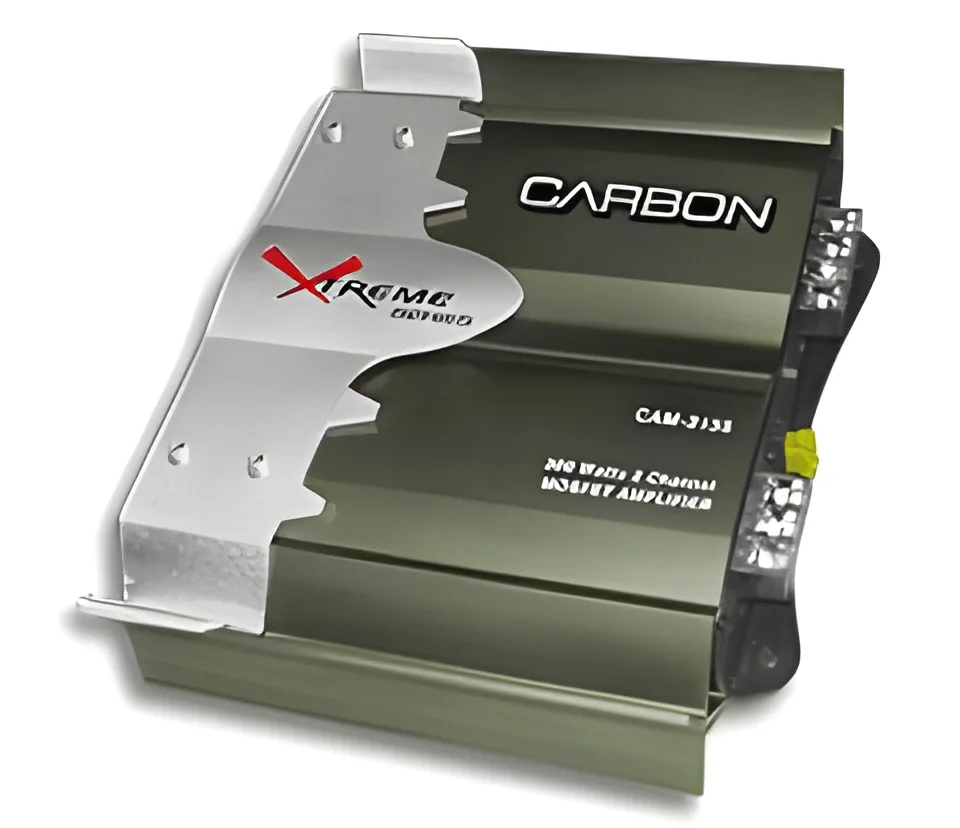
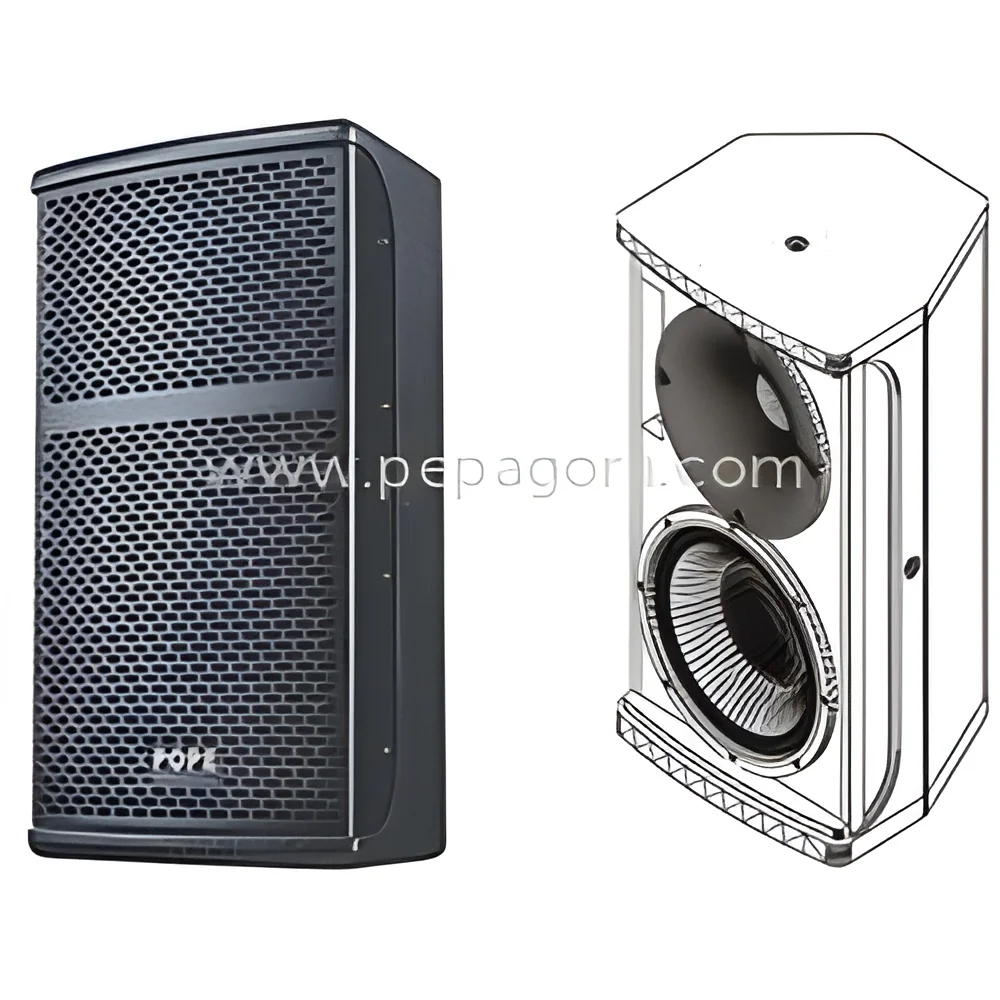
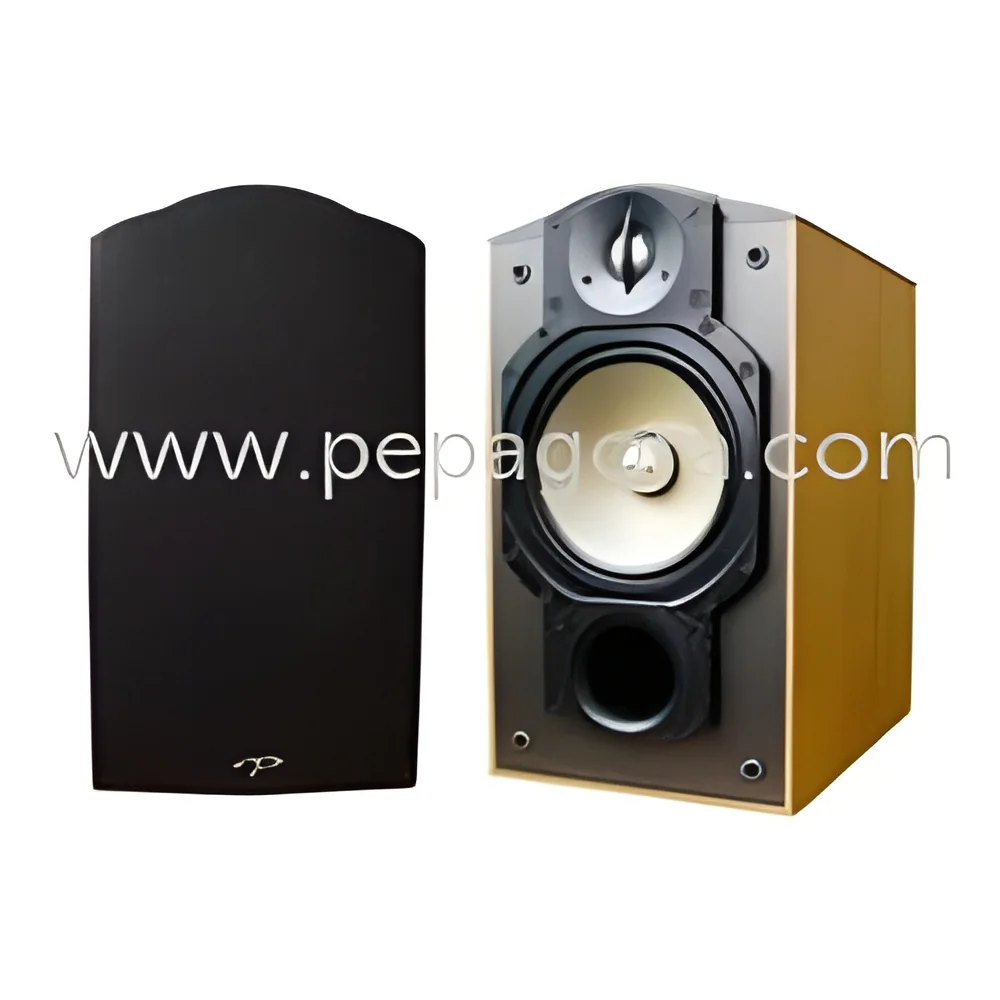
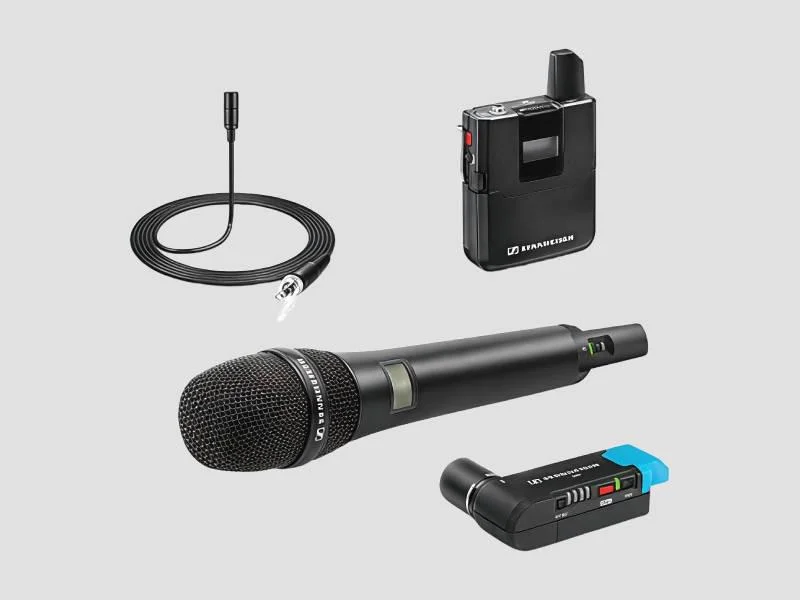
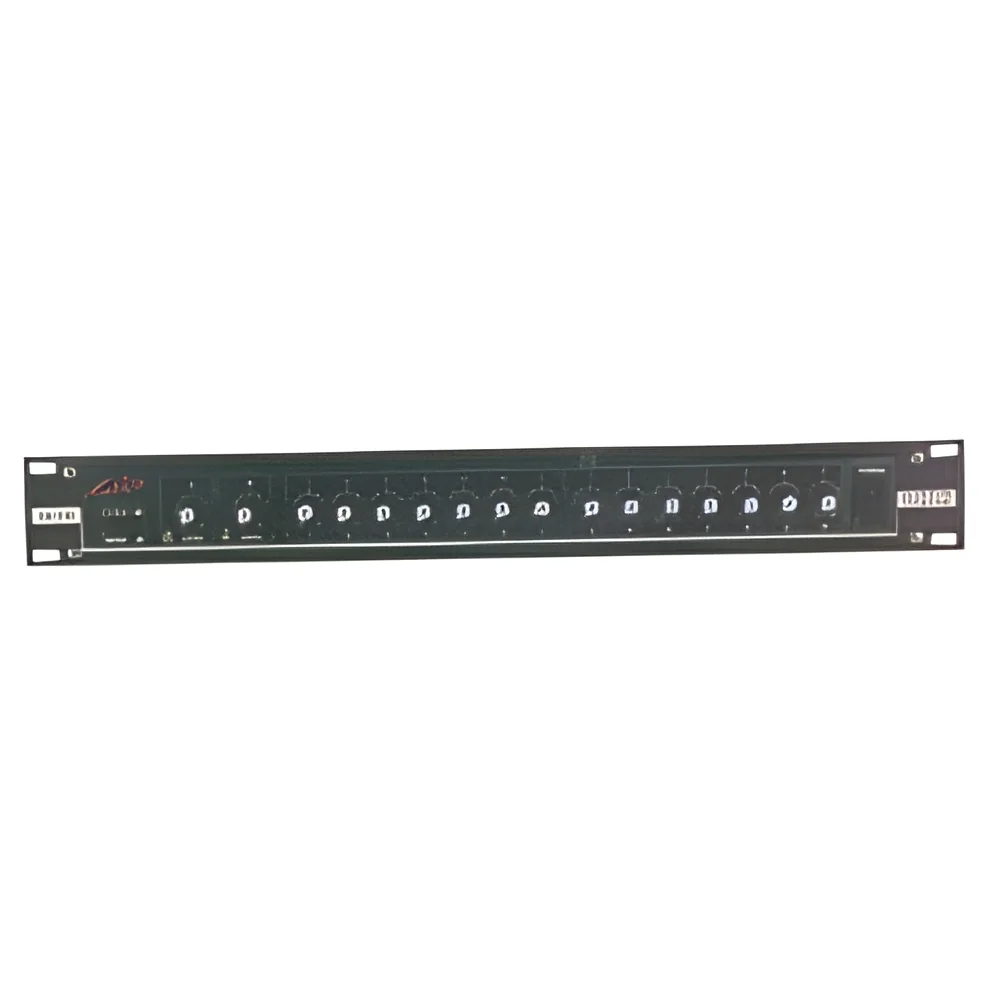
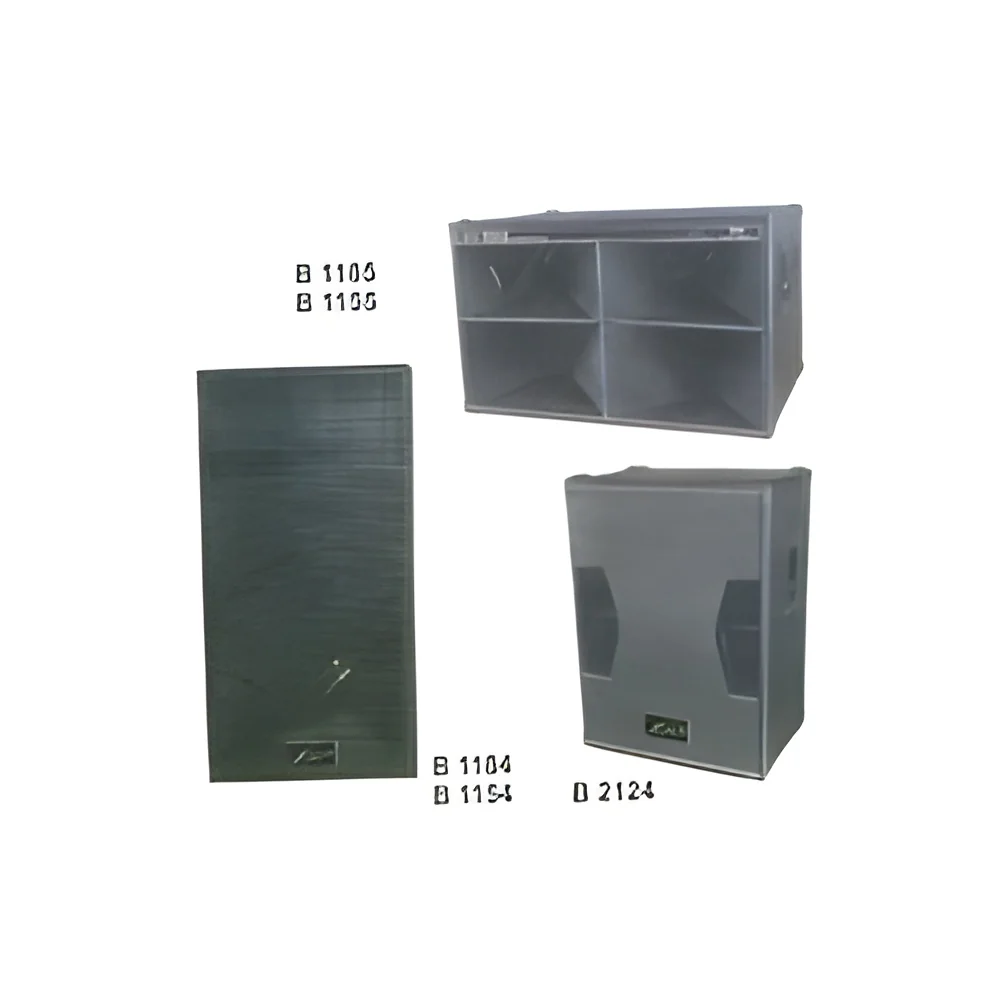
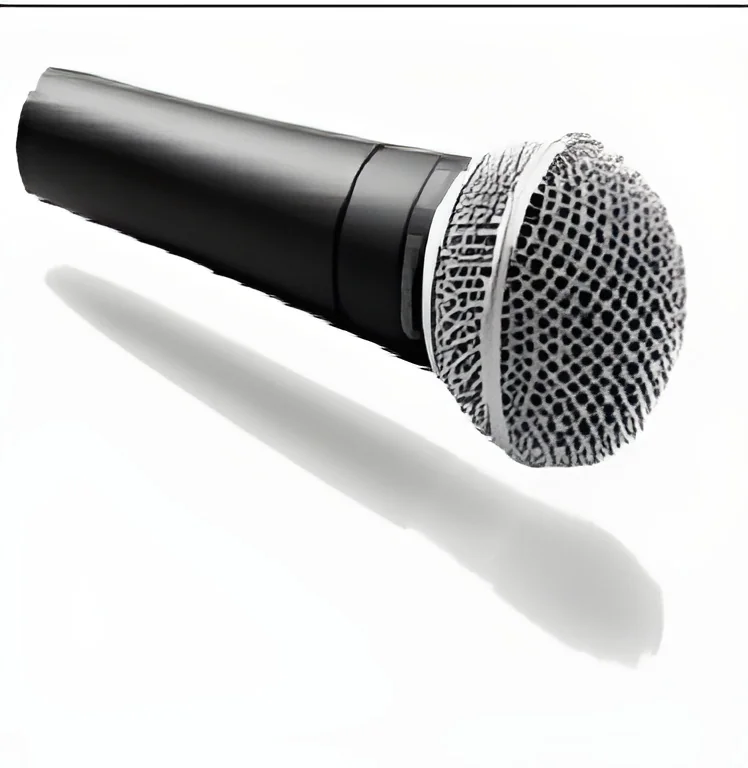
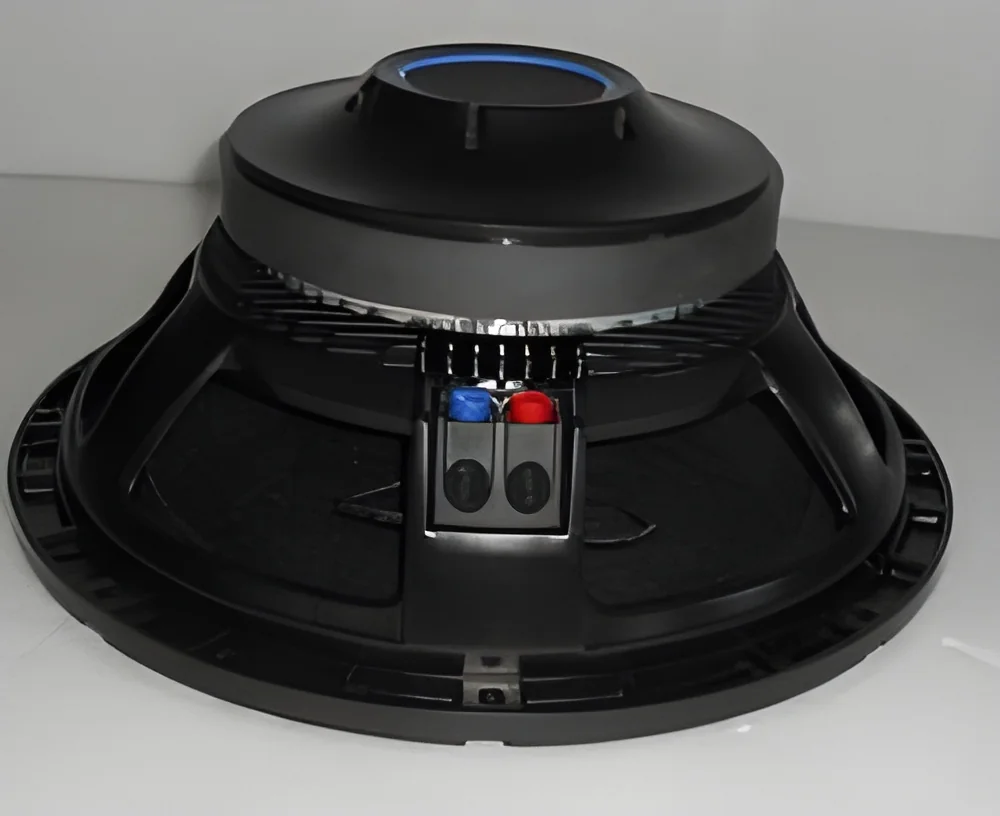
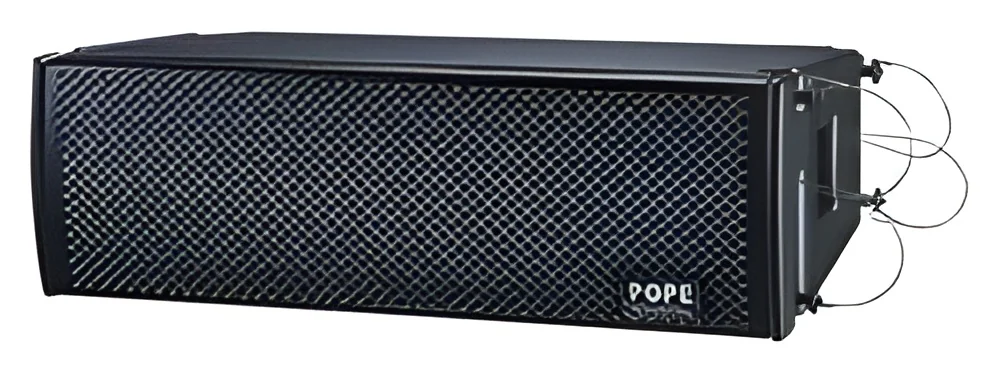
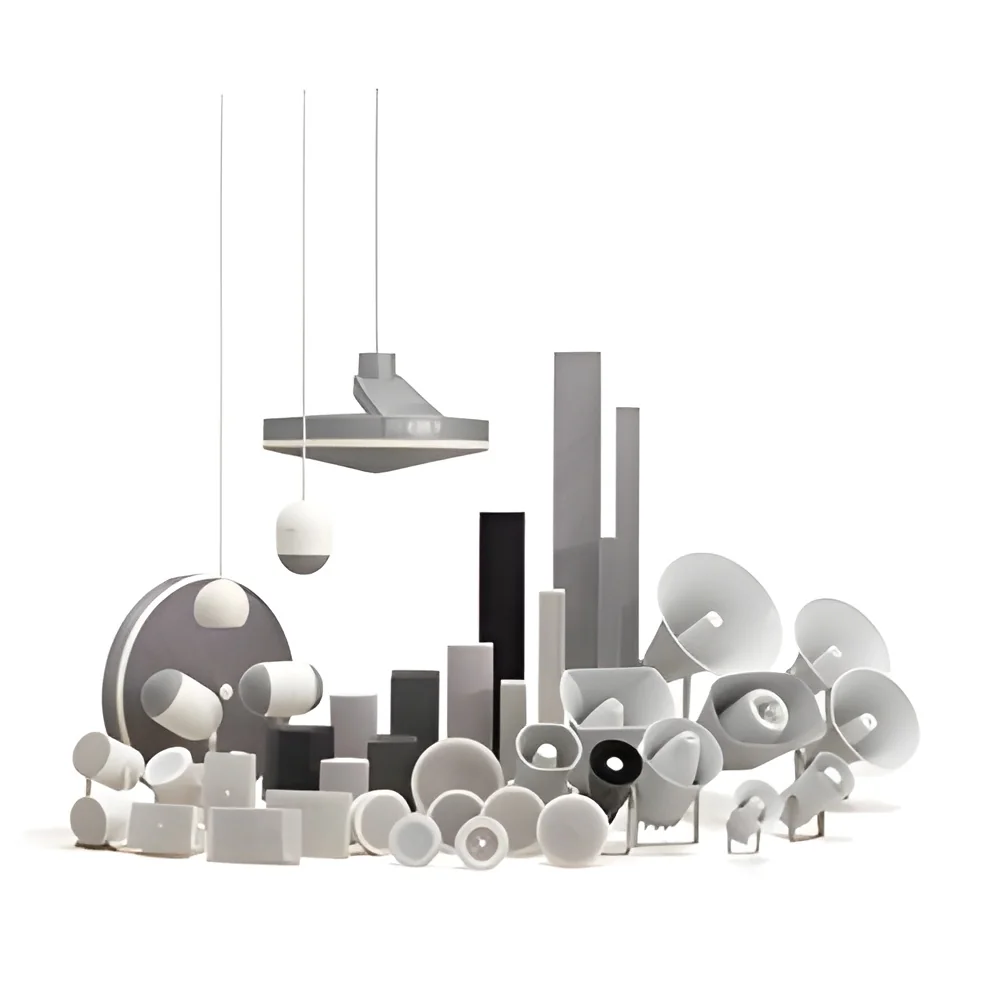
Sound and lighting systems are integrated solutions designed to enhance audio and visual experiences in various environments. These systems combine various components, such as microphones, speakers, lighting fixtures, and control systems, to create immersive sound and light displays. They are essential in settings where effective communication and engaging atmospheres are paramount, including events, concerts, theaters, and corporate functions.
The primary use of sound and lighting systems is to support live performances, presentations, and events. Businesses leverage these systems to improve audience engagement and create memorable experiences. For instance, in the entertainment industry, sound systems amplify performances, while lighting systems set the mood and highlight key moments. Additionally, corporate events utilize these systems for presentations and conferences to ensure clear communication and visually appealing setups.
The relevance of sound and lighting systems in various industries continues to grow. As businesses increasingly prioritize customer engagement, the demand for high-quality audio-visual solutions is on the rise. Emerging technologies and innovations also contribute to market expansion, making it crucial for companies to stay updated on the latest advancements in sound and lighting systems.
𝗞𝗲𝘆 𝗙𝗲𝗮𝘁𝘂𝗿𝗲𝘀 𝗮𝗻𝗱 𝗦𝗽𝗲𝗰𝗶𝗳𝗶𝗰𝗮𝘁𝗶𝗼𝗻𝘀
Sound and lighting systems come with a wide range of features and specifications that cater to diverse needs. Understanding these specifications can help businesses choose the right system for their requirements.
Key specifications include:
1. Audio Output Power
- This specification indicates the maximum power output of the speakers.
- Typical ranges are from 100 to 5000 watts, depending on the system's application.
2. Frequency Response
- This specification describes the range of frequencies that the system can reproduce.
- Standard ranges typically span from 20 Hz to 20 kHz for high-fidelity systems.
3. Lighting Fixture Types
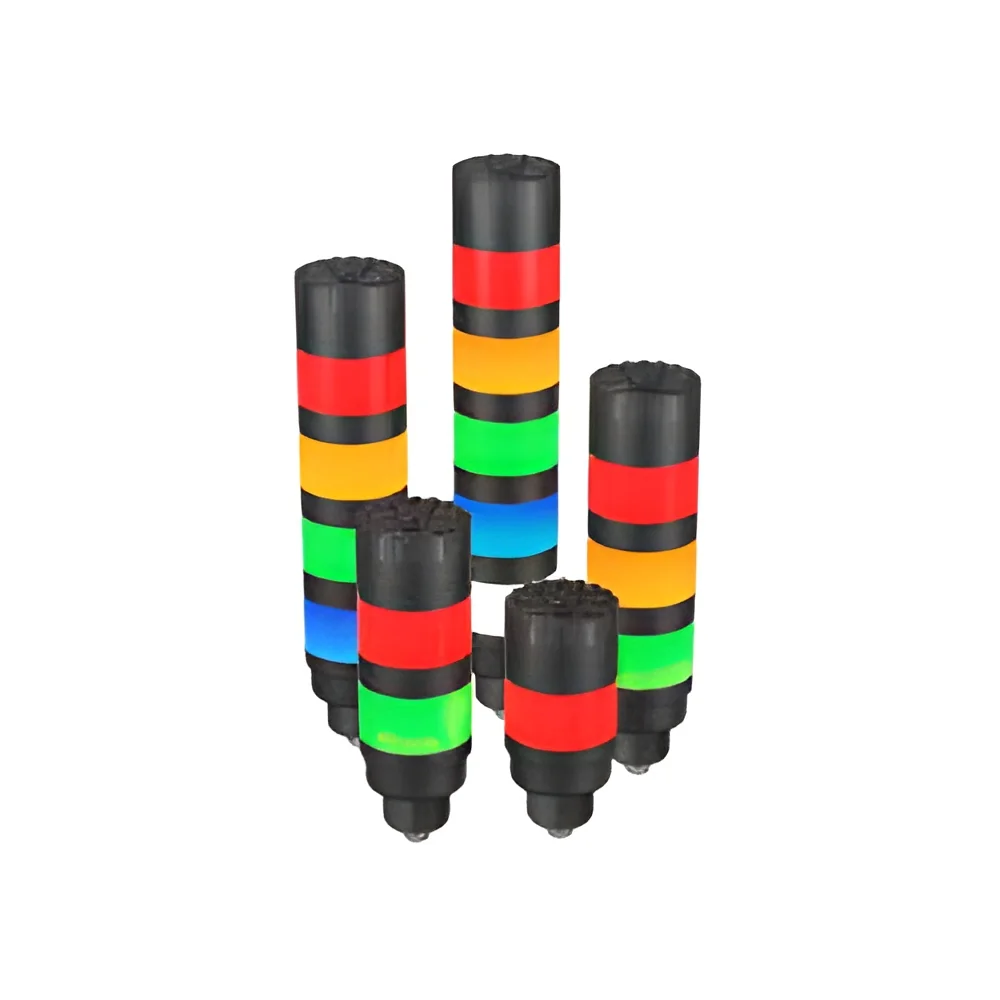
- Various types of lighting fixtures are available, including LED, halogen, and fluorescent.
- Each type offers different brightness levels and color temperatures.
4. Control Systems
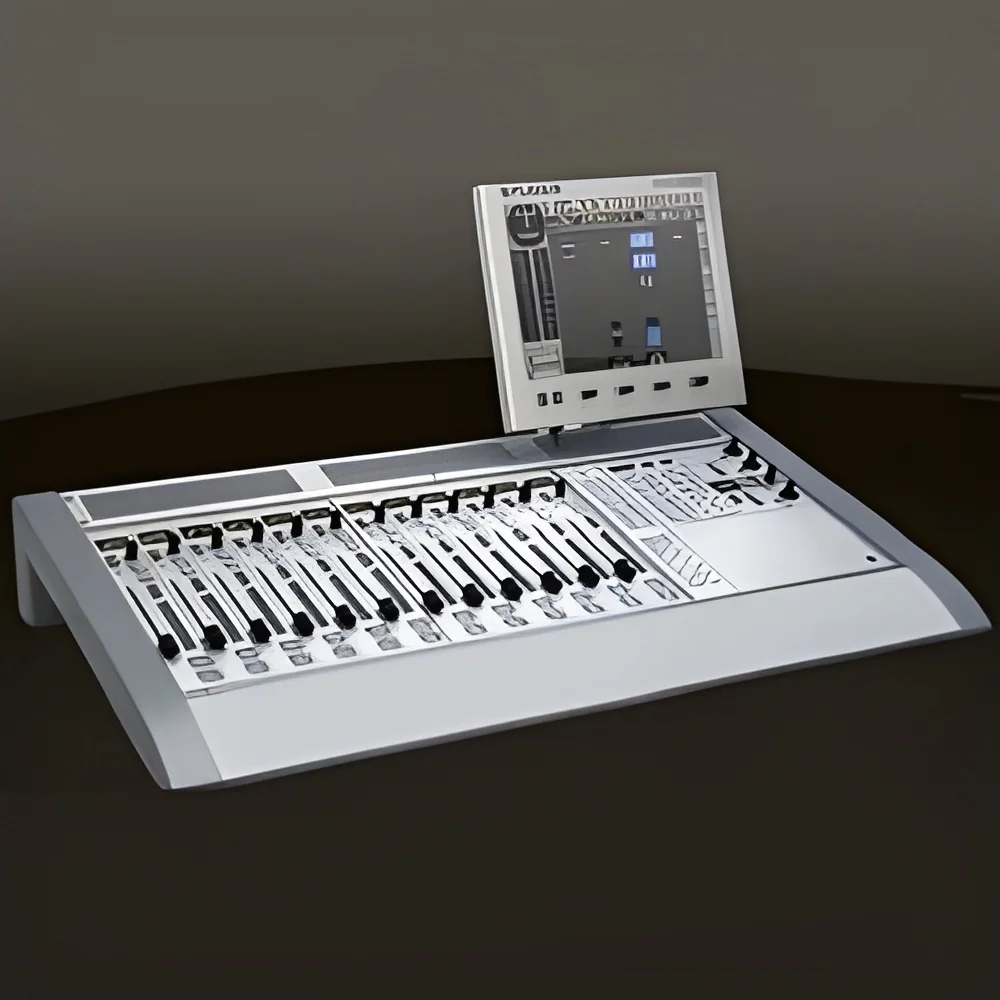
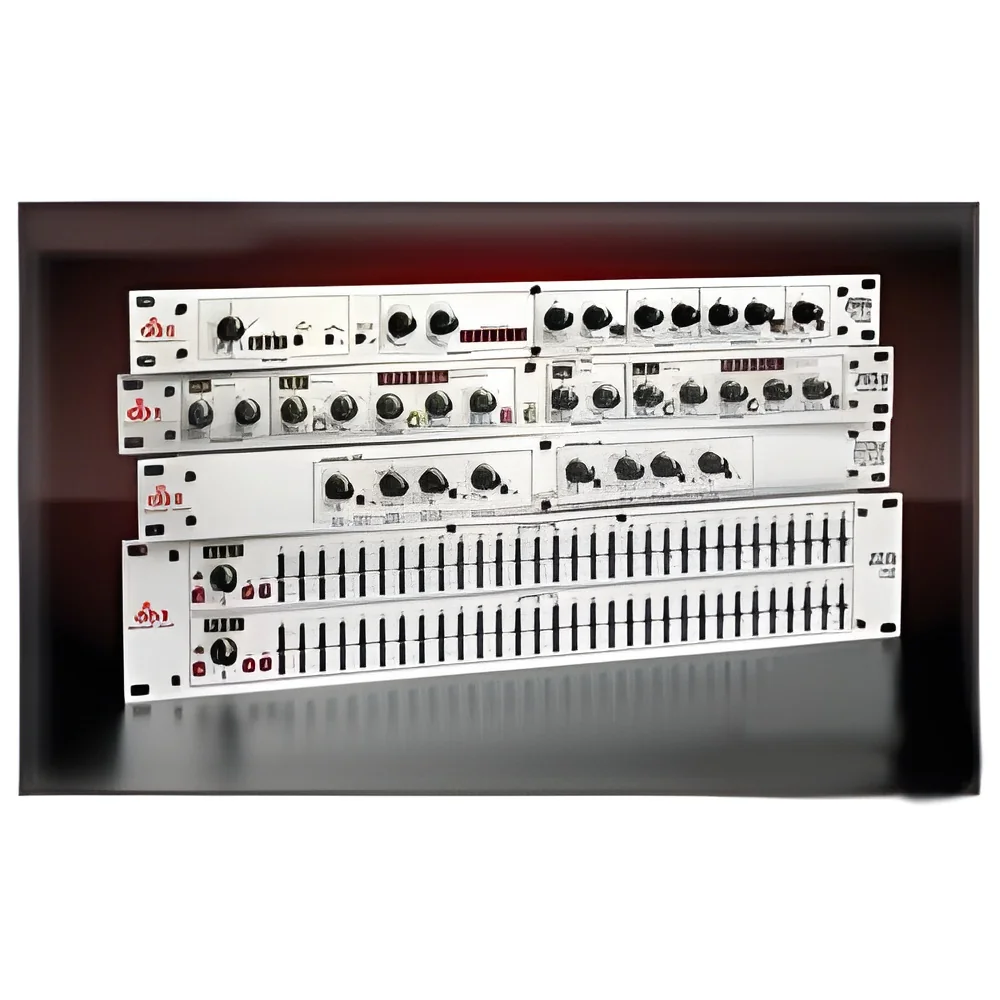
- Integrated control systems allow for real-time manipulation of audio and lighting effects.
- Compatibility with software platforms enhances functionality.
5. Connectivity Options
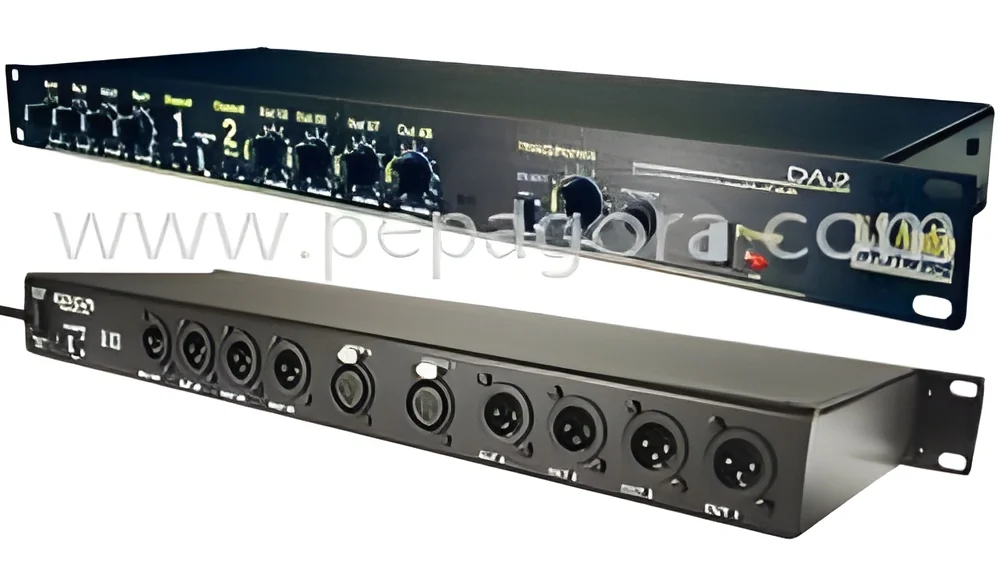
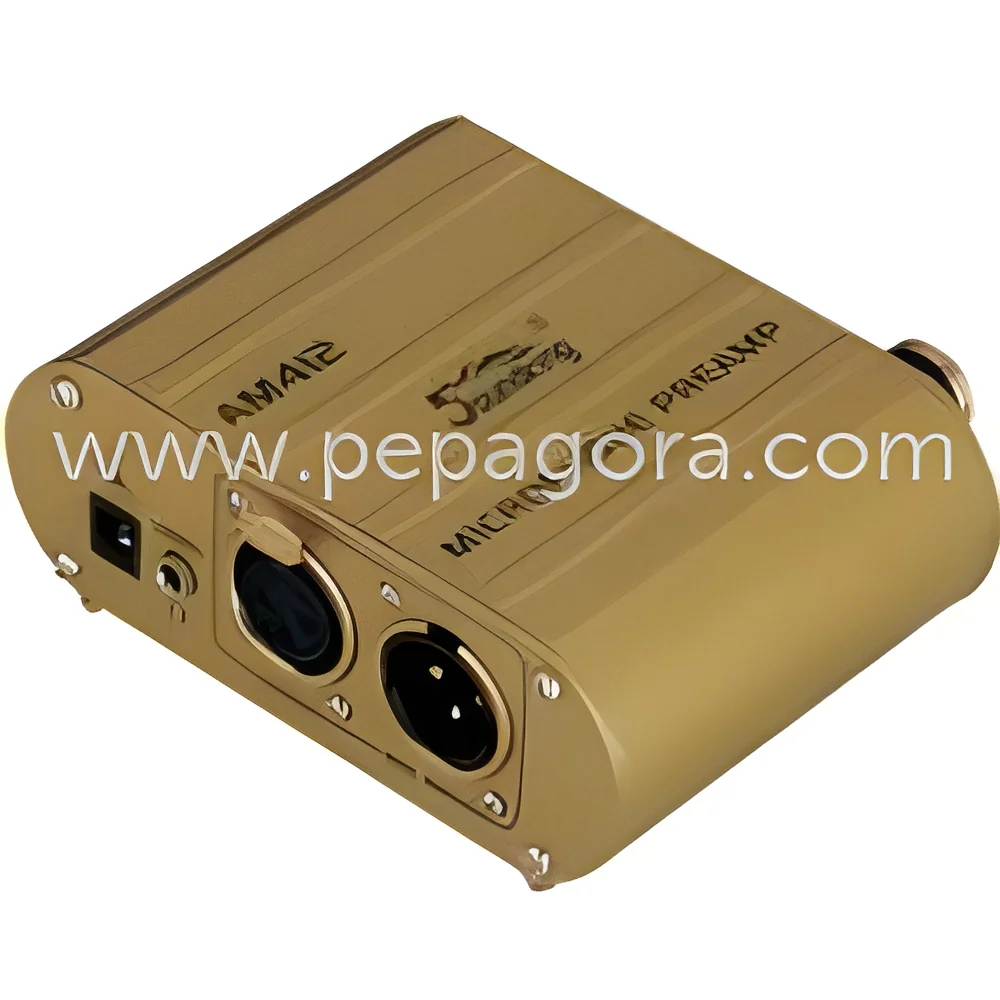
- Systems may feature various input options, including XLR, HDMI, and USB.
- Wireless connectivity has become increasingly popular for flexibility.
6. Durability Standards
- Many systems are designed to withstand rugged environments, making them suitable for outdoor use.
- Look for IP ratings that indicate resistance to dust and moisture.
7. Size and Portability
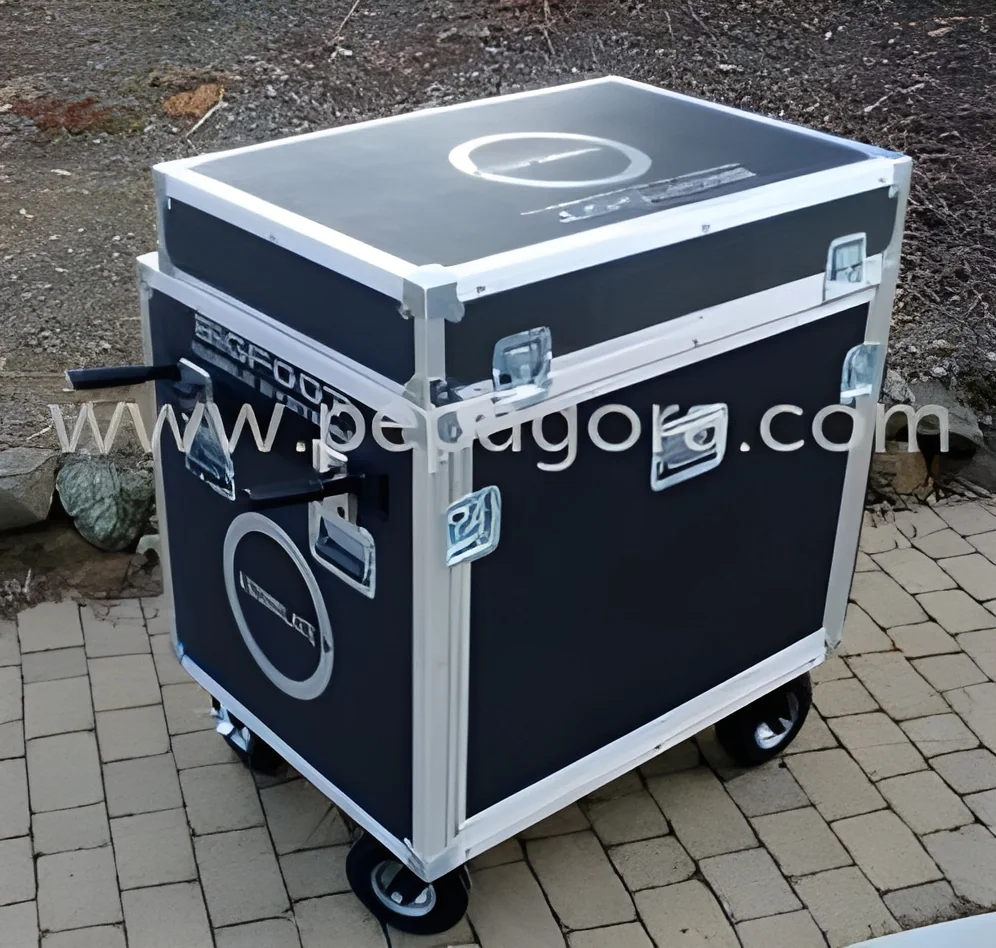
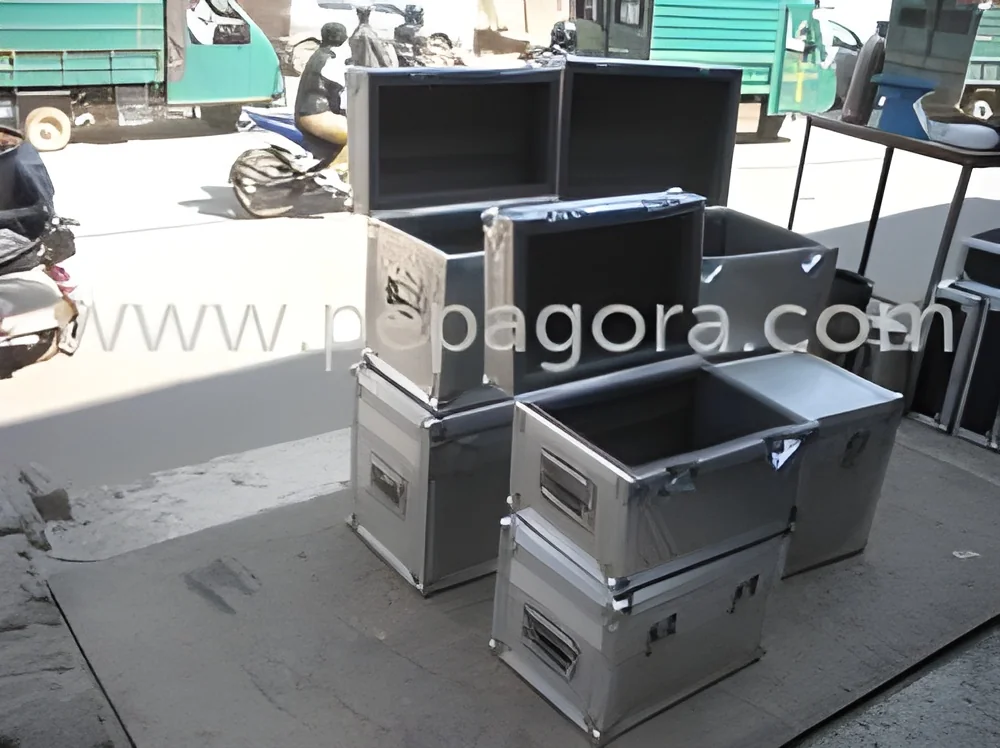
- Some sound and lighting systems are compact and portable, while others are designed for permanent installation.
- Consider the space and transport needs when selecting a system.
In summary, understanding the key features and specifications of sound and lighting systems is vital for making informed purchasing decisions. These systems must meet the specific requirements of the intended application to deliver optimal performance.
𝗖𝗼𝗺𝗺𝗼𝗻 𝗔𝗽𝗽𝗹𝗶𝗰𝗮𝘁𝗶𝗼𝗻𝘀 𝗮𝗻𝗱 𝗨𝘀𝗲 𝗖𝗮𝘀𝗲𝘀
Sound and lighting systems serve a wide array of industries and applications.
1. Entertainment: In concerts and festivals, sound and lighting systems create dynamic experiences that captivate audiences. High-quality audio is essential for performers, while lighting enhances the visual impact.
2. Corporate Events: Businesses utilize these systems for conferences and presentations. Clear sound ensures effective communication, while professional lighting adds polish to corporate settings.
3. Theatrical Productions: In theaters, sound and lighting systems are critical for storytelling. They create ambiance and highlight performers, enhancing the overall production quality.
4. Houses of Worship: Sound and lighting systems in places of worship support services and events. They ensure that messages are conveyed clearly and create an inviting atmosphere.
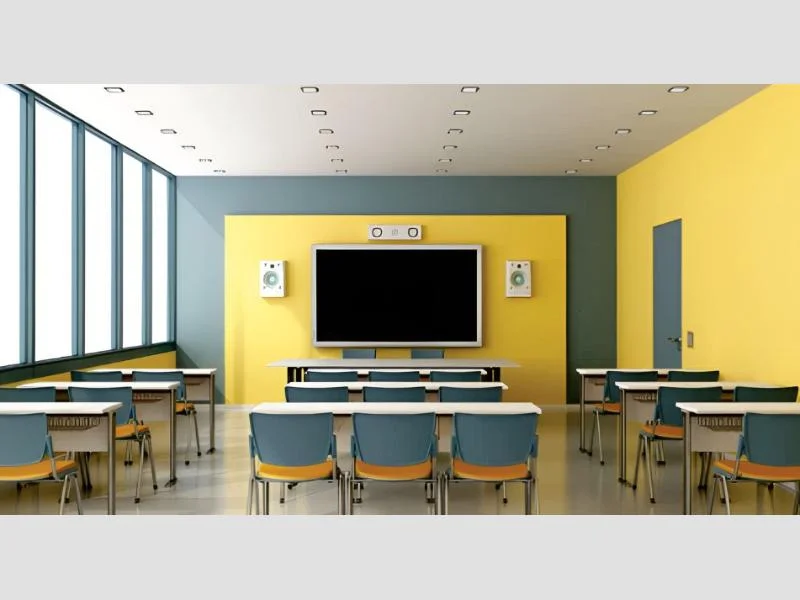
5. Educational Institutions: Schools and universities use these systems for lectures and events. They facilitate learning and engagement through effective audio-visual presentations.
6. Trade Shows: At trade shows, sound and lighting systems attract visitors to booths. Engaging displays can significantly impact audience interest and participation.
7. Sports Events: In sports venues, these systems enhance the spectator experience. Announcements and music, combined with targeted lighting, create an exciting atmosphere.
𝗣𝗿𝗼𝗱𝘂𝗰𝘁 𝗩𝗮𝗿𝗶𝗮𝗻𝘁𝘀 𝗮𝗻𝗱 𝗦𝘂𝗯𝗰𝗮𝘁𝗲𝗴𝗼𝗿𝗶𝗲𝘀
Sound and lighting systems come in various configurations to suit different needs and environments.
Portable Sound Systems
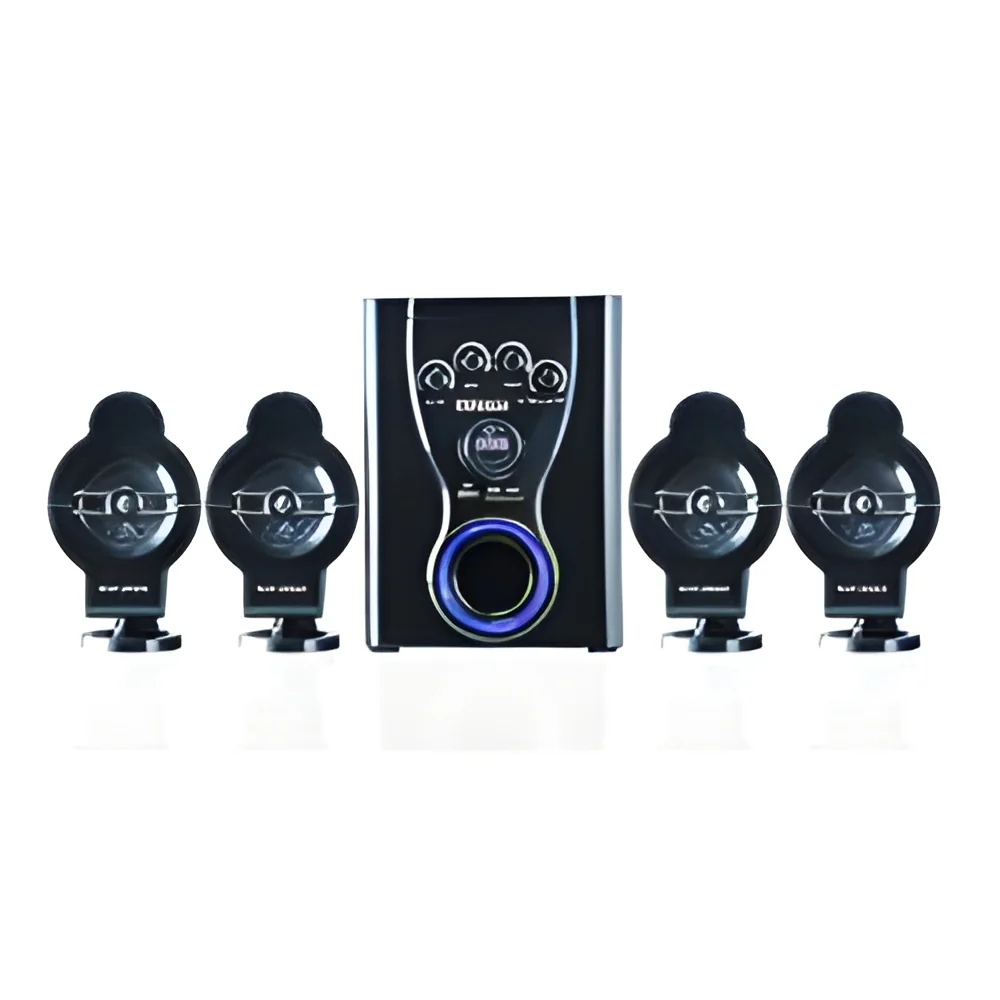
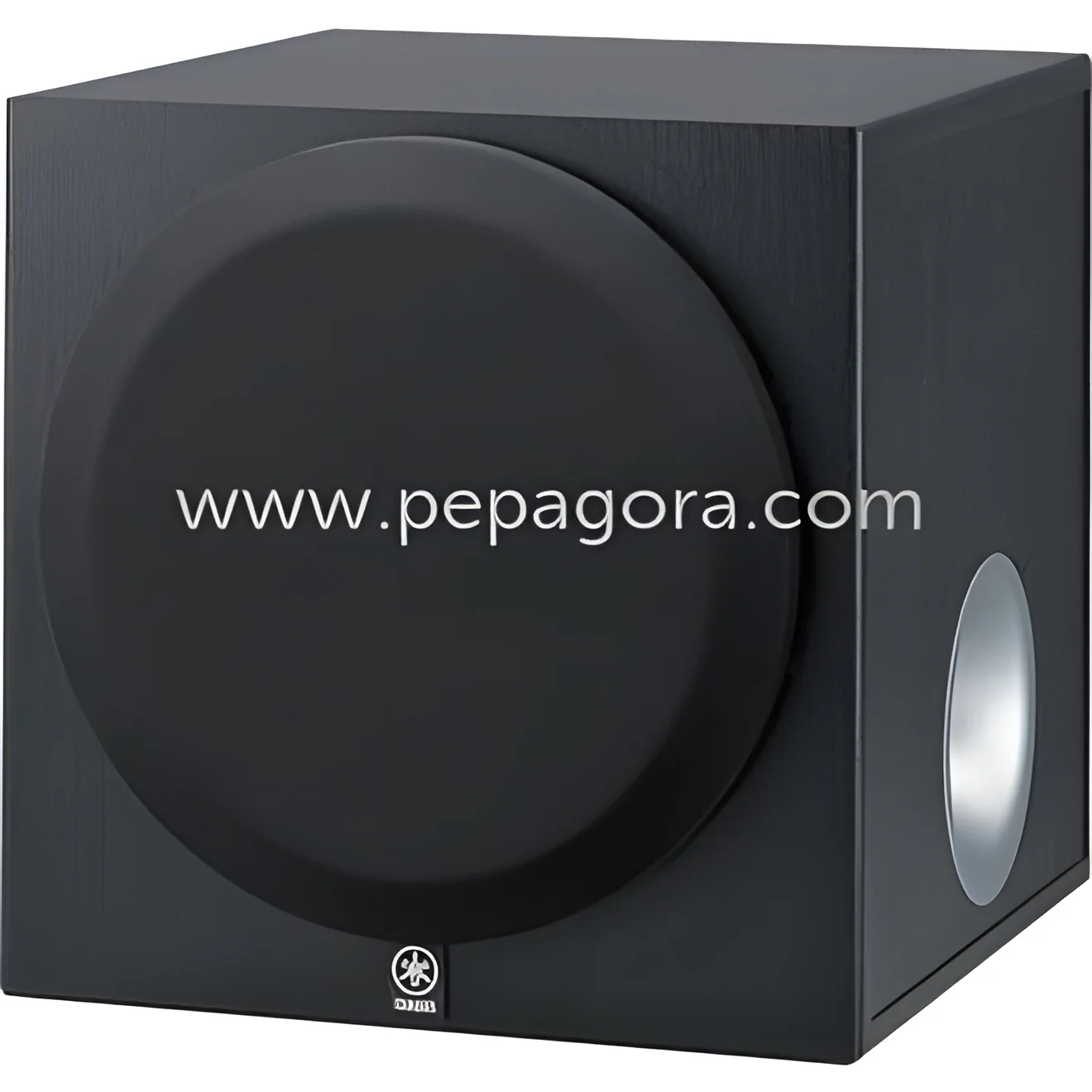
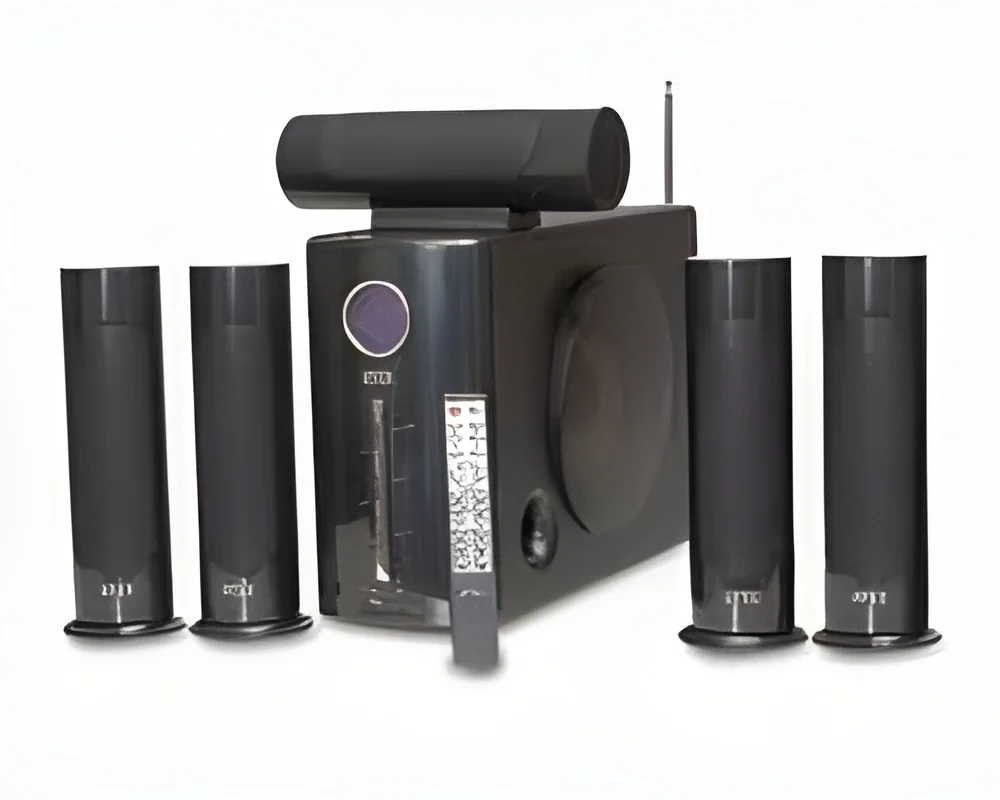
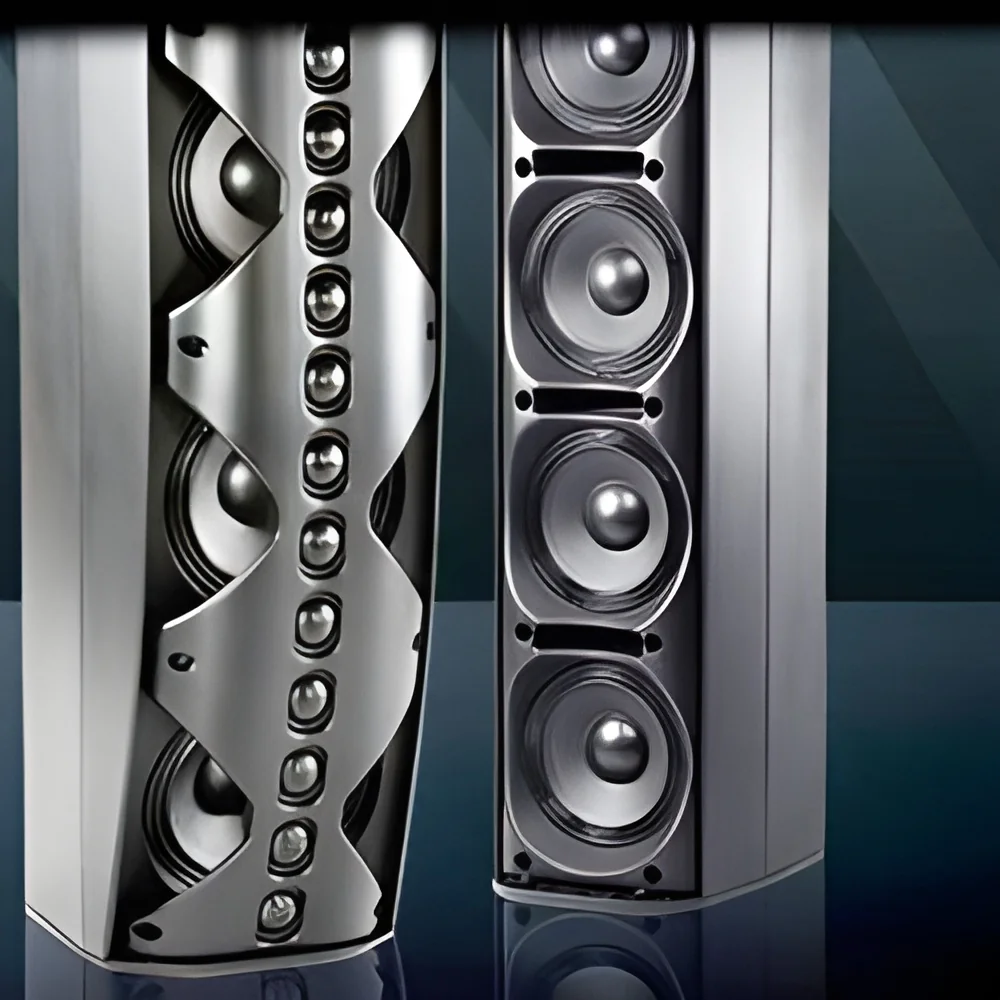
These systems are designed for easy transport and setup, making them ideal for events on the go. They typically include built-in amplifiers and speakers, ensuring quick deployment.
Professional Lighting Systems
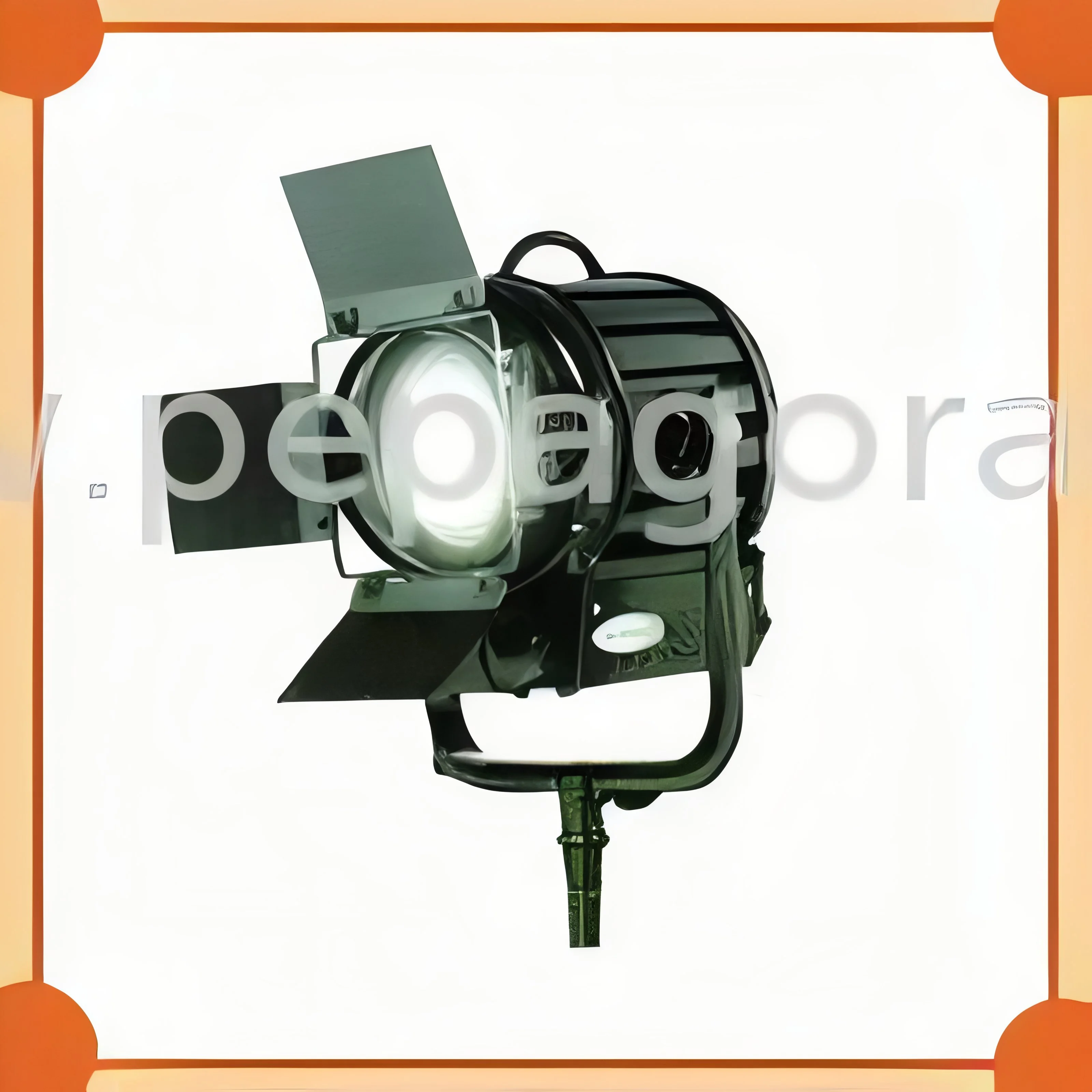
These systems offer advanced lighting solutions, including intelligent fixtures and programmable controls. They are widely used in large-scale events and theatrical productions where precision is essential.
Integrated AV Systems
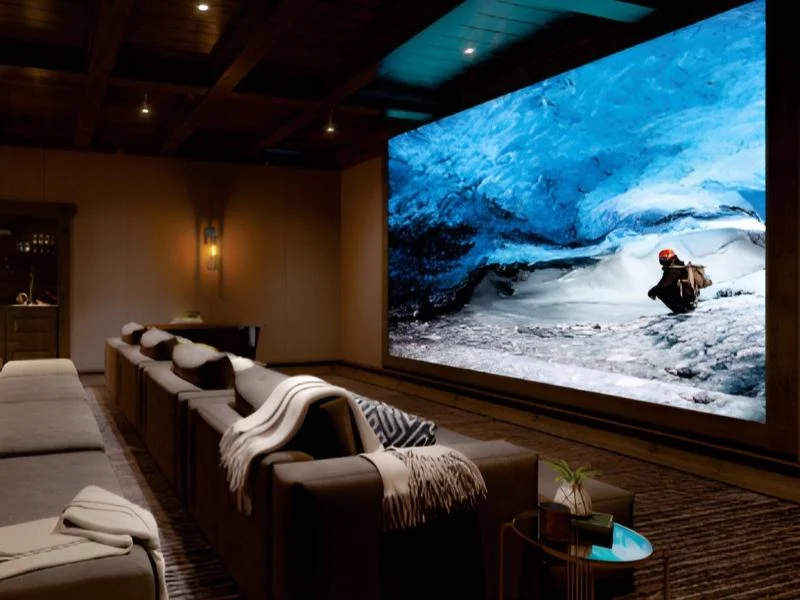
These comprehensive systems combine audio, video, and lighting into a single solution. They are often used in corporate environments for conferences, providing seamless integration for presentations.
𝗕𝗲𝗻𝗲𝗳𝗶𝘁𝘀 𝗮𝗻𝗱 𝗔𝗱𝘃𝗮𝗻𝘁𝗮𝗴𝗲𝘀
Investing in sound and lighting systems offers numerous benefits for businesses.
1. Enhanced Communication: High-quality sound systems ensure that messages are delivered clearly, reducing misunderstandings in gatherings.
2. Increased Engagement: Effective lighting can captivate audiences, leading to higher engagement levels during events and presentations.
3. Versatility: These systems can be adapted for various applications, from concerts to corporate meetings, providing value across different settings.
4. Professional Appearance: A well-executed sound and lighting setup enhances the professionalism of any event, leaving a lasting impression on attendees.
5. Technological Integration: Modern systems often support integration with other technologies, providing flexibility and enhanced functionality.
6. Improved Atmosphere: Lighting can significantly alter the mood and ambiance of an event, creating a more inviting and enjoyable experience for participants.
𝗕𝘂𝘆𝗶𝗻𝗴 𝗚𝘂𝗶𝗱𝗲 𝗳𝗼𝗿 𝗕𝟮𝗕 𝗕𝘂𝘆𝗲𝗿𝘀
When sourcing sound and lighting systems, businesses should consider several critical factors to ensure they make the right choice.
1. Quality Assessment: Evaluate the quality of components, including speakers and lighting fixtures. Look for reputable brands with positive reviews and warranties.
2. Supplier Verification: Vet suppliers thoroughly to ensure they are credible and have a track record of delivering quality products. Request references and check customer feedback.
3. Pricing and MOQ: Understand pricing structures and minimum order quantities. Compare costs across different suppliers to ensure competitive pricing without sacrificing quality.
4. Delivery and Lead Times: Consider logistics and delivery timelines. Ensure that the supplier can meet your project deadlines to avoid disruptions.
5. Compliance Requirements: Be aware of any industry-specific compliance and certification requirements. Ensure products meet safety standards and regulations applicable in your region.
𝗖𝗼𝗺𝗽𝗹𝗶𝗮𝗻𝗰𝗲 𝗮𝗻𝗱 𝗖𝗲𝗿𝘁𝗶𝗳𝗶𝗰𝗮𝘁𝗶𝗼𝗻𝘀
Compliance and certifications play a vital role in ensuring the quality and safety of sound and lighting systems. Relevant quality standards such as ISO 9001 ensure that products are manufactured to high-quality management principles.
Industry certifications like CE denote compliance with European safety standards, ensuring that products meet essential health and safety requirements. Manufacturers must also adhere to safety and testing requirements, particularly for electrical components, to minimize risks during operation.
Regional compliance considerations may vary, and businesses should familiarize themselves with local regulations regarding sound and lighting equipment. Understanding these compliance aspects is crucial for ensuring safe and reliable operation in various applications.
𝗪𝗵𝘆 𝗦𝗼𝘂𝗿𝗰𝗲 𝗦𝗼𝘂𝗻𝗱 & 𝗟𝗶𝗴𝗵𝘁𝗶𝗻𝗴 𝗦𝘆𝘀𝘁𝗲𝗺𝘀 𝗳𝗿𝗼𝗺 𝗣𝗲𝗽𝗮𝗴𝗼𝗿𝗮?
Pepagora provides a trusted platform for sourcing sound and lighting systems, offering several key advantages for B2B buyers.
Verified Supplier Network: Pepagora connects buyers with a network of verified suppliers. This verification process ensures that you are partnering with reputable manufacturers and distributors.
Streamlined RFQ Process: The platform simplifies the request for quotation process, allowing businesses to receive competitive bids from multiple suppliers quickly. This efficiency saves time and resources during procurement.
Trade Assurance and Support: Pepagora offers trade assurance, providing buyers with protection against potential risks. Their support team is also available to assist with any inquiries, ensuring a smooth purchasing experience.
Regional Coverage: With a strong presence in India, the GCC, and Southeast Asia, Pepagora facilitates connections across various markets. This regional coverage ensures access to a diverse range of products and suppliers, enhancing the sourcing experience.

 IN
IN