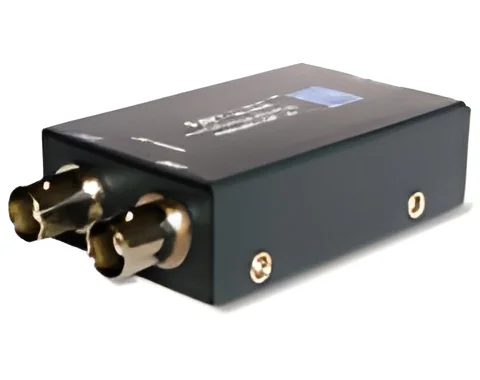
What are Audio Signal Splitters?
Audio signal splitters are devices designed to divide a single audio signal into multiple outputs. This allows a single source, such as a microphone or a mixer, to send audio to multiple destinations, such as speakers or recording devices. By utilizing audio signal splitters, users can ensure that sound quality is maintained while effectively distributing audio signals across various channels or systems.
These devices are widely used in numerous business applications, including live sound reinforcement, broadcasting, and recording studios. They are essential for situations where multiple audio outputs are required from a single source. For instance, in a concert setting, a single microphone may need to connect to both a sound system and a recording device simultaneously. The relevance of audio signal splitters in the industry is undeniable, as they play a crucial role in enhancing audio control and efficiency in communication and entertainment sectors.
Key Features and Specifications
Audio signal splitters come with various features and specifications that enhance their functionality and performance. Understanding these specifications is key for businesses looking to integrate these devices into their operations.
Key specifications include:
1. Number of Outputs
- Indicates how many audio outputs the splitter can provide.
- Typically ranges from 2 to 8 outputs, depending on the model.
2. Frequency Response
- The range of frequencies the splitter can handle effectively.
- Usually measured in Hertz (Hz), often spanning from 20 Hz to 20 kHz.
3. Signal-to-Noise Ratio
- The ratio of the desired audio signal to background noise.
- A higher ratio signifies better sound quality, often exceeding 90 dB.
4. Input Impedance
- The resistance to the input signal, impacting signal quality.
- Standard values are generally around 600 ohms.
5. Output Impedance
- The resistance at the output, which can affect how the splitter interacts with connected devices.
- Commonly ranges from 100 to 600 ohms.
6. Power Requirements
- Indicates whether the splitter requires external power or is passive.
- Most audio splitters are passive, requiring no external power.
7. Build Quality
- Refers to the materials and design quality of the splitter.
- A robust construction is essential for durability in professional settings.
In summary, the features and specifications of audio signal splitters are critical for their effective use in various applications. Understanding these aspects helps businesses select the right equipment for their audio needs.
Common Applications and Use Cases
Audio signal splitters are utilized across a broad range of industries, providing essential solutions for audio distribution.
1. Broadcasting: In radio and television stations, audio signal splitters allow a single audio feed to be sent to multiple channels or recording devices, ensuring seamless broadcasting.
2. Live Events: During concerts and events, these splitters enable sound engineers to route audio from microphones to different sound systems and recording devices simultaneously.
3. Recording Studios: In studio environments, audio signal splitters help manage multiple sound sources by allowing engineers to send signals to various recording devices without losing quality.
4. Educational Institutions: In classrooms and auditoriums, they help distribute audio from a single source to multiple speakers, enhancing learning experiences.
5. Conference Centers: Audio splitters are used to send audio from presenters to various rooms, ensuring clear communication during meetings and seminars.
6. Home Theater Systems: Enthusiasts use audio splitters to connect multiple audio devices to a single output, enhancing their home entertainment experience.
7. House of Worship: Churches and places of worship utilize splitters to manage audio signals for sermons and music without compromising sound quality.
Product Variants and Subcategories
Audio signal splitters come in various configurations to meet different user needs. These variants cater to specific applications and environments.
Passive Splitters: These splitters do not require any power source and work by dividing the audio signal using resistors. They are suitable for simple applications where power is not available.
Active Splitters: Active splitters require power and often include amplification features. They are ideal for situations where signal quality must be maintained over long distances.
Specialized Splitters: Some models are designed for specific applications, such as video/audio splitters, which can handle both audio and visual signals for multimedia presentations.
Benefits and Advantages
Audio signal splitters offer numerous advantages to businesses and users in various sectors.
1. Improved Signal Distribution: Splitters enable one audio source to serve multiple devices, ensuring consistent sound quality across all outputs.
2. Cost-Effective Solution: By allowing multiple outputs from a single source, businesses save on equipment costs and simplify installations.
3. Enhanced Flexibility: Users can easily reroute audio signals to different destinations, providing greater control over audio management.
4. Simplified Setup: Audio splitters reduce the complexity of wiring and connections, streamlining installation processes.
5. Maintenance of Audio Integrity: High-quality splitters preserve sound quality, minimizing distortion and interference during signal distribution.
6. Versatility: Audio signal splitters are adaptable for use in various environments, from live events to studio recordings.
Buying Guide for B2B Buyers
When sourcing audio signal splitters, buyers should consider several key factors to ensure they select the right product for their needs.
1. Quality Assessment: Evaluate the build quality and materials used in the splitter. Look for durable designs that can withstand frequent use in professional settings.
2. Supplier Verification: Research potential suppliers to ensure they are reputable and reliable. Verify their experience in the industry and check for customer reviews.
3. Pricing and MOQ: Consider the pricing structure and minimum order quantities (MOQ) that suppliers offer. Ensure that the costs align with your budget and project requirements.
4. Delivery and Lead Times: Discuss lead times and delivery options with suppliers. Ensure they can meet your timelines for project implementation.
5. Compliance Requirements: Check for any specific industry compliance standards or certifications, such as CE, that the audio signal splitters must meet to be utilized in your operations.
Compliance and Certifications
Audio signal splitters must adhere to certain compliance standards and certifications to ensure safety and performance. Quality standards like ISO 9001 are relevant, as they focus on maintaining effective quality management systems. This is crucial for manufacturers to ensure consistent product quality.
Additionally, industry certifications such as CE are important. They demonstrate that the product meets European Union safety, health, and environmental protection standards. Compliance with these certifications helps buyers ensure that the equipment they are sourcing is reliable and safe for use.
Safety and testing requirements are also critical. Manufacturers should conduct tests to ensure that their splitters operate within safe electrical and thermal limits. Furthermore, regional compliance considerations may vary, so it is vital for buyers to understand the regulations specific to their location or industry.
Why Source Audio Signal Splitters from Pepagora?
Pepagora offers a trusted platform for sourcing audio signal splitters with several key advantages.
Verified Supplier Network: Pepagora connects buyers to a network of verified suppliers, ensuring that businesses can source high-quality products confidently. This verification process reduces the risk of purchasing from unreliable vendors.
Streamlined RFQ Process: The Request for Quotation (RFQ) process on Pepagora is designed to be efficient and user-friendly. Buyers can easily submit their requirements and receive competitive quotes from multiple suppliers, facilitating informed decision-making.
Trade Assurance and Support: Pepagora provides trade assurance to protect buyers during transactions. This includes support in managing disputes and ensuring that suppliers adhere to agreed terms and conditions.
Regional Coverage: With a strong presence in India and across regions like the GCC and Southeast Asia, Pepagora offers comprehensive access to suppliers and products. This geographic reach ensures that businesses can find the right audio signal splitters tailored to their specific needs.

 IN
IN