What are Professional Audio Systems?
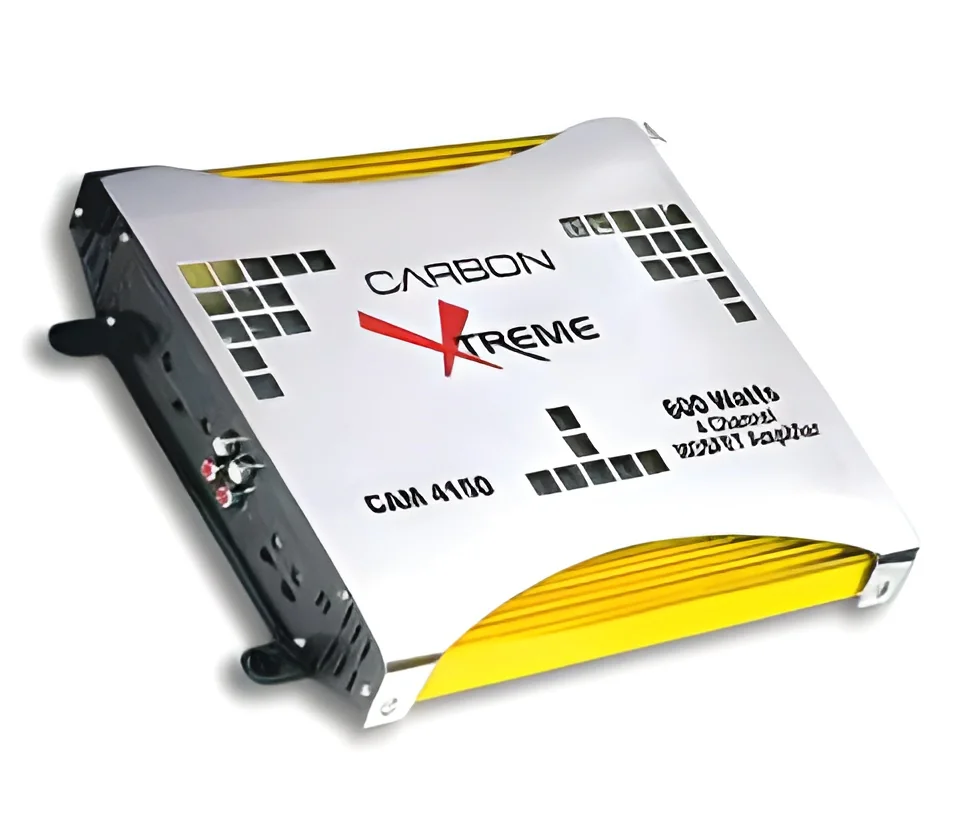
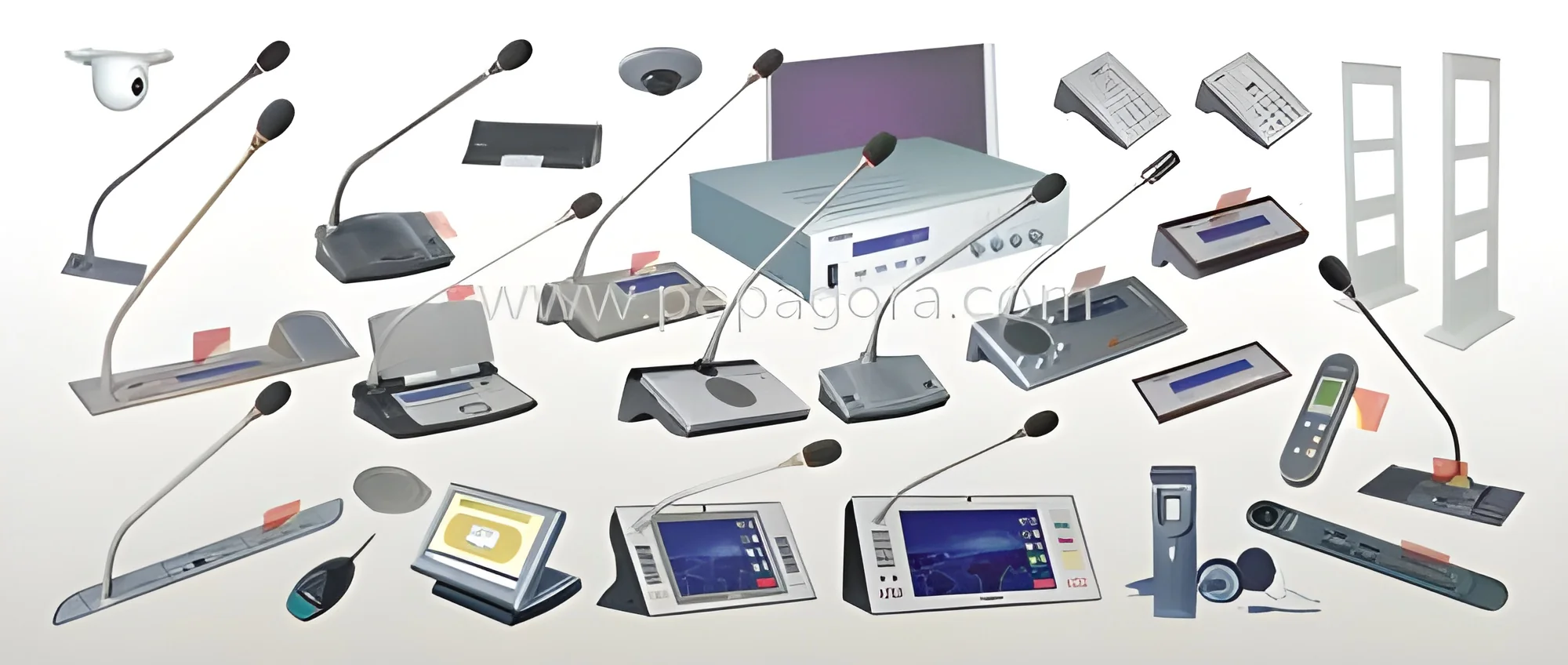
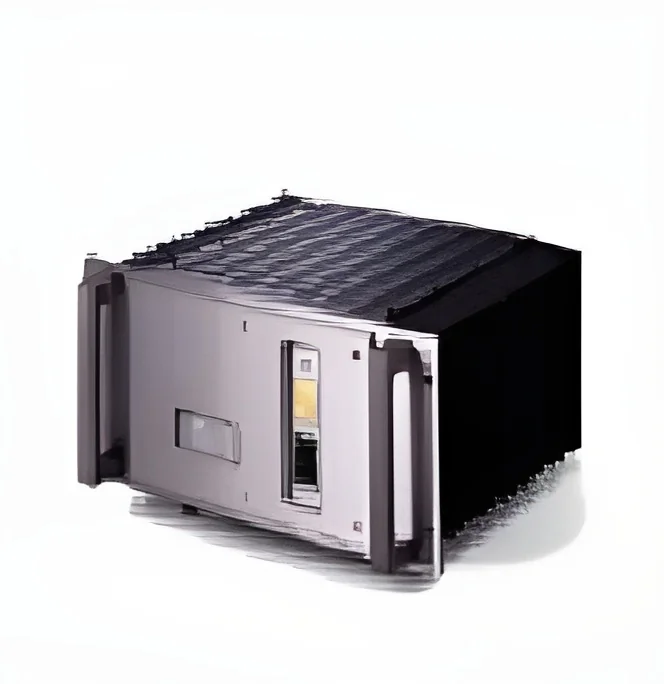
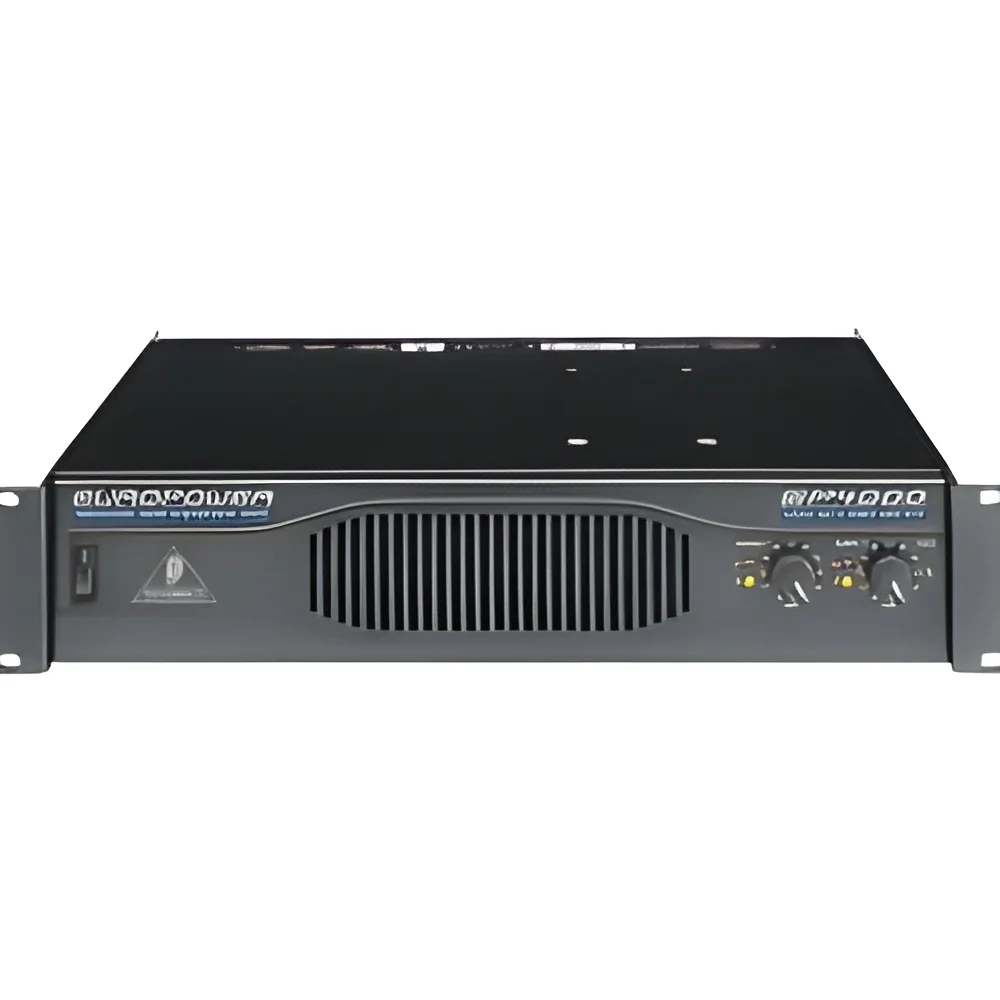
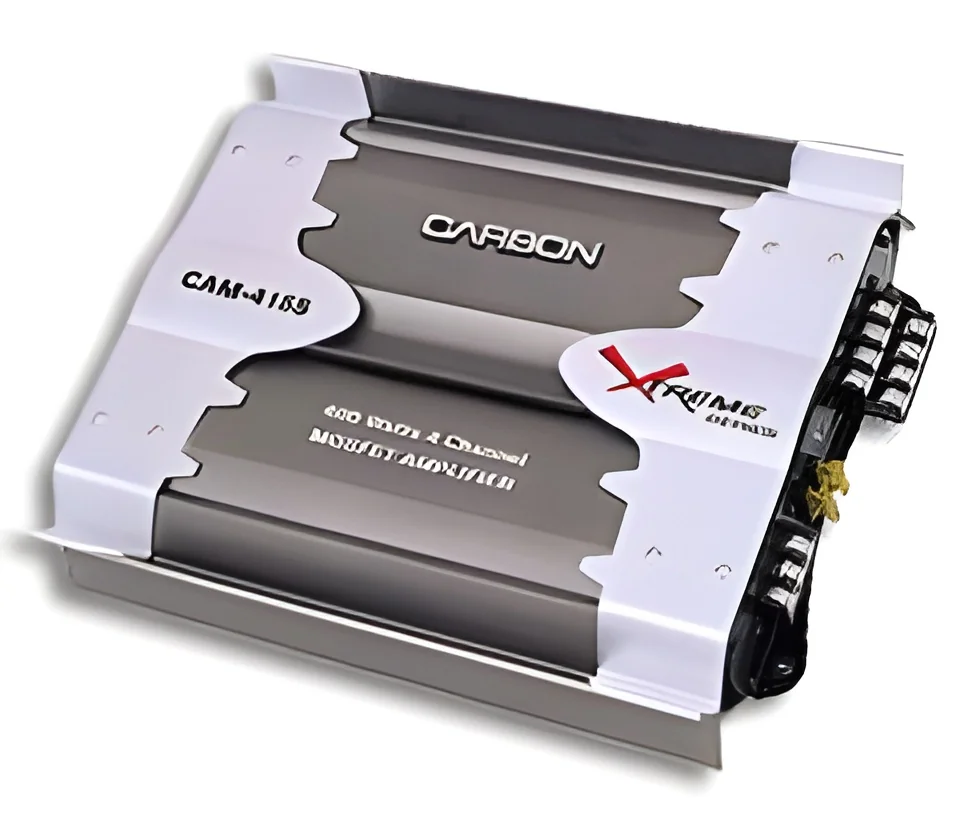
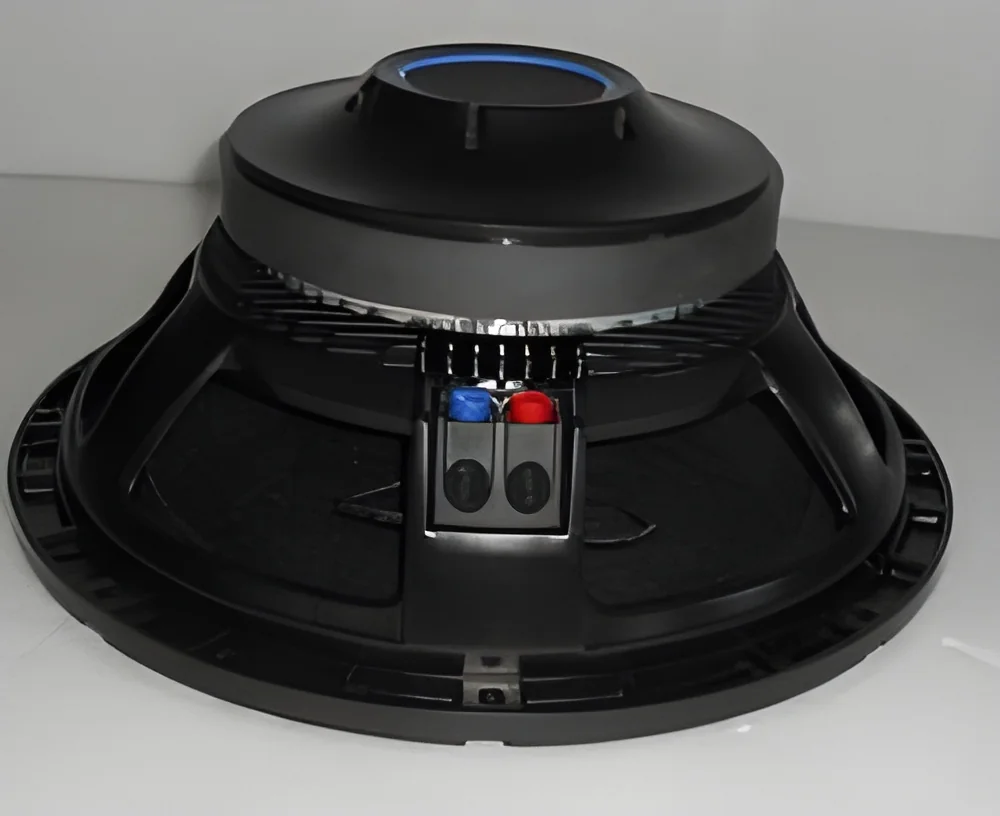
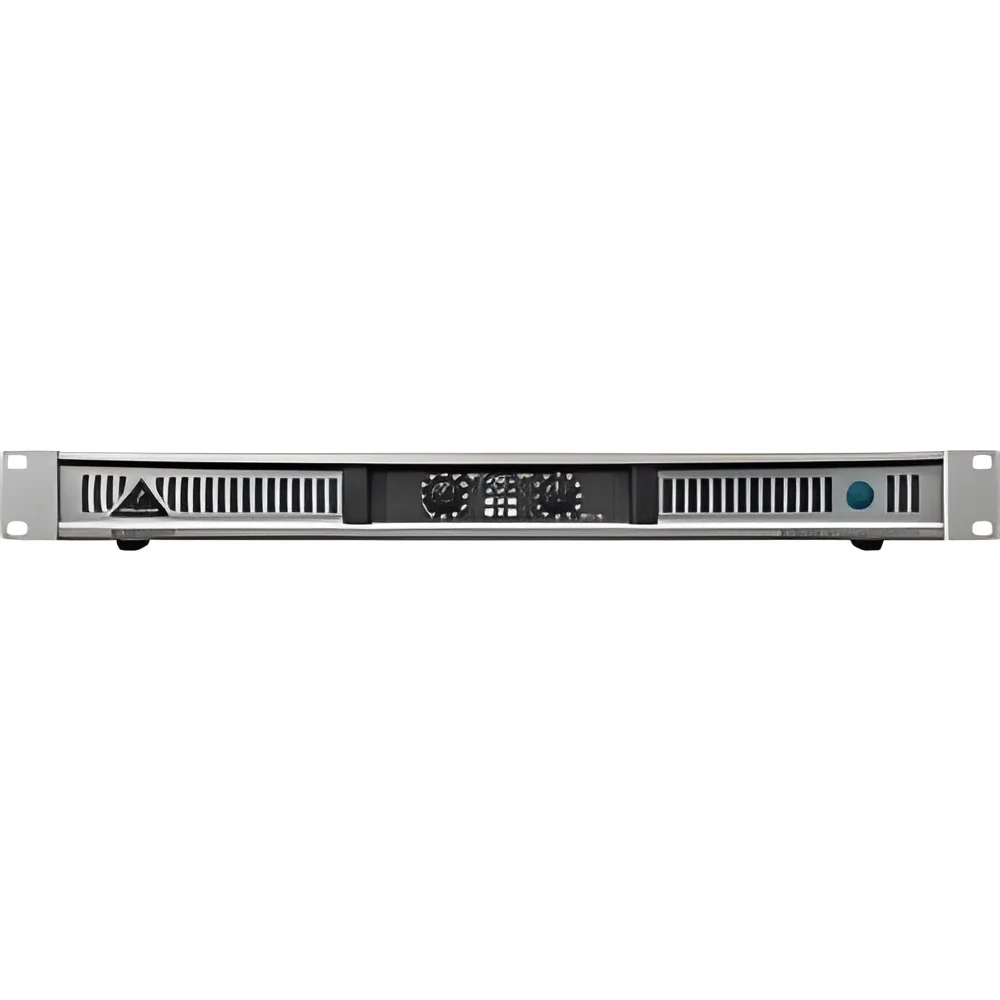
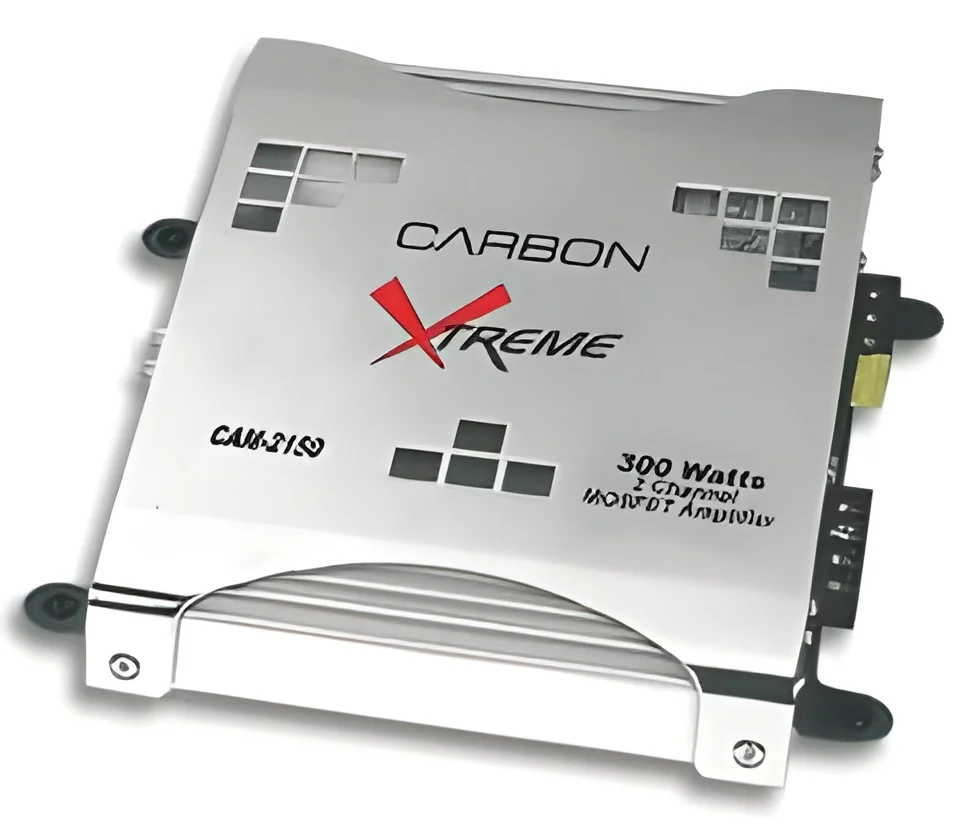
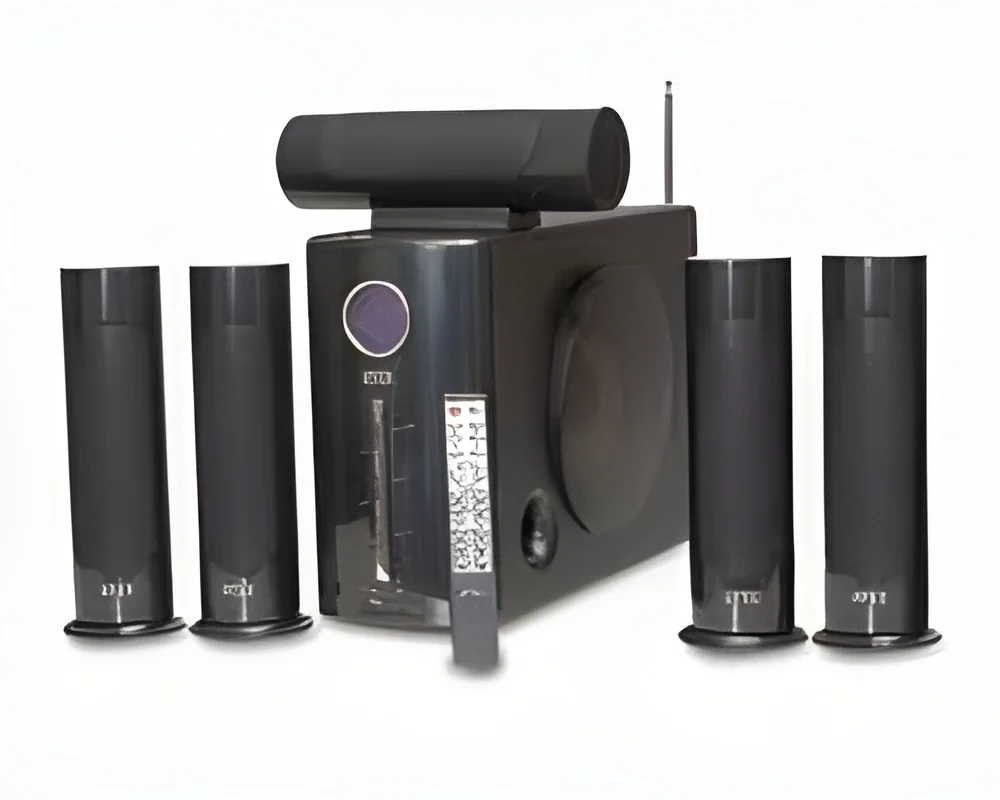
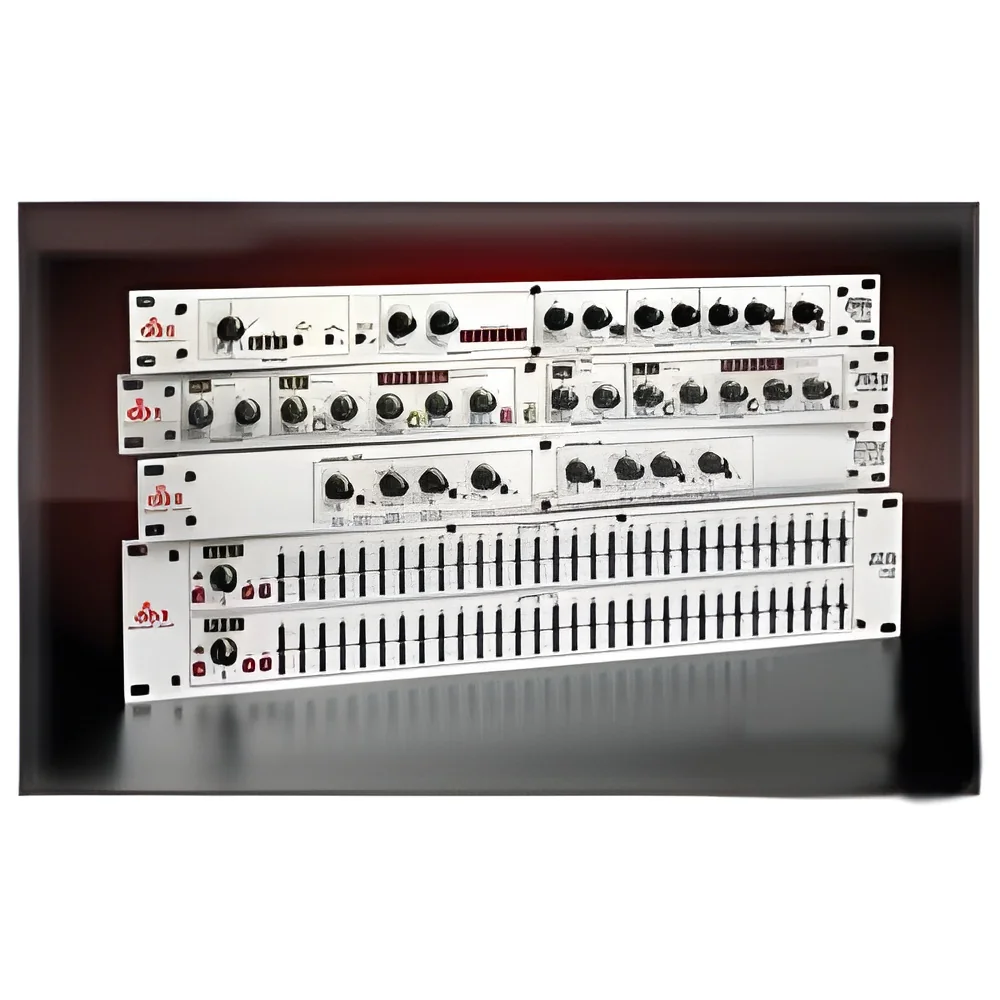
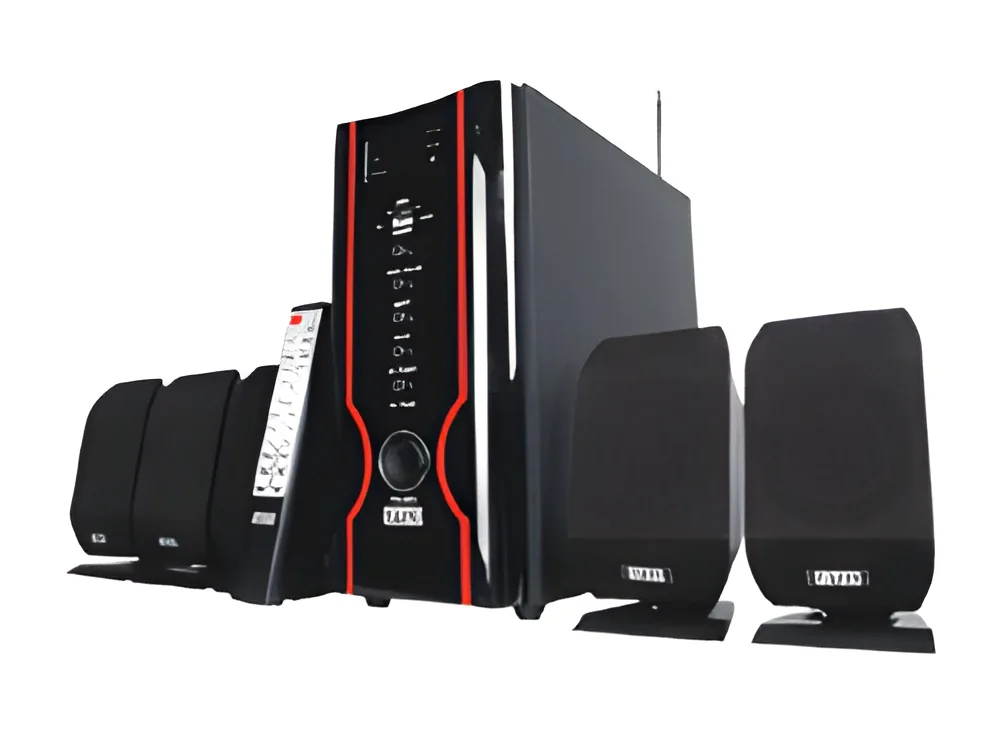
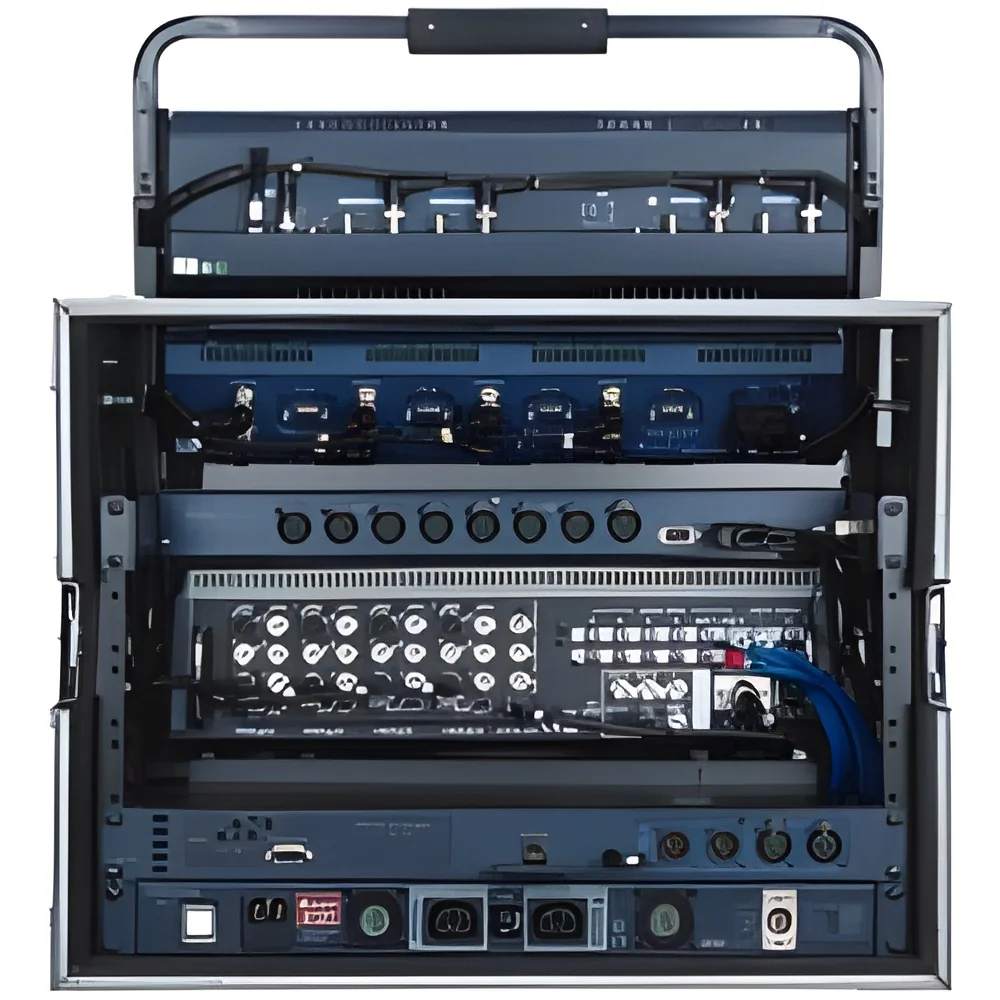
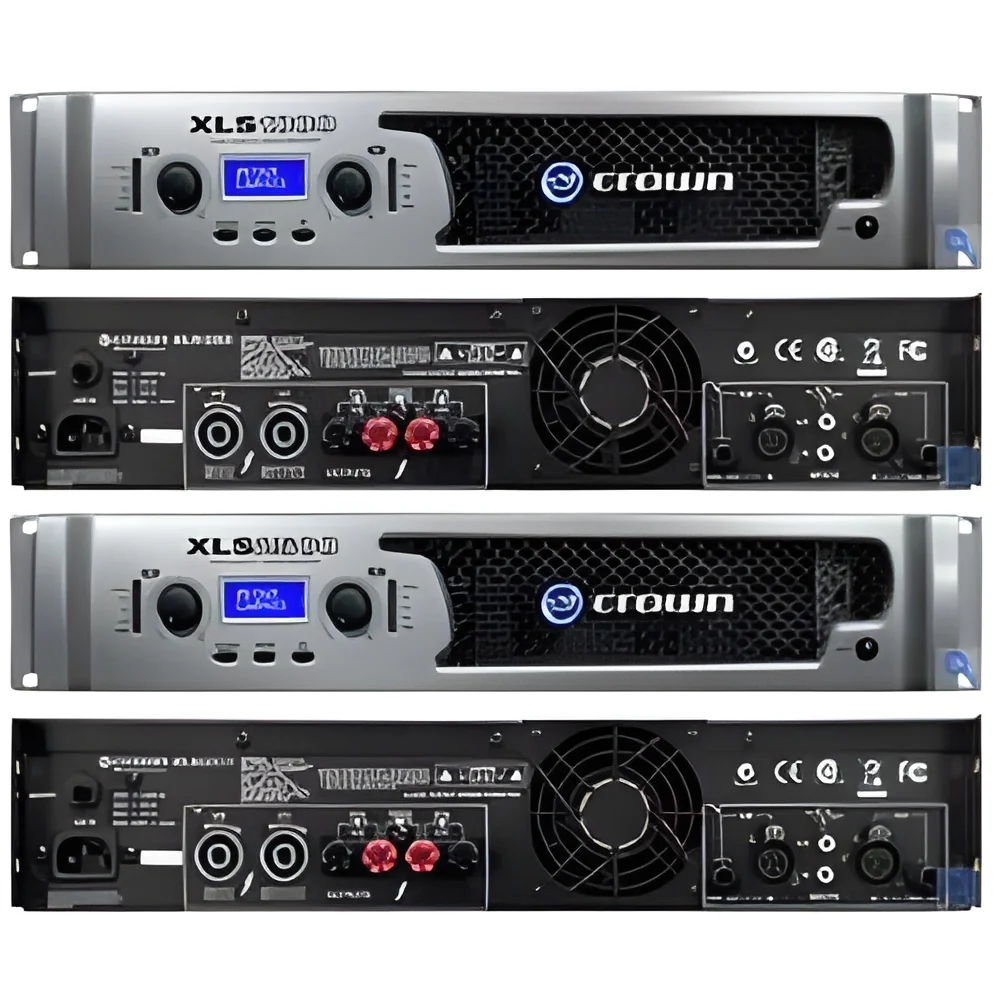
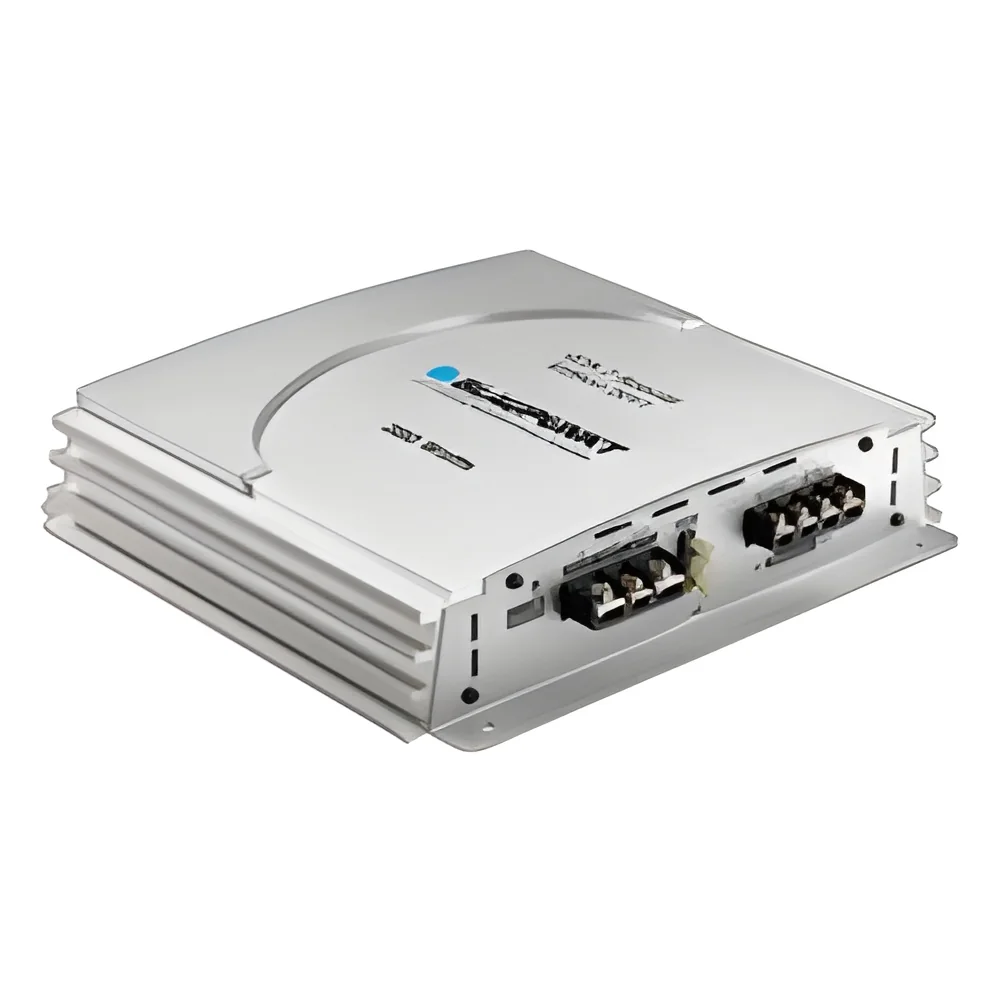
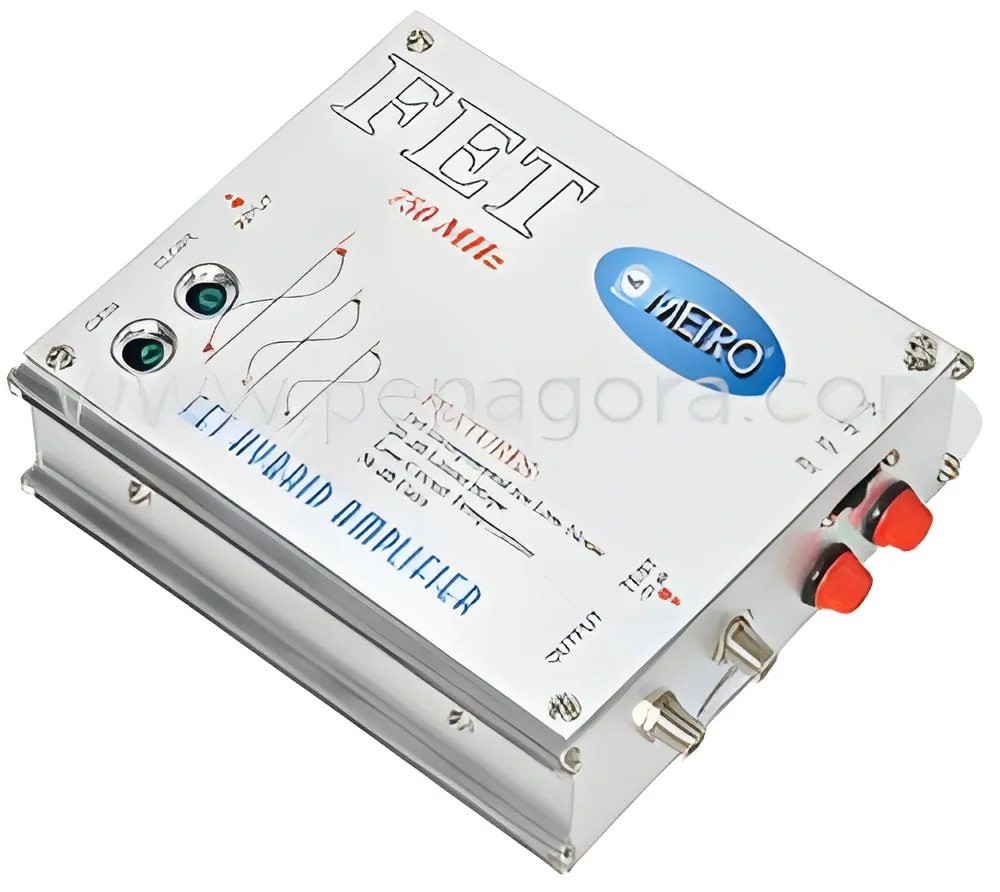
Professional audio systems are specialized equipment designed to capture, amplify, and reproduce sound with high fidelity. These systems are essential in various settings, including concerts, studios, theaters, and corporate events. They typically consist of microphones, mixers, amplifiers, speakers, and related components that work together to deliver clear and powerful audio.
The primary uses of professional audio systems span a wide range of business applications. In live events, they ensure that audiences experience high-quality sound, crucial for performances and presentations. In recording studios, these systems capture sound accurately for music production, voiceovers, and broadcasting. Additionally, they are vital in corporate environments for meetings and conferences, where clear communication is essential.
The relevance of professional audio systems in the market is significant, as they continue to evolve with advancements in technology. The demand for high-quality sound reproduction has increased across various industries, leading to a competitive landscape for manufacturers and suppliers. The integration of digital technologies and wireless solutions further enhances the functionality and appeal of these systems.
Key Features and Specifications
Professional audio systems offer a variety of features and specifications that enhance their performance and usability. Understanding these specifications is crucial for selecting the right system for specific needs.
Key specifications include:
1. Frequency Response
- Range of frequencies the audio system can reproduce.
- Typically measured in Hertz (Hz), with a common range being 20 Hz to 20 kHz.
2. Power Output
- Amount of power the amplifier can deliver to the speakers.
- Measured in watts (W), with higher output suitable for larger venues.
3. Total Harmonic Distortion (THD)
- A measure of the distortion present in the audio output.
- Ideally below 1% for clear sound quality.
4. Signal to Noise Ratio (SNR)
- Ratio of the desired signal to background noise.
- Higher SNR indicates clearer sound, usually above 90 dB is preferred.
5. Connectivity Options
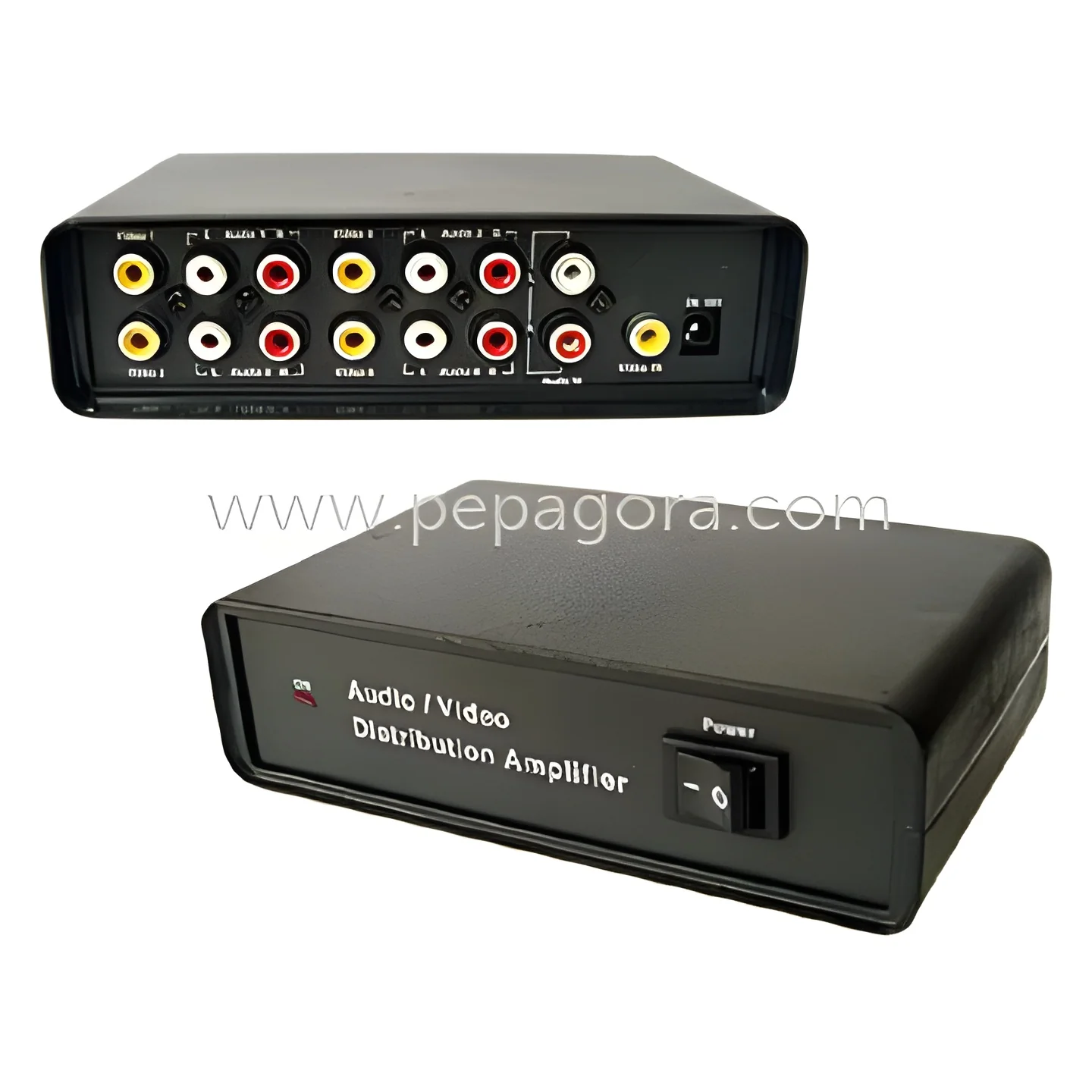
- Types of connections available, such as XLR, TRS, and digital inputs.
- Flexibility in connecting various devices enhances usability.
6. Size and Portability
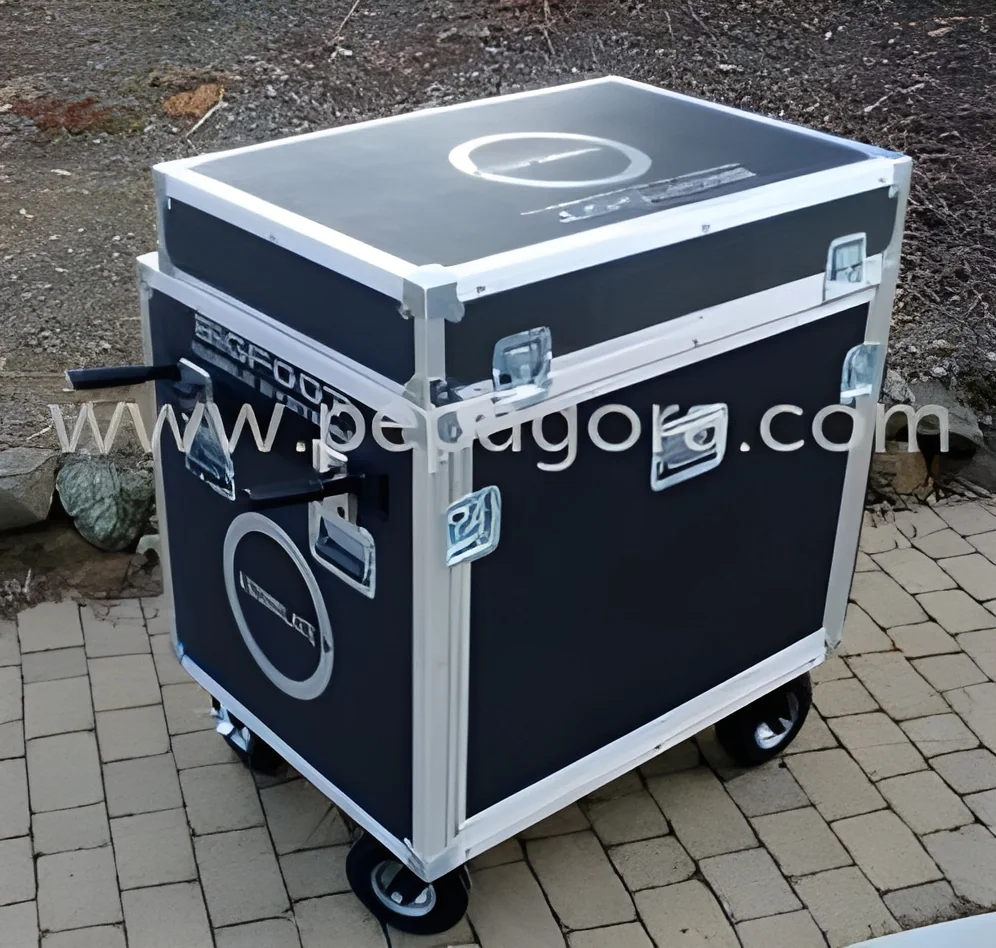
- Dimensions and weight of the system, crucial for mobile applications.
- Compact designs often preferred for easy transport.
7. Build Quality
- Durability and materials used in construction.
- Systems designed for heavy use typically feature robust components.
8. User Interface
- Ease of use, including control layouts and digital displays.
- Intuitive interfaces enhance efficiency during operation.
In summary, selecting a professional audio system requires careful consideration of these features and specifications to ensure it aligns with the intended applications.
Common Applications and Use Cases
Professional audio systems are utilized in numerous industries, each with specific applications that highlight their versatility.
1. Entertainment: Concerts and live performances benefit from powerful sound reinforcement systems that ensure every audience member hears the performance clearly.
2. Media Production: In recording studios, these systems are essential for capturing high-quality sound for music, film, and broadcasting.
3. Corporate Events: Professional audio systems facilitate clear communication during meetings, conferences, and presentations, enhancing participant engagement.
4. Education: Schools and universities use audio systems for lectures, ensuring that information is transmitted clearly to large groups of students.
5. Houses of Worship: Churches and places of worship rely on these systems for sermons and events, creating an inclusive environment for congregations.
6. Hospitality: Hotels and event spaces use professional audio systems for banquets and conferences, enhancing the overall guest experience.
7. Sports Venues: Stadiums and arenas utilize robust audio systems for announcements and entertainment, ensuring clarity in large crowds.
Product Variants and Subcategories
Professional audio systems encompass a range of variants designed to meet diverse needs. While specific subcategories are not available, several notable variants exist.
Portable Sound Systems: These systems are compact and designed for easy transport. Ideal for events requiring setup at multiple locations, they often include integrated mixers and battery power options.
Line Array Systems: These are advanced sound reinforcement systems suitable for large venues. They consist of multiple speaker elements arranged in a vertical line, providing even sound distribution over long distances.
Wireless Microphone Systems: These systems offer flexibility and freedom of movement. They eliminate the need for cables, making them ideal for live performances and presentations.
Benefits and Advantages
Investing in professional audio systems offers several key benefits that can enhance overall audio experiences.
1. High Sound Quality: These systems provide superior audio fidelity, ensuring that sound is reproduced accurately and clearly.
2. Versatility: Professional audio systems can be adapted to various environments, making them suitable for different applications across industries.
3. Enhanced Communication: Clear audio is vital in corporate and educational settings, improving the effectiveness of presentations and lectures.
4. Reliability: Quality systems are built to withstand frequent use and perform consistently under demanding conditions.
5. User-Friendly Features: Many systems come equipped with intuitive controls and displays, simplifying operation for users of all skill levels.
6. Scalability: Systems can often be expanded or modified, allowing businesses to grow without needing to overhaul their existing equipment.
Buying Guide for B2B Buyers
When sourcing professional audio systems, buyers should consider several important factors to ensure they make informed decisions.
1. Quality Assessment: Evaluate the sound quality and durability of the audio system. Look for reviews and testimonials from other users to gauge performance.
2. Supplier Verification: Research potential suppliers to ensure they are reputable and provide reliable products. Check for certifications and industry standards compliance.
3. Pricing and MOQ: Understand the price range for the systems and inquire about minimum order quantities. This helps in budgeting and planning for purchases.
4. Delivery and Lead Times: Confirm logistical details, including delivery schedules and lead times, to align with project timelines.
5. Compliance Requirements: Ensure that the audio systems meet any relevant regulatory standards and compliance requirements specific to your industry.
Compliance and Certifications
In the professional audio industry, adherence to quality standards and certifications is essential for ensuring product reliability and safety. Key relevant quality standards include ISO 9001, which pertains to quality management systems, ensuring that manufacturers meet customer and regulatory requirements consistently.
Industry certifications, such as CE marking, indicate that products comply with European health, safety, and environmental protection standards. This certification is crucial for products sold in the European market, as it assures buyers of compliance with relevant regulations.
Safety and testing requirements also play a vital role in the industry. Products must undergo rigorous testing to ensure they operate safely under various conditions. Additionally, regional compliance considerations may vary, making it essential for manufacturers and suppliers to be aware of local regulations that affect audio system deployment.
Why Source Professional Audio Systems from Pepagora?
Pepagora offers a trusted platform for sourcing professional audio systems, providing numerous advantages for B2B buyers.
Verified Supplier Network: Pepagora ensures that all suppliers in its network are thoroughly vetted. This verification process guarantees that buyers can trust the quality and reliability of the products they purchase.
Streamlined RFQ Process: The platform features a user-friendly request for quotation (RFQ) system. This process simplifies obtaining price quotes and product information, allowing buyers to compare options effectively.
Trade Assurance and Support: Pepagora provides trade assurance, protecting buyers from potential disputes and ensuring that their investments are secure. Additionally, dedicated support teams are available to assist with any inquiries or issues.
Regional Coverage: With a strong presence in India, the GCC, and Southeast Asia, Pepagora offers extensive regional coverage. This geographic reach allows buyers to access a wide range of professional audio systems tailored to their specific market needs.

 IN
IN