What are Conference Microphone Systems?
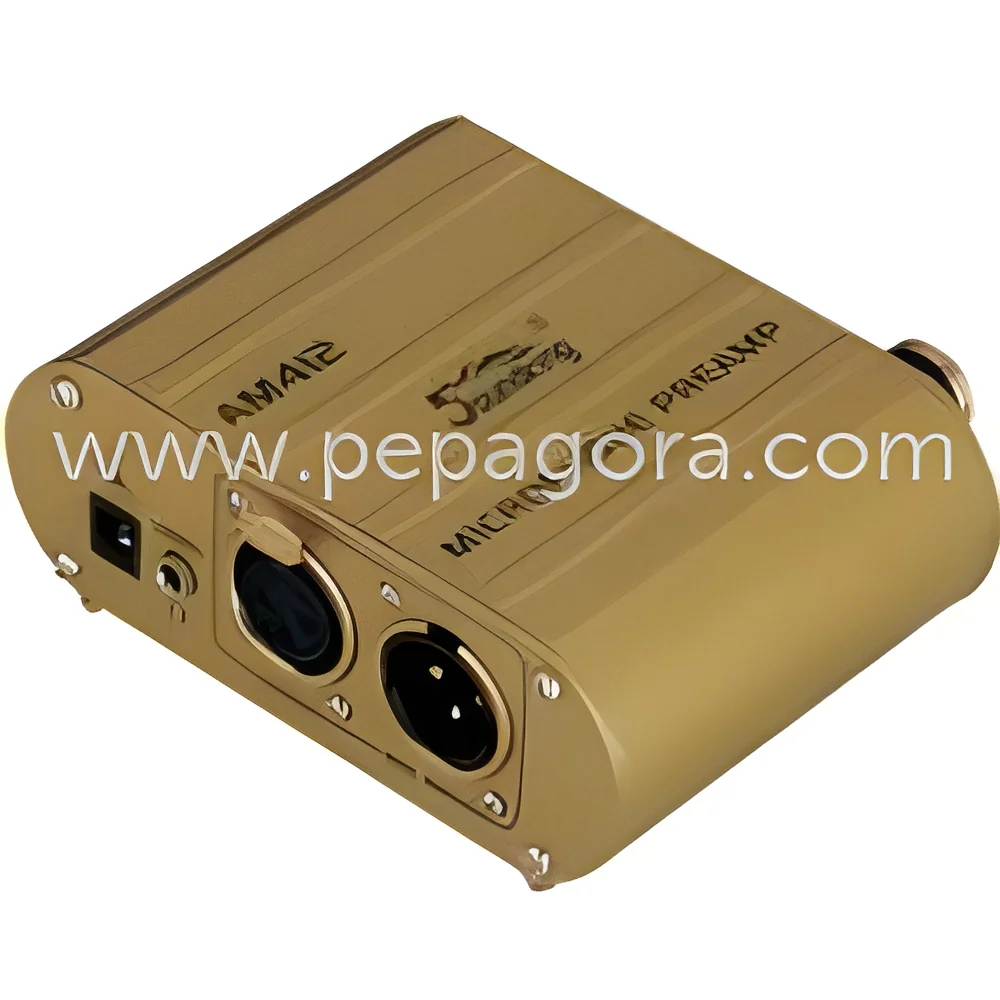
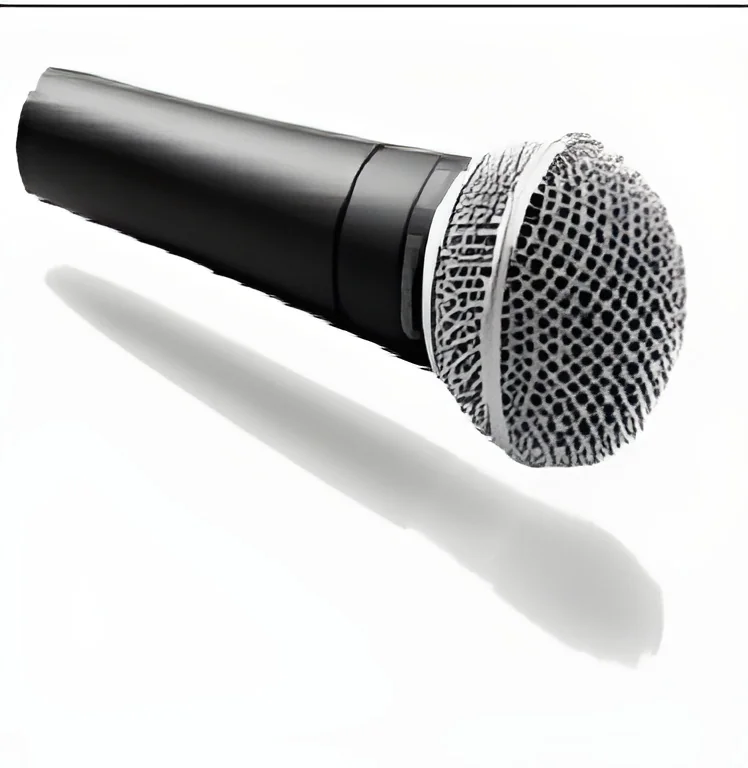
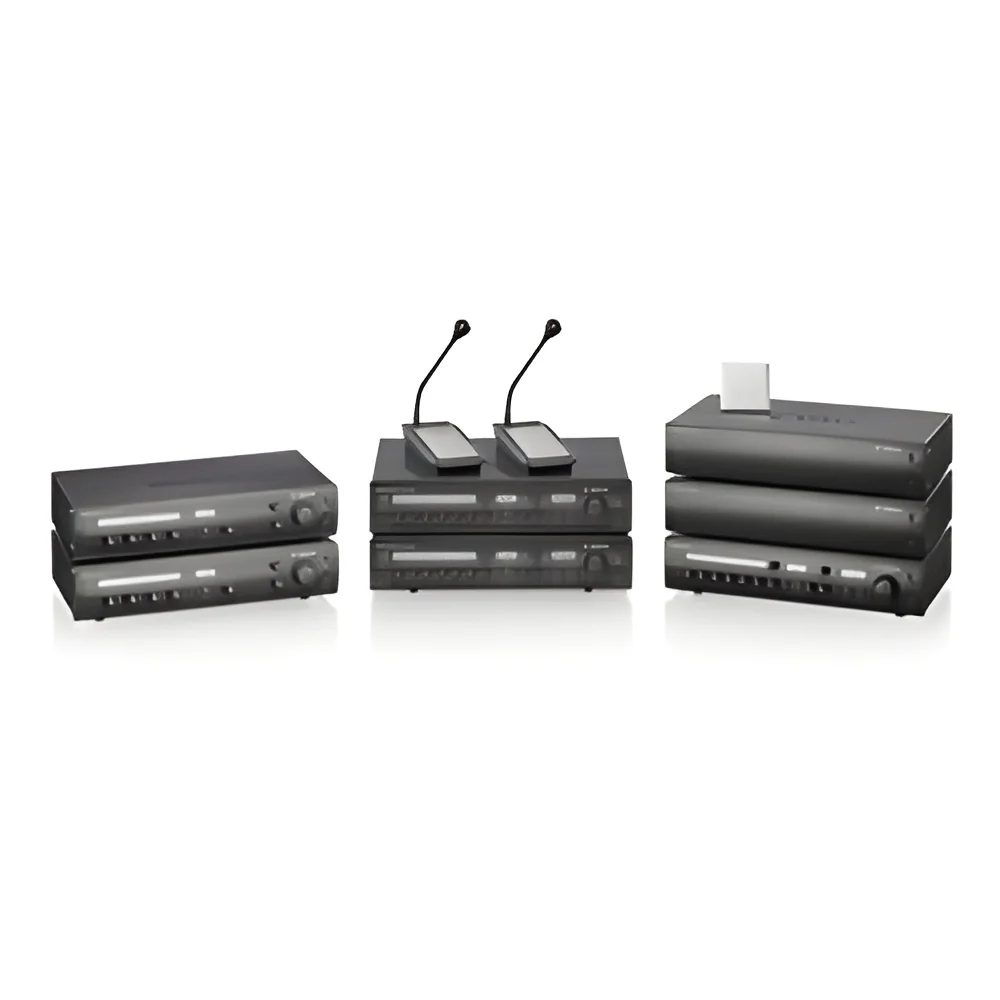
Conference microphone systems are specialized audio equipment designed to capture clear sound in various conference settings. These systems typically consist of multiple microphones, a mixer, and output components, allowing for effective communication during meetings, presentations, and discussions. The microphones can be handheld, lapel, or installed in fixed positions, depending on the specific needs of the conference environment.
The primary use of conference microphone systems is to facilitate clear audio capture in environments where multiple speakers or participants are involved. Businesses utilize these systems for meetings, webinars, training sessions, and conferences, ensuring that all voices are heard clearly, regardless of the size of the room or the number of attendees. As remote and hybrid meetings become more common, the demand for high-quality audio solutions is increasing, making these systems essential in modern business communication.
In the current market, conference microphone systems are relevant across various industries, including corporate, educational, and healthcare sectors. As organizations prioritize effective communication and collaboration, the need for reliable audio technology continues to grow. This trend is reflected in the increasing investment in advanced conference microphone systems that enhance the overall meeting experience.
Key Features and Specifications
Conference microphone systems come with a variety of features that enhance audio quality and user convenience. These features include multiple microphone types, wireless capabilities, and advanced audio processing technology. Each system may vary in specifications, making it essential for buyers to understand the technical details when making a selection.
Key specifications include:
1. Microphone Type
- Available in handheld, lapel, or boundary options
- Each type serves different purposes based on user needs
2. Frequency Response
- Typical range is from 20 Hz to 20 kHz
- Ensures clarity across various sound frequencies
3. Connectivity Options
- Wired or wireless connections available
- Wireless systems often include RF or Bluetooth capabilities
4. Number of Channels
- Systems can support multiple channels for simultaneous input
- Ideal for larger meetings with several speakers
5. Power Supply
- Options include battery-operated or AC-powered systems
- Battery life can vary, impacting usability in extended sessions
6. Audio Processing Features
- Built-in features like noise cancellation and echo reduction
- Enhances sound quality, especially in crowded environments
7. Compatibility
- Must be compatible with various audio-visual equipment
- Ensures seamless integration into existing setups
8. Portability
- Many systems are designed for easy transport
- Lightweight and compact options available for mobile use
In summary, understanding the features and specifications of conference microphone systems is crucial for selecting the right equipment that meets specific audio requirements.
Common Applications and Use Cases
Conference microphone systems are versatile tools that serve a variety of industries. Their applications are broad, catering to diverse communication needs.
1. Corporate Sector: These systems are widely used in boardrooms and conference halls for meetings, presentations, and training sessions. They help ensure every participant can contribute and be heard without distortion or loss of audio quality.
2. Education: Schools and universities utilize conference microphone systems in classrooms and lecture halls to facilitate interactive learning. They enable instructors to communicate effectively with students, whether in-person or during remote learning sessions.
3. Healthcare: In hospitals and medical conferences, clear communication is vital. Conference microphone systems aid in discussions among healthcare professionals, ensuring that important information is shared accurately and promptly.
4. Events and Seminars: Event organizers use these systems to handle large audiences during seminars, workshops, and public speaking engagements. The ability to capture audio from multiple speakers enhances the overall experience for attendees.
5. Government and Public Services: These systems are essential in town hall meetings and public forums, allowing officials to engage with citizens effectively and ensuring transparency in communication.
6. Legal Environments: Law firms and courtrooms often employ conference microphone systems to facilitate hearings and trials. Clear audio recording is critical for accurate documentation of proceedings.
7. Broadcast and Media: In broadcasting settings, conference microphone systems provide high-quality audio for interviews, discussions, and live broadcasts, ensuring clear transmission to audiences.
Product Variants and Subcategories
Conference microphone systems come in various forms to accommodate different user needs and environments. This diversity allows businesses to select the right system for their specific applications.
Wireless Conference Microphone Systems: These systems offer the advantage of mobility, allowing speakers to move freely without being tethered to a cable. They are ideal for dynamic presentations and larger spaces where wired options may be impractical.
Wired Conference Microphone Systems: Wired systems provide a stable and reliable connection, often preferred in settings where consistent performance is crucial. They can be easier to set up and maintain, making them suitable for permanent installations.
Portable Conference Microphone Systems: Designed for on-the-go usage, these systems are lightweight and compact. They are perfect for businesses that require flexibility and ease of transport for different venues.
Integrated Conference Systems: These all-in-one solutions combine microphones, speakers, and audio processing into a single unit. They simplify setup and minimize equipment clutter, making them ideal for smaller meeting spaces.
Benefits and Advantages
Investing in conference microphone systems offers numerous benefits that enhance communication and collaboration.
1. Improved Audio Quality: High-quality microphones capture clear sound, ensuring that all participants can hear and be heard without distortion.
2. Enhanced Collaboration: With reliable audio solutions, teams can collaborate more effectively, leading to better decision-making and productivity.
3. Flexibility and Versatility: Different microphone types and configurations allow users to adapt systems to various environments and meeting formats.
4. Increased Engagement: Clear audio enhances attendee engagement during meetings and presentations, leading to more interactive discussions.
5. Time Efficiency: Quick setup and user-friendly operation save time during meetings, allowing participants to focus on content rather than technical issues.
6. Cost-Effectiveness: Investing in a quality conference microphone system reduces the need for frequent replacements or upgrades, providing long-term savings.
Buying Guide for B2B Buyers
When sourcing conference microphone systems, several factors should be considered to ensure an informed purchase.
1. Quality Assessment: Evaluate the audio quality by reviewing specifications such as frequency response and microphone sensitivity. Testing the systems in real-world scenarios can also provide insights into performance.
2. Supplier Verification: It is essential to vet suppliers thoroughly, looking for verified credentials and customer reviews. A reliable supplier ensures consistent product quality and support.
3. Pricing and MOQ: Understand the pricing structure and minimum order quantities (MOQ) associated with different suppliers. Comparing prices helps identify the best value for your budget.
4. Delivery and Lead Times: Assess logistics capabilities, including delivery options and lead times. Timely delivery is crucial for project planning and execution.
5. Compliance Requirements: Ensure that the products meet relevant industry standards and certifications. This may include safety certifications and regional compliance considerations.
Compliance and Certifications
Compliance and certifications play a significant role in the quality assurance of conference microphone systems. Adherence to relevant quality standards such as ISO 9001 ensures that manufacturers maintain consistent product quality and customer satisfaction.
Industry certifications, such as CE marking, indicate that products meet European safety, health, and environmental protection standards. These certifications are crucial for buyers who prioritize safety and compliance in their purchasing decisions.
Additionally, safety testing requirements must be met to ensure the products are safe for use in various environments. Regional compliance considerations may also vary, necessitating awareness of local regulations that affect product use.
Why Source Conference Microphone Systems from Pepagora?
Pepagora provides a trusted platform for sourcing conference microphone systems, offering several key advantages for B2B buyers.
Verified Supplier Network: Pepagora connects buyers with a network of verified suppliers, ensuring that all products meet industry standards and quality expectations. This verification process provides peace of mind for businesses seeking reliable audio solutions.
Streamlined RFQ Process: The platform features a streamlined Request for Quotation (RFQ) process, enabling buyers to quickly obtain quotes from multiple suppliers. This efficiency saves time and facilitates informed decision-making.
Trade Assurance and Support: Pepagora offers trade assurance and buyer protection, ensuring that transactions are secure. The platform provides support throughout the purchasing process, addressing any concerns that may arise.
Regional Coverage: With a broad geographic reach across India, the GCC, and Southeast Asia, Pepagora offers extensive options for sourcing conference microphone systems. This regional coverage enhances accessibility and allows businesses to find solutions tailored to their specific markets.

 IN
IN