
 IN
Lace Embroidered Fabric
2 products available
What are Lace Embroidered Fabric?
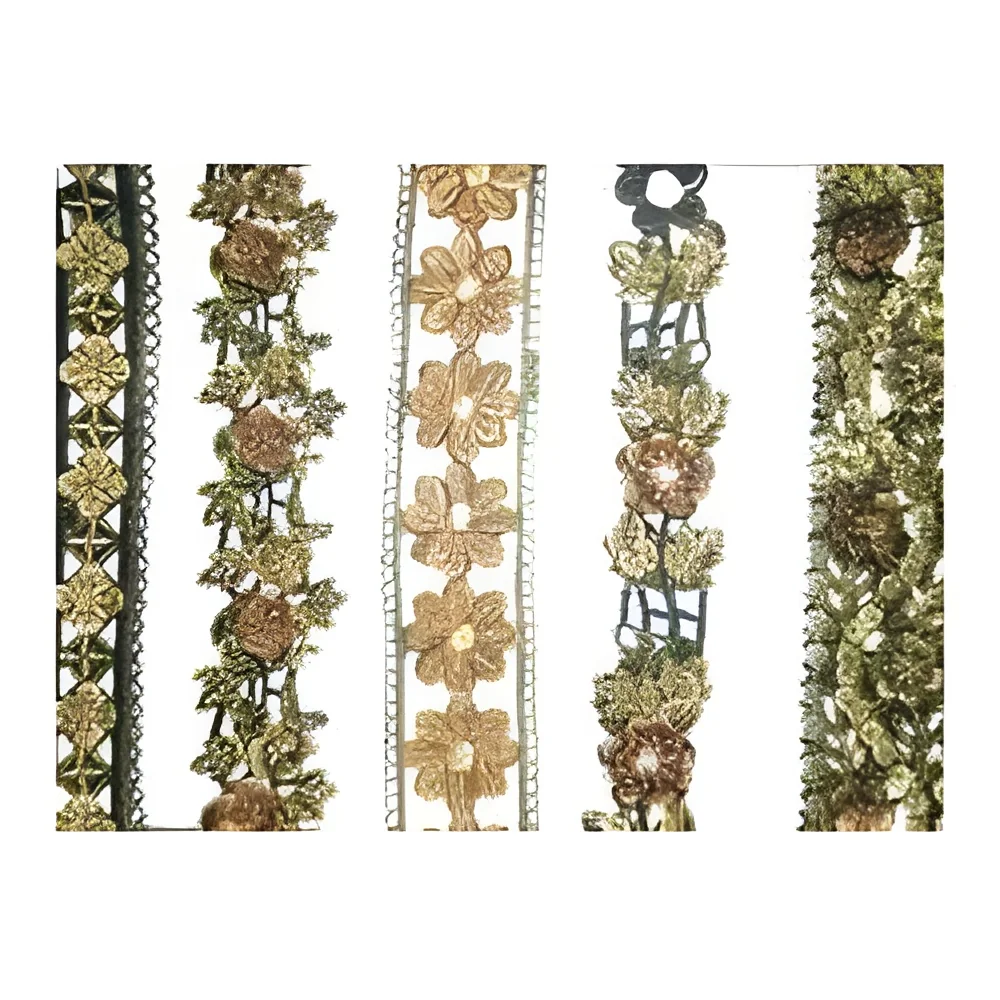
Lace embroidered fabric is a textile that combines the delicate aesthetics of lace with intricate embroidery. This material features a base fabric that is adorned with thread designs, creating a beautiful and textured appearance. The embroidery is often done using high-quality threads that enhance the visual appeal while providing durability. Lace embroidered fabric is known for its elegance and versatility, making it a popular choice in various applications.
This fabric is widely used in the fashion industry for garments, accessories, and home textiles. It is particularly favored for bridal wear, evening gowns, and decorative items due to its sophisticated look. Businesses involved in fashion design, upholstery, and event decoration often utilize lace embroidered fabric to create unique and eye-catching products. The market for lace embroidered fabric has grown significantly, driven by consumer demand for high-quality, visually appealing textiles.
The relevance of lace embroidered fabric extends beyond traditional uses. With increasing interest in custom and bespoke designs, manufacturers and suppliers are finding new opportunities in various sectors. This fabric represents a fusion of craftsmanship and modern textile technology, catering to a range of aesthetic preferences and industry requirements.
Key Features and Specifications
Lace embroidered fabric boasts a variety of features that contribute to its appeal and functionality. Understanding these key specifications is essential for businesses looking to incorporate this material into their products.
Key specifications include:
1. Fabric Composition
- Typically made from materials such as polyester, cotton, or nylon
- Provides a balance of durability and comfort
2. Embroidery Technique
- Can include various techniques such as machine embroidery or hand-stitched designs
- Affects the overall texture and detail of the fabric
3. Weight
- Available in different weights suitable for various applications
- Common weights range from lightweight (for delicate garments) to heavier options (for upholstery)
4. Width
- Standard widths typically range between 45 to 60 inches
- Width selection may depend on specific project requirements
5. Color Options
- Available in a wide spectrum of colors
- Custom dyeing options may be offered to meet specific design needs
6. Care Instructions
- Generally machine washable, though specific care may vary by material
- Important for maintaining the quality and appearance of the fabric over time
7. Certifications
- Many lace embroidered fabrics comply with industry standards such as CE
- Ensures safety and quality for end-users
8. Customization Options
- Potential for bespoke designs and patterns
- Tailored to meet unique customer specifications
In summary, lace embroidered fabric is characterized by its diverse features and specifications, catering to a wide range of industrial needs and applications.
Common Applications and Use Cases
Lace embroidered fabric serves various industries, reflecting its versatility and decorative appeal.
1. Fashion Industry: Used extensively for bridal gowns and evening wear, it adds a touch of elegance to garments. Designers appreciate its ability to create intricate and visually stunning pieces.
2. Home Decor: Ideal for curtains, table linens, and upholstery, lace embroidered fabric enhances interior aesthetics. It provides a sophisticated touch to home furnishings and decor items.
3. Event Decoration: Popular in the creation of table settings, backdrops, and floral arrangements, it is often utilized for weddings and formal events. This fabric helps set a romantic and elegant atmosphere.
4. Accessories: Employed in making accessories such as bags, hats, and scarves. The delicate embroidery adds value and enhances the visual appeal of these items.
5. Crafting: Used in various craft projects, including DIY home decor and apparel embellishments. Crafters value its versatility for custom projects.
6. Costume Design: Frequently used in theater and film costumes, where visual impact is crucial. Lace embroidered fabric helps create detailed and eye-catching costumes.
7. Historical Reproduction: Utilized in the reproduction of period costumes and decor, maintaining authenticity in design. It is favored by historical reenactors and museums.
Product Variants and Subcategories
Lace embroidered fabric is a diverse product with various options to suit different needs.
Variant 1: Cotton Lace Embroidery
This variant features a cotton base, providing breathability and comfort. It is ideal for lightweight clothing and home textiles, offering a soft touch and ease of care.
Variant 2: Polyester Lace Embroidery
Known for its durability and vibrant colors, this variant is suitable for both fashion and decorative purposes. It retains its shape and color well, making it a popular choice for long-lasting items.
Variant 3: Hand-Embroidered Lace
This premium option showcases intricate designs created by skilled artisans. It is often used in high-end fashion and bespoke projects, offering unique textures and detailed patterns.
Benefits and Advantages
Lace embroidered fabric offers numerous benefits that make it a valuable choice for businesses.
1. Aesthetic Appeal: The combination of lace and embroidery provides a visually stunning product that attracts consumers. Its elegance enhances the overall look of garments and decor.
2. Versatility: Suitable for various applications, from fashion to home decor, this fabric can meet diverse industry needs. Its adaptability makes it a popular option for many designers.
3. Customization Potential: The ability to customize designs and patterns allows businesses to create unique offerings. This feature is particularly appealing for brands seeking differentiation in a competitive market.
4. Quality Durability: Made from high-quality materials, lace embroidered fabric is designed to withstand regular use, ensuring longevity. This durability makes it a cost-effective choice for manufacturers.
5. Easy Maintenance: Generally machine washable, this fabric can be cared for with relative ease. Simple care instructions help maintain its appearance over time.
6. Market Demand: With growing consumer interest in unique and decorative textiles, lace embroidered fabric is positioned well within the market. Businesses can benefit from catering to this demand.
Buying Guide for B2B Buyers
When sourcing lace embroidered fabric, several factors should be considered to ensure the best choice for your business needs.
1. Quality Assessment: Evaluate the fabric's composition and craftsmanship. Look for samples to check the texture and durability before making large purchases.
2. Supplier Verification: Ensure that suppliers have a good reputation and are capable of delivering quality products. Check for reviews or testimonials from other businesses.
3. Pricing and MOQ: Understand the pricing structure and minimum order quantities. Compare prices across suppliers to ensure competitive rates while meeting your budgetary constraints.
4. Delivery and Lead Times: Discuss logistics and expected delivery times with suppliers. Timely delivery is crucial for maintaining production schedules.
5. Compliance Requirements: Familiarize yourself with any relevant regulations or certifications needed for your market. Ensure that suppliers adhere to necessary industry standards.
Compliance and Certifications
In the industry, lace embroidered fabric must meet various compliance and certification standards to ensure quality and safety. One of the relevant quality standards is ISO 9001, which ensures that manufacturers follow effective quality management systems. Compliance with HACCP and GDP standards is also important, particularly for applications involving food or health-related products.
Industry certifications such as CE indicate that the fabric meets European safety, health, and environmental protection standards. Testing requirements are crucial, as they confirm that materials used in lace embroidered fabric are safe for consumer use.
Additionally, businesses must consider regional compliance factors, especially if importing or exporting products. Understanding local regulations can help avoid legal complications and ensure that products meet market expectations.
Why Source Lace Embroidered Fabric from Pepagora?
Pepagora provides a trusted platform for sourcing lace embroidered fabric with several key advantages.
Verified Supplier Network: Pepagora ensures that all suppliers are thoroughly vetted, allowing buyers to connect with reliable manufacturers. This verification process enhances trust and reduces risks associated with sourcing.
Streamlined RFQ Process: The Request for Quotation (RFQ) system simplifies the procurement process. Buyers can easily request quotes from multiple suppliers, facilitating better pricing and terms negotiations.
Trade Assurance and Support: Pepagora offers trade assurance to protect buyers throughout the purchasing process. This support includes assistance in resolving disputes and ensuring that transactions are secure.
Regional Coverage: With a strong presence in India, the GCC, and Southeast Asia, Pepagora connects buyers with a wide range of suppliers. This geographic reach allows businesses to access diverse fabric options and suppliers tailored to their needs.


Frequently Asked Questions
What are Lace Embroidered Fabric?
Lace Embroidered Fabric refers to textiles that feature intricate lace designs combined with embroidery techniques. These fabrics are often used in fashion, home decor, and various craft projects due to their aesthetic appeal and delicate nature.
What are the different types of Lace Embroidered Fabric?
There are several types of Lace Embroidered Fabric, including cotton lace, polyester lace, and silk lace, each offering unique textures and appearances. Additionally, lace can be categorized into various styles such as Chantilly, Alençon, and Venetian, depending on the embroidery patterns and techniques used.
How do I choose the right Lace Embroidered Fabric?
To choose the right Lace Embroidered Fabric, consider the intended use, desired texture, and compatibility with other materials. Evaluate the weight, pattern complexity, and color options, and ensure that the fabric meets the specific requirements of your project.
What are the standard specifications for Lace Embroidered Fabric?
Standard specifications for Lace Embroidered Fabric typically include fabric composition, width, weight, and thread count. These specifications may vary based on the type of lace and the manufacturer, so it's important to check the details before making a purchase.
What is the price range for Lace Embroidered Fabric?
The price range for Lace Embroidered Fabric can vary widely based on factors such as material type, intricacy of design, and supplier. Generally, prices can start from a few hundred rupees per meter and go up significantly for high-quality or custom designs.
What quality standards apply to Lace Embroidered Fabric?
Quality standards for Lace Embroidered Fabric include durability, colorfastness, and consistency in embroidery. Many manufacturers adhere to national and international textile quality standards to ensure that the fabric meets customer expectations and industry regulations.
Where can I find Lace Embroidered Fabric suppliers in India?
You can find Lace Embroidered Fabric suppliers in India through B2B marketplaces, textile exhibitions, and online directories. Websites like Pepagora.com offer a comprehensive listing of manufacturers and suppliers, making it easier to compare options and find reliable sources.
Can Lace Embroidered Fabric be customized?
Yes, Lace Embroidered Fabric can often be customized according to specific designs, colors, and patterns. Many manufacturers offer customization options to cater to unique project requirements, allowing buyers to create tailored fabric solutions.
What is the typical minimum order quantity for Lace Embroidered Fabric?
The typical minimum order quantity (MOQ) for Lace Embroidered Fabric can vary by supplier but generally ranges from 10 to 50 meters. It is advisable to check with individual suppliers for their specific MOQ policies.
What is the typical lead time for Lace Embroidered Fabric?
The typical lead time for Lace Embroidered Fabric can range from a few days to several weeks, depending on factors such as order size, customization, and supplier location. It's best to confirm the lead time with the supplier when placing an order.
Why Businesses Trust Pepagora
Thousands of companies trust Pepagora to source smarter and sell faster
Expand Your Sales Globally

Source Smarter,Grow Faster
