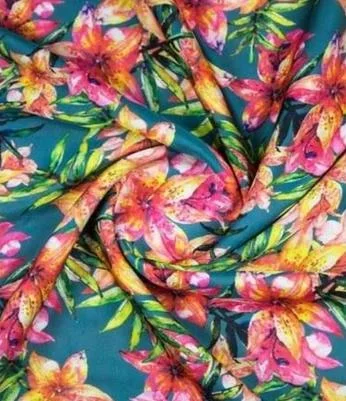
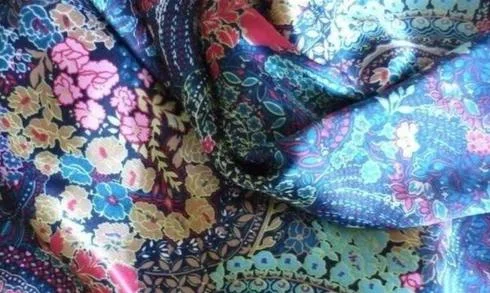
What are Geometric Printed Fabric?
Geometric printed fabric refers to textiles that feature bold patterns consisting of geometric shapes and designs. These fabrics are created using advanced printing techniques that allow for vibrant colors and detailed designs. The designs can range from simple shapes like triangles and circles to intricate, repeating patterns that create a visual impact.
The primary applications of geometric printed fabric span various industries including fashion, home decor, and industrial applications. In fashion, these fabrics are often used in clothing, accessories, and upholstery. In home decor, they can be found in curtains, cushions, and rugs. Additionally, they are used in marketing materials and promotional items, providing businesses with unique branding opportunities.
As industries continue to innovate and evolve, the demand for geometric printed fabrics has grown. This market is influenced by trends in design and consumer preferences for modern aesthetics. Companies that specialize in this fabric can cater to a wide array of clients, from small businesses to large corporations, looking for distinctive textiles that stand out.
Key Features and Specifications
Geometric printed fabrics come with several key features that make them suitable for various applications. Understanding these specifications is crucial for businesses looking to source the right materials for their projects.
Key specifications include:
1. Material Composition
- Commonly made from cotton, polyester, or a blend.
- Offers durability and ease of maintenance.
2. Print Quality
- High-resolution printing techniques for sharp designs.
- Resistance to fading and wear over time.
3. Width
- Typically available in standard widths of 44 to 60 inches.
- Allows for versatility in design and application.
4. Weight
- Ranges from lightweight to heavy-duty options.
- Selection based on intended use, such as apparel or upholstery.
5. Colorfastness
- Fabrics exhibit high color retention under washing and exposure.
- Ensures longevity and maintains visual appeal.
6. Customization Options
- Ability to create bespoke designs according to client specifications.
- Facilitates unique branding and identity for businesses.
7. Compliance with Safety Standards
- Must adhere to industry regulations for safety and environmental impact.
- Important for applications in sensitive environments.
In summary, understanding the features and specifications of geometric printed fabrics can help businesses make informed purchasing decisions.
Common Applications and Use Cases
Geometric printed fabric serves a diverse range of industries, each utilizing the fabric's unique characteristics for specific applications.
1. Fashion Industry: Designers use geometric printed fabrics in clothing collections, accessories, and footwear. The bold patterns help create statement pieces that attract attention.
2. Home Decor: Geometric prints are popular in home furnishings, including upholstery, curtains, and decorative pillows. These fabrics can enhance the aesthetic of living spaces.
3. Advertising and Branding: Companies use customized geometric fabrics for promotional items like banners and giveaways, effectively showcasing their brand identity.
4. Automotive Industry: Geometric printed fabrics find applications in car interiors, providing a modern touch to seat covers and trim.
5. Event Planning: Event planners utilize geometric printed fabrics for table linens, backdrops, and decorations to create visually engaging environments.
6. Sportswear: Athletic brands incorporate these fabrics into their products to combine style with functionality, appealing to a younger audience.
7. Education and Institutional Use: Geometric prints are often used in classroom materials, uniforms, and institutional branding, making environments more lively and engaging.
Product Variants and Subcategories
Geometric printed fabrics come in various forms and styles, each catering to different market needs.
Cotton Geometric Printed Fabric
This variant is soft and breathable, making it ideal for apparel and home textiles. It offers comfort and versatility while showcasing vibrant geometric designs.
Polyester Geometric Printed Fabric
Durable and easy to care for, polyester options are popular for outdoor use and heavy-duty applications. They resist fading and hold colors well, ensuring longevity.
Blended Geometric Printed Fabric
Combining different materials, these fabrics offer the best of both worlds. They can provide the softness of cotton with the durability of polyester, catering to a wide range of uses.
Lightweight Geometric Printed Fabric
Perfect for summer clothing and lightweight home textiles, this variant allows for breathability and comfort. It features vibrant designs that can elevate any casual attire.
Heavyweight Geometric Printed Fabric
Used for upholstery and drapery, this variant provides a more robust option for furniture and decor. Its durability makes it suitable for high-traffic areas.
Benefits and Advantages
Sourcing geometric printed fabric offers numerous advantages for businesses across different sectors.
1. Visual Appeal: The bold and vibrant designs catch the eye and can enhance product attractiveness.
2. Versatility: Suitable for various applications, including fashion, home decor, and promotional items, allowing businesses to diversify their offerings.
3. Customization: The ability to create unique patterns enables brands to differentiate themselves in a competitive market.
4. Durability: High-quality geometric printed fabrics are designed to withstand wear and tear, ensuring long-lasting use.
5. Easy Maintenance: Many options are machine washable and resistant to fading, making them practical for everyday use.
6. Trend Alignment: Geometric designs are often in vogue, aligning with contemporary aesthetics and consumer preferences.
Buying Guide for B2B Buyers
When sourcing geometric printed fabric, it is essential to consider several factors to ensure the right choice for your business needs.
1. Quality Assessment: Evaluate the fabric's durability, texture, and print quality. Look for certifications that indicate compliance with industry standards.
2. Supplier Verification: Vet potential suppliers to ensure they have a good reputation and can provide reliable products. Check reviews and ask for references.
3. Pricing and MOQ: Understand the pricing structure and minimum order quantities (MOQ) required. Compare prices across suppliers to find the best deal while ensuring quality.
4. Delivery and Lead Times: Inquire about shipping options and lead times. Ensure that suppliers can meet your deadlines to avoid disruptions in your production schedule.
5. Compliance Requirements: Ensure that the fabrics meet any regulatory standards necessary for your industry. This may include safety certifications and environmental regulations.
Compliance and Certifications
Geometric printed fabrics must adhere to various compliance standards and certifications to ensure quality and safety.
ISO 9001 is a widely recognized standard that ensures quality management systems are in place. Fabrics meeting this standard are produced consistently, ensuring reliability for businesses.
CE certification indicates that the product meets European safety, health, and environmental protection standards. This is especially important for fabrics used in consumer products.
Safety and testing requirements often include assessments for harmful substances and flammability. Fabrics should be tested to ensure they are safe for use in various applications.
Regional compliance considerations may vary depending on the market. It is essential to understand local regulations that may apply to the production and sale of geometric printed fabrics.
Why Source Geometric Printed Fabric from Pepagora?
Pepagora provides a trusted platform for sourcing geometric printed fabric, offering several key advantages to B2B buyers.
Verified Supplier Network: Pepagora ensures that all suppliers are thoroughly vetted, providing peace of mind for buyers. This network enables businesses to find reliable partners for their fabric needs.
Streamlined RFQ Process: The request for quotation (RFQ) system simplifies the buying process. Buyers can easily compare quotes and make informed decisions without extensive back-and-forth communication.
Trade Assurance and Support: Pepagora offers buyer protection through trade assurance programs. This support helps mitigate risks associated with transactions, ensuring that buyers receive quality products.
Regional Coverage: Pepagora has a strong presence in India, the GCC, and Southeast Asia. This geographical reach ensures that businesses can access a diverse range of suppliers and products tailored to their specific needs.

 IN
IN