What are Machine Embroidered Fabric?
Machine embroidered fabric refers to textiles that have been enhanced with decorative stitching produced by specialized embroidery machines. This process allows for intricate designs and patterns to be created with precision and consistency, making it a favored choice in the textile industry. The machine embroidery can be applied to various fabric types, including cotton, polyester, and blends, allowing for diverse applications.
The primary uses of machine embroidered fabric include apparel, home textiles, and promotional items. Businesses often utilize these fabrics for producing branded merchandise, uniforms, and decorative home furnishings. Due to its appealing aesthetic and durability, machine embroidered fabric has gained popularity across various sectors, including fashion, hospitality, and corporate branding.
In the current market context, machine embroidered fabric represents a significant segment within the broader textile industry. With advances in embroidery technology and increasing demand for customized products, this category continues to grow. Businesses are increasingly looking for high-quality embroidered fabrics to differentiate their offerings and enhance their brand identity.
Key Features and Specifications
Machine embroidered fabric offers a range of features that make it suitable for various applications. Understanding these specifications is essential for B2B buyers to make informed purchasing decisions.
Key specifications include:
1. Fabric Composition
- A variety of materials such as cotton, polyester, or blends are used.
- Each composition might offer different durability, texture, and application suitability.
2. Stitch Type
- Various embroidery stitches are available, including satin, fill, and running stitches.
- The choice of stitch impacts the design detail and final appearance.
3. Thread Quality
- High-quality threads are utilized to ensure durability and vibrant colors.
- Thread counts can vary, affecting the overall fabric feel and longevity.
4. Design Complexity
- Capable of producing simple to intricate designs.
- Complexity affects production time and cost.
5. Application Techniques
- Can be applied using various techniques, such as direct embroidery or appliqué.
- Different methods suit different applications and end uses.
6. Color Fastness
- Fabrics are treated to maintain color integrity over time.
- Essential for items exposed to sunlight or frequent washing.
7. Weight
- Available in various weights, impacting drape and durability.
- Heavier fabrics are ideal for outerwear, while lighter options suit delicate garments.
8. Compliance Standards
- Certain fabrics may adhere to industry standards like CE certifications.
- Compliance ensures safety and quality assurance for end-users.
In summary, machine embroidered fabric combines quality materials and advanced techniques to create versatile textiles suitable for many applications. Understanding the specifications helps buyers select the right fabric for their specific needs.
Common Applications and Use Cases
Machine embroidered fabric serves various industries, enhancing products with aesthetic appeal and functionality.
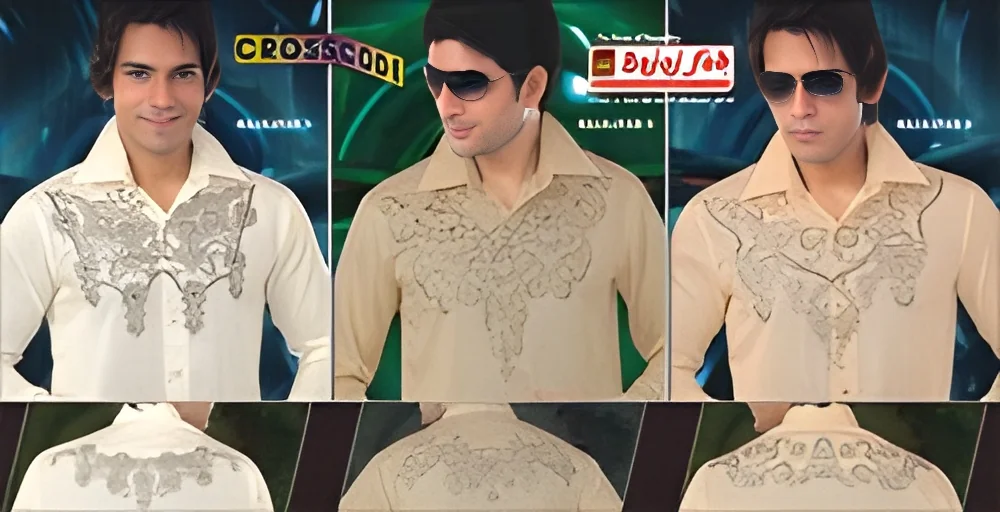
1. Fashion Industry: Machine embroidered fabric is widely used to create stylish apparel, including shirts, dresses, and accessories. The intricate designs enhance the visual appeal, making garments more attractive to consumers.
2. Home Decor: Many businesses utilize machine embroidered fabric for curtains, cushions, and bedding. The decorative elements add sophistication to home interiors, catering to a wide range of customer preferences.
3. Corporate Branding: Companies often use embroidered fabrics for uniforms, promotional items, and branded merchandise. This helps in establishing brand identity while providing employees with professional attire.
4. Hospitality Sector: Hotels and restaurants frequently incorporate machine embroidered fabric in table linens and staff uniforms. This contributes to a polished and cohesive look that enhances the overall guest experience.
5. Sportswear: Machine embroidered fabrics are used in sports apparel for team uniforms and merchandise. The ability to customize designs and logos makes it ideal for branding in sports environments.
6. Crafting and DIY: Crafters and hobbyists utilize machine embroidered fabrics for various projects, including scrapbooking and custom gifts. The variety of designs available can inspire creativity and personalization.
7. Educational Institutions: Schools often use machine embroidered fabric for uniforms and merchandise. This fosters school spirit and creates a sense of community among students and staff.
Product Variants and Subcategories
Machine embroidered fabric comes in various forms, allowing for customization and specific applications.
Cotton Embroidered Fabric
This variant is popular for apparel and home textiles. It offers breathability and comfort, making it suitable for summer clothing and soft furnishings. Cotton embroidered fabric is also easy to care for.
Polyester Embroidered Fabric
This variant is known for its durability and resistance to wrinkles. It is commonly used in corporate uniforms and promotional products. The vibrant colors and intricate designs are long-lasting, making it an excellent choice for high-usage applications.
Mixed Fabric Embroidered Options
These fabrics combine different fibers, such as cotton-polyester blends. They provide the benefits of both materials, offering comfort and durability. Mixed fabric options are versatile and can be used for various applications across multiple industries.
Benefits and Advantages
Machine embroidered fabric offers several key advantages that can enhance product offerings for businesses.
1. Aesthetic Appeal: The intricate designs and vibrant colors add visual interest to products. This can help attract customers and differentiate offerings in a competitive market.
2. Durability: Machine embroidered fabrics are designed to withstand wear and tear. This makes them suitable for high-use applications, ensuring longevity and value for businesses.
3. Customization: Businesses can easily customize designs to align with branding efforts. This flexibility allows companies to create unique products that resonate with their target audience.
4. Enhanced Brand Identity: Using machine embroidered fabric for uniforms and merchandise reinforces brand identity. This creates a cohesive image that can improve recognition and customer loyalty.
5. Versatility: Available in various materials and designs, machine embroidered fabric can be adapted for multiple industries. This versatility ensures that businesses can find suitable options for their specific needs.
6. Cost-Effectiveness: While initial production costs may be higher, the durability and aesthetic benefits of machine embroidered fabric can lead to long-term savings. High-quality products reduce the need for replacements and repairs.
Buying Guide for B2B Buyers
When sourcing machine embroidered fabric, several critical factors should be considered to ensure the right selection.
1. Quality Assessment: Evaluate the fabric's composition, stitch quality, and durability. Look for samples to assess the texture and overall finish before making bulk purchases.
2. Supplier Verification: Research potential suppliers to ensure they have a good reputation and reliable delivery. Customer reviews and industry certifications can provide insights into their credibility.
3. Pricing and MOQ: Understand the pricing structure and minimum order quantities. This helps in budgeting and ensures that the investment aligns with business needs.
4. Delivery and Lead Times: Confirm logistics and expected delivery times. Timely delivery is crucial for maintaining production schedules and fulfilling customer orders.
5. Compliance Requirements: Ensure that the fabrics meet industry-specific compliance and safety standards. This is important for avoiding legal issues and ensuring product safety.
Compliance and Certifications
Machine embroidered fabric must adhere to relevant quality standards to ensure safety and reliability in various applications. Standards such as ISO 9001 focus on quality management systems, ensuring consistent performance and customer satisfaction.
Additionally, many manufacturers seek certifications like CE, which indicates compliance with European safety standards. This certification assures buyers that the products meet rigorous safety and environmental requirements.
Safety and testing requirements are essential, particularly in industries such as fashion and home textiles, where products may come into contact with skin or be used in sensitive environments. Regional compliance considerations may also be necessary, depending on the market where the fabric will be sold or used.
Why Source Machine Embroidered Fabric from Pepagora?
Pepagora provides a trusted platform for sourcing machine embroidered fabric, offering several key advantages for B2B buyers.
Verified Supplier Network: Pepagora connects buyers with verified suppliers who have undergone rigorous vetting. This ensures that businesses can access high-quality products from reputable sources.
Streamlined RFQ Process: The platform simplifies the request for quotation process, allowing buyers to easily compare offers from multiple suppliers. This helps in making informed purchasing decisions efficiently.
Trade Assurance and Support: Buyers are protected through trade assurance policies, which provide financial security and support throughout the purchasing process. This builds trust and confidence among buyers.
Regional Coverage: Pepagora has a broad geographic reach, serving markets in India, the GCC, and Southeast Asia. This extensive network allows businesses to source machine embroidered fabric tailored to their regional needs and preferences.

 IN
IN