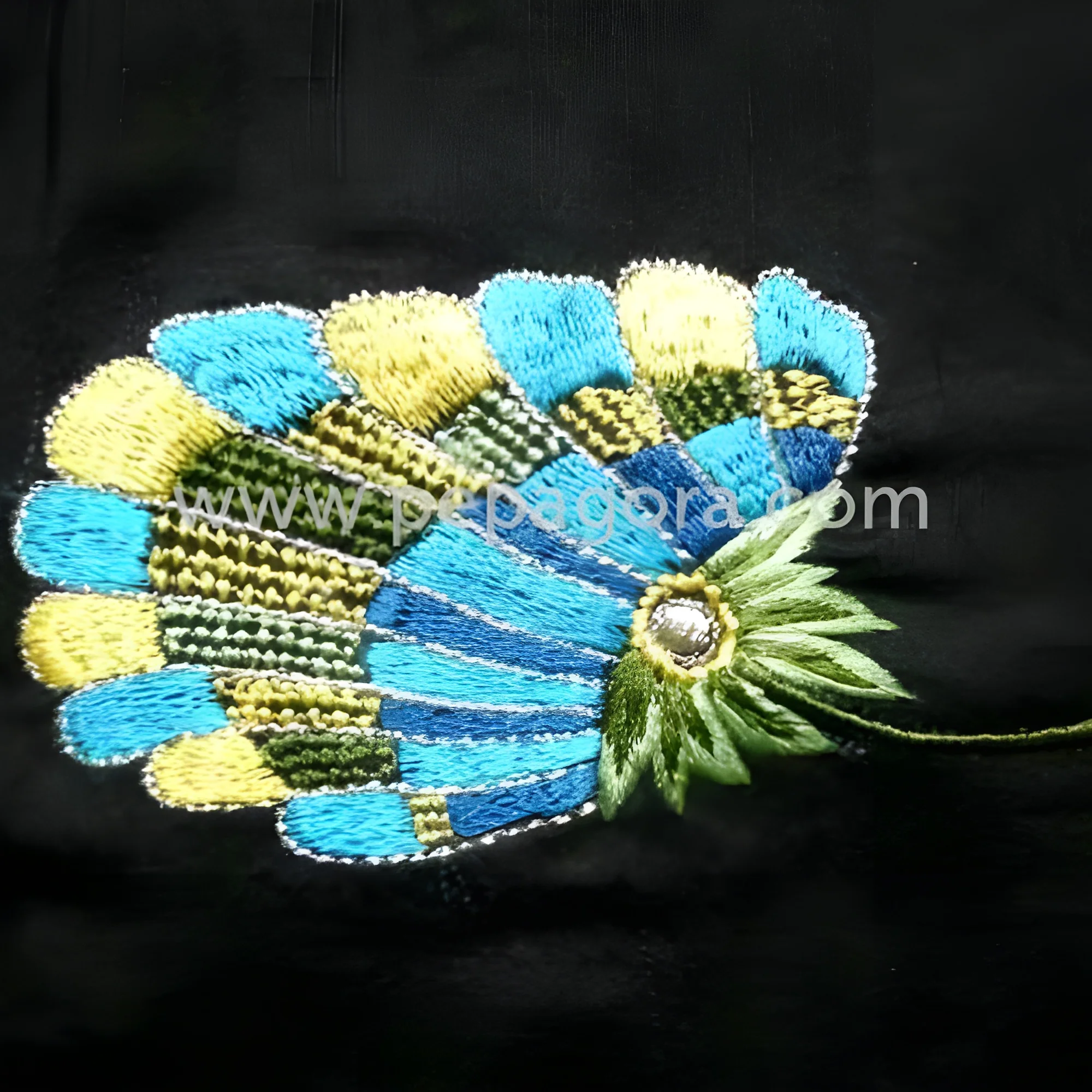
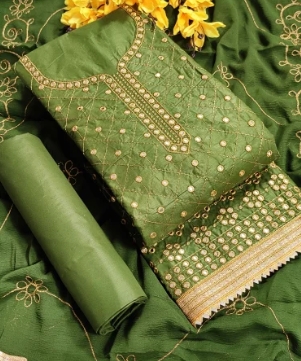
What are Hand Embroidered Fabric?
Hand embroidered fabric is a type of textile that features intricate designs created through the manual application of embroidery techniques. This craftsmanship often involves the use of colorful threads and various stitching methods to produce patterns and images on the fabric surface. The process requires skilled artisans who combine traditional techniques with artistic creativity, resulting in unique and visually appealing fabrics.
These fabrics are widely used in various sectors, including fashion, home decor, and arts and crafts. Businesses utilize hand embroidered fabrics to create bespoke clothing, accessories, and decorative items that stand out in a crowded market. With the rise of personalized and custom products, the demand for hand embroidered fabrics has increased, making them an essential component in industries that prioritize quality and uniqueness.
As the market for handcrafted goods continues to grow, hand embroidered fabrics have gained relevance. They are not only appreciated for their aesthetic value but also for their cultural significance. Many companies are keen to source these fabrics to cater to consumer preferences for artisanal and sustainable products.
Key Features and Specifications
Hand embroidered fabrics are characterized by their exceptional quality and craftsmanship. They offer a range of features that make them suitable for various applications. Understanding these key specifications is crucial for businesses looking to invest in these textiles.
Key specifications include:
1. Fabric Type
- Typically made from cotton, silk, or blends
- Offers a variety of textures and weights
2. Stitch Techniques
- Various embroidery techniques such as satin stitch, chain stitch, and cross-stitch
- Each technique offers unique visual effects
3. Design Complexity
- Custom designs available based on client specifications
- Complexity can range from simple patterns to intricate motifs
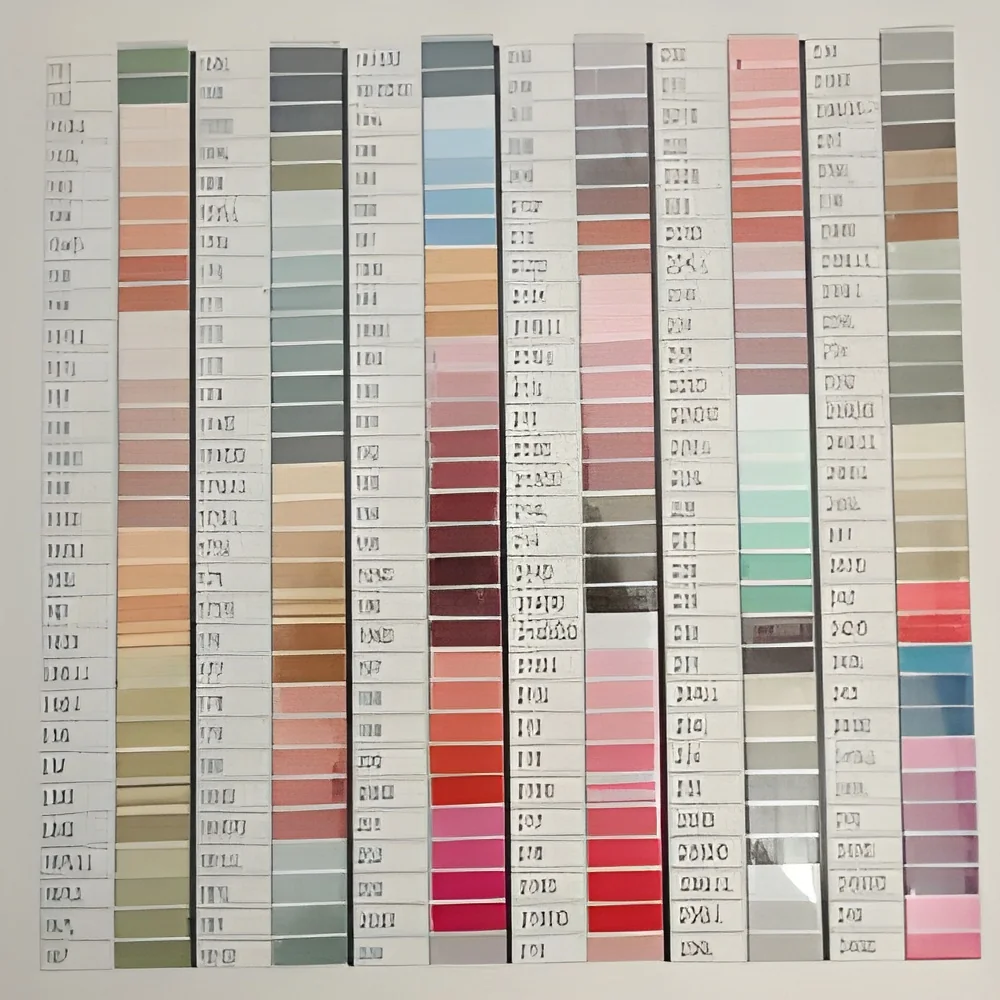
4. Color Range
- Wide variety of colors available
- Custom color matching options can be provided
5. Durability
- High-quality threads used for longevity
- Resistant to fading and wear with proper care
6. Environmental Considerations
- Sourced from sustainable materials in some cases
- Eco-friendly production methods may be employed
7. Size Options
- Available in various sizes depending on the intended use
- Custom sizing can often be accommodated
8. Certifications
- CE certification may be applicable for compliance
- Quality standards ensure reliable production practices
In summary, hand embroidered fabrics offer a combination of quality, artistry, and versatility, making them valuable for numerous applications across various industries.
Common Applications and Use Cases
Hand embroidered fabrics find applications in a wide range of sectors due to their unique appeal and cultural significance.
1. Fashion Industry: These fabrics are used in high-end clothing, accessories, and bespoke garments, allowing designers to create distinctive pieces that attract discerning customers.
2. Home Decor: Hand embroidered fabrics are popular for curtains, cushion covers, and table linens, adding a personal touch to interior design.
3. Art and Crafts: Many artisans utilize these fabrics in their creations, incorporating them into mixed media art, quilts, and handmade gifts.
4. Hospitality: Hotels and restaurants use hand embroidered linens to enhance their decor and provide an upscale experience for guests.
5. Cultural Events: Traditional garments made from hand embroidered fabrics are often worn during cultural celebrations and festivals, showcasing heritage and craftsmanship.
6. Gift Items: Custom hand embroidered items serve as unique gifts, appealing to consumers looking for personalized and meaningful presents.
7. Promotional Products: Businesses can use hand embroidered fabrics for branding purposes, such as embroidered logos on uniforms or promotional materials.
Product Variants and Subcategories
Hand embroidered fabrics come in various forms to cater to different market needs. Their diversity allows businesses to choose products that best fit their specific requirements.
Cotton Hand Embroidered Fabric
This variant is lightweight and breathable, making it ideal for summer clothing and accessories. The cotton fibers allow for vibrant color retention, and the fabric is easy to care for.
Silk Hand Embroidered Fabric
Silk variants exude luxury and elegance, often used in formal wear and high-end décor. The softness of silk enhances the embroidery’s visual impact, making it a favored choice for upscale products.
Mixed Media Hand Embroidered Fabric
Combining different types of fabrics, this variant allows for innovative designs and textures. It is suited for creative projects where versatility and uniqueness are essential.
Benefits and Advantages
Hand embroidered fabrics provide several distinct advantages for businesses looking to enhance their product offerings.
1. Unique Aesthetic: The handcrafted nature of these fabrics ensures that each piece is unique, appealing to consumers who value individuality.
2. Cultural Significance: Many hand embroidered fabrics carry cultural stories and heritage, adding depth and meaning to products.
3. High Quality: The meticulous craftsmanship involved results in durable and high-quality textiles suitable for various applications.
4. Customization Options: Businesses can work with artisans to create bespoke designs that meet their specific needs, enhancing brand identity.
5. Market Differentiation: Offering hand embroidered products helps businesses stand out in a competitive market, attracting customers looking for unique items.
6. Sustainability Potential: Many hand embroidered fabrics can be sourced through sustainable practices, aligning with growing consumer demand for eco-friendly products.
Buying Guide for B2B Buyers
When sourcing hand embroidered fabric, B2B buyers should consider several important factors to ensure they make informed purchasing decisions.
1. Quality Assessment: Evaluate the quality of the fabric by requesting samples. Check for consistency in embroidery, fabric feel, and durability.
2. Supplier Verification: Conduct due diligence to verify suppliers' credibility. Look for reviews, references, and certifications to ensure reliability.
3. Pricing and MOQ: Understand the pricing structure and the minimum order quantity (MOQ) requirements. Negotiate terms that align with your budget and needs.
4. Delivery and Lead Times: Clarify delivery schedules and lead times to ensure timely availability of products for your business.
5. Compliance Requirements: Be aware of any regulatory standards that may apply to the fabrics, including safety and environmental compliance.
Compliance and Certifications
Hand embroidered fabrics are often subject to industry standards and certifications that ensure quality and safety. Relevant quality standards, such as ISO 9001, focus on maintaining effective quality management systems in textile production. These standards help manufacturers consistently deliver high-quality products.
Additionally, CE certification may apply to certain hand embroidered fabrics, indicating compliance with European health and safety standards. This certification can enhance marketability in regions where such compliance is mandatory.
Safety and testing requirements are crucial, especially when fabrics are intended for use in clothing and home textiles. Buyers should ensure that the materials used in hand embroidered fabrics are free from harmful substances and comply with relevant safety regulations.
Regional compliance considerations may vary, depending on where the fabrics will be sold. It is essential to understand local regulations and standards to ensure that products meet the necessary requirements.
Why Source Hand Embroidered Fabric from Pepagora?
Pepagora offers a trusted platform for sourcing hand embroidered fabric, providing several key advantages for B2B buyers.
Verified Supplier Network: Pepagora maintains a network of verified suppliers, ensuring that buyers can source high-quality hand embroidered fabrics with confidence. The platform conducts thorough vetting processes to confirm supplier reliability and product authenticity.
Streamlined RFQ Process: The platform features a user-friendly Request for Quotation (RFQ) system, enabling buyers to easily request quotes from multiple suppliers. This process simplifies procurement and helps businesses find the best pricing and terms.
Trade Assurance and Support: Pepagora offers trade assurance to protect buyers in their transactions. This feature provides peace of mind, ensuring that buyers receive the products they ordered and that any disputes are managed effectively.
Regional Coverage: With a strong presence in India, the GCC, and Southeast Asia, Pepagora connects buyers with local suppliers, facilitating easier access to a diverse range of hand embroidered fabrics while supporting regional artisans and businesses.

 IN
IN