What are Yarn Dyed Fabrics?
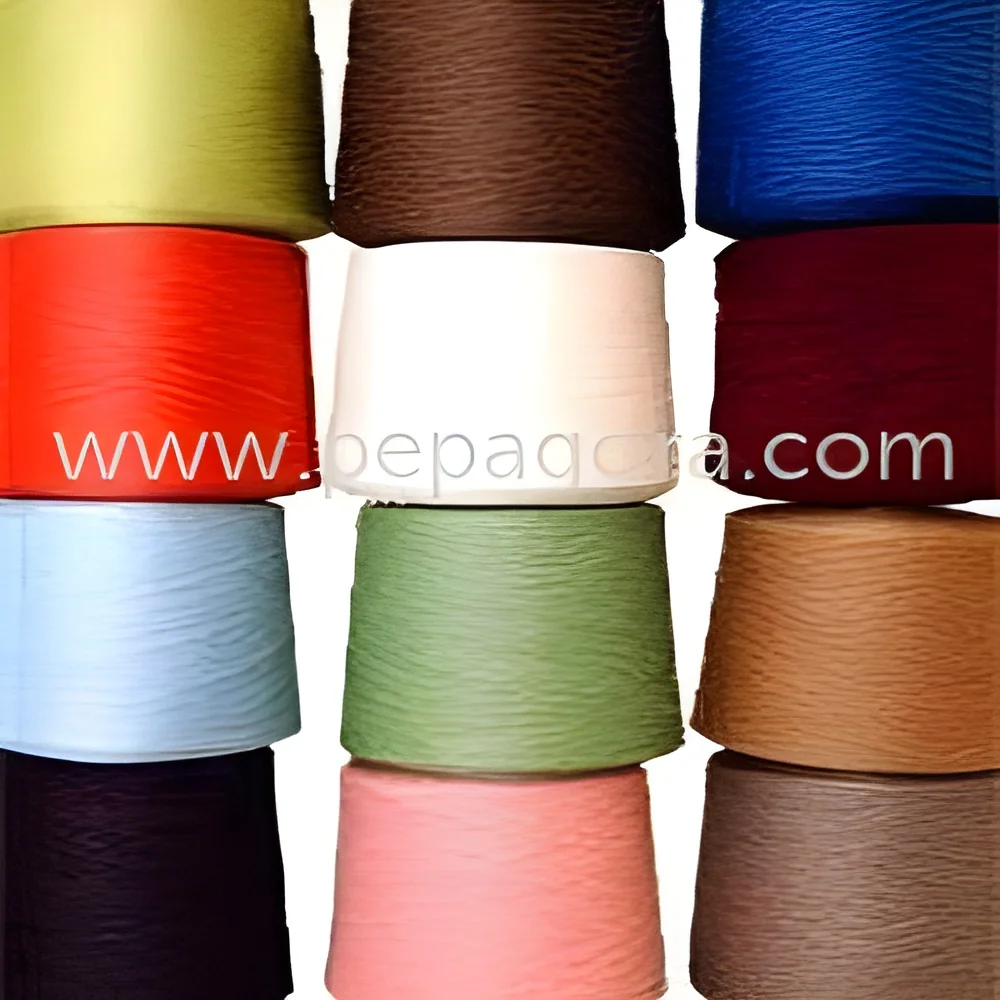
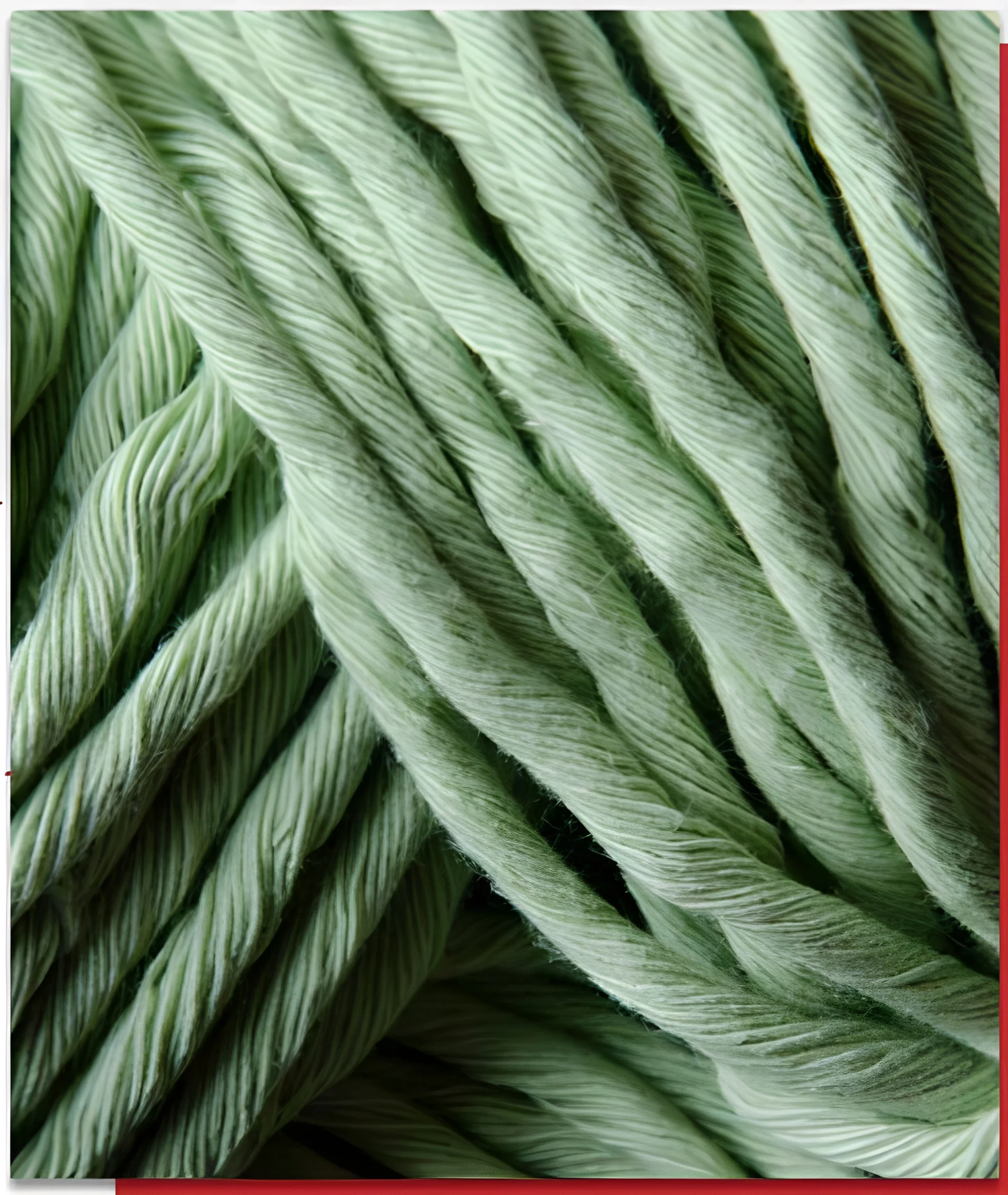
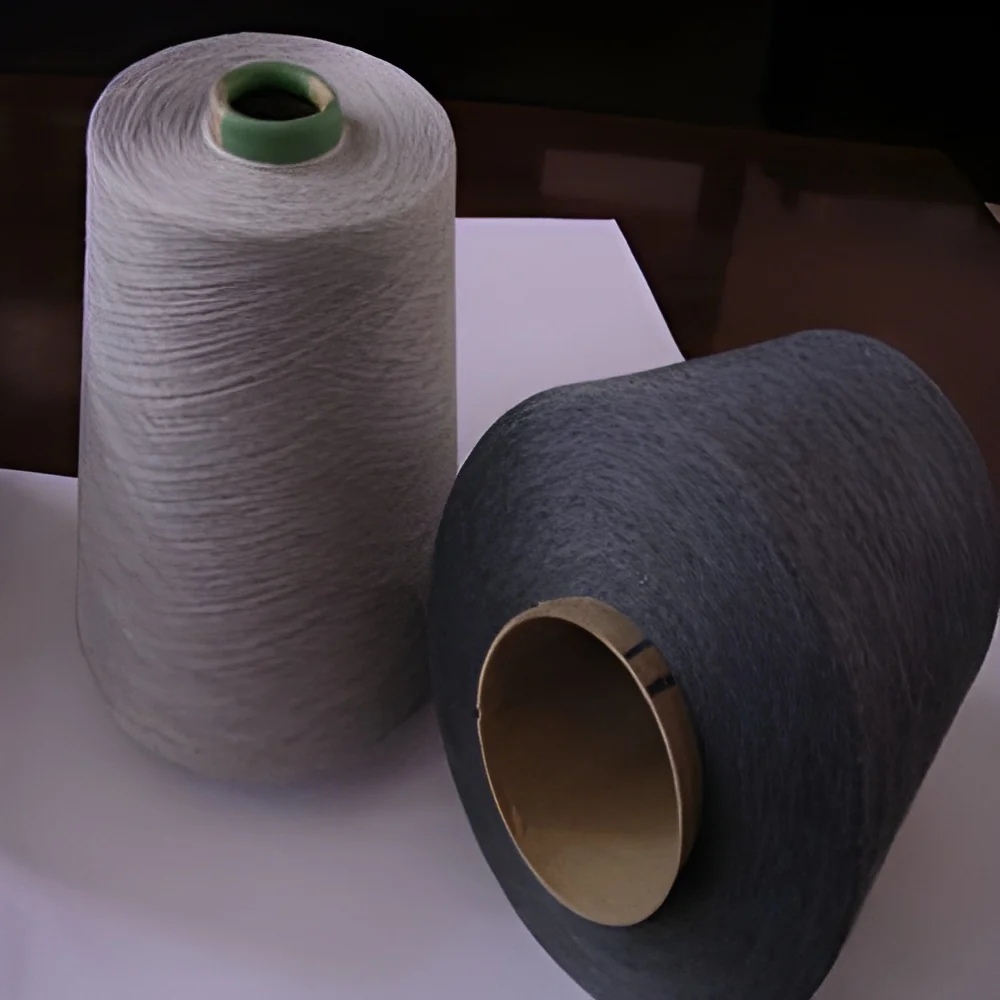
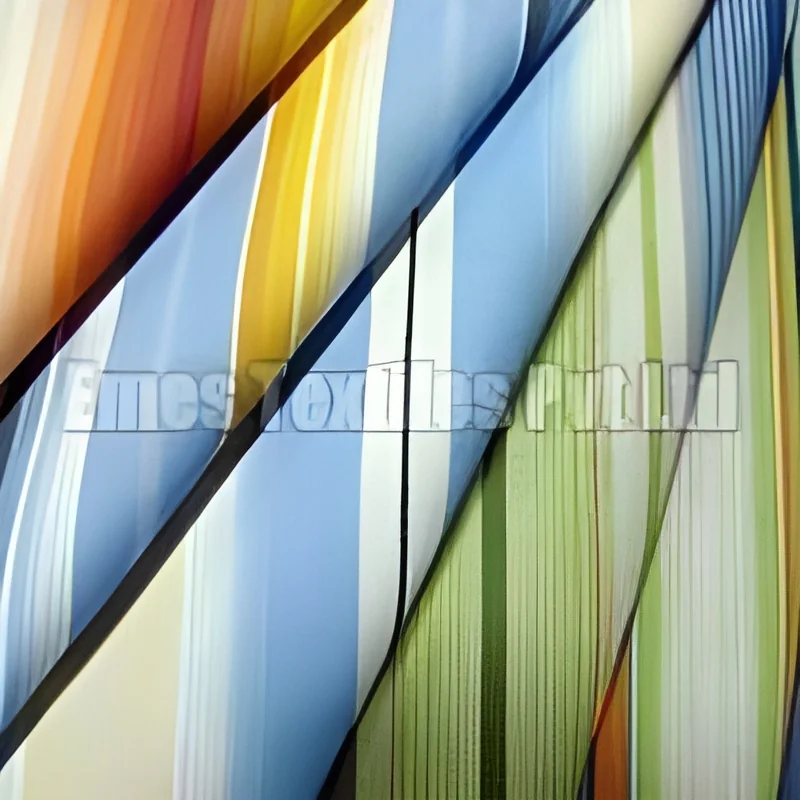
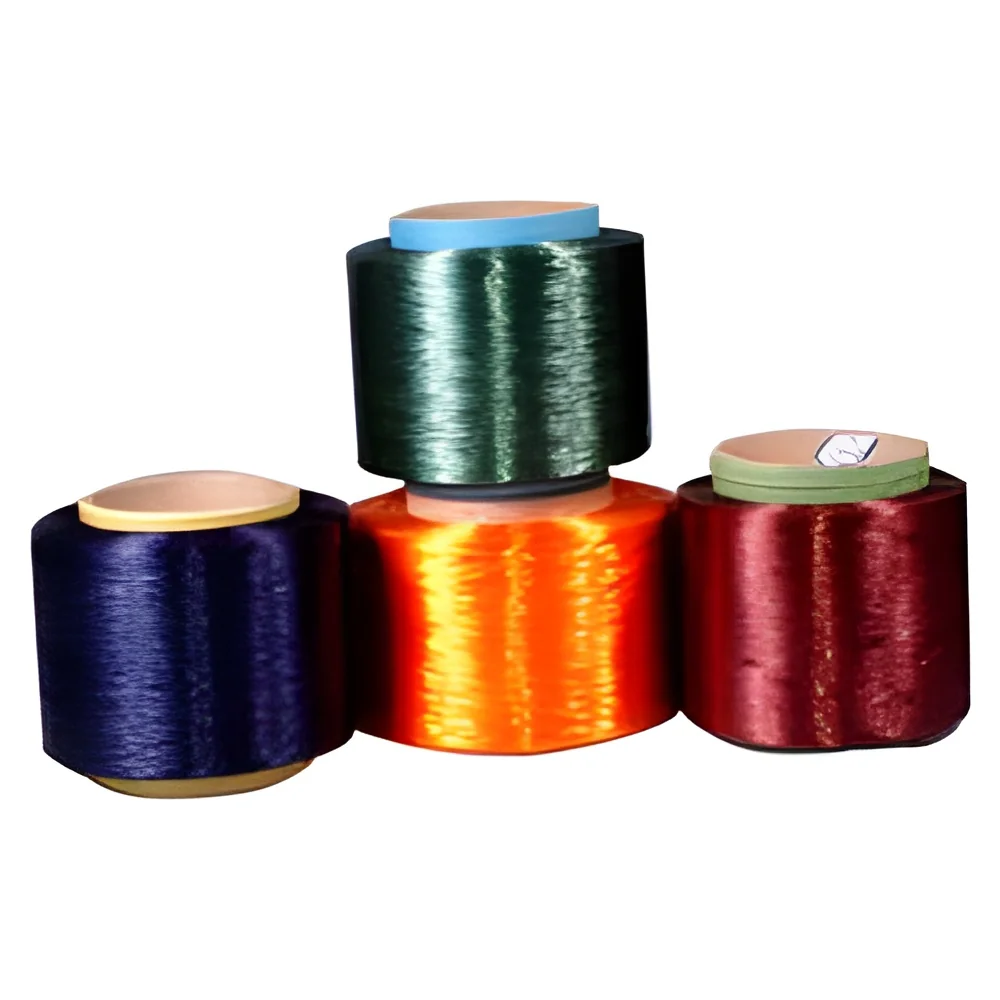
Yarn dyed fabrics are textiles made from yarn that has been dyed before weaving or knitting. This process ensures that the colors penetrate deeply into the fibers, resulting in vibrant and long-lasting hues. Unlike piece-dyed fabrics, where the entire fabric is dyed after weaving, yarn dyeing allows for more intricate patterns and designs as different colored yarns can be woven together to create unique visual effects.
These fabrics are widely used in various applications, particularly in the apparel and home textile industries. Common uses include shirts, blouses, and other garments, as well as upholstery and drapery in home furnishings. Their ability to maintain color and resist fading makes them highly desirable for both consumer and industrial uses. In a competitive market, manufacturers and brands often turn to yarn dyed fabrics to differentiate their products and provide added value to customers.
As industries continue to evolve, the demand for high-quality yarn dyed fabrics remains strong. This is largely due to the increasing consumer preference for durable, aesthetically appealing textiles that can withstand wear and tear. Additionally, the rise of eco-consciousness has led to a focus on sustainable practices within the yarn dyeing process, further enhancing its relevance in today's market.
Key Features and Specifications
Yarn dyed fabrics come with several key features that make them stand out in the textile market. These specifications not only define the quality of the fabric but also its suitability for various applications.
Key specifications include:
1. Color Fastness
- The ability of the fabric to retain its color during washing and exposure to light.
- Typically rated on a scale from 1 to 5, with higher values indicating better performance.
2. Fabric Weight
- The heaviness of the fabric, usually measured in grams per square meter (GSM).
- Common weights range from lightweight (100-150 GSM) to heavyweight (over 300 GSM).
3. Weave Type
- The method used to interlace the yarns, impacting texture and durability.
- Common weaves include plain, twill, and satin.
4. Shrinkage Rate
- The percentage change in fabric dimensions after washing.
- Generally, this should be less than 5% for quality fabrics.
5. Thread Count
- The number of threads per square inch, influencing the fabric's softness and strength.
- Higher thread counts typically result in a softer feel.
6. Composition
- The fiber content of the fabric, such as cotton, polyester, or a blend.
- Affects breathability, durability, and care requirements.
7. Finish
- Additional treatments applied to the fabric, such as water repellency or wrinkle resistance.
- Enhances the fabric's performance in specific applications.
8. Certification
- Compliance with industry standards such as CE.
- Ensures safety and quality in production.
In summary, the features and specifications of yarn dyed fabrics play a crucial role in determining their application and marketability. Businesses should carefully consider these factors when selecting fabrics for their products.
Common Applications and Use Cases
Yarn dyed fabrics are versatile and find applications across numerous industries. Their unique characteristics make them suitable for various uses.
1. Apparel: Used extensively in clothing such as shirts, blouses, and dresses. The vibrant colors and patterns enhance garment aesthetics and appeal to consumers.
2. Home Textiles: Common in upholstery, curtains, and bed linens. The durability and color retention make them ideal for home furnishings that experience regular use.
3. Sportswear: Employed in activewear due to their breathability and moisture-wicking properties. Yarn dyed options can incorporate unique designs that cater to sports branding.
4. Automotive: Used in vehicle interiors for seat covers and trim. The resilience of yarn dyed fabrics contributes to durability in high-use environments.
5. Industrial Textiles: Applied in workwear and protective clothing. The strength and color fastness meet the demands of various industrial applications.
6. Fashion Accessories: Found in bags, hats, and scarves. The ability to create intricate patterns makes them popular in fashion goods.
7. Outdoor Gear: Used in tents and outdoor apparel. The weather-resistant features of specific yarn dyed fabrics enhance performance in outdoor conditions.
Product Variants and Subcategories
Yarn dyed fabrics offer a range of variants to meet diverse market needs. Each variant presents unique features and applications.
Cotton Yarn Dyed Fabric
This variant is made from high-quality cotton fibers, known for their breathability and comfort. It is commonly used in casual wear and home textiles, providing a soft feel and vibrant colors.
Polyester Yarn Dyed Fabric
Produced from synthetic fibers, this variant offers excellent durability and moisture-wicking properties. It is ideal for sportswear and outdoor applications, ensuring long-lasting performance.
Blended Yarn Dyed Fabric
Combining natural and synthetic fibers, this variant aims to provide the best of both worlds. It is often used in fashion apparel, offering comfort while enhancing durability and ease of care.
Benefits and Advantages
Yarn dyed fabrics come with several advantages that make them an attractive option for businesses.
1. Vibrant Colors: The dyeing process allows for rich, vibrant colors that do not fade easily, enhancing product appeal.
2. Design Flexibility: Yarn dyed fabrics can be woven in various patterns, providing designers with creative freedom in their collections.
3. Durability: The pre-dyed yarns ensure that fabrics withstand wear and washing, making them suitable for high-use applications.
4. Eco-Friendly Options: Many suppliers offer sustainable yarn dyeing processes, appealing to environmentally conscious consumers.
5. Enhanced Quality: The quality standards associated with yarn dyed fabrics often result in superior products compared to piece-dyed alternatives.
6. Versatile Applications: These fabrics can be used in a wide range of industries, from fashion to home textiles, increasing market opportunities.
Buying Guide for B2B Buyers
When sourcing yarn dyed fabrics, businesses should consider several key factors to ensure a successful procurement process.
1. Quality Assessment: Evaluate the fabric's quality by reviewing specifications such as color fastness, weight, and weave type. Request samples to assess texture and performance.
2. Supplier Verification: Vet suppliers by checking their reputations, certifications, and previous client reviews. Establishing a reliable supplier relationship is crucial for quality assurance.
3. Pricing and MOQ: Understand the pricing structure and minimum order quantities, which can vary significantly between suppliers. This helps in budgeting and inventory planning.
4. Delivery and Lead Times: Inquire about logistics and expected delivery times. Timely supply is critical in maintaining production schedules.
5. Compliance Requirements: Ensure that the fabrics meet relevant regulatory and industry standards. This includes safety certifications and environmental compliance.
Compliance and Certifications
Yarn dyed fabrics must adhere to various quality standards to ensure their reliability and safety in end-use applications. Standards such as ISO 9001 focus on quality management systems, ensuring consistent product quality.
Industry certifications like CE indicate compliance with European safety standards, which is essential for fabrics used in consumer goods. Safety and testing requirements may include checks for harmful substances, ensuring that the fabrics are safe for human use.
Regional compliance considerations can also play a role, as different markets may have specific regulations governing textile products. It is vital for manufacturers and suppliers to stay informed about these requirements to avoid potential legal issues.
Why Source Yarn Dyed Fabrics from Pepagora?
Pepagora provides a trusted platform for sourcing yarn dyed fabrics, offering several key advantages for B2B buyers.
Verified Supplier Network: Pepagora connects businesses with a network of verified suppliers, ensuring quality and reliability in sourcing. This reduces the risk typically associated with procurement.
Streamlined RFQ Process: The platform simplifies the request for quotation (RFQ) process, allowing buyers to quickly obtain competitive pricing and terms from multiple suppliers. This streamlining saves time and improves efficiency in purchasing.
Trade Assurance and Support: Pepagora offers trade assurance, providing buyers with protection against potential disputes or issues with orders. This support fosters confidence in the sourcing process.
Regional Coverage: With a broad geographic reach, Pepagora services markets in India, the GCC, and Southeast Asia. This diverse coverage enables buyers to access a wide variety of yarn dyed fabrics tailored to their regional needs.
By choosing Pepagora, businesses can enhance their sourcing experience while ensuring they receive high-quality yarn dyed fabrics that meet their specifications.

 IN
IN