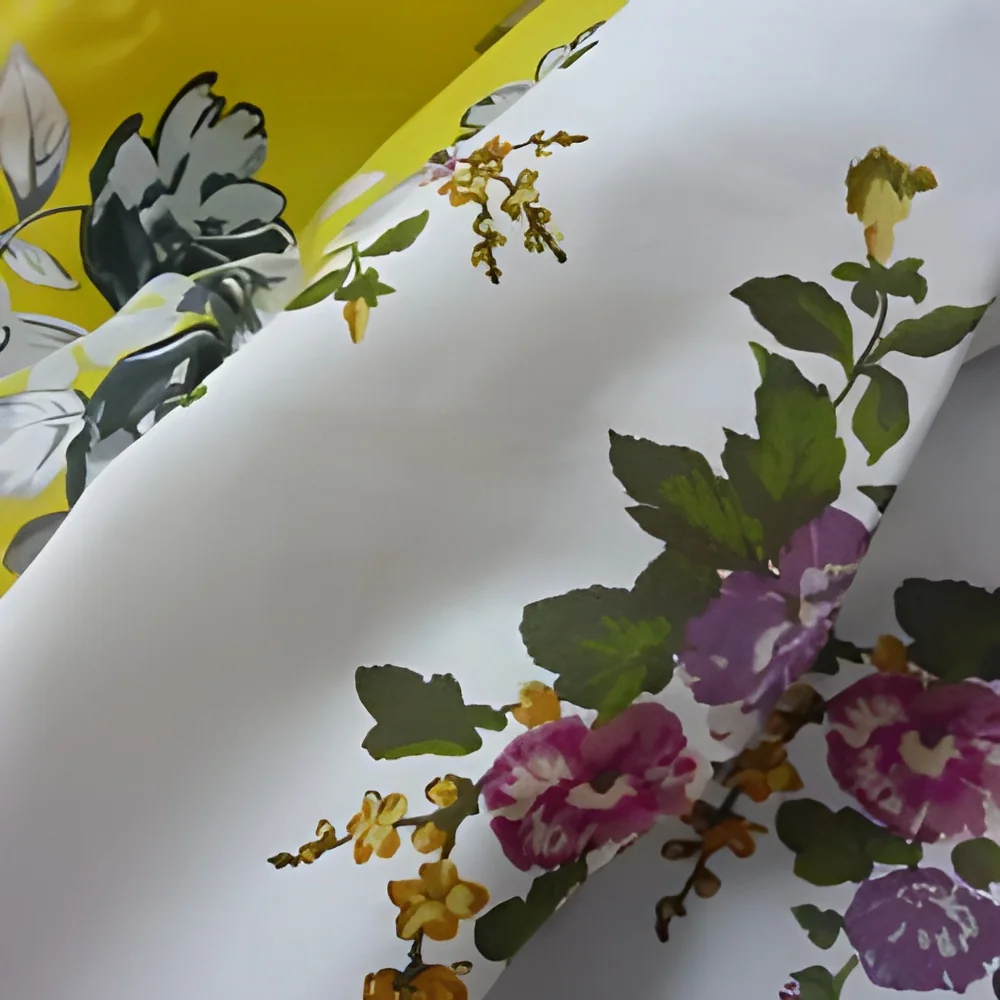
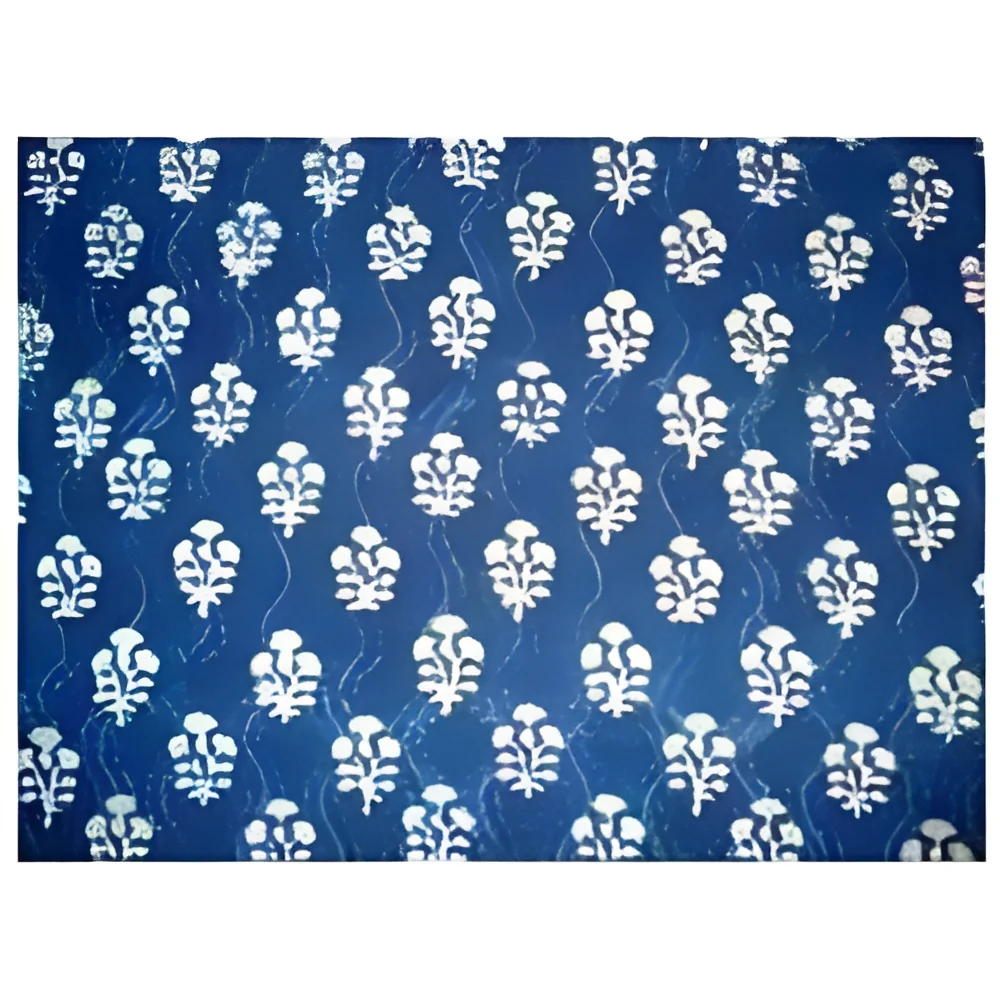
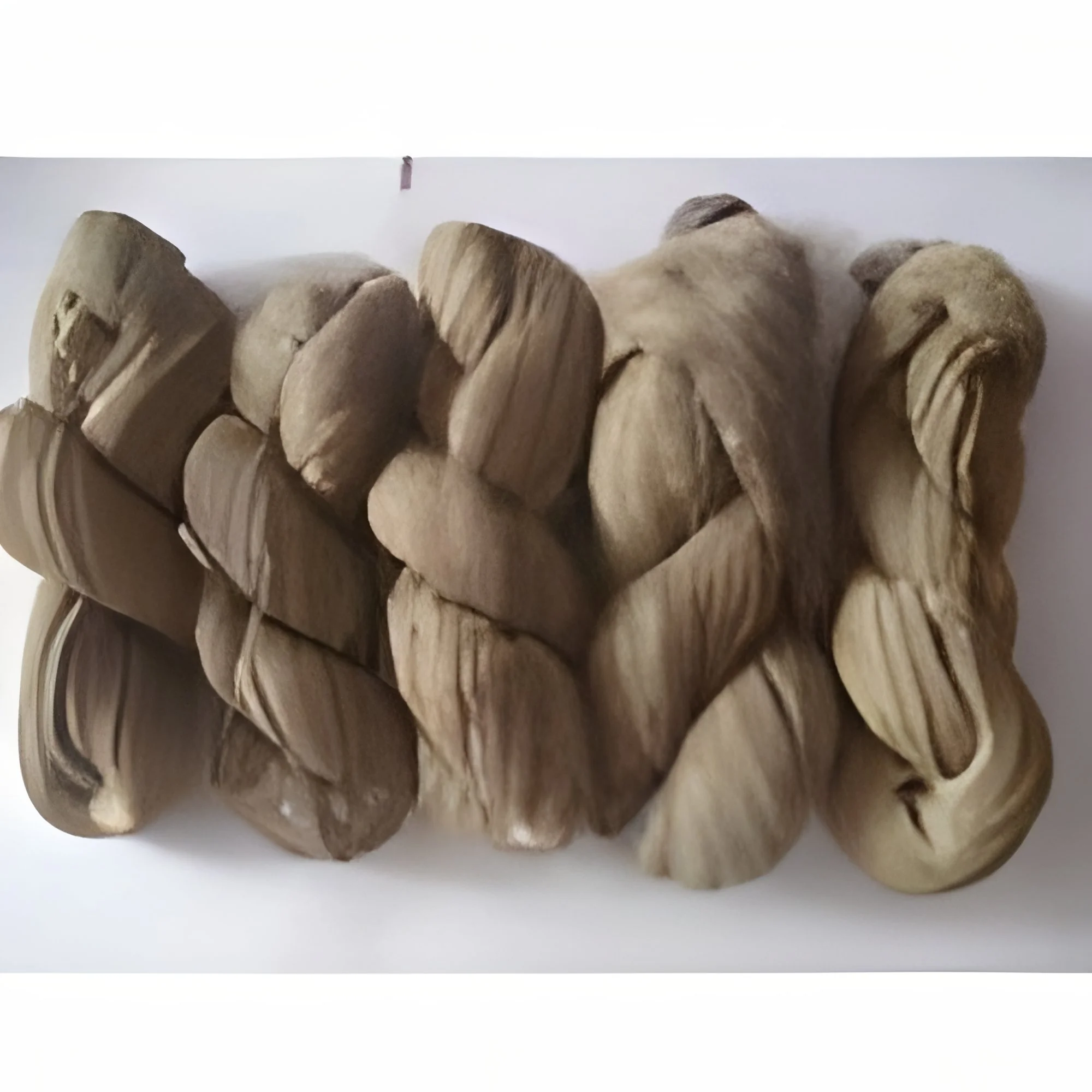
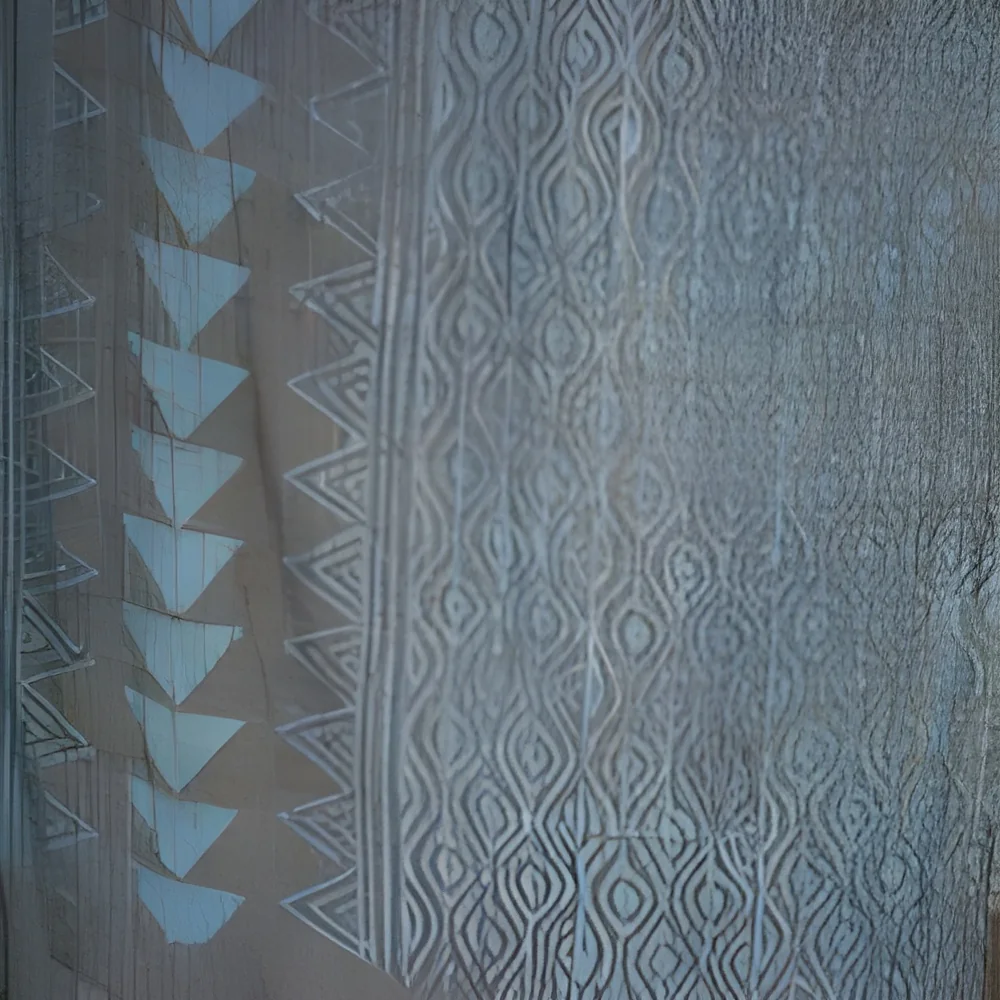
What are Block Printed Fabric?
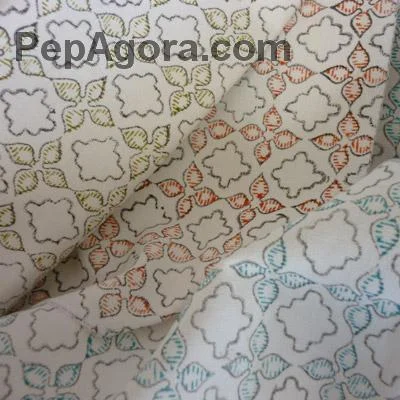
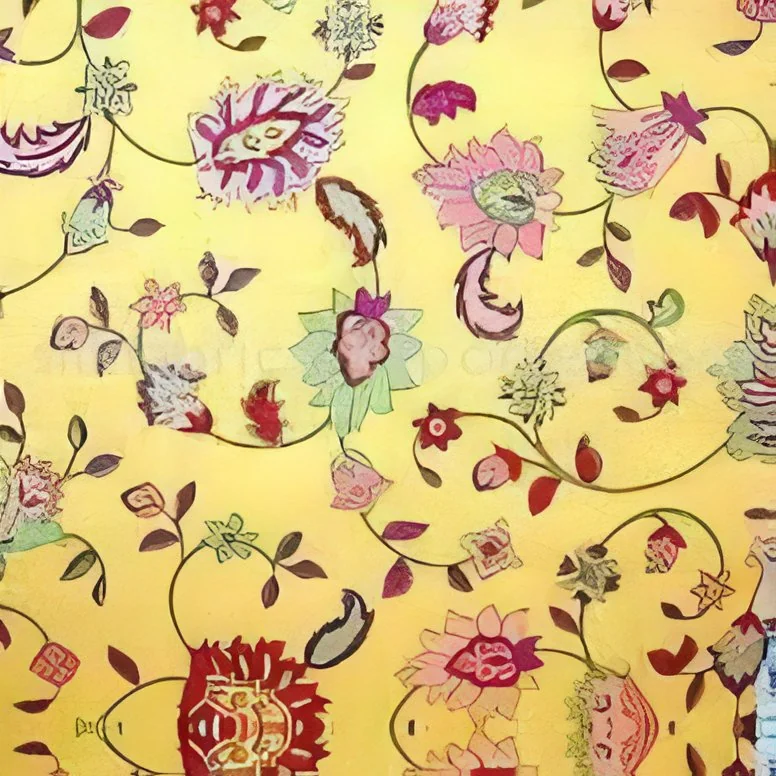
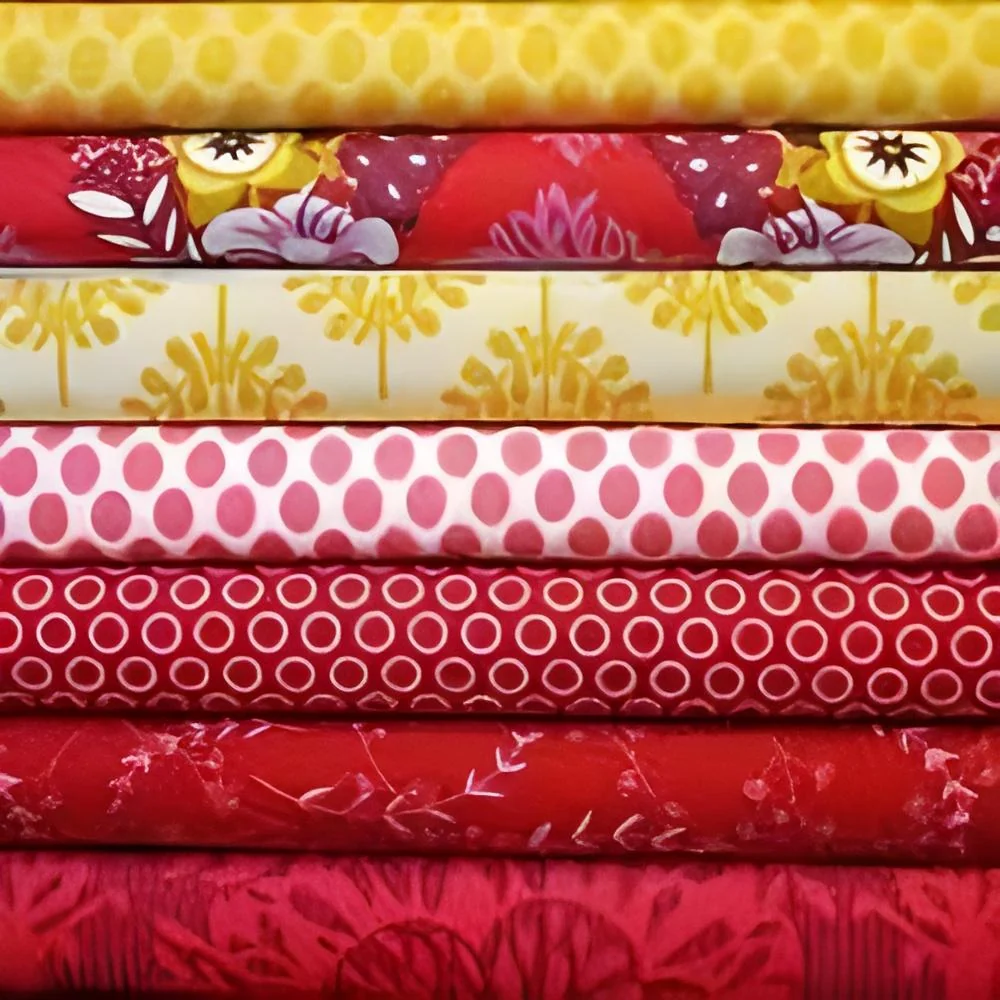
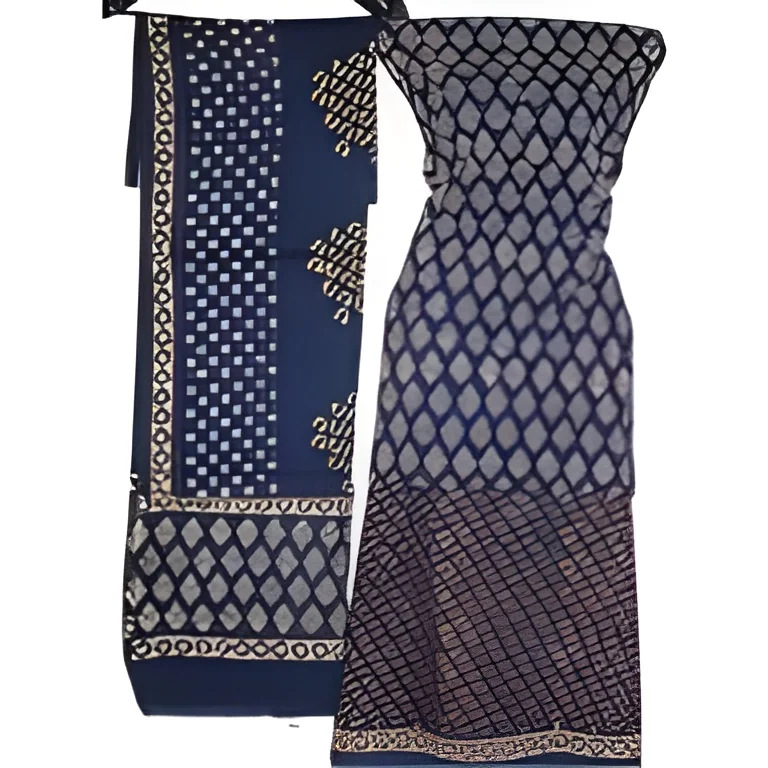
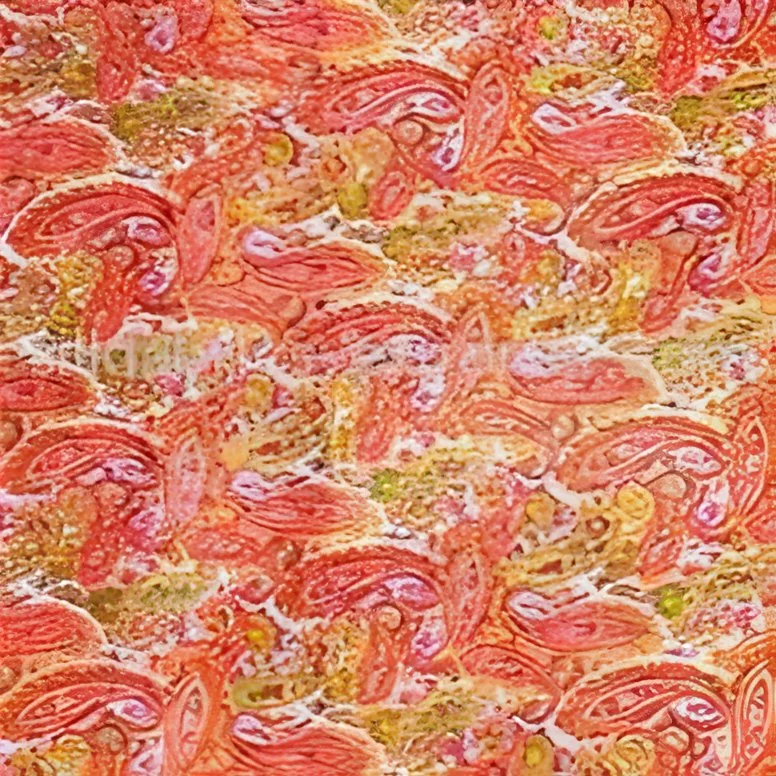
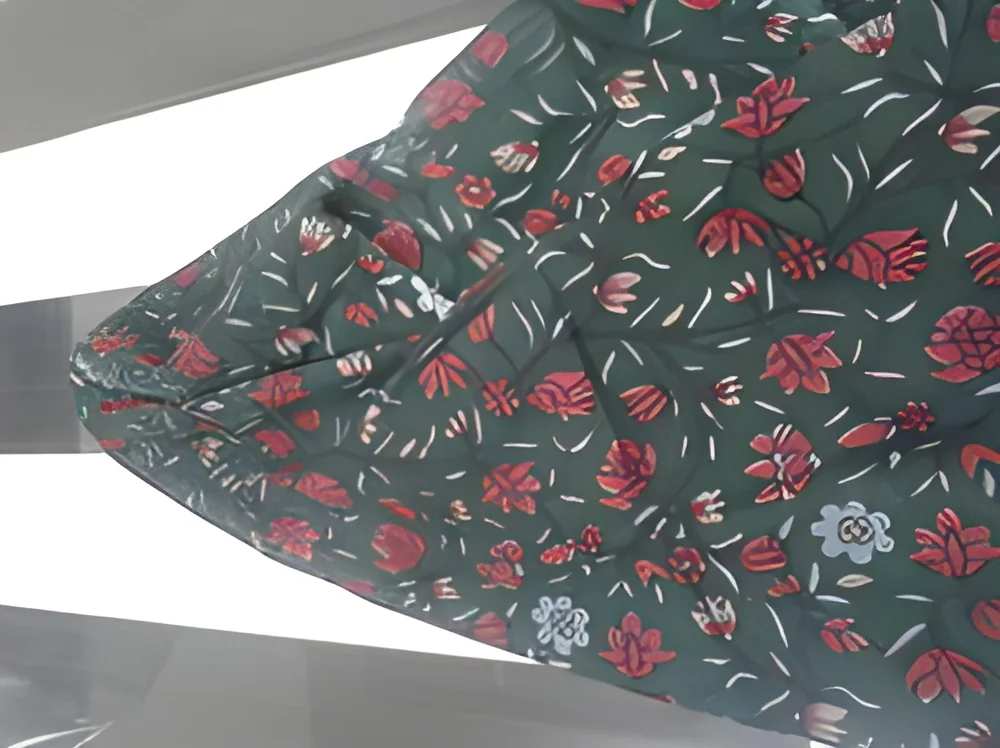
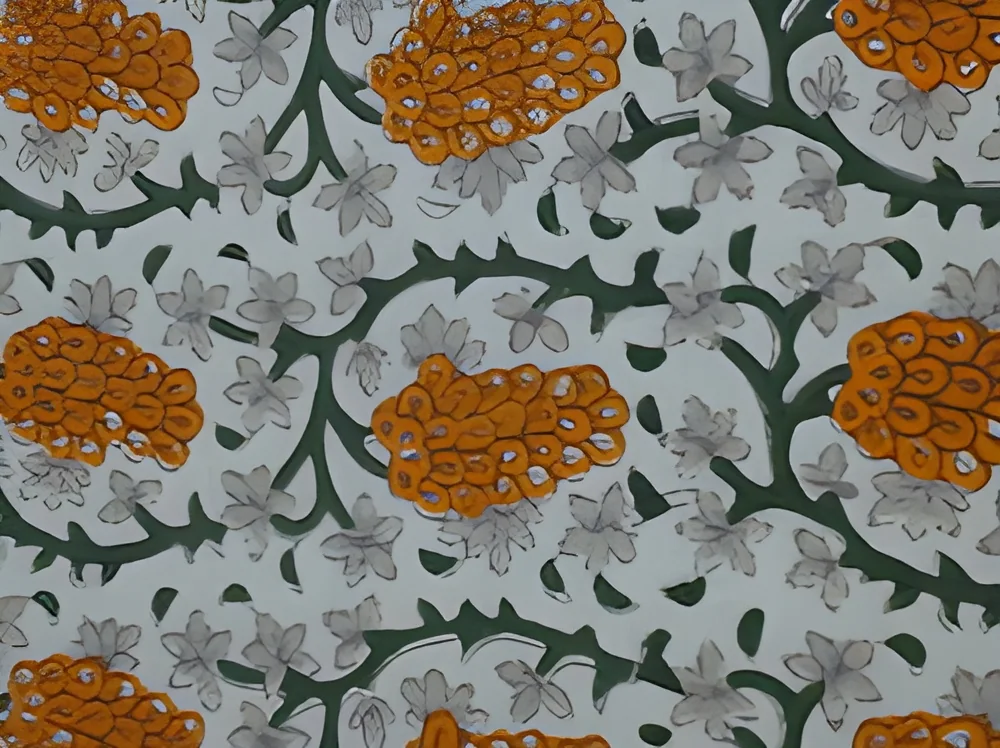
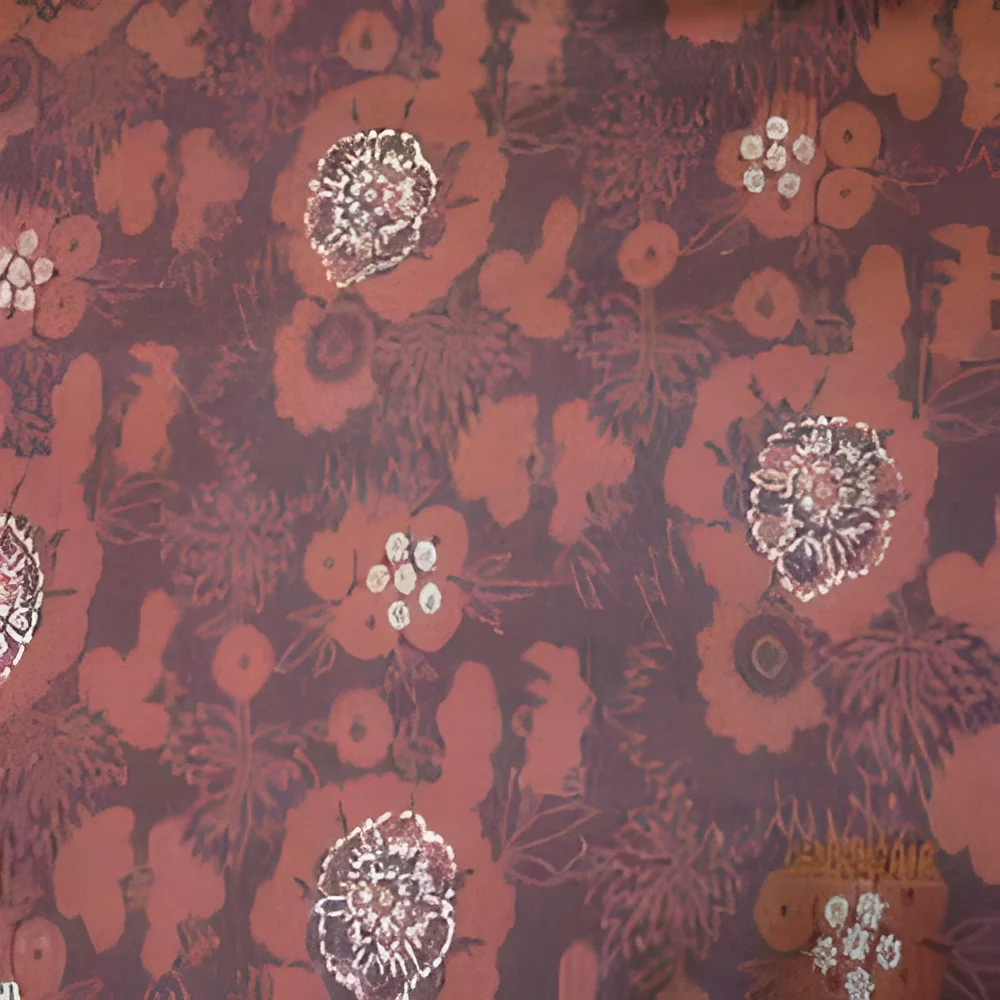
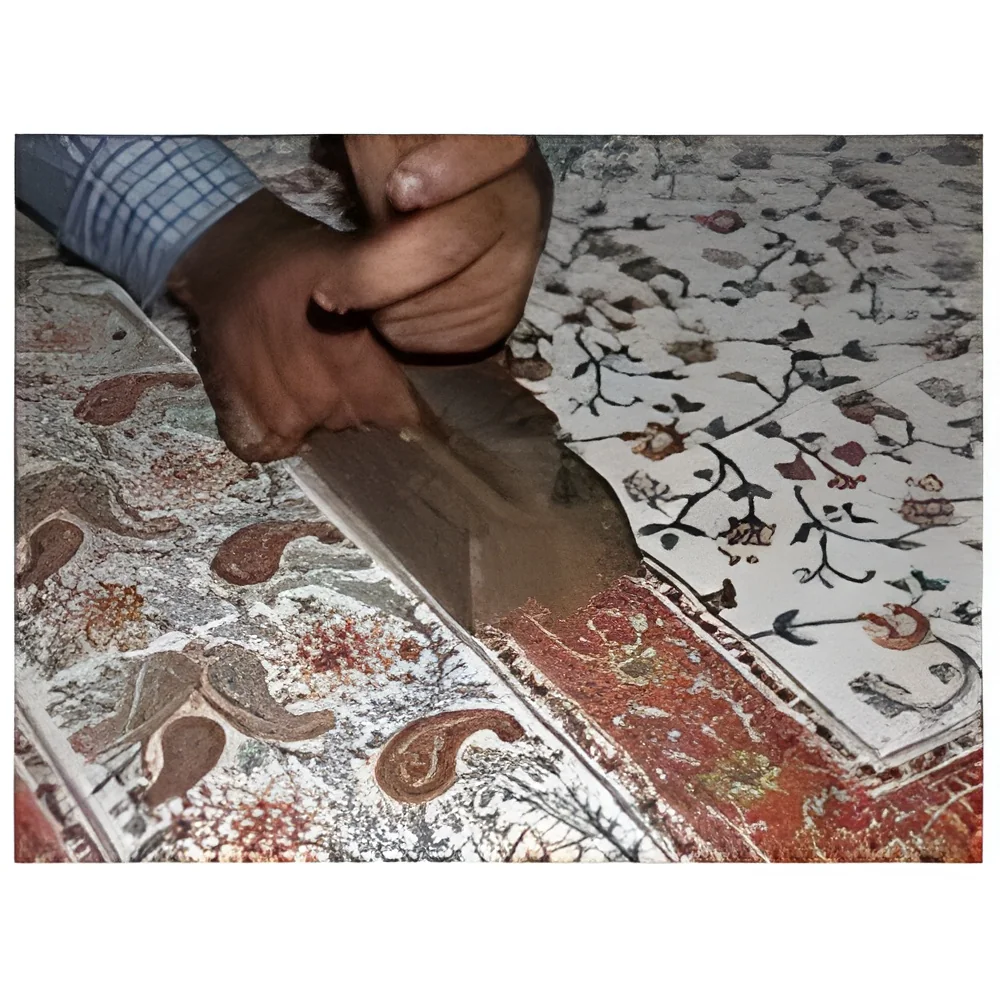
Block printed fabric is a textile that features designs created through the traditional method of block printing. This process involves carving intricate patterns onto wooden blocks, which are then dipped in dye and pressed onto fabric surfaces. The result is a unique and vibrant fabric with rich textures and colors that reflect artisan craftsmanship.
These fabrics are widely used in the fashion and home decor industries. Designers appreciate block printed fabric for its aesthetic appeal, while manufacturers favor its versatility. Common applications include clothing, upholstery, curtains, and accessories, making it a valuable resource for businesses seeking distinctive textiles.
Within the textile industry, block printed fabric holds significant relevance. As consumers increasingly seek sustainable and handmade products, this fabric's artisanal roots position it well in the market. Businesses that source block printed fabric can capitalize on the growing demand for unique and eco-friendly materials.
Key Features and Specifications
Block printed fabric is characterized by several essential features that contribute to its appeal and functionality. Understanding these specifications is crucial for businesses when selecting suitable fabric for their needs.
Key specifications include:
1. Fabric Type
- Commonly made from cotton, silk, or linen
- Suitable for a variety of applications
2. Printing Technique
- Handcrafted using carved wooden blocks
- Each piece is unique due to the manual process
3. Colorfastness
- High resistance to fading over time
- Durable colors that withstand washing and exposure
4. Width
- Available in various widths, typically ranging from 44 to 60 inches
- Allows for flexibility in design and application
5. Weight
- Fabric weight varies based on type, generally between 100 to 250 grams per square meter
- Heavier weights suitable for upholstery, lighter for garments
6. Eco-Friendliness
- Often made from natural dyes and sustainable materials
- Appeals to environmentally conscious consumers
In summary, block printed fabric combines traditional craftsmanship with modern market needs, making it an appealing choice for various applications.
Common Applications and Use Cases
Block printed fabric serves a diverse range of industries and applications, making it a versatile choice for businesses.
1. Fashion Industry: Used for creating garments, such as dresses, shirts, and accessories. Designers favor its unique patterns and colors to enhance their collections.
2. Home Decor: Ideal for upholstery, curtains, and cushions. The fabric adds a touch of character to living spaces while providing durability.
3. Craft and DIY Projects: Popular among hobbyists for making bags, quilts, and other handmade items. The distinctiveness of block printed fabric enhances the creative appeal.
4. Event Decor: Used in tablecloths, banners, and other decorative elements for weddings and events. The fabric's vibrant designs can elevate any occasion.
5. Textile Art: Employed by artists and crafters in their projects, allowing for innovative uses in wall hangings and mixed media art.
6. Educational Institutions: Utilized in textile design courses to teach students about traditional printing methods. This fosters appreciation for artisanal techniques.
7. Gift and Novelty Items: Commonly featured in products like scarves and tote bags. Unique designs make them appealing as gifts.
Product Variants and Subcategories
Block printed fabric offers a variety of options tailored to different needs and preferences. Each variant is unique in its style and application.
Cotton Block Printed Fabric
This variant is lightweight and breathable, making it ideal for summer clothing and casual wear. It often features vibrant colors and intricate patterns, appealing to fashion designers and consumers alike.
Silk Block Printed Fabric
Known for its luxurious feel and sheen, silk block printed fabric is often used in high-end garments and accessories. Its elegant appearance makes it a popular choice for evening wear and special occasions.
Linen Block Printed Fabric
Durable and absorbent, linen block printed fabric is well-suited for home decor items like table linens and curtains. Its natural texture adds a rustic charm to any space.
Benefits and Advantages
Sourcing block printed fabric offers numerous benefits that can significantly enhance product offerings.
1. Unique Designs: Each piece of block printed fabric is handcrafted, ensuring that no two pieces are exactly alike. This uniqueness appeals to consumers seeking distinct products.
2. Sustainability: Many block printed fabrics are made using eco-friendly materials and dyes. This aligns with the growing demand for sustainable textiles in the market.
3. Versatility: Suitable for a wide range of applications, from fashion to home decor. Businesses can leverage this versatility to expand their product lines.
4. Artisan Support: By sourcing block printed fabric, businesses can support traditional artisans and promote local craftsmanship. This can enhance brand reputation.
5. Durability: High-quality block printed fabrics are known for their longevity. They can withstand regular use and maintain their appearance over time.
6. Market Demand: As consumers increasingly seek handmade and unique products, block printed fabric positions businesses to meet this demand effectively.
Buying Guide for B2B Buyers
When sourcing block printed fabric, it is essential for buyers to consider several key factors to ensure they make informed decisions.
1. Quality Assessment: Evaluate the fabric's texture, weight, and print quality. High-quality block printing should display consistent colors and clear designs.
2. Supplier Verification: Research suppliers to confirm their reliability and reputation in the market. Look for testimonials and previous work samples.
3. Pricing and MOQ: Understand the pricing structure and minimum order quantities. This information helps in budgeting and planning purchases effectively.
4. Delivery and Lead Times: Inquire about logistics and expected delivery times. Timely delivery is crucial for maintaining production schedules.
5. Compliance Requirements: Ensure the fabric meets any relevant industry standards and regulations. This may include safety certifications and environmental compliance.
Compliance and Certifications
Block printed fabric must adhere to various compliance and certification standards to ensure quality and safety. These standards can include ISO 9001, which focuses on quality management systems, ensuring that products meet customer and regulatory requirements.
Additionally, industry certifications like CE indicate that the fabric complies with European health, safety, and environmental protection standards. This certification can be essential for businesses exporting products to Europe.
Testing requirements may also apply, particularly concerning the use of dyes and materials in the fabric. It is important for manufacturers to conduct safety tests to ensure the fabric is free from harmful substances.
Regional compliance considerations should not be overlooked. Different regions may have specific regulations regarding textile manufacturing and sales, making it essential for businesses to be aware of local compliance requirements.
Why Source Block Printed Fabric from Pepagora?
Pepagora provides a trusted platform for sourcing block printed fabric, offering several key advantages that benefit B2B buyers.
Verified Supplier Network: Pepagora ensures that all suppliers are thoroughly vetted, providing buyers with a reliable and trustworthy source of block printed fabric. This reduces the risk associated with sourcing materials.
Streamlined RFQ Process: The platform features an efficient request for quotation (RFQ) system that simplifies the procurement process. Buyers can easily compare prices and options from multiple suppliers.
Trade Assurance and Support: Pepagora offers trade assurance and support to buyers, ensuring that their transactions are secure. This feature provides peace of mind when making significant purchases.
Regional Coverage: With a geographic reach that includes India, the GCC, and Southeast Asia, Pepagora connects buyers with a diverse range of suppliers, enhancing access to block printed fabric from various regions. This broad coverage allows businesses to find the best materials suited to their needs.

 IN
IN