What are Reactive Dyed Fabric?
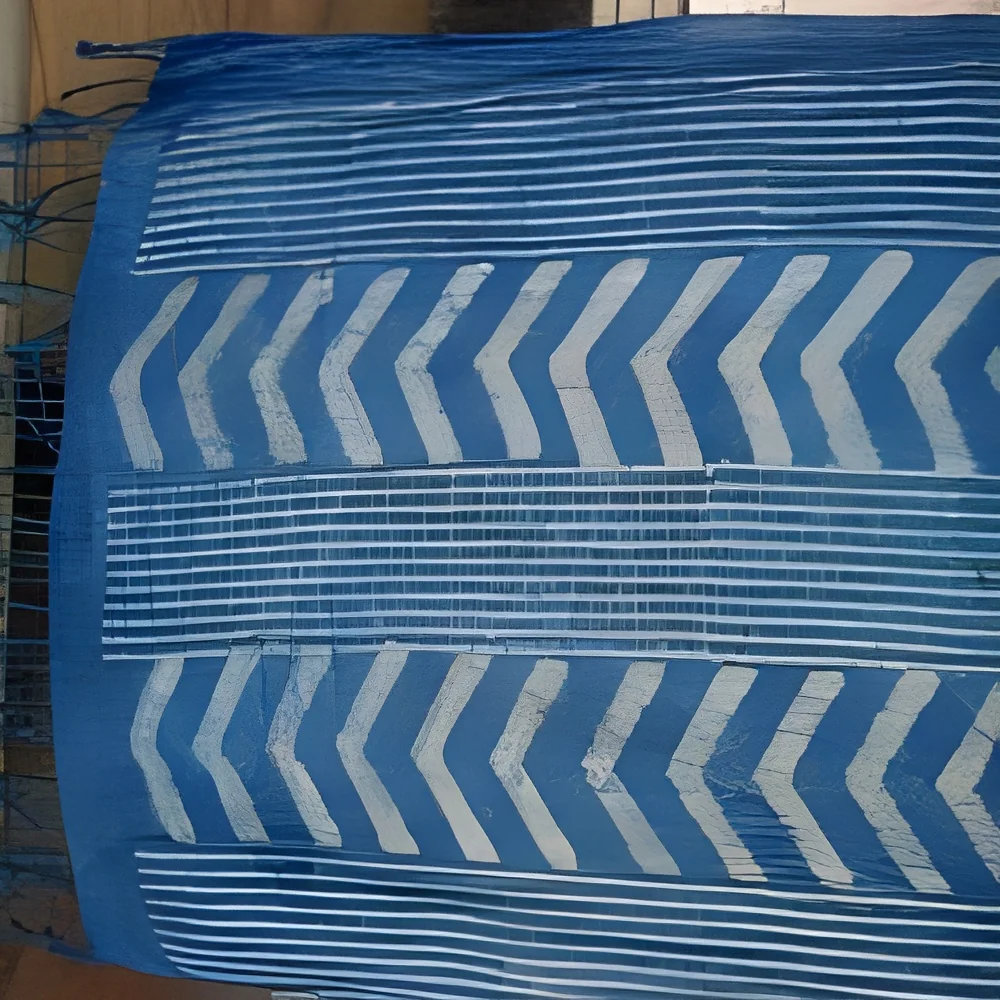
Reactive dyed fabrics are textiles that utilize reactive dyes in their production process. These dyes chemically bond with the fibers of the fabric, resulting in vibrant colors that are both durable and resistant to fading. This dyeing process allows for a wide range of colors and patterns, making reactive dyed fabrics popular in various applications.
These fabrics are primarily used in the apparel industry, home textiles, and industrial applications. Businesses often choose reactive dyed fabrics for their excellent colorfastness and the ability to produce complex designs. The textile industry has a growing demand for high-quality, sustainable fabrics, which makes reactive dyed options increasingly relevant in today's market.
In the context of global textile trends, reactive dyed fabrics offer an eco-friendly alternative to traditional dyeing methods. As more companies focus on sustainability and social responsibility, the demand for these types of fabrics is likely to continue rising. This makes them a significant product for businesses looking to innovate in the textile sector.
Key Features and Specifications
Reactive dyed fabrics are known for their distinct characteristics that cater to various industrial needs. These fabrics typically exhibit excellent color retention, washfastness, and a wide color spectrum. Understanding the key specifications will help businesses make informed decisions when sourcing these materials.
Key specifications include:
1. Colorfastness
- High resistance to fading and bleeding
- Suitable for multiple washes without losing vibrancy
2. Fabric Types
- Available in cotton, viscose, and blended materials
- Options for different textures and weights
3. Environmental Impact
- Eco-friendly dyeing process
- Compliance with sustainability standards
4. Durability
- Strong resistance to wear and tear
- Suitable for both everyday and industrial use
5. Print Quality
- Capable of achieving intricate designs and patterns
- High-definition printing available for detailed graphics
6. Compatibility
- Can be used in various applications, including clothing and upholstery
- Adaptable to different finishing processes
In summary, reactive dyed fabrics provide numerous advantages with their vibrant colors, durability, and eco-friendly production methods, making them a top choice for many industries.
Common Applications and Use Cases
Reactive dyed fabrics are versatile and find applications across various sectors. Understanding where they are used can help businesses identify potential opportunities.
1. Apparel Industry: These fabrics are commonly used in clothing production, offering vibrant colors and patterns that appeal to consumers.
2. Home Textiles: Reactive dyed fabrics are popular in home furnishings such as curtains, upholstery, and bed linens, where colorfastness is essential.
3. Industrial Textiles: They are utilized in specialized industrial applications, providing both durability and aesthetic appeal.
4. Fashion Accessories: Items like bags and scarves often use reactive dyed fabrics for their striking designs.
5. Sportswear: The breathable nature of these fabrics, combined with their color retention, makes them suitable for activewear.
6. Promotional Products: Companies often use reactive dyed fabrics for branded merchandise due to their ability to hold intricate logos and designs.
7. Educational Materials: Reactive dyed fabrics are used in various educational tools, including textiles for art and craft projects.
Product Variants and Subcategories
Reactive dyed fabrics come in a variety of forms, each tailored for specific applications. This diversity allows businesses to select the most suitable fabric for their needs.
Cotton Reactive Dyed Fabric
This variant is known for its softness and comfort. It is ideal for clothing and home textiles, providing excellent breathability and vibrant colors.
Polyester Reactive Dyed Fabric
This fabric combines the durability of polyester with the colorfast properties of reactive dyes. It is often used in sportswear and outdoor applications.
Blended Reactive Dyed Fabric
This option merges different fibers, such as cotton and polyester, to provide a balance of comfort and durability. It is versatile for various uses, from apparel to industrial textiles.
Benefits and Advantages
Choosing reactive dyed fabrics presents numerous benefits for businesses. These advantages can enhance product offerings and improve consumer satisfaction.
1. Superior Colorfastness: The chemical bonding of dyes ensures that colors remain vibrant even after multiple washes.
2. Wide Range of Colors: Reactive dyes allow for a vast spectrum of colors, enabling unique designs that appeal to various markets.
3. Eco-Friendly Options: The production process is often more sustainable compared to traditional dyeing methods, attracting environmentally conscious consumers.
4. Versatility: These fabrics can be utilized in numerous applications, making them a reliable choice for diverse industries.
5. Customization Potential: Businesses can easily customize patterns and colors to fit their brand identity and consumer preferences.
6. Enhanced Durability: Reactive dyed fabrics are resistant to wear and tear, making them suitable for both everyday and specialized use.
Buying Guide for B2B Buyers
When sourcing reactive dyed fabrics, B2B buyers should consider several key factors to ensure they select the best materials for their needs.
1. Quality Assessment: Buyers should evaluate the fabric's colorfastness, texture, and overall quality. Testing samples can help verify these criteria.
2. Supplier Verification: It is crucial to vet suppliers for reliability and track record. Requesting references and reviewing past work can assist in this process.
3. Pricing and MOQ: Understanding the price range for reactive dyed fabrics and the minimum order quantity required can help businesses budget effectively.
4. Delivery and Lead Times: Buyers should inquire about logistics to ensure timely delivery of products. It's important to align lead times with production schedules.
5. Compliance Requirements: Ensure that the fabrics meet any relevant regulatory standards for safety and quality in the intended market.
Compliance and Certifications
Reactive dyed fabrics must adhere to various quality standards and certifications to ensure safety and reliability. Key compliance areas include:
One significant standard is ISO 9001, which focuses on quality management systems. Compliance with this standard indicates that manufacturers consistently provide products that meet customer and regulatory requirements.
Industry certifications such as CE are also vital. These certifications demonstrate that the products meet European health, safety, and environmental protection standards.
Safety and testing requirements are essential for manufacturers to ensure that the fabrics are free from harmful substances. This includes testing for colorfastness and durability.
Regional compliance considerations should be kept in mind, especially when exporting or importing fabrics. Regulations may vary by country, and understanding these can prevent potential legal issues.
Why Source Reactive Dyed Fabric from Pepagora?
Pepagora offers a reliable platform for sourcing reactive dyed fabrics, providing several key advantages to businesses.
Verified Supplier Network: Pepagora connects buyers with a vetted network of suppliers who have been assessed for quality and reliability. This ensures that businesses receive high-quality materials.
Streamlined RFQ Process: The platform simplifies the request for quotation process, allowing buyers to quickly obtain quotes from multiple suppliers. This efficiency saves time and effort.
Trade Assurance and Support: Pepagora provides trade assurance, offering buyers protection during transactions. This support helps to build trust between buyers and suppliers.
Regional Coverage: With a focus on India, the GCC, and Southeast Asia, Pepagora ensures that businesses can access a diverse range of reactive dyed fabrics tailored to their market needs.
By choosing Pepagora, businesses not only gain access to quality products but also benefit from a comprehensive support system that facilitates a smooth sourcing experience.

 IN
IN