
 IN
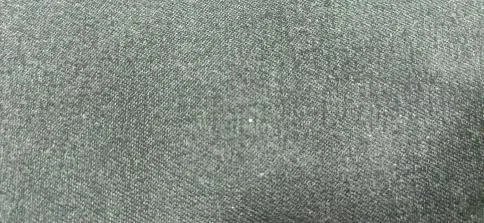
Solid Dyed Cotton Fabric
4 products available
What are Solid Dyed Cotton Fabric?
Solid dyed cotton fabric is a textile produced by dyeing cotton fibers uniformly in a single color. This type of fabric is known for its vibrant hues and soft texture, making it a popular choice in various industries. The dyeing process ensures that the color is consistent throughout the fabric, resulting in a high-quality product that meets the visual and functional demands of manufacturers.
This fabric is primarily used in the production of clothing, home textiles, and industrial applications. In apparel, it is favored for its comfort, breathability, and ability to retain color after washing. Additionally, solid dyed cotton fabric is widely utilized for curtains, bed linens, and upholstery, providing a versatile option for interior design. The market for this fabric continues to grow as businesses seek sustainable and high-quality materials for their products.
The relevance of solid dyed cotton fabric extends to various sectors, including fashion, home furnishings, and industrial applications. As sustainability becomes a priority, many brands are opting for organic and responsibly sourced cotton, further driving the demand for solid dyed options. This trend highlights the fabric's importance in the modern textile industry.
Key Features and Specifications
Solid dyed cotton fabric is characterized by several key features that make it suitable for various applications. It combines aesthetic appeal with functional qualities, ensuring that it meets the needs of businesses and consumers alike.
Key specifications include:
1. Fabric Weight
- Ranges from lightweight (around 4 oz) to heavy-duty (up to 12 oz)
- Suitable for a variety of applications based on weight preference
2. Colorfastness
- High resistance to fading from washing and exposure to light
- Essential for maintaining a vibrant appearance over time
3. Breathability
- Excellent air circulation due to cotton fibers
- Ideal for clothing and home textiles
4. Durability
- Strong and long-lasting, capable of withstanding wear and tear
- Suitable for both apparel and industrial use
5. Softness
- Soft texture that enhances comfort in clothing and bedding
- Important for consumer satisfaction
6. Eco-Friendly Options
- Availability of organic cotton choices
- Appeals to environmentally-conscious businesses
7. Customization
- Options for color and weight variations based on client needs
- Flexibility in meeting specific project requirements
8. Compliance with Safety Standards
- Adherence to industry safety requirements
- Ensures fabric is safe for consumer use
In summary, solid dyed cotton fabric offers a range of specifications that cater to diverse industries and applications, making it a versatile choice for manufacturers.
Common Applications and Use Cases
Solid dyed cotton fabric serves various industries due to its versatility and desirable properties.
1. Apparel Industry: Used for making shirts, dresses, and trousers, this fabric provides comfort and style. Its colorfastness ensures that garments remain vibrant after multiple washes.
2. Home Textiles: Commonly found in bed linens, curtains, and cushions, solid dyed cotton fabric enhances the aesthetic appeal of living spaces while being durable and easy to care for.
3. Industrial Applications: Utilized in protective clothing and other industrial textiles, this fabric's strength and durability make it suitable for demanding environments.
4. Fashion Accessories: Often used for bags, hats, and scarves, solid dyed cotton fabric adds a pop of color while maintaining a lightweight feel.
5. Craft and DIY Projects: Popular among crafters for quilting and other sewing projects, the fabric's variety of colors allows for creative expression.
6. Medical Textiles: Employed in hospital gowns and other medical applications, its softness and compliance with safety standards make it suitable for patient care.
7. Educational Materials: Used in school uniforms and other educational textiles, it combines durability with comfort for everyday use.
Product Variants and Subcategories
Solid dyed cotton fabric is available in various forms, allowing businesses to select the option that best suits their needs.
Lightweight Cotton Fabric
This variant is ideal for summer clothing and linings. It is breathable and comfortable, making it perfect for casual wear and children's clothing.
Heavyweight Cotton Fabric
Designed for applications requiring extra durability, this variant is suitable for workwear, upholstery, and heavy-duty items. Its strength ensures longevity in demanding conditions.
Canvas Cotton Fabric
A thicker option, canvas cotton fabric is used mainly in outdoor applications, such as tents and bags. Its sturdiness and weather resistance make it a reliable choice for outdoor gear.
Satin Cotton Fabric
This variant offers a softer, shinier finish, making it suitable for formal wear and home decor. Its luxurious appearance is favored for high-end products.
Benefits and Advantages
Solid dyed cotton fabric offers numerous benefits that make it an excellent choice for businesses.
1. Versatility: Suitable for a wide range of applications, from clothing to home textiles, this fabric meets diverse market needs.
2. Comfort: The natural fibers provide a soft touch, ensuring comfort for end-users, which is essential in the apparel and home textile sectors.
3. Color Retention: High colorfastness means that the fabric retains its vibrant appearance, reducing the need for frequent replacements.
4. Eco-Friendly Options: Availability of organic cotton variants allows businesses to cater to environmentally conscious consumers, enhancing brand reputation.
5. Customization: The ability to customize colors and weights enables businesses to meet specific project requirements and attract a broader customer base.
6. Durability: The strong nature of cotton ensures a long lifespan for products, leading to customer satisfaction and repeat business.
Buying Guide for B2B Buyers
When sourcing solid dyed cotton fabric, several factors should be considered to ensure a successful purchase.
1. Quality Assessment: Evaluate the fabric's weight, texture, and colorfastness. Request samples to inspect the quality before making bulk purchases.
2. Supplier Verification: Research potential suppliers to ensure they have a good reputation and positive reviews. Check for certifications and compliance with industry standards.
3. Pricing and MOQ: Understand the price per unit and the minimum order quantity (MOQ) required. Ensure that the pricing aligns with your budget while considering shipping costs.
4. Delivery and Lead Times: Inquire about delivery schedules and lead times to ensure that the fabric is available when needed. Timely delivery is crucial for maintaining production schedules.
5. Compliance Requirements: Be aware of any relevant regulatory requirements for textiles in your region. Ensure that the fabric meets safety and quality standards, such as CE certification.
Compliance and Certifications
Solid dyed cotton fabric must meet various compliance and certification standards to ensure quality and safety.
ISO 9001 is a widely recognized quality management standard that governs the production processes of textiles. Compliance with this standard indicates that the manufacturer maintains consistent quality in their products.
HACCP (Hazard Analysis Critical Control Point) is critical for ensuring that the fabric is safe for consumer use. This certification involves identifying potential hazards in the production process and implementing strategies to mitigate risks.
CE certification demonstrates that the fabric complies with European safety and health requirements. This is particularly relevant for businesses exporting to European markets.
Safety testing requirements may include assessments for harmful substances and durability to ensure that the fabric is suitable for its intended use.
Regional compliance considerations may vary, so it is essential for businesses to understand local regulations governing textile products.
Why Source Solid Dyed Cotton Fabric from Pepagora?
Pepagora provides a trusted platform for sourcing solid dyed cotton fabric, offering several key advantages to B2B buyers.
Verified Supplier Network: Pepagora connects buyers with a network of verified suppliers, ensuring that businesses can source high-quality fabric with confidence. Each supplier undergoes rigorous vetting to maintain industry standards.
Streamlined RFQ Process: The platform simplifies the request for quotation (RFQ) process, allowing buyers to easily compare prices and specifications from multiple suppliers. This efficiency saves time and enhances decision-making.
Trade Assurance and Support: Pepagora offers trade assurance, protecting buyers throughout the purchasing process. The platform provides support to resolve disputes and ensure a smooth transaction.
Regional Coverage: With a strong presence in India, the Gulf Cooperation Council (GCC), and Southeast Asia, Pepagora can facilitate sourcing across various regions. This geographic reach helps businesses tap into diverse markets and expand their operations.

Frequently Asked Questions
What are Solid Dyed Cotton Fabric?
Solid dyed cotton fabric refers to cotton textiles that are dyed in a single color, providing a uniform appearance. This type of fabric is widely used in various applications, including apparel, home textiles, and upholstery, due to its versatility and softness.
What are the different types of Solid Dyed Cotton Fabric?
There are several types of solid dyed cotton fabric, including plain cotton, canvas, sateen, and poplin. Each type has distinct characteristics, such as weight, texture, and finish, making them suitable for different uses.
How do I choose the right Solid Dyed Cotton Fabric?
When selecting solid dyed cotton fabric, consider factors such as weight, texture, and intended use. Additionally, examine the colorfastness and shrinkage properties to ensure that the fabric meets your specific requirements.
What are the standard specifications for Solid Dyed Cotton Fabric?
Standard specifications for solid dyed cotton fabric typically include fabric weight, width, and fiber content. Common weights range from lightweight (around 100 GSM) to heavier options (over 300 GSM), depending on the application.
What is the price range for Solid Dyed Cotton Fabric?
The price of solid dyed cotton fabric can vary widely based on quality, supplier, and order size. Generally, prices range from ₹100 to ₹500 per meter, but bulk purchases may yield discounts.
What quality standards apply to Solid Dyed Cotton Fabric?
Quality standards for solid dyed cotton fabric often include adherence to ISO and AATCC testing methods. Key factors assessed include colorfastness, strength, and overall durability of the fabric.
Where can I find Solid Dyed Cotton Fabric suppliers in India?
Solid dyed cotton fabric suppliers can be found through B2B marketplaces, textile trade shows, and industry directories. Websites like Pepagora.com connect buyers with reputable manufacturers and suppliers across India.
Can Solid Dyed Cotton Fabric be customized?
Yes, solid dyed cotton fabric can be customized in terms of color, print, and finish. Many manufacturers offer options for bespoke orders to meet specific design requirements.
What is the typical minimum order quantity for Solid Dyed Cotton Fabric?
The minimum order quantity (MOQ) for solid dyed cotton fabric typically ranges from 50 to 100 meters, depending on the supplier and fabric type. It's advisable to check with individual suppliers for their specific MOQs.
What is the typical lead time for Solid Dyed Cotton Fabric?
The lead time for solid dyed cotton fabric can vary based on the supplier and order size, but it generally ranges from 2 to 6 weeks. Custom orders may require additional time for production.
Why Businesses Trust Pepagora
Thousands of companies trust Pepagora to source smarter and sell faster
Expand Your Sales Globally

Source Smarter,Grow Faster
