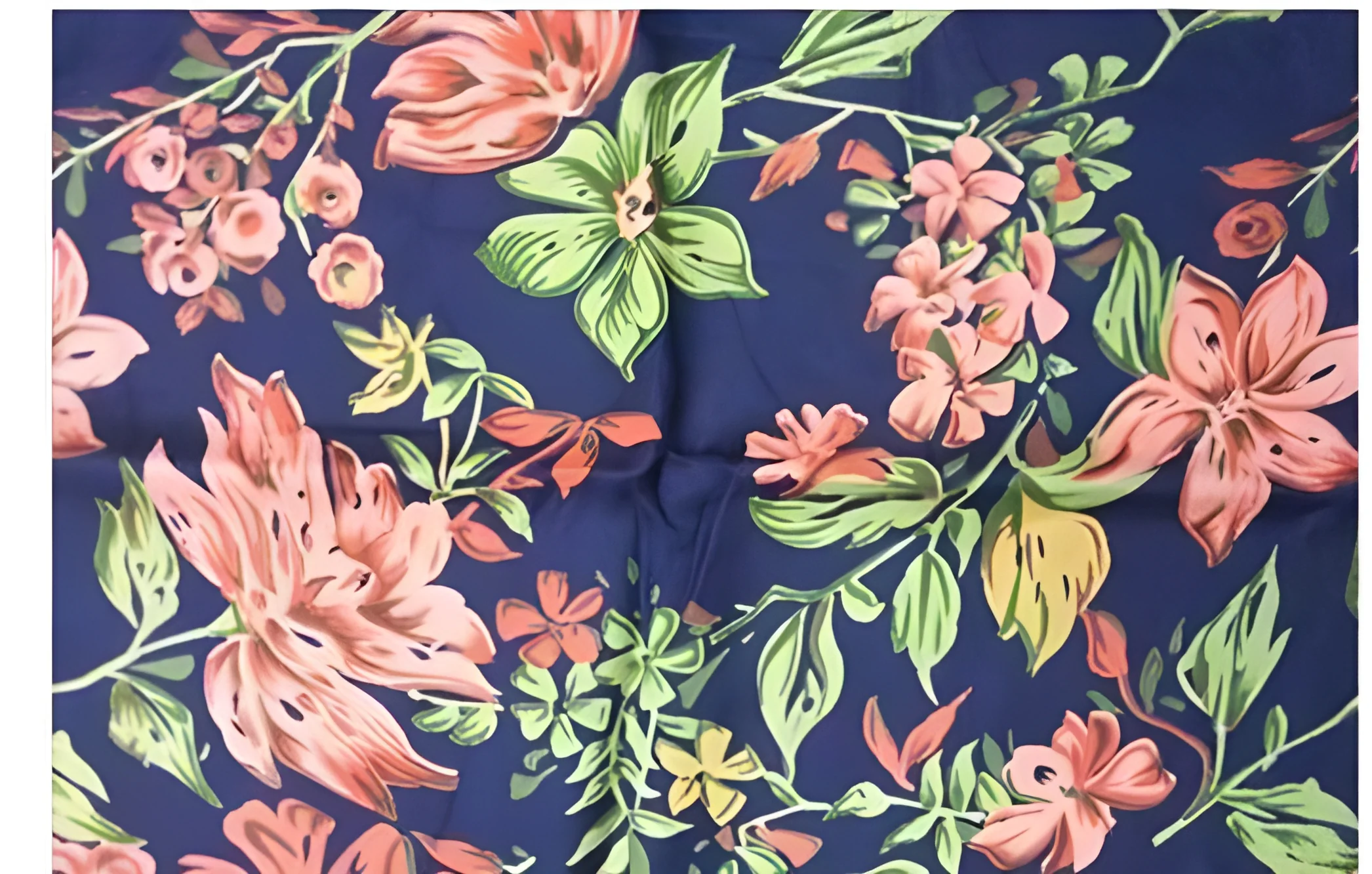
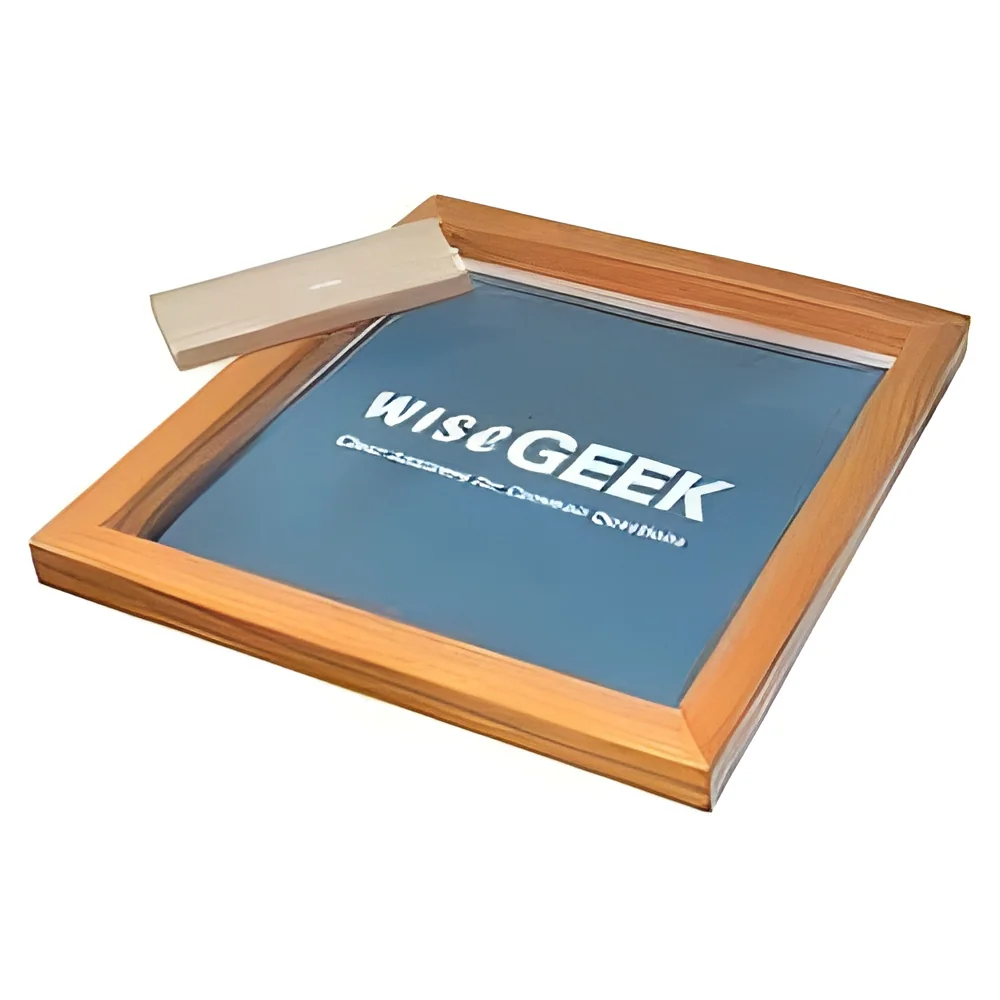
What are Screen Printed Fabric?
Screen printed fabric is a type of textile that has been decorated using the screen printing technique. This process involves creating a stencil, or screen, which is then used to apply ink onto the fabric. The result is a vibrant, durable design that can be used for various applications in both consumer and industrial settings. Screen printing allows for high levels of customization and can produce intricate designs with precise detail.
The primary applications of screen printed fabric include apparel, banners, upholstery, and promotional products. Businesses often utilize screen printed fabrics for creating branded merchandise, custom uniforms, or distinctive interior decor. The versatility of screen printed fabric makes it a popular choice across various industries, including fashion, advertising, and interior design. The market for screen printed textiles continues to grow, driven by trends in personalization and branding.
Key Features and Specifications
Screen printed fabric offers a range of features and specifications that cater to different applications and user needs. Understanding these specifications is essential for businesses looking to source the right materials for their projects.
Key specifications include:
1. Ink Type
- Water-based or plastisol inks
- Ink durability and wash fastness
2. Fabric Type
- Commonly used fabrics include cotton, polyester, and blends
- Specific fabric weights and textures
3. Print Resolution
- Typically ranges from 300 to 1200 DPI
- Affects the clarity and detail of the design
4. Color Options
- Wide range of Pantone colors available
- Custom color matching services
5. Print Size
- Maximum print area can vary based on equipment
- Standard sizes available for common applications
6. Durability
- Resistance to fading, cracking, and peeling
- Testing standards for longevity
7. Eco-friendliness
- Availability of sustainable ink options
- Compliance with environmental regulations
The specifications of screen printed fabric are designed to meet diverse customer needs while ensuring high-quality outputs.
Common Applications and Use Cases
Screen printed fabric serves various industries with its adaptability and customization options.
1. Apparel: Screen printed fabrics are widely used in the fashion industry for creating custom t-shirts, hoodies, and sportswear. This allows brands to showcase their logos and designs distinctly.
2. Advertising: Many businesses utilize screen printed fabrics for banners, flags, and promotional items. These products help in effective brand visibility during events and marketing campaigns.
3. Home Decor: Interior designers often employ screen printed fabrics for upholstery and drapery. Unique patterns enhance the aesthetic appeal of residential and commercial spaces.
4. Automotive: Custom screen printed fabrics can be used for seat covers and interior trims, offering a unique look and branding opportunity for automotive manufacturers.
5. Healthcare: Screen printed fabrics are also found in uniforms and scrubs. Customization helps in branding and ensuring uniformity among healthcare staff.
6. Sports: Teams often use screen printed fabrics for jerseys and fan merchandise. This enhances team spirit and provides fans with a way to show their support.
7. Education: Schools and universities frequently use screen printed fabrics for uniforms, event banners, and promotional materials. This helps in fostering a sense of community and school pride.
Product Variants and Subcategories
Screen printed fabric comes in various types, each catering to unique needs and preferences. The diversity in product offerings ensures that businesses can find suitable options for their specific applications.
Cotton Screen Printed Fabric
This variant is popular for its softness and breathability, making it ideal for apparel and promotional items. It allows for vibrant colors and is widely used in the fashion industry.
Polyester Screen Printed Fabric
Known for its durability and resistance to wrinkles, polyester screen printed fabric is often used in banners and outdoor applications. It holds ink well, ensuring bright and long-lasting prints.
Blended Screen Printed Fabric
Combining the best qualities of different materials, blended fabrics offer versatility for various applications. They are commonly used in sportswear and uniforms, providing comfort and performance.
Benefits and Advantages
Utilizing screen printed fabric offers numerous benefits for businesses looking to enhance their branding and product offerings.
1. Customization: Screen printed fabric allows for high levels of customization, making it easy for businesses to create unique products that reflect their brand identity.
2. Durability: The inks used in screen printing are designed to withstand wear and tear, ensuring that the designs remain vibrant and intact over time.
3. Cost-Effectiveness: For bulk orders, screen printing becomes a cost-effective solution, reducing the price per unit while maintaining quality.
4. Quick Turnaround: Screen printing processes can be efficient, allowing businesses to receive their orders promptly, which is crucial for time-sensitive projects.
5. Versatility: Screen printed fabric can be used across a wide range of applications, from clothing to promotional materials, making it a highly versatile choice.
6. Eco-Friendly Options: With advancements in technology, businesses can now choose environmentally friendly inks and processes, appealing to eco-conscious consumers.
Buying Guide for B2B Buyers
When sourcing screen printed fabric, businesses should consider several important factors to ensure they receive quality products that meet their needs.
1. Quality Assessment: Evaluate the quality of the fabric and ink used for screen printing. Look for samples to assess color vibrancy and durability.
2. Supplier Verification: It is essential to vet suppliers for reliability and reputation. Check for reviews and past client experiences to ensure a trustworthy partnership.
3. Pricing and MOQ: Understand the pricing structure and minimum order quantities. Compare quotes from different suppliers to find the best deal without compromising quality.
4. Delivery and Lead Times: Confirm the delivery timelines and logistics. Ensure that the supplier can meet your project's deadlines to avoid disruptions.
5. Compliance Requirements: Be aware of any industry-specific regulations or certifications that may apply to the materials. This includes checking for compliance with safety standards.
Compliance and Certifications
Screen printed fabric must adhere to various quality and safety standards to ensure reliability and performance in its applications. Relevant standards include ISO 9001, which focuses on quality management systems, ensuring that manufacturers consistently meet customer and regulatory requirements.
In addition, certifications like CE signify compliance with European safety standards, particularly for products intended for consumer use. Testing for safety and performance is crucial, especially in industries such as healthcare and education, where fabric durability and safety are paramount.
Regional compliance considerations may vary, necessitating that manufacturers stay updated on local regulations to ensure their products meet all necessary guidelines. This diligence helps businesses avoid legal issues and enhances customer trust in the quality of their offerings.
Why Source Screen Printed Fabric from Pepagora?
Pepagora offers a reliable platform for sourcing screen printed fabric with several key advantages that benefit B2B buyers.
Verified Supplier Network: The platform connects buyers with a network of verified suppliers, ensuring that all listed manufacturers meet quality standards and reliability. This offers peace of mind when making purchasing decisions.
Streamlined RFQ Process: With a user-friendly request for quotation system, buyers can easily compare offers from multiple suppliers. This simplifies the sourcing process and saves time.
Trade Assurance and Support: Pepagora provides buyer protection, ensuring that transactions are secure. This commitment to customer service helps build trust between buyers and suppliers.
Regional Coverage: With a strong presence in India, the GCC, and Southeast Asia, Pepagora offers access to a diverse range of suppliers. This regional coverage allows businesses to find suitable options that meet their specific requirements while benefiting from local market insights.

 IN
IN