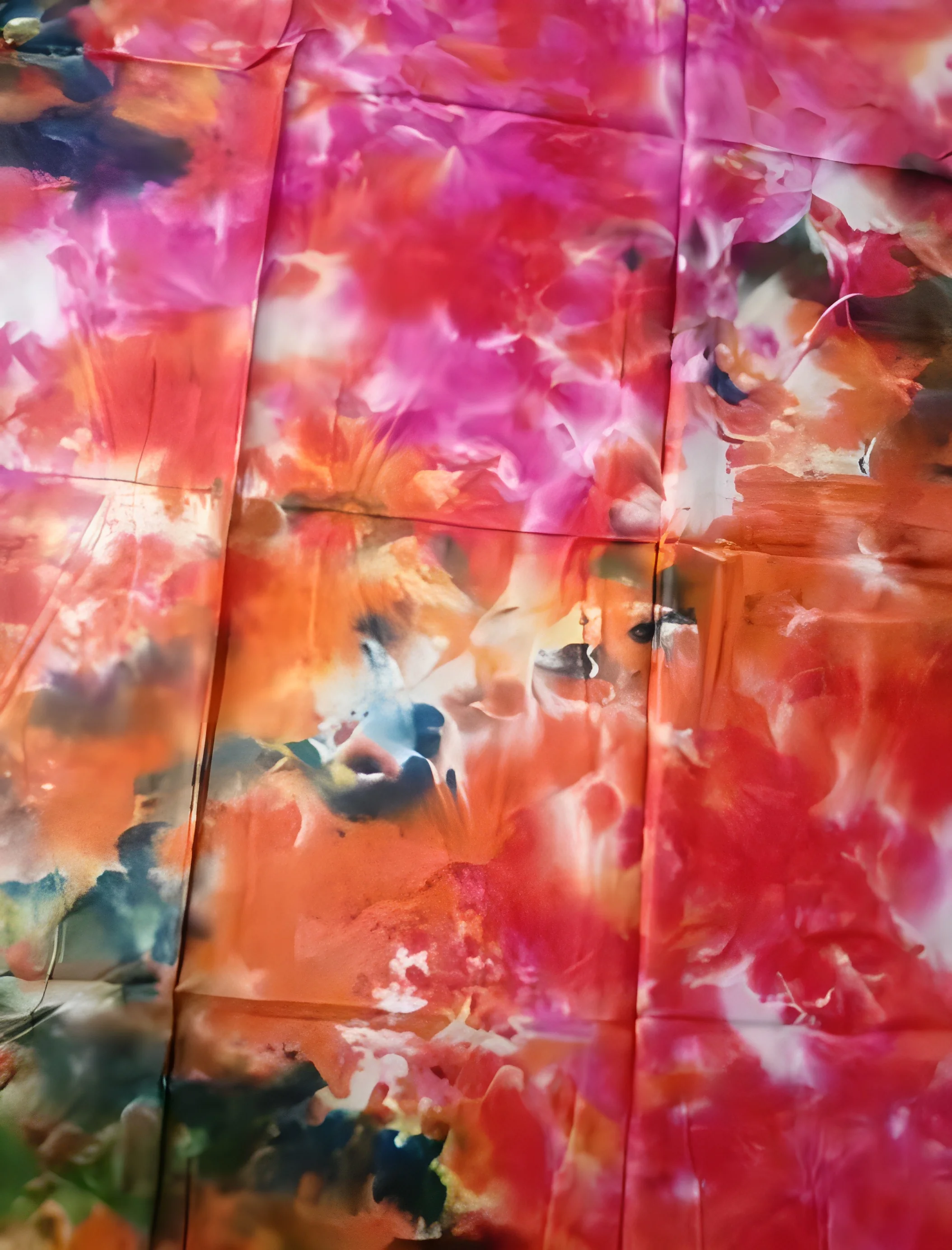
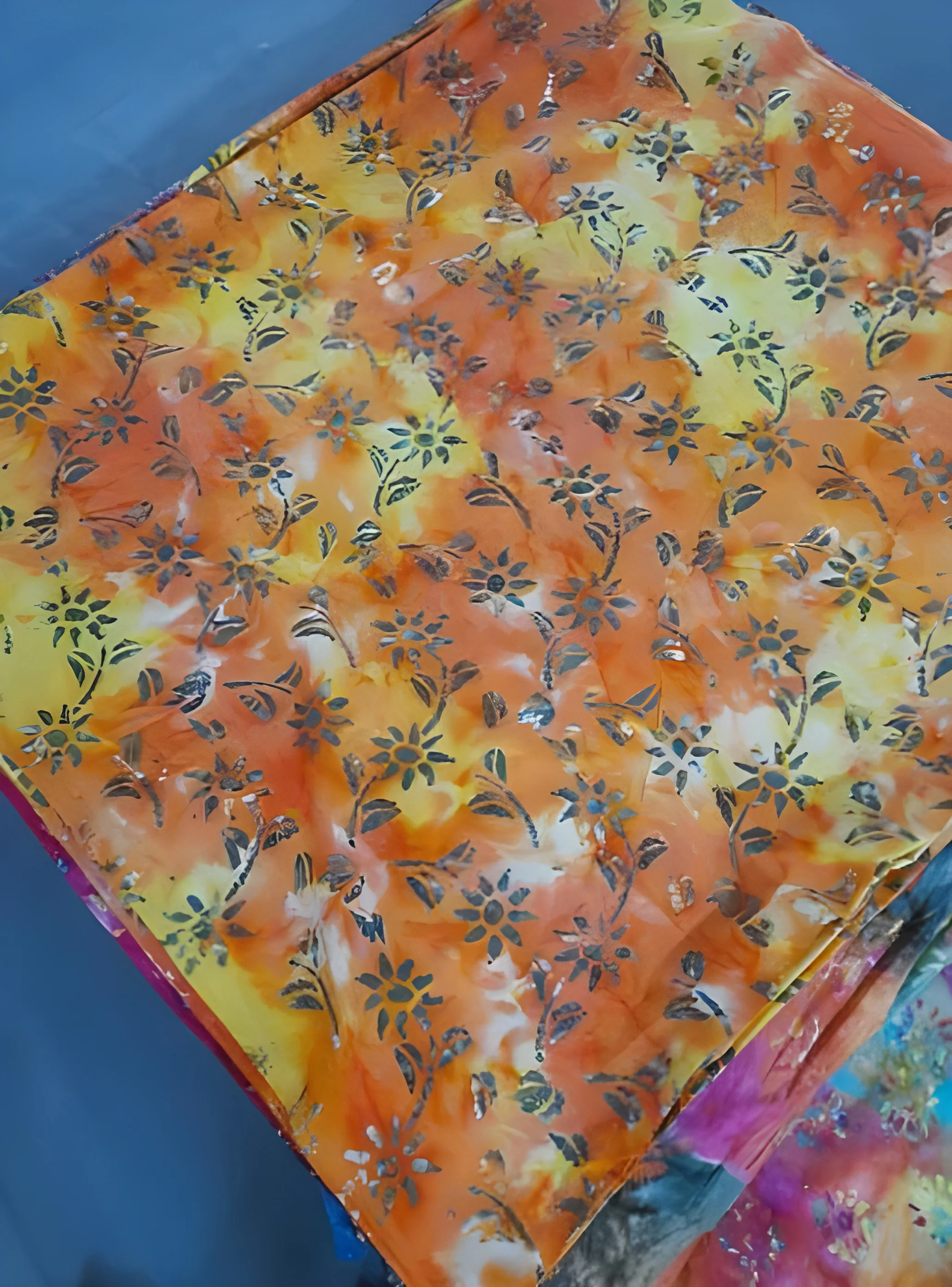
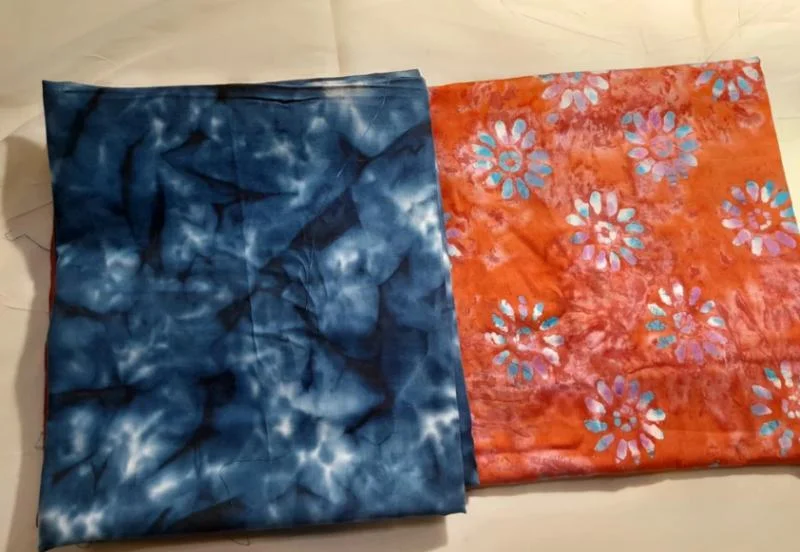
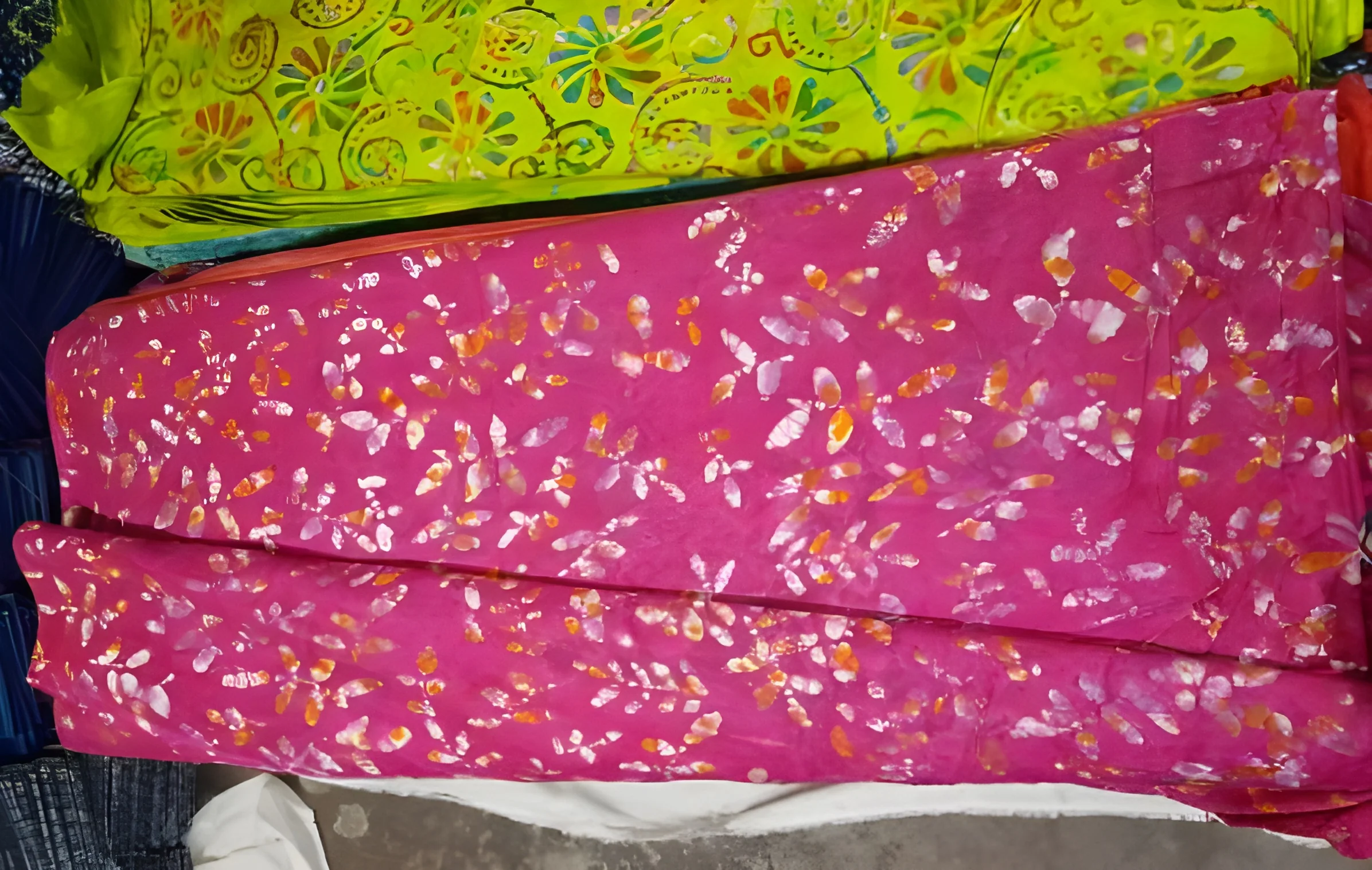
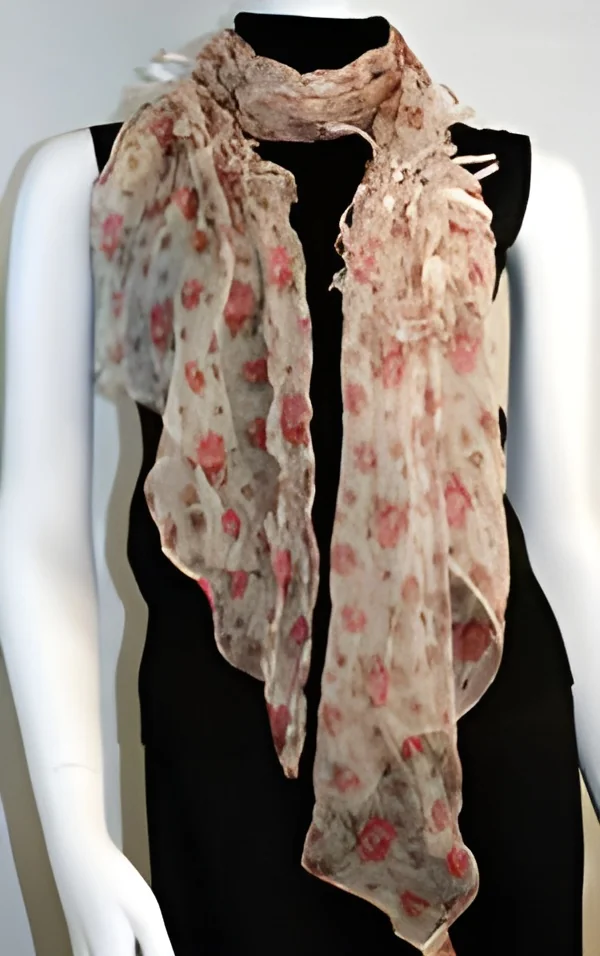
What are Ethnic Printed Fabric?
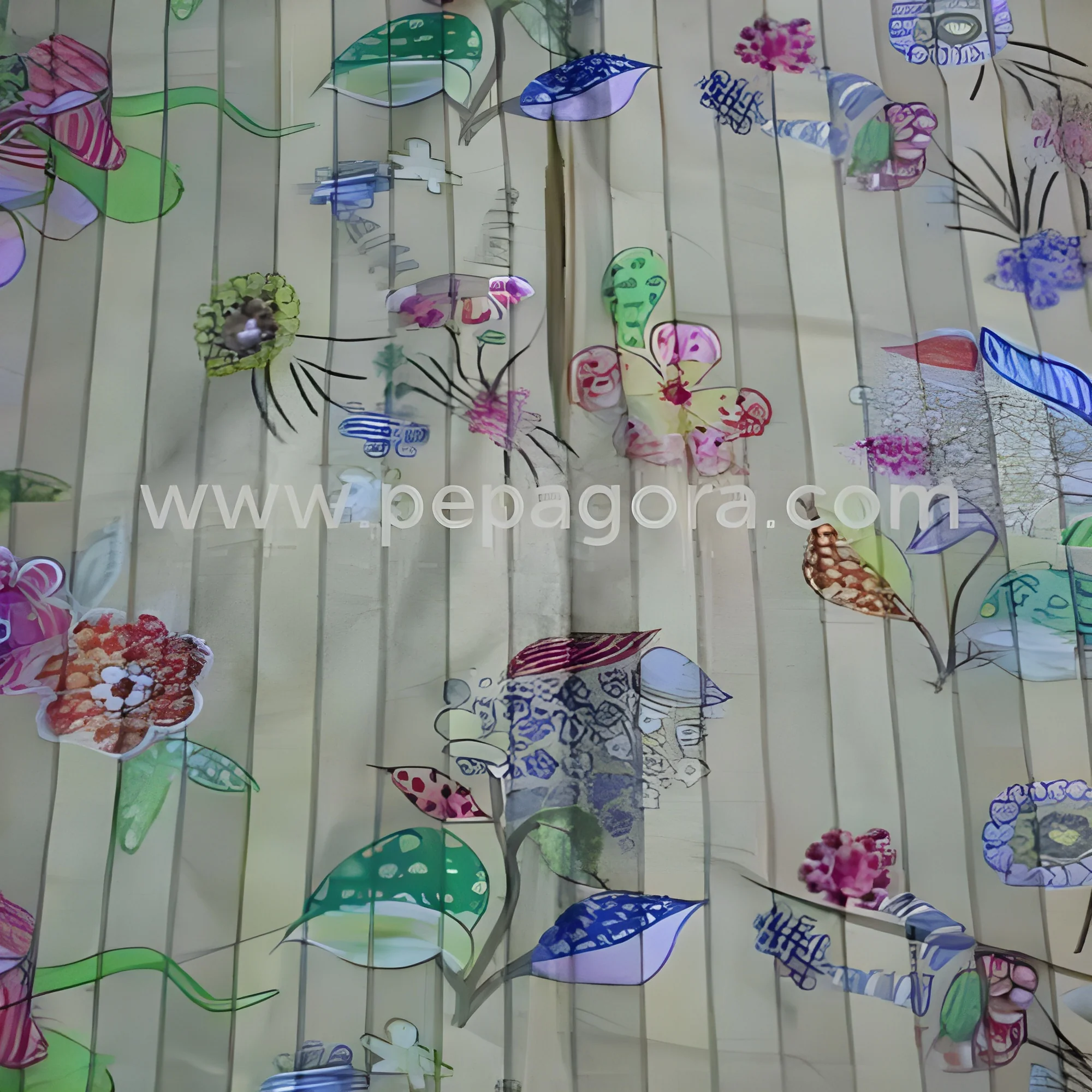
Ethnic printed fabric refers to textiles that feature traditional patterns and designs inspired by various cultures around the world. These fabrics are characterized by vibrant colors, intricate designs, and unique motifs that reflect the heritage and artistry of their respective cultures. Ethnic printed fabrics are often made from natural fibers such as cotton, silk, or linen, providing a soft and comfortable feel while maintaining durability.
These fabrics have a wide range of applications across various industries, including fashion, home decor, and upholstery. In the fashion industry, ethnic printed fabrics are used to create garments that celebrate cultural diversity, while in home decor, they are employed for curtains, cushions, and upholstery to add a touch of character to living spaces. The growing trend toward sustainable and ethically sourced materials has further increased the relevance of ethnic printed fabrics in the market, as consumers seek unique and meaningful products.
Key Features and Specifications
Ethnic printed fabrics come with a variety of features and specifications that make them suitable for different applications. Understanding these specifications is crucial for businesses looking to source high-quality materials.
Key specifications include:
1. Fabric Composition
- Made from natural fibers such as cotton, silk, or linen
- Offers breathability and comfort
2. Print Quality
- High-resolution designs with vibrant colors
- Fade-resistant and long-lasting prints
3. Weight
- Available in different weights to suit various uses
- Lightweight options for fashion and heavier ones for upholstery
4. Width
- Typically available in standard widths ranging from 36 to 60 inches
- Custom widths may be available upon request
5. Colorfastness
- Fabrics are tested for colorfastness to ensure durability
- Meets industry standards for wash and light resistance
6. Eco-Friendliness
- Sourced from sustainable practices
- Non-toxic dyes and materials used
7. Customization Options
- Available for bespoke designs and patterns
- Minimum order quantities may apply
8. Certification
- Compliant with CE certification for safety standards
In summary, these specifications ensure that ethnic printed fabrics are not only aesthetically pleasing but also practical and durable for various applications.
Common Applications and Use Cases
Ethnic printed fabric serves a multitude of industries, each with specific applications that leverage the unique qualities of these textiles.
1. Fashion Industry: Ethnic printed fabrics are commonly used to create traditional and contemporary garments, including dresses, skirts, and accessories. They allow designers to incorporate cultural elements into modern fashion.
2. Home Decor: These fabrics enhance interior spaces through curtains, cushions, and upholstery. Their vibrant designs add character and cultural richness to any room.
3. Craft and DIY: Crafters and hobbyists often use ethnic printed fabrics for quilting, patchwork, and other creative projects. The variety of patterns allows for unique and personalized creations.
4. Event Decoration: Ethnic printed fabrics are popular for weddings and cultural events, used for draping, tablecloths, and decorative elements that reflect the theme of the occasion.
5. Upholstery: The durability and aesthetic appeal of ethnic printed fabrics make them ideal for reupholstering furniture, creating statement pieces in living spaces.
6. Accessories: Items such as bags, scarves, and head wraps are often crafted from ethnic printed fabrics, providing consumers with stylish yet culturally significant accessories.
7. Educational Products: Ethnic printed fabrics can be used in educational tools that teach about different cultures and traditions, making them valuable in schools and cultural programs.
Product Variants and Subcategories
Ethnic printed fabrics exhibit a rich diversity that caters to various design preferences and market needs.
Cotton Ethnic Printed Fabric
This variant is lightweight and breathable, making it ideal for summer clothing and casual wear. Its absorbent nature allows for comfortable wear in warm climates, and the vibrant prints enhance the aesthetic appeal.
Silk Ethnic Printed Fabric
Silk variants offer a luxurious feel and sheen, perfect for formal wear and evening garments. These fabrics drape beautifully and are often used in high-end fashion applications.
Linen Ethnic Printed Fabric
Linen is known for its strength and natural texture. This variant is suitable for home decor items such as upholstery and curtains, where durability is essential.
Benefits and Advantages
Sourcing ethnic printed fabric offers numerous advantages for businesses and consumers alike.
Key benefits include:
1. Cultural Diversity: Ethnic printed fabrics allow businesses to celebrate and showcase cultural heritage, appealing to a broad audience that values diversity.
2. Customization: Many suppliers offer customization options, enabling businesses to create unique products tailored to their specific needs.
3. Quality Materials: The use of natural fibers ensures that the fabrics are not only aesthetically pleasing but also comfortable and durable for various applications.
4. Eco-Friendly Choices: Ethnic printed fabrics often come from sustainable practices, appealing to environmentally conscious consumers.
5. Versatility: These fabrics can be used across multiple industries, from fashion to home decor, allowing businesses to explore various market opportunities.
6. Unique Designs: The distinct patterns and colors found in ethnic printed fabrics help products stand out in a competitive market, attracting attention and interest.
Buying Guide for B2B Buyers
When sourcing ethnic printed fabric, businesses should consider several important factors to ensure they make informed decisions.
1. Quality Assessment: Evaluate the quality of the fabric by requesting samples. Look for consistency in print and feel, as well as durability in terms of colorfastness and wear.
2. Supplier Verification: Research potential suppliers to ensure they have a reliable reputation. Check reviews, request references, and verify their compliance with industry standards.
3. Pricing and MOQ: Understand the pricing structure and minimum order quantities set by suppliers. This information will help in budgeting and planning for inventory needs.
4. Delivery and Lead Times: Confirm delivery timelines and logistics with suppliers. Ensure that they can meet your required deadlines for production or retail needs.
5. Compliance Requirements: Be aware of any regulatory requirements that may apply to the materials, including safety and testing standards, to avoid potential issues.
Compliance and Certifications
Ethnic printed fabrics must meet various compliance and certification standards to ensure quality and safety in their application.
Relevant quality standards include ISO 9001, which ensures that products meet consistent quality management principles. This certification is essential for suppliers looking to guarantee the reliability of their fabrics.
Additionally, industry certifications like CE indicate that products comply with European health, safety, and environmental protection standards. This certification is particularly important for businesses looking to sell in international markets.
Safety and testing requirements are also vital for ethnic printed fabrics. These fabrics should undergo rigorous testing for colorfastness, durability, and the use of non-toxic dyes to ensure they are safe for consumers.
Regional compliance considerations may vary based on the market in which the fabrics will be sold. Businesses should ensure that they comply with local regulations regarding textile products to avoid any legal issues.
Why Source Ethnic Printed Fabric from Pepagora?
Pepagora provides a trusted platform for sourcing ethnic printed fabric, offering several key advantages to B2B buyers.
Verified Supplier Network: Pepagora maintains a robust network of verified suppliers, ensuring that businesses can connect with reputable manufacturers. This verification process helps mitigate risks associated with sourcing.
Streamlined RFQ Process: The platform features an efficient request for quotation (RFQ) system that simplifies the procurement process. Buyers can easily compare offers from multiple suppliers, helping them make informed decisions.
Trade Assurance and Support: Pepagora offers trade assurance to protect buyers during transactions. This support ensures that businesses can source fabrics with confidence, knowing they have recourse in case of issues.
Regional Coverage: With a strong presence in regions like India, the GCC, and Southeast Asia, Pepagora enables businesses to access a diverse range of ethnic printed fabrics. This geographic reach facilitates sourcing from various cultural backgrounds, enhancing product offerings.

 IN
IN