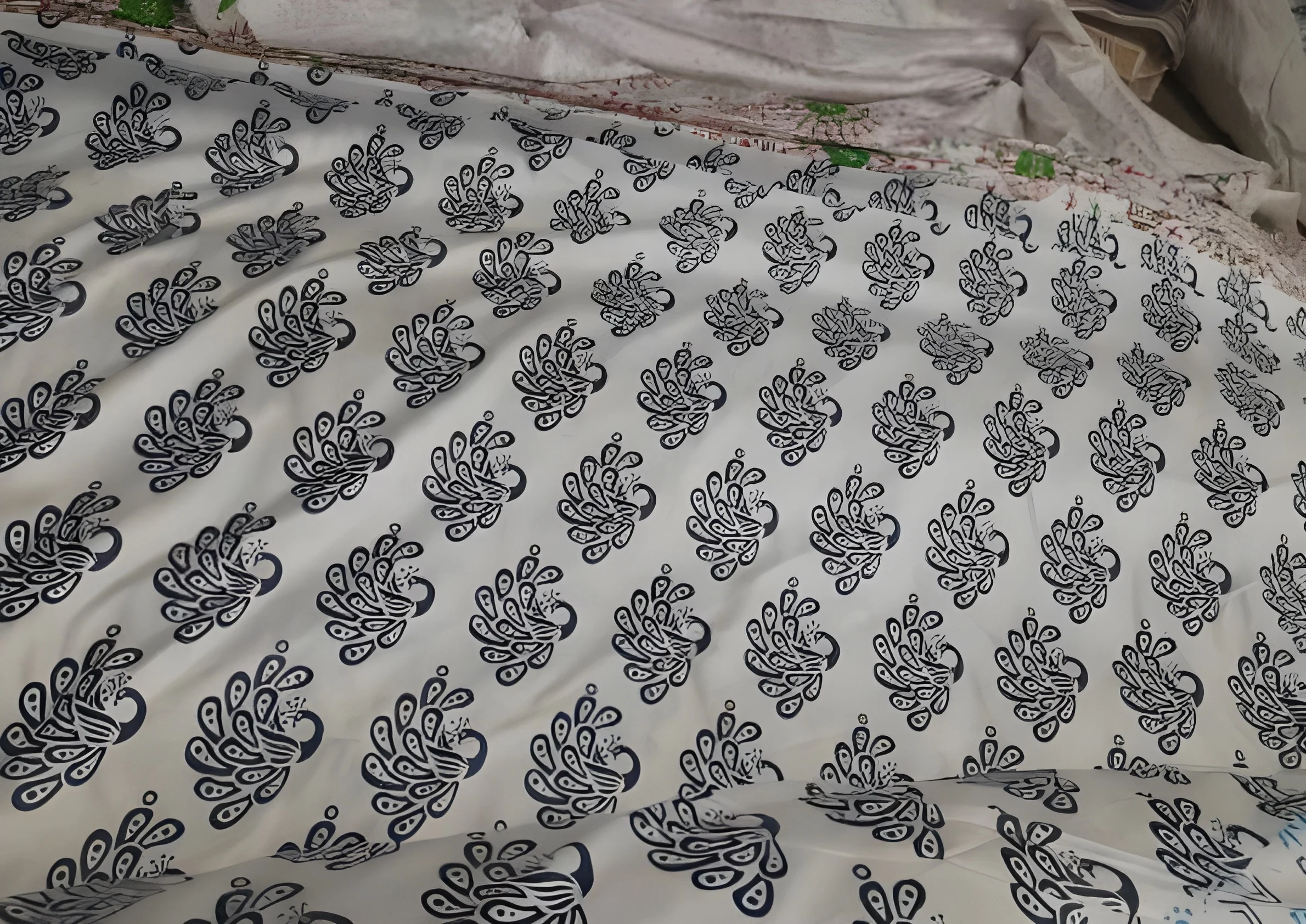
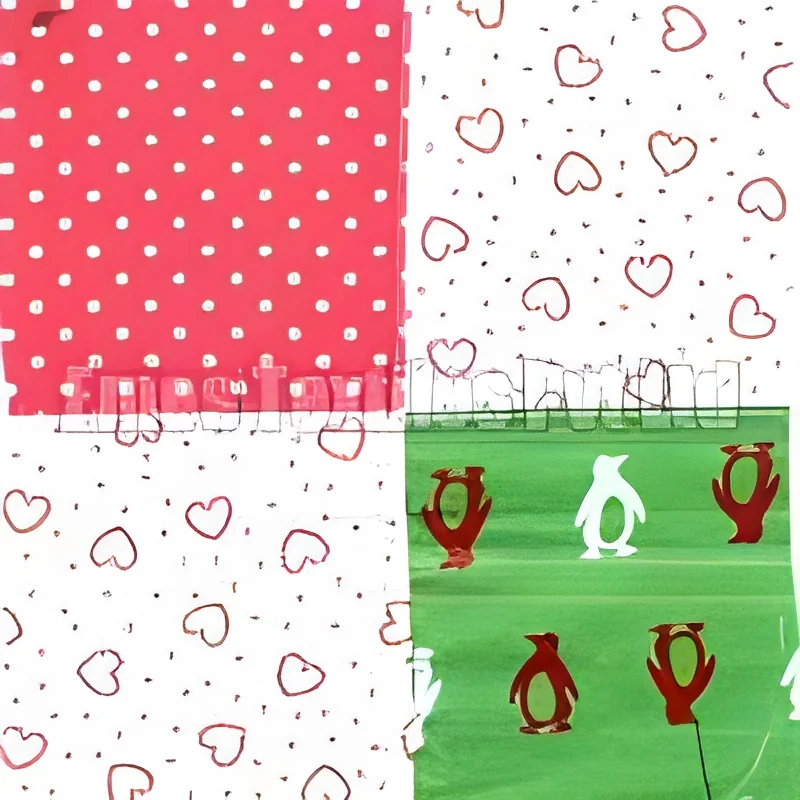
What are Abstract Printed Fabric?
Abstract Printed Fabric refers to textiles that feature non-representational patterns and designs, created through various printing techniques. These fabrics often showcase vibrant colors and dynamic shapes that do not depict recognizable objects but instead evoke emotions and artistic expressions. The printing process can involve digital, screen, or dye sublimation methods, allowing for intricate designs that can cater to diverse aesthetic preferences.
These fabrics are widely used in the fashion, interior design, and arts industries. They serve as materials for clothing, upholstery, wall art, and accessories, enabling designers and manufacturers to create unique and visually appealing products. With a growing emphasis on customization and individuality in consumer products, abstract printed fabrics have gained popularity, making them a relevant option for businesses looking to stand out in a competitive market.
The demand for abstract printed fabric continues to rise, driven by trends in personalization and unique design aesthetics. Companies across various sectors are increasingly incorporating these fabrics into their offerings to meet consumer preferences and differentiate themselves from competitors. This trend highlights the fabric's importance and relevance in today's marketplace, catering to both artistic expression and commercial viability.
Key Features and Specifications
Abstract Printed Fabric comes with several features that make it suitable for various applications. Understanding these specifications is crucial for businesses looking to source the right fabric for their needs.
Key specifications include:
1. Design Versatility
- Offers a wide range of patterns and colors
- Suitable for both commercial and residential applications
2. Printing Techniques
- Available in digital, screen, and dye sublimation printing
- Each technique offers distinct visual effects and durability
3. Fabric Composition
- Commonly made from polyester, cotton, or blends
- Variations in fabric types provide different textures and finishes
4. Durability
- Designed to withstand wear and tear
- Fade-resistant properties ensure longevity of colors
5. Customization Options
- Ability to create bespoke designs based on client specifications
- Ideal for brands seeking unique product offerings
6. Eco-Friendly Options
- Some manufacturers offer sustainable printing methods
- Reduces environmental impact while maintaining quality
7. Maintenance
- Typically easy to clean and maintain
- Washable fabrics allow for practical use in various settings
8. Market Compatibility
- Suitable for both high-end and budget markets
- Flexibility in pricing and quality to meet diverse buyer needs
In summary, understanding the key features and specifications of abstract printed fabric is essential for businesses seeking to leverage this versatile material for their projects.
Common Applications and Use Cases
Abstract Printed Fabric serves a multitude of industries, providing creative solutions across various applications.
1. Fashion Industry: Abstract printed fabrics are widely used in clothing design, allowing fashion designers to create eye-catching garments that reflect current trends and individual styles.
2. Interior Design: These fabrics are popular in home décor, used for curtains, cushions, and upholstery. They add a touch of personality to living spaces while offering a modern aesthetic.
3. Arts and Crafts: Artists and crafters utilize abstract printed fabric in their projects, such as quilts, wall hangings, and mixed media artworks, enhancing their creative expressions.
4. Event Décor: Abstract printed fabrics are often employed in event planning, used for backdrops, table linens, and other decorative elements, setting a thematic tone for weddings and corporate events.
5. Promotional Products: Businesses use abstract printed fabrics for promotional items, such as bags and banners, that capture attention and convey brand identity effectively.
6. Upholstery: The diverse patterns available make these fabrics suitable for commercial and residential upholstery, enabling stylish furniture design that stands out.
7. Accessories: From scarves to bags, abstract printed fabrics are utilized in various accessory designs, appealing to consumers looking for unique and trendy items.
Product Variants and Subcategories
Abstract Printed Fabric encompasses a range of variants tailored to different market needs.
Polyester Abstract Fabric
This variant is popular for its durability and color retention. It is commonly used in fashion and home décor applications, offering a lightweight feel that is easy to work with.
Cotton Abstract Fabric
Cotton variants provide a soft and breathable option, making them ideal for wearable products. They are often chosen for their comfort and natural feel.
Silk Blend Abstract Fabric
This luxurious variant combines silk with other fibers, resulting in a rich texture and appearance. It is typically used in high-end fashion products and elegant home textiles.
Canvas Abstract Fabric
Canvas versions are thicker and sturdier, making them suitable for upholstery and heavy-duty applications. Their unique patterns can enhance the aesthetic of furniture and décor.
Benefits and Advantages
Abstract Printed Fabric offers numerous benefits that make it an attractive choice for businesses and designers.
Key benefits include:
1. Unique Aesthetic: The vibrant designs and patterns allow for creative expression, enabling brands to differentiate themselves in the marketplace.
2. Versatility: Suitable for a wide array of applications, from fashion to home décor, providing flexibility for different industries.
3. Customization Potential: Manufacturers can offer bespoke designs, allowing businesses to create products that align with their branding and customer preferences.
4. Durability: Designed to withstand daily use, ensuring that products maintain their visual appeal over time.
5. Easy Maintenance: Generally easy to clean and care for, making them practical for both commercial and residential uses.
6. Eco-Friendly Options: The availability of sustainable printing methods appeals to environmentally conscious consumers and businesses.
Buying Guide for B2B Buyers
When sourcing Abstract Printed Fabric, it is essential for B2B buyers to consider several key factors to ensure they make informed purchasing decisions.
1. Quality Assessment: Evaluate fabric quality through sampling and testing for durability, colorfastness, and texture to ensure it meets industry standards and customer expectations.
2. Supplier Verification: Conduct thorough research on potential suppliers, including checking references and reviewing their production capabilities and quality control measures.
3. Pricing and MOQ: Understand the pricing structure and minimum order quantities (MOQ) to align with budget constraints and project requirements.
4. Delivery and Lead Times: Discuss delivery schedules and lead times, ensuring that suppliers can meet deadlines without compromising quality.
5. Compliance Requirements: Be aware of any relevant regulations and certifications, such as CE marking, to ensure the fabric meets industry standards and safety requirements.
Compliance and Certifications
Abstract Printed Fabric must adhere to various compliance and certification standards to ensure quality and safety across industries.
Relevant quality standards such as ISO 9001 focus on quality management systems, ensuring manufacturers consistently produce high-quality products. Compliance with HACCP (Hazard Analysis Critical Control Point) may be necessary for fabrics used in environments requiring stringent safety measures, particularly in food-related industries.
Additionally, certifications like CE indicate that the fabric meets European safety and environmental protection requirements. This is crucial for businesses aiming to market their products in Europe and other regions with similar regulations.
Testing requirements also play a significant role, as fabrics must undergo assessments for colorfastness, durability, and safety. Regional compliance considerations vary, and businesses should be aware of local regulations that may impact their sourcing decisions.
Why Source Abstract Printed Fabric from Pepagora?
Pepagora provides a trusted platform for sourcing Abstract Printed Fabric, offering several key advantages that make it an ideal choice for businesses.
Verified Supplier Network: Pepagora ensures that all suppliers are thoroughly vetted, providing buyers with confidence in the quality and reliability of the products they purchase.
Streamlined RFQ Process: The request for quotation (RFQ) system simplifies the sourcing process, allowing buyers to quickly obtain quotes from multiple suppliers and make informed decisions.
Trade Assurance and Support: Pepagora offers buyer protection measures, ensuring that transactions are secure and that businesses receive the support they need throughout the purchasing process.
Regional Coverage: With a strong presence in India, the GCC, and Southeast Asia, Pepagora connects buyers with suppliers across key markets, facilitating access to a diverse range of Abstract Printed Fabrics.

 IN
IN