
 IN
Pigment Dyed Fabric
1 products available
What are Pigment Dyed Fabric?
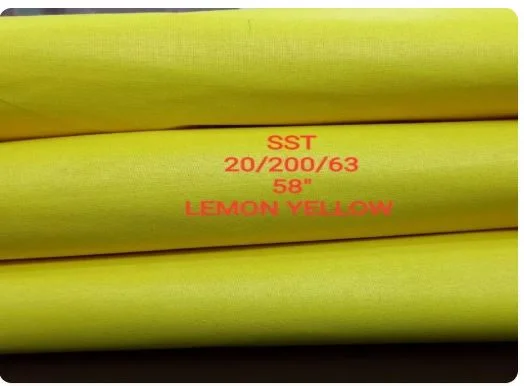
Pigment dyed fabric is a type of textile that is treated with pigments to achieve color. This dyeing process involves applying pigments directly to the surface of the fabric rather than penetrating into the fibers. This method results in a wide array of vibrant colors and patterns, making it a popular choice for various applications. The pigments used are typically non-soluble and can provide a variety of finishes, from matte to glossy.
The primary uses of pigment dyed fabric include apparel, home textiles, and industrial applications. It is commonly found in items like t-shirts, hoodies, and casual wear, where durability and colorfastness are essential. In addition, businesses in the interior design sector utilize pigment dyed fabrics for upholstery, curtains, and decorative items due to their aesthetic appeal and resilience. The relevance of pigment dyed fabric in today’s market has grown significantly, as companies seek sustainable and cost-effective solutions for their textile needs.
Key Features and Specifications
Pigment dyed fabric offers a range of features that enhance its usability in various applications. Its unique dyeing process provides several advantages in terms of durability, color retention, and versatility.
Key specifications include:
1. Color Fastness
- The ability to retain color after repeated washing and exposure to light.
- Typically rated on a scale from 1 to 5, with higher numbers indicating better performance.
2. Fabric Weight
- The weight of the fabric, which impacts its drape and durability.
- Commonly measured in grams per square meter (GSM).
3. Shrinkage Rate
- The percentage of fabric shrinkage after washing.
- Generally ranges from 2% to 5% for high-quality fabrics.
4. Breathability
- The capacity of the fabric to allow air circulation, enhancing comfort.
- Often assessed based on the fabric's weave and construction.
5. Environmental Impact
- The sustainability of the dyeing process and fabric source.
- Fabrics may be produced with eco-friendly practices.
6. Texture and Feel
- The tactile quality of the fabric, which can vary from soft to coarse.
- Influences consumer preference for different applications.
7. Durability
- The fabric's resistance to wear and tear over time.
- Essential for applications requiring long-lasting materials.
8. Compliance with Standards
- Adherence to industry standards such as CE certification.
- Ensures the fabric meets safety and quality regulations.
Pigment dyed fabrics are favored for their combination of vibrant colors and robust characteristics, making them suitable for numerous industries.
Common Applications and Use Cases
Pigment dyed fabric serves various industries due to its versatility and durability.
1. Apparel Industry: Widely used for t-shirts, sportswear, and fashion garments where color vibrancy and longevity are crucial.
2. Home Textiles: Commonly found in curtains, cushions, and upholstery fabrics designed for both aesthetic appeal and resilience.
3. Automotive Industry: Utilized in seat covers and interior trim where durability and color retention are essential.
4. Outdoor Gear: Employed in the production of tents, backpacks, and outdoor clothing that require robust materials.
5. Promotional Products: Frequently used for branded merchandise such as tote bags and uniforms, offering vibrant colors that enhance brand visibility.
6. Crafting and DIY: Popular among hobbyists for projects that require colorful and durable materials.
7. Industrial Applications: Used in functional items like workwear and safety gear where high visibility and durability are necessary.
Product Variants and Subcategories
Pigment dyed fabric comes in a variety of forms to meet diverse customer needs. This flexibility allows businesses to choose fabrics that best align with their specific applications.
Cotton Pigment Dyed Fabric
This variant features a soft and breathable texture, making it ideal for casual clothing and home textiles. Its inherent comfort and colorfast properties are highly valued in the apparel industry.
Polyester Pigment Dyed Fabric
Known for its durability and resistance to fading, this variant is often used in outdoor gear and sportswear. The fabric’s ability to withstand harsh weather conditions makes it a preferred choice for functional applications.
Blended Pigment Dyed Fabric
A mixture of cotton and polyester, this fabric offers the best of both worlds. It combines the comfort of cotton with the durability of polyester, making it suitable for a wide range of products from casual wear to home furnishings.
Benefits and Advantages
Pigment dyed fabric provides numerous benefits that make it an attractive option for businesses across various sectors.
1. Color Vibrancy: The pigment dyeing process allows for a wide range of colors, ensuring products stand out in the market.
2. Durability: Pigment dyed fabrics are known for their resistance to fading and wear, making them ideal for high-use applications.
3. Cost-Effectiveness: The dyeing process can be more economical compared to other methods, leading to lower overall production costs.
4. Easy Care: Fabrics dyed with pigments often require less special care, making them easier for consumers to maintain.
5. Versatility: With a wide variety of textures and weights available, pigment dyed fabrics can be used in numerous applications across different industries.
6. Eco-Friendly Options: Many manufacturers now offer sustainable pigment dyed fabrics, appealing to environmentally conscious consumers.
Buying Guide for B2B Buyers
When sourcing pigment dyed fabric, there are several important factors to consider to ensure quality and suitability for your needs.
1. Quality Assessment: Evaluate the fabric's color fastness, shrinkage rate, and overall durability. Request samples to inspect the fabric's texture and weight before making a bulk purchase.
2. Supplier Verification: Research potential suppliers to verify their reputation and reliability. Look for reviews and ratings from other businesses to gauge their performance.
3. Pricing and MOQ: Be aware of the pricing structure and minimum order quantity (MOQ) requirements of suppliers. Compare quotes to ensure you are getting the best deal without compromising quality.
4. Delivery and Lead Times: Discuss logistics with your supplier to understand delivery schedules and lead times. Ensure they can meet your production timelines.
5. Compliance Requirements: Check that the fabric meets any necessary industry standards and certifications, such as CE marking, to ensure quality and safety.
Compliance and Certifications
Compliance and certifications are critical aspects of sourcing pigment dyed fabric. Various quality standards apply to ensure safety and performance.
ISO 9001 is a widely recognized quality management standard that ensures manufacturers adhere to consistent quality processes. This certification is important for companies looking for reliable suppliers.
CE certification indicates that products meet European safety, health, and environmental protection standards. This certification is essential for businesses operating in or exporting to Europe.
Safety and testing requirements should also be a priority. Fabrics should undergo testing for harmful substances and meet appropriate safety regulations to protect end-users.
Additionally, regional compliance considerations may vary. It is crucial to understand the specific regulations that apply within different geographic markets to ensure compliance and avoid potential legal issues.
Why Source Pigment Dyed Fabric from Pepagora?
Pepagora provides a trusted platform for sourcing pigment dyed fabric, offering various advantages for B2B buyers.
Verified Supplier Network: Pepagora's rigorous vetting process ensures that all suppliers in the network meet high standards of quality and reliability. This gives buyers peace of mind when selecting partners.
Streamlined RFQ Process: The request for quotation (RFQ) system simplifies the sourcing process, allowing buyers to efficiently compare pricing and terms from multiple suppliers in one place.
Trade Assurance and Support: Pepagora offers buyer protection through trade assurance, ensuring that transactions are secure and that support is available for any issues that may arise.
Regional Coverage: With a strong presence in India, the GCC, and Southeast Asia, Pepagora connects buyers with suppliers across a broad geographic area, facilitating easy access to quality pigment dyed fabrics.

Frequently Asked Questions
What are Pigment Dyed Fabric?
Pigment dyed fabric is a type of textile that is colored using pigments instead of dyes. This process involves applying pigment particles directly onto the fabric, resulting in vibrant colors that are often more resistant to fading compared to traditional dyes.
What are the different types of Pigment Dyed Fabric?
There are various types of pigment dyed fabrics, including cotton, polyester, and blends. Each type offers different texture and durability, making them suitable for various applications such as apparel, home textiles, and industrial uses.
How do I choose the right Pigment Dyed Fabric?
Choosing the right pigment dyed fabric depends on your specific requirements, including intended use, desired colorfastness, and texture. It's important to consider the fabric's weight and composition, as well as any additional treatments that may be necessary for your application.
What are the standard specifications for Pigment Dyed Fabric?
Standard specifications for pigment dyed fabric include fabric type, weight (usually measured in GSM), color fastness ratings, and any applicable industry standards. Additionally, the fabric's width and finish can also be considered as part of its specifications.
What is the price range for Pigment Dyed Fabric?
The price range for pigment dyed fabric can vary widely based on factors such as material, quality, and supplier. Generally, prices can start from around INR 50 per meter and can go up to INR 300 or more, depending on the specifics of the fabric.
What quality standards apply to Pigment Dyed Fabric?
Quality standards for pigment dyed fabric typically include tests for color fastness, durability, and safety compliance. Fabrics should meet relevant industry standards such as ISO or ASTM to ensure they are suitable for commercial use.
Where can I find Pigment Dyed Fabric suppliers in India?
You can find pigment dyed fabric suppliers in India through various online B2B marketplaces, trade shows, and textile exhibitions. Websites like Pepagora offer a comprehensive directory of manufacturers and suppliers to help you source the right fabric.
Can Pigment Dyed Fabric be customized?
Yes, pigment dyed fabric can often be customized in terms of color, pattern, and size. Many manufacturers offer customization options to meet specific client needs, making it suitable for unique projects and branding requirements.
What is the typical minimum order quantity for Pigment Dyed Fabric?
The typical minimum order quantity (MOQ) for pigment dyed fabric can vary by supplier but is usually around 100 meters. Some suppliers may offer lower MOQs, especially for custom orders, while others may have higher requirements based on production capabilities.
What is the typical lead time for Pigment Dyed Fabric?
The typical lead time for pigment dyed fabric can range from 2 to 4 weeks, depending on the order size and customization requirements. Factors such as production schedules and shipping methods can also influence the overall delivery time.
Why Businesses Trust Pepagora
Thousands of companies trust Pepagora to source smarter and sell faster
Expand Your Sales Globally

Source Smarter,Grow Faster
