
 IN
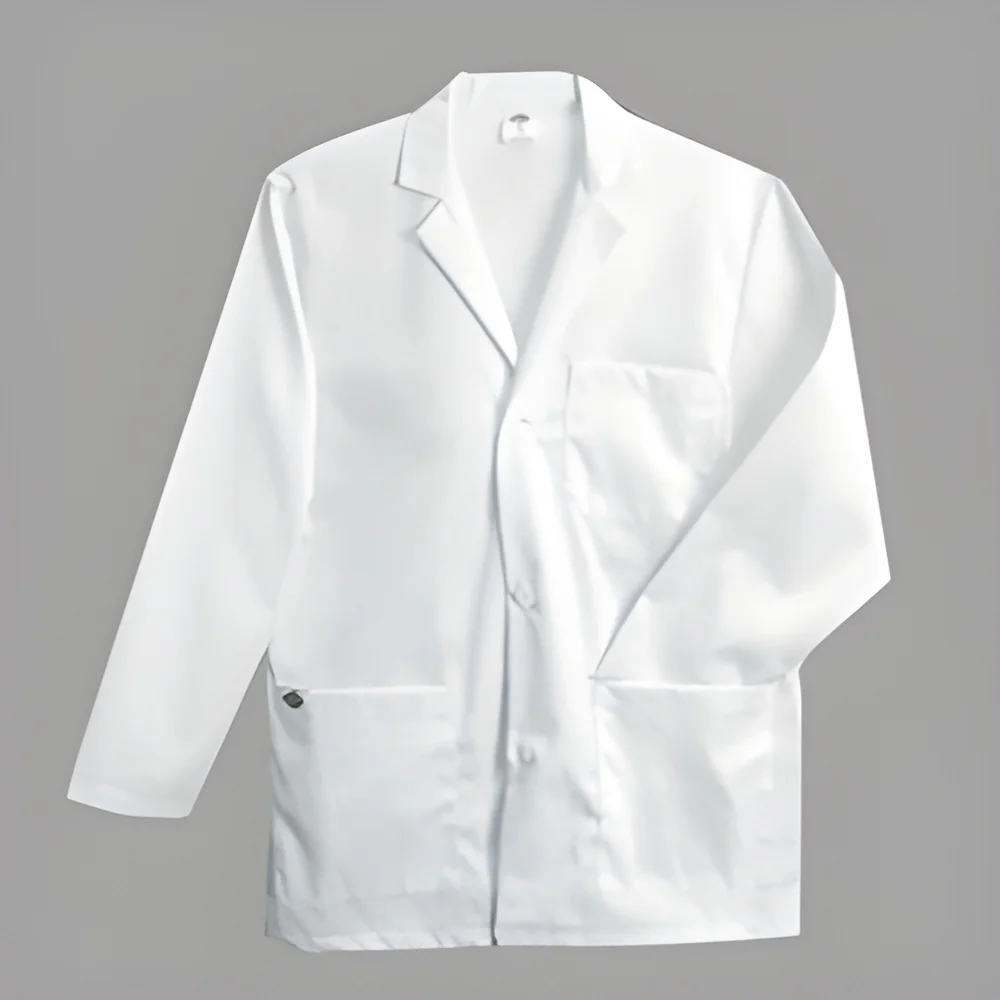
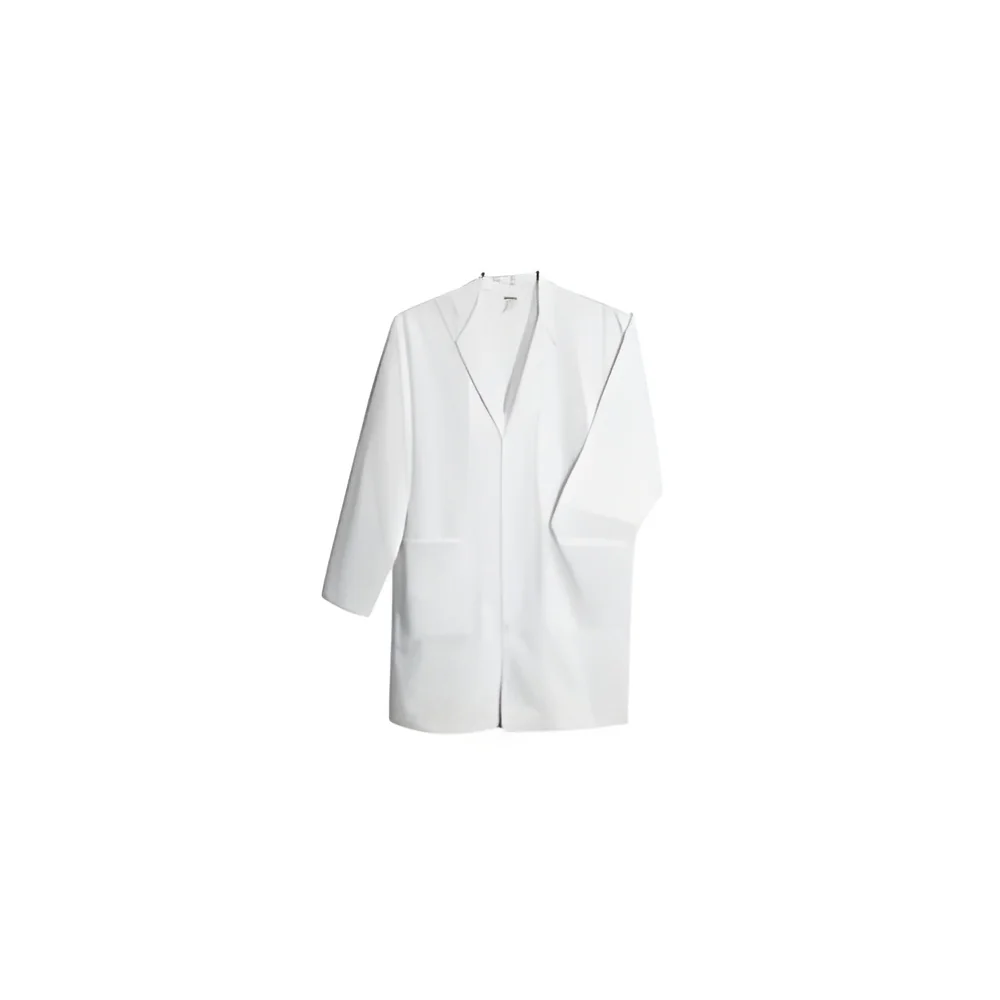
Lab Coats (Reusable & Disposable)
3 products available
Key Features and Specifications
Lab coats, whether reusable or disposable, come with specific features and specifications that address the diverse needs of users. These specifications help businesses determine the appropriate type of lab coat for their specific applications.
Key specifications include:
1. Material Composition
- Reusable lab coats are often made from cotton, polyester, or blended fabrics for durability and comfort.
- Disposable lab coats are typically made from lightweight, non-woven materials for single-use convenience.
2. Size Range
- Available in various sizes to accommodate different body types, ensuring a comfortable fit for all users.
3. Closure Type
- Lab coats may feature snap, zipper, or tie closures, allowing for easy wear and removal.
4. Sleeve Length
- Options include short, long, or three-quarter sleeves, depending on the level of protection needed.
5. Pockets
- Many lab coats include pockets for convenient storage of tools and personal items.
6. Color Options
- Available in a variety of colors, allowing for departmental color coding or personal preference.
7. Resistance Features
- Some lab coats are designed to be water-resistant or chemical-resistant, offering additional protection against spills.
8. Washability
- Reusable lab coats are typically machine washable and designed to maintain their protective properties after several washes.
In summary, understanding the specifications of lab coats is vital for businesses to choose the right products that meet their safety and operational needs.
Common Applications and Use Cases
Lab coats find extensive use across a variety of industries, tailored to meet specific requirements in each sector.
1. Healthcare: In hospitals and clinics, lab coats protect medical staff from contamination, while also providing a professional appearance.
2. Pharmaceuticals: Researchers and technicians wear lab coats to prevent cross-contamination during drug development and testing.
3. Food Processing: Lab coats help maintain hygiene standards in food production facilities, ensuring that employees do not introduce contaminants.
4. Research Laboratories: Scientists wear lab coats to protect themselves from chemicals, biological materials, and other hazardous substances in experimental settings.
5. Manufacturing: In production environments, lab coats protect workers from dirt, dust, and potential chemical spills.
6. Educational Institutions: Students and educators in science classes use lab coats to promote safety and responsibility in laboratory practices.
7. Veterinary Clinics: Lab coats are worn by veterinary staff to maintain cleanliness and prevent the spread of infections.
Product Variants and Subcategories
Lab coats come in several variants to cater to the unique needs of different industries. Each variant is designed with specific features that enhance functionality and safety.
Reusable Lab Coats
These lab coats are crafted from high-quality materials that can endure multiple washes. They provide a cost-effective solution for businesses with regular lab work, ensuring long-term use while maintaining protective qualities.
Disposable Lab Coats
Designed for single-use, these lab coats offer convenience and hygiene, making them ideal for environments where contamination is a concern. They are lightweight, easy to wear, and can be discarded after use, reducing the risk of cross-contamination.
Benefits and Advantages
Choosing the right lab coat can significantly enhance safety and operational efficiency within an organization.
Key benefits include:
1. Enhanced Safety: Lab coats provide a protective barrier against spills, chemicals, and biological materials, reducing the risk of accidents.
2. Improved Hygiene: Disposable lab coats help maintain high hygiene standards by preventing cross-contamination in sensitive environments.
3. Cost Efficiency: Reusable lab coats offer long-term savings as they can be washed and reused, making them a sustainable choice for businesses.
4. Comfort and Flexibility: Many lab coats are designed with breathable fabrics and adjustable features, ensuring comfort during long hours of wear.
5. Professional Appearance: Lab coats contribute to a polished, professional look for staff, reinforcing the seriousness of their roles.
6. Compliance Support: Wearing lab coats helps organizations meet industry safety and hygiene regulations, reducing the risk of legal liabilities.
Buying Guide for B2B Buyers
When sourcing lab coats, businesses should consider several factors to ensure they make informed purchasing decisions.
1. Quality Assessment: Evaluate the materials and construction of lab coats to ensure they meet the necessary safety and durability standards.
2. Supplier Verification: Conduct thorough research on suppliers to verify their credibility and track record in delivering quality products.
3. Pricing and MOQ: Compare prices and minimum order quantities (MOQ) from different suppliers to find a balance between cost and quality.
4. Delivery and Lead Times: Check the logistics capabilities of suppliers to ensure timely delivery that aligns with your operational needs.
5. Compliance Requirements: Ensure that the chosen lab coats meet relevant industry regulations and standards to avoid compliance issues.
Compliance and Certifications
Lab coats must adhere to various quality standards and certifications to ensure they are safe and effective for their intended use.
Relevant quality standards include ISO 9001, which emphasizes quality management systems, and HACCP, ensuring food safety in relevant applications. Compliance with Good Distribution Practices (GDP) is also essential in pharmaceutical contexts.
Industry certifications such as CE mark indicate that lab coats meet European safety, health, and environmental protection standards.
Furthermore, safety and testing requirements are paramount, particularly for reusable lab coats, which should undergo rigorous testing to ensure they maintain their protective qualities after repeated washing.
Regional compliance considerations may vary, so businesses should ensure that their lab coats align with local regulations to guarantee safety and legal adherence.
Why Source Lab Coats (Reusable & Disposable) from Pepagora?
Pepagora offers a reliable platform for sourcing lab coats, emphasizing quality and trust.
Verified Supplier Network: Pepagora connects buyers with a network of verified suppliers, ensuring that all products meet high standards of quality and compliance.
Streamlined RFQ Process: The request for quotation (RFQ) process is designed to be straightforward, allowing businesses to easily compare options and make informed purchasing decisions.
Trade Assurance and Support: Pepagora provides trade assurance, offering buyers protection and dedicated support throughout the purchasing process.
Regional Coverage: With a strong presence in India, the GCC, and Southeast Asia, Pepagora ensures that businesses across these regions can access quality lab coats tailored to their needs.

 India
 India

Frequently Asked Questions
What are Lab Coats (Reusable & Disposable)?
Lab coats are protective garments worn over clothing to safeguard against hazardous substances and contaminants in laboratory and clinical settings. They come in two main types: reusable lab coats, which can be washed and reused, and disposable lab coats, which are designed for single-use to minimize contamination risks.
What are the different types of Lab Coats (Reusable & Disposable)?
The two primary types of lab coats are reusable and disposable. Reusable lab coats are typically made from durable fabrics that can withstand multiple washings, while disposable lab coats are made from lightweight materials like polypropylene, intended for one-time use to ensure hygiene and safety.
How do I choose the right Lab Coats (Reusable & Disposable)?
Choosing the right lab coat depends on the specific requirements of your work environment. Consider factors such as material (for comfort and protection), fit (to ensure ease of movement), and whether you need a reusable or disposable option based on your operational needs.
What are the standard specifications for Lab Coats (Reusable & Disposable)?
Standard specifications for lab coats include features such as length (typically knee-length), material composition, and types of closures (buttons or snaps). Additionally, they should meet safety standards relevant to the specific industry, such as resistance to chemicals or flame retardancy.
What is the price range for Lab Coats (Reusable & Disposable)?
The price range for lab coats can vary significantly based on type, material, and brand. Disposable lab coats may range from INR 50 to INR 300 per piece, while reusable lab coats can cost between INR 300 to INR 1,500 or more, depending on the quality and specifications.
What quality standards apply to Lab Coats (Reusable & Disposable)?
Lab coats should adhere to quality standards set by regulatory bodies, which may include specifications for material durability, chemical resistance, and non-flammability. It's essential to check for certifications that verify compliance with these standards to ensure safety and effectiveness.
Where can I find Lab Coats (Reusable & Disposable) suppliers in India?
You can find lab coat suppliers in India through various B2B marketplaces, manufacturer directories, and industry trade shows. Websites like Pepagora.com provide a platform to connect with verified suppliers and manufacturers of lab coats.
Can Lab Coats (Reusable & Disposable) be customized?
Yes, many suppliers offer customization options for lab coats, including embroidery of logos, choice of colors, and specific sizing requirements. Customization may be available for both reusable and disposable lab coats, depending on the supplier's capabilities.
What is the typical minimum order quantity for Lab Coats (Reusable & Disposable)?
The minimum order quantity (MOQ) for lab coats can vary by supplier and type of coat. Generally, MOQs for disposable lab coats may start as low as 50 pieces, while reusable lab coats may have higher MOQs, often ranging from 100 to 500 pieces.
What is the typical lead time for Lab Coats (Reusable & Disposable)?
The typical lead time for lab coats can vary based on factors such as the supplier's location, order quantity, and customization requirements. Generally, lead times can range from 1 to 4 weeks for standard orders, while customized orders may take longer.
Why Businesses Trust Pepagora
Thousands of companies trust Pepagora to source smarter and sell faster
Expand Your Sales Globally

Source Smarter,Grow Faster
