
 IN
Knee Braces & Supports
37 products available
What are Knee Braces & Supports?
Knee braces and supports are orthopedic devices designed to provide stability, support, and protection to the knee joint. They come in various shapes, sizes, and materials, tailored to meet the specific needs of individuals. These devices help to alleviate pain, prevent injuries, and provide rehabilitation support for various knee-related conditions. By offering both functional and therapeutic benefits, knee braces and supports have become essential in injury prevention and recovery.
The primary uses of knee braces and supports include aiding in the treatment of injuries, providing support during physical activities, and facilitating post-surgery recovery. Businesses in healthcare, sports, and rehabilitation sectors commonly use these products. They help athletes prevent injuries during training and competition, assist patients recovering from surgeries, and support individuals with chronic conditions like arthritis. As the demand for knee health solutions continues to grow, the market for knee braces and supports is expanding, driven by advancements in materials and technology.
Key Features and Specifications
Knee braces and supports are designed with specific features to enhance their effectiveness and user experience. The specifications can vary significantly based on the intended use and target demographic.
Key specifications include:
1. Material Composition
- Typically made from breathable fabrics, neoprene, or elastic materials.
- Provides comfort, flexibility, and moisture-wicking properties.
2. Size and Fit
- Available in various sizes to accommodate different knee measurements.
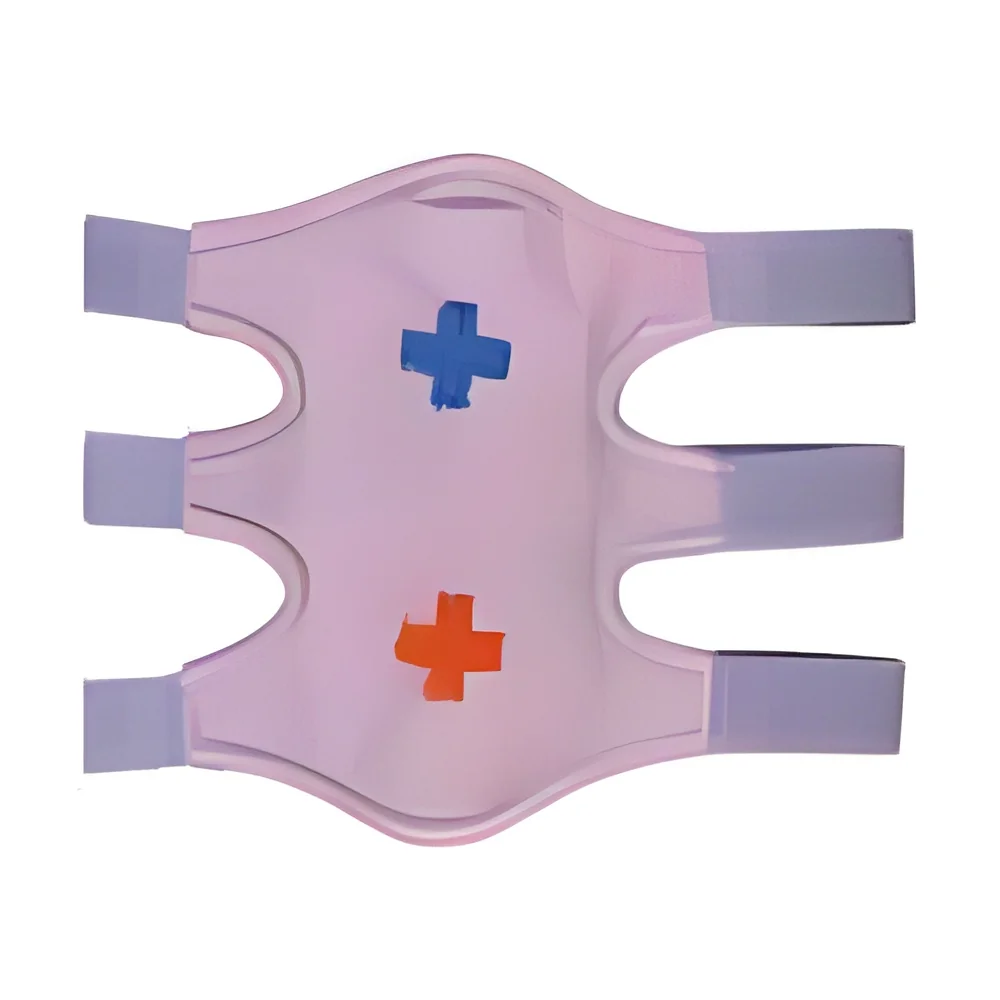
- Adjustable straps or closures ensure a secure fit for users.
3. Support Level
- Ranges from light support for minor injuries to rigid support for severe conditions.
- Determines the level of stability provided to the knee joint.
4. Design Type
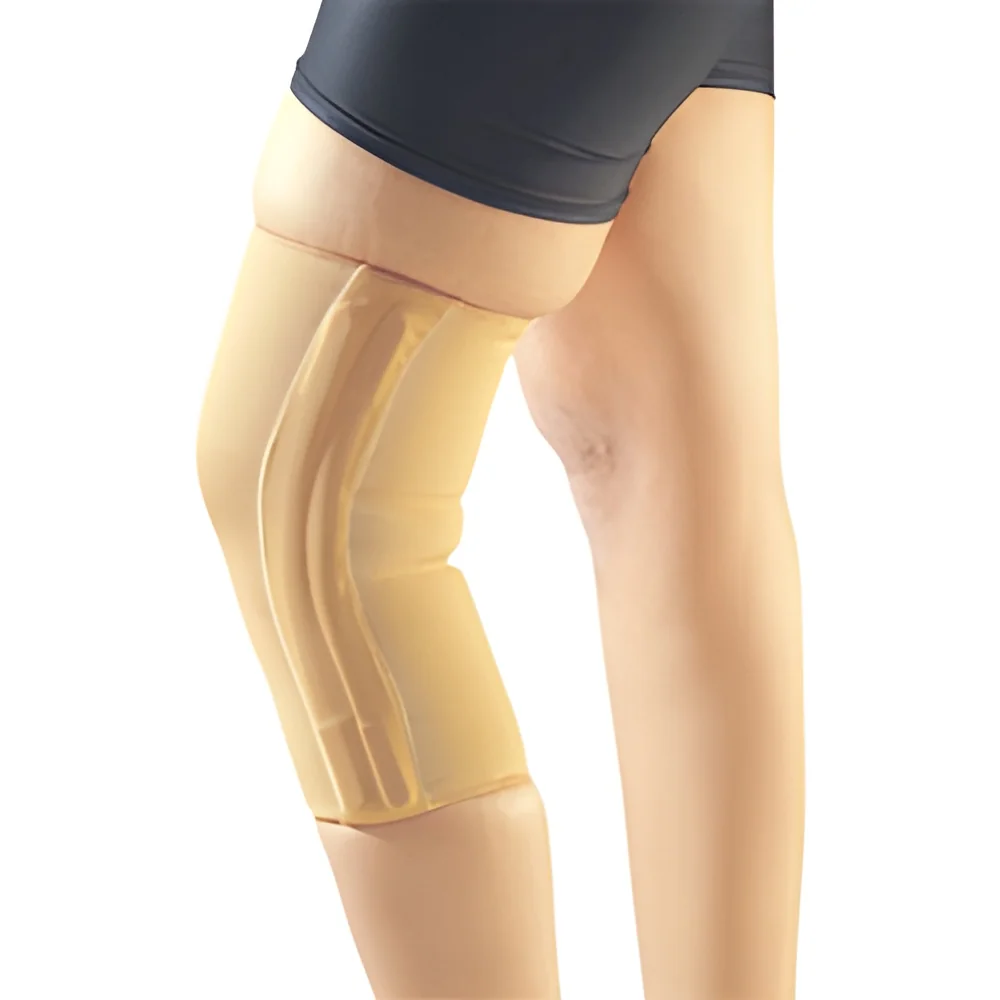
- Options include sleeves, hinged braces, and patellar stabilizers.
- Each design serves different functions based on user needs.
5. Weight
- Varies from lightweight options for ease of movement to heavier models for maximum support.
- Important for user comfort during extended wear.
6. Washability
- Many models are machine washable for easy maintenance.
- Ensures hygiene and prolongs the life of the product.
7. Anatomical Fit
- Designed to conform to the natural shape of the knee.
- Enhances comfort and reduces the risk of slippage during use.
8. Certification
- Many products are certified by relevant health and safety organizations.
- Ensures compliance with industry standards for quality and safety.
In summary, understanding the key features and specifications of knee braces and supports helps buyers make informed decisions. Selecting the right product can significantly impact the effectiveness of treatment and user satisfaction.
Common Applications and Use Cases
Knee braces and supports are utilized across various industries, each with specific applications.
1. Sports and Athletics: Knee braces are essential for athletes to prevent injuries during high-impact activities. They provide support during training and competitions, reducing the risk of strains and sprains.
2. Rehabilitation Facilities: In rehabilitation settings, knee supports assist patients recovering from surgeries or injuries. They help in regaining strength and mobility while ensuring joint stability.
3. Healthcare Providers: Medical professionals prescribe knee braces for patients with chronic conditions like arthritis. These products help alleviate pain and support joint function.
4. Occupational Health: In industries requiring physical labor, knee supports protect workers from injury due to repetitive movements or heavy lifting. They are crucial for maintaining employee health and productivity.
5. Elderly Care: Knee braces are beneficial for older adults experiencing joint instability or pain. They promote mobility and enhance overall quality of life.
6. Fitness and Wellness: In fitness centers, knee supports are used by individuals engaging in weightlifting or high-intensity workouts. They provide extra protection and confidence during exercise.
7. Home Healthcare: Patients receiving care at home may use knee braces to manage pain and improve mobility. Caregivers often recommend these products for daily support.
Product Variants and Subcategories
Knee braces and supports come in a variety of styles to cater to different user needs and conditions.
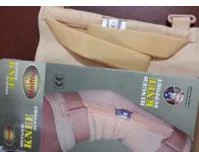
Hinged Knee Braces: These braces feature metal hinges on the sides to provide maximum support and stability. They are ideal for individuals recovering from serious injuries or surgeries, allowing for controlled movement while protecting the knee.
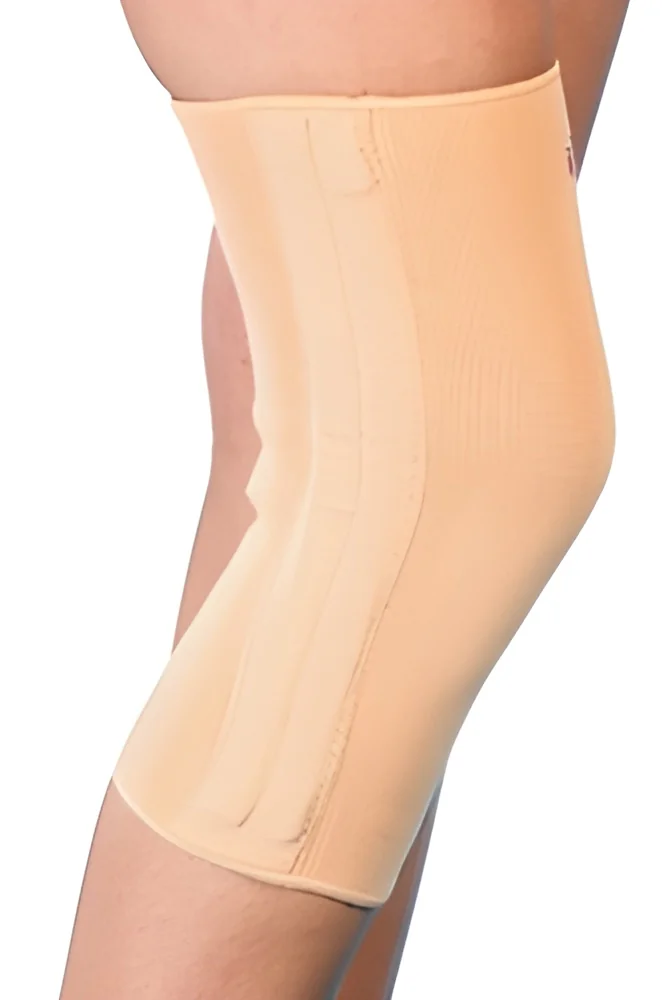
Compression Sleeves: Designed to provide light support and improve circulation, compression sleeves are ideal for mild pain relief and prevention. They are often used by athletes during training to enhance performance and reduce recovery time.
Patellar Stabilizers: These specialized supports focus on the kneecap, helping to prevent dislocation and providing targeted support. They are commonly used by individuals with patellar tracking issues or tendonitis.
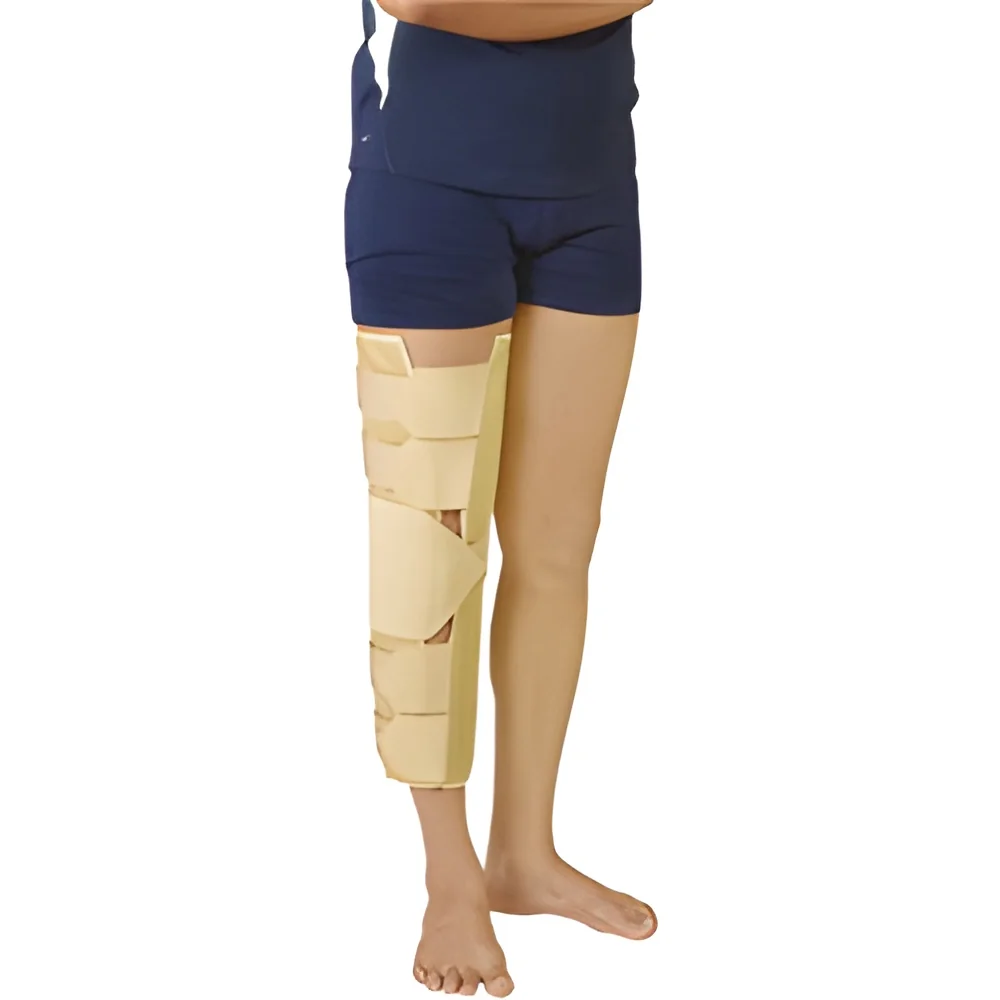
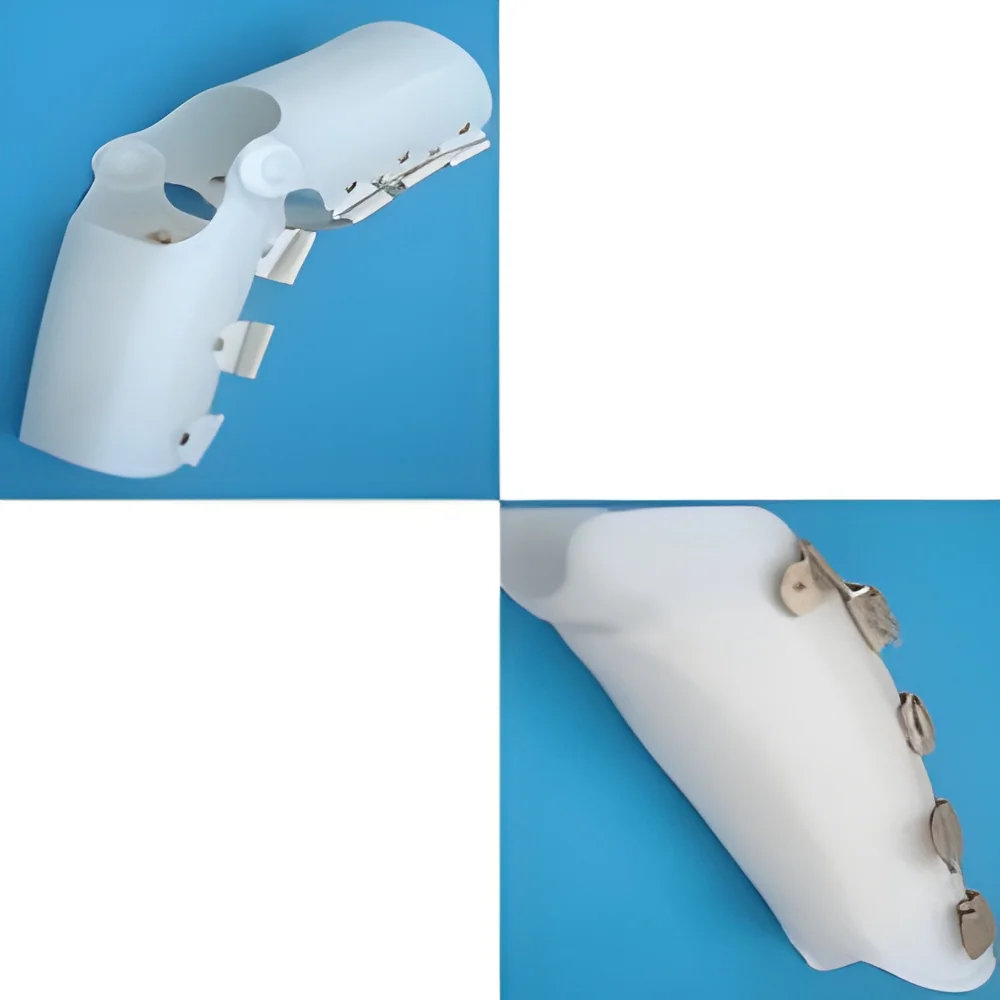
Rehabilitative Braces: Designed for post-surgery or injury recovery, these braces offer adjustable support levels. They often feature immobilization and controlled motion to facilitate healing.
Benefits and Advantages
Investing in knee braces and supports brings numerous benefits to users and organizations.
1. Injury Prevention: Knee braces provide essential support during physical activities, significantly reducing the risk of injuries.
2. Pain Relief: Many users experience a reduction in pain and discomfort associated with knee conditions, improving their overall quality of life.
3. Enhanced Stability: These devices offer increased joint stability, allowing users to move confidently without fear of injury.
4. Improved Recovery: Knee braces can accelerate recovery times by providing necessary support during rehabilitation processes.
5. Versatile Use: Suitable for various activities, knee braces can be used in sports, daily activities, or while recovering from injuries.
6. Customizable Options: Many knee braces come in adjustable sizes, ensuring a proper fit for different body types and personal preferences.
Buying Guide for B2B Buyers
When sourcing knee braces and supports, B2B buyers should consider several key factors to ensure they select the right products.
1. Quality Assessment: Evaluate the material quality and durability of knee braces. Look for brands that comply with industry standards and offer warranties for their products.
2. Supplier Verification: Conduct thorough research to verify suppliers' credentials. Check for certifications and customer reviews to ensure reliability and trustworthiness.
3. Pricing and MOQ: Understand the pricing structure and minimum order quantities. Compare different suppliers to find competitive pricing without compromising on quality.
4. Delivery and Lead Times: Inquire about the suppliers' delivery capabilities and typical lead times. Ensure they can meet your timelines to avoid disruptions in your supply chain.
5. Compliance Requirements: Familiarize yourself with regulatory standards applicable in your region, such as CE certification. Ensure that suppliers comply with these requirements to avoid legal issues.
Compliance and Certifications
Knee braces and supports must meet various compliance and certification standards to ensure quality and safety.
Relevant quality standards include ISO 9001, which focuses on quality management systems, and HACCP, which emphasizes risk management in healthcare products. Compliance with these standards ensures that manufacturers follow best practices in production and quality assurance.
Industry certifications, such as CE marking, indicate that the product meets European health, safety, and environmental protection standards. This certification is crucial for international trade and assures users of the product's safety and reliability.
Additionally, products may need to adhere to safety and testing requirements, ensuring they are safe for use in various environments. Regional compliance considerations can vary, so it is essential for buyers to be aware of specific regulations applicable to their markets.
Why Source Knee Braces & Supports from Pepagora?
Pepagora offers a trusted platform for sourcing knee braces and supports, providing several key advantages for B2B buyers.
Verified Supplier Network: Pepagora features a network of thoroughly vetted suppliers. This ensures that buyers can find reputable manufacturers who meet quality and compliance standards.
Streamlined RFQ Process: The request for quotation process on Pepagora is designed to be efficient, allowing buyers to receive competitive quotes quickly. This simplifies procurement and helps businesses make informed purchasing decisions.
Trade Assurance and Support: Pepagora provides trade assurance, protecting buyers from potential risks. This support includes guarantees on product quality and timely delivery, fostering trust in the purchasing process.
Regional Coverage: With a strong presence in India, the GCC, and Southeast Asia, Pepagora enables buyers to access a broad range of products and suppliers. This regional coverage ensures that businesses can meet their local market needs effectively.


 India
 India
 India

 India
 India

 India

 India

Frequently Asked Questions
What are Knee Braces & Supports?
Knee Braces & Supports are orthopedic devices designed to support, stabilize, or protect the knee joint. They are commonly used by individuals recovering from injuries, undergoing rehabilitation, or managing chronic conditions affecting the knee.
What are the different types of Knee Braces & Supports?
There are several types of Knee Braces & Supports, including prophylactic braces, functional braces, rehabilitative braces, and unloader braces. Each type serves a specific purpose, such as preventing injuries, providing support during activity, aiding recovery post-injury, or relieving pressure on certain areas of the knee.
How do I choose the right Knee Braces & Supports?
Choosing the right Knee Braces & Supports involves assessing your specific needs, such as the type of injury or condition, activity level, and comfort preferences. It is advisable to consult a medical professional to determine the most suitable type and fit for your individual situation.
What are the standard specifications for Knee Braces & Supports?
Standard specifications for Knee Braces & Supports typically include material quality, size options, adjustable features, and specific design elements for support and comfort. Manufacturers often provide detailed specifications to ensure proper fit and effectiveness.
What is the price range for Knee Braces & Supports?
The price range for Knee Braces & Supports can vary significantly based on type, brand, and features. Generally, they can range from affordable options around INR 500 to high-end models that may cost over INR 5,000.
What quality standards apply to Knee Braces & Supports?
Knee Braces & Supports should adhere to established quality standards such as ISO certifications and other industry-specific guidelines. Ensuring that products meet these standards can help guarantee durability and effectiveness.
Where can I find Knee Braces & Supports suppliers in India?
Knee Braces & Supports suppliers in India can be found through various online B2B marketplaces, trade shows, and medical supply companies. Platforms like Pepagora.com provide a comprehensive directory of manufacturers and suppliers for easy sourcing.
Can Knee Braces & Supports be customized?
Yes, many manufacturers offer customization options for Knee Braces & Supports to cater to individual needs, such as specific sizes, materials, and designs. Customization can enhance comfort and effectiveness for the user.
What is the typical minimum order quantity for Knee Braces & Supports?
The typical minimum order quantity (MOQ) for Knee Braces & Supports can vary by supplier, but it often ranges from 50 to 100 units. It's advisable to check with specific manufacturers for their MOQ policies.
What is the typical lead time for Knee Braces & Supports?
The typical lead time for Knee Braces & Supports can vary based on the supplier and the complexity of the order. Generally, standard orders may take between 2 to 4 weeks for delivery, while customized orders could take longer.
Why Businesses Trust Pepagora
Thousands of companies trust Pepagora to source smarter and sell faster
Expand Your Sales Globally

Source Smarter,Grow Faster
