
 IN
Exercise Balls (Stability, Medicine)
3 products available
Key Features and Specifications
Exercise balls come with several key features that make them suitable for various applications. These specifications ensure safety, durability, and performance for users across different industries.
Key specifications include:
1. Material Quality
- Made from high-quality, durable PVC or rubber materials
- Ensures resistance to punctures and abrasions
2. Diameter Options
- Available in various sizes, typically ranging from 45 cm to 85 cm
- Different sizes accommodate users of various heights and preferences
3. Weight Capacity
- Designed to support weight capacities ranging from 200 kg to 500 kg
- Suitable for a wide range of users and training intensities
4. Surface Texture
- Textured surface for enhanced grip and stability
- Reduces the likelihood of slipping during exercises
5. Inflation and Deflation
- Easily inflatable with a hand pump or air compressor
- Quick deflation for convenient storage and transport
6. Color Variations
- Available in a variety of colors to suit aesthetic preferences
- Helps to enhance the visual appeal of fitness spaces
7. Certifications
- Compliant with CE safety standards for quality assurance
- Tested for durability and reliability in various conditions
8. Warranty
- Typically comes with a warranty period ranging from 1 to 3 years
- Provides assurance of quality and customer satisfaction
In summary, exercise balls are characterized by their material quality, size options, and safety features, making them effective tools for fitness and rehabilitation.
Common Applications and Use Cases
Exercise balls serve various industries with specific applications that cater to their unique needs.
1. Fitness Centers: Exercise balls are commonly used in fitness classes for core training, stability exercises, and stretching routines. They help improve overall strength and balance.
2. Rehabilitation Clinics: Physical therapists use stability and medicine balls to assist patients in recovery. They promote muscle engagement and coordination during rehabilitation exercises.
3. Sports Teams: Coaches incorporate exercise balls in training regimens to enhance athletes' strength and stability. They are used in drills that focus on balance and explosive movements.
4. Home Gyms: Many individuals opt for exercise balls as versatile workout equipment for home use. They provide an effective way to engage multiple muscle groups without requiring extensive space.
5. Corporate Wellness Programs: Companies integrate exercise balls into their wellness initiatives. Employees use them to improve posture and reduce discomfort during long hours of sitting.
6. Educational Institutions: Schools and universities include exercise balls in physical education classes to promote physical activity among students. They serve as fun, engaging tools for learning.
7. Senior Care Facilities: Exercise balls are utilized in senior fitness programs to enhance balance and mobility. They help improve strength and coordination in older adults.
Product Variants and Subcategories
Exercise balls come in a diverse range of variants to cater to different fitness needs and preferences.
Stability Balls
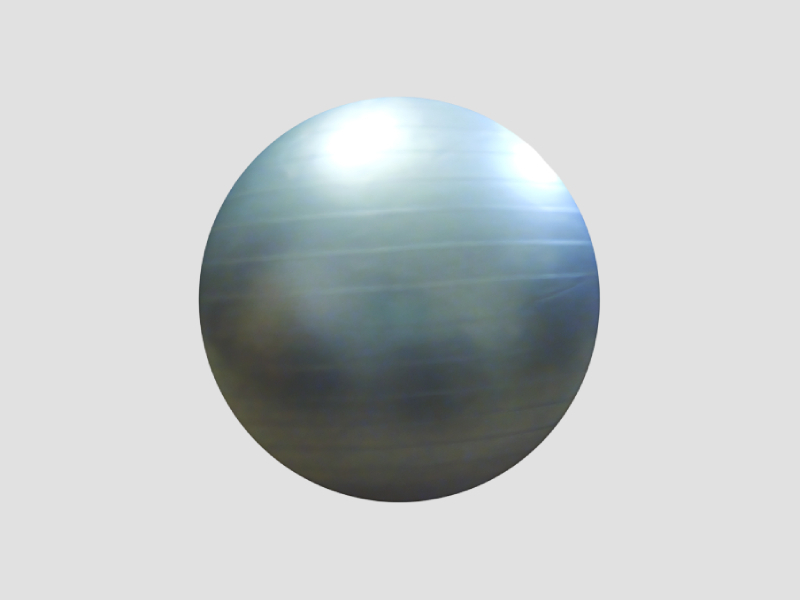
Stability balls are large, inflatable spheres designed for balance training, core strengthening, and flexibility exercises. They are commonly used in fitness classes and by individuals for at-home workouts. Their size and stability enhance various exercises, making them suitable for users of all fitness levels.
Medicine Balls
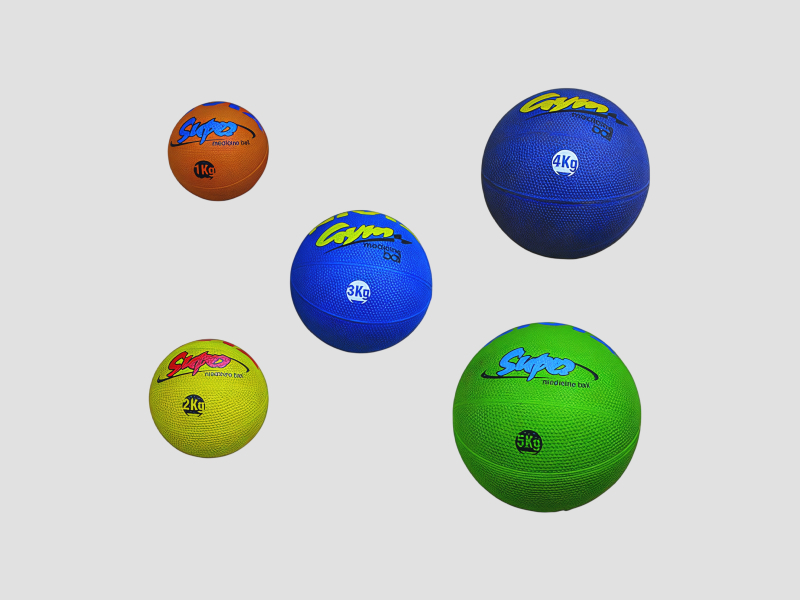
Medicine balls are weighted spheres used for strength training and conditioning. They come in various weights and are ideal for explosive movements, such as throws and slams. Medicine balls are commonly used in team sports training and functional fitness routines, providing a dynamic way to build strength and coordination.
Benefits and Advantages
Exercise balls offer numerous benefits that make them valuable tools for fitness and rehabilitation.
1. Improved Core Strength: Regular use of exercise balls enhances core stability and strength, which is essential for overall physical performance.
2. Versatility: Exercise balls can be used for a wide range of exercises, making them suitable for various fitness levels and goals.
3. Enhanced Balance: Training with exercise balls improves balance and coordination, reducing the risk of injuries.
4. Rehabilitation Support: They are effective tools for physical therapy, aiding in recovery and rehabilitation for various injuries.
5. Convenience: Exercise balls are lightweight and portable, making them easy to use in different locations, whether at home or in a gym.
6. Engaging Workouts: The use of exercise balls adds variety to workout routines, making exercises more enjoyable and engaging for users.
Buying Guide for B2B Buyers
When sourcing Exercise Balls (Stability, Medicine), there are several important factors to consider to ensure you make informed purchasing decisions.
1. Quality Assessment: Evaluate the material quality and construction of exercise balls to ensure durability and safety. Look for products made from high-quality materials that can withstand frequent use.
2. Supplier Verification: Vet suppliers carefully by checking their reputation, customer reviews, and certifications. Reliable suppliers will provide consistent quality and support.
3. Pricing and MOQ: Consider the cost of exercise balls and minimum order quantities (MOQ) that suppliers offer. Ensure that pricing is competitive while meeting quality standards.
4. Delivery and Lead Times: Assess logistics capabilities, including delivery times and shipping costs. Timely delivery is crucial for maintaining inventory levels.
5. Compliance Requirements: Be aware of any relevant safety standards and certifications, such as CE compliance. Understand regional regulations that may affect your purchasing decisions.
Compliance and Certifications
Exercise balls must adhere to various compliance standards and certifications to ensure safety and quality.
Relevant quality standards such as ISO 9001 highlight the importance of consistent quality management practices in the manufacturing process. These standards ensure that exercise balls meet specific requirements for safety and performance.
Industry certifications like CE signify that the products conform to European health, safety, and environmental protection standards. This certification provides assurance to buyers regarding the safety of the exercise balls.
Safety and testing requirements are critical for ensuring that exercise balls can withstand rigorous use without failure. Manufacturers should conduct thorough testing to verify durability and performance under different conditions.
Regional compliance considerations may also apply, depending on the market where the exercise balls are sold. Understanding these requirements helps buyers ensure they are sourcing products that meet local regulations.
Why Source Exercise Balls (Stability, Medicine) from Pepagora?
Pepagora provides a trusted platform for sourcing Exercise Balls (Stability, Medicine) with several key advantages that benefit B2B buyers.
Verified Supplier Network: Pepagora connects buyers with a network of verified suppliers. Each supplier undergoes a thorough vetting process to ensure reliability and product quality.
Streamlined RFQ Process: The platform simplifies the request for quotation (RFQ) process, allowing buyers to easily compare prices and specifications from different suppliers. This efficiency helps buyers make informed decisions quickly.
Trade Assurance and Support: Pepagora offers trade assurance services that protect buyers throughout the purchasing process. This includes support for order fulfillment and dispute resolution.
Regional Coverage: With a strong presence in India, the GCC, and Southeast Asia, Pepagora provides extensive geographic reach. This ensures that buyers can find suitable suppliers that meet their unique regional needs.

Frequently Asked Questions
What are Exercise Balls (Stability, Medicine)?
Exercise Balls, commonly known as stability balls or medicine balls, are inflatable, flexible spheres designed for various physical activities. They are used for stability training, core strengthening, rehabilitation, and enhancing balance.
What are the different types of Exercise Balls (Stability, Medicine)?
There are primarily two types of Exercise Balls: Stability Balls and Medicine Balls. Stability Balls are larger and primarily used for balance and core workouts, while Medicine Balls are smaller, weighted balls used for strength training and rehabilitation.
How do I choose the right Exercise Balls (Stability, Medicine)?
When choosing Exercise Balls, consider factors such as size, material, and intended use. Ensure the ball is appropriate for your height and purpose, and look for durable materials to withstand regular use.
What are the standard specifications for Exercise Balls (Stability, Medicine)?
Standard specifications for Exercise Balls include diameter, weight capacity, and material composition. Common diameters range from 45 cm to 75 cm for stability balls, while medicine balls typically vary in weight from 1 kg to 10 kg.
What is the price range for Exercise Balls (Stability, Medicine)?
The price range for Exercise Balls can vary significantly based on type and quality. Generally, stability balls range from INR 500 to INR 3,000, while medicine balls can range from INR 1,000 to INR 5,000.
What quality standards apply to Exercise Balls (Stability, Medicine)?
Exercise Balls should comply with safety and quality standards such as ASTM and ISO certifications. These standards ensure the balls are durable, free from harmful substances, and capable of withstanding the stresses of regular use.
Where can I find Exercise Balls (Stability, Medicine) suppliers in India?
You can find Exercise Balls suppliers in India through B2B marketplaces like Pepagora.com, trade directories, and local fitness equipment retailers. It is advisable to review supplier credentials and customer feedback before making a purchase.
Can Exercise Balls (Stability, Medicine) be customized?
Yes, many manufacturers offer customization options for Exercise Balls, including branding, color, and size adjustments. Customization may require meeting specific order quantities and lead times.
What is the typical minimum order quantity for Exercise Balls (Stability, Medicine)?
The typical minimum order quantity (MOQ) for Exercise Balls varies by supplier but is generally between 50 to 100 units. Some suppliers may offer lower MOQs for standard products.
What is the typical lead time for Exercise Balls (Stability, Medicine)?
The typical lead time for Exercise Balls can range from 2 to 6 weeks, depending on the supplier and whether the balls are customized. It's recommended to confirm lead times with the supplier when placing an order.
Why Businesses Trust Pepagora
Thousands of companies trust Pepagora to source smarter and sell faster
Expand Your Sales Globally

Source Smarter,Grow Faster
