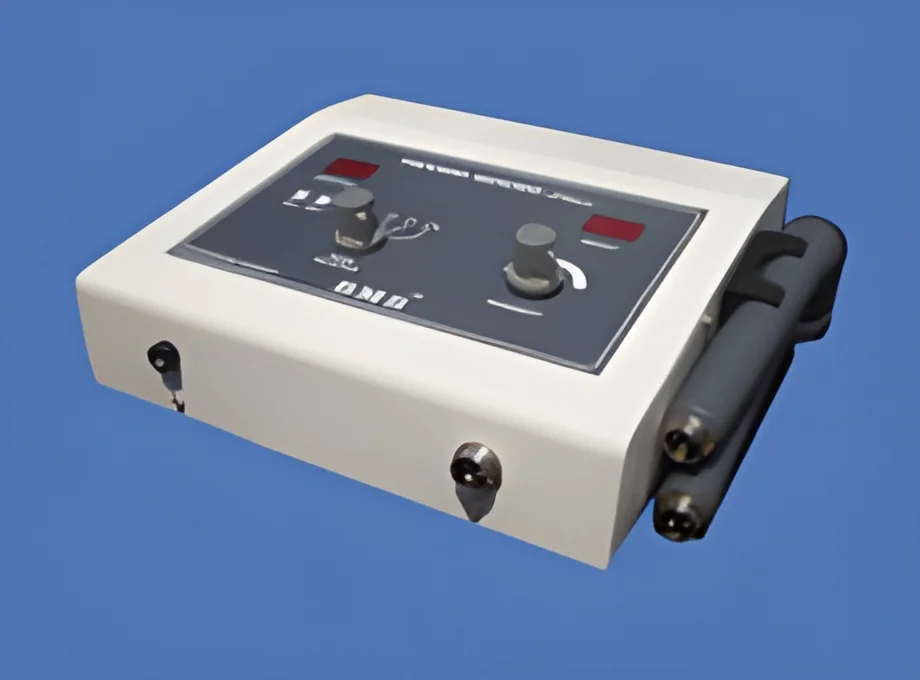
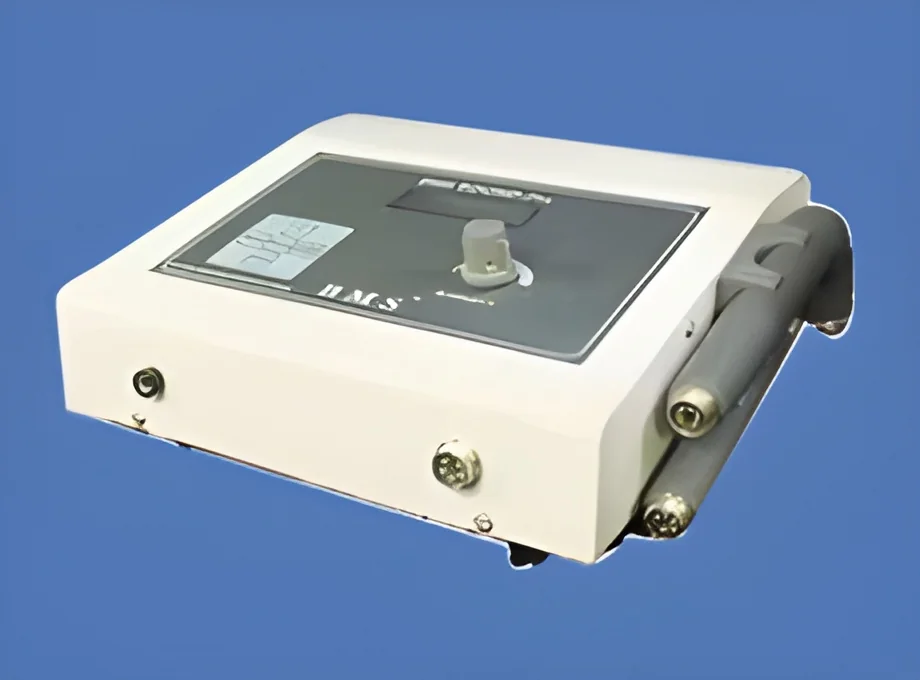
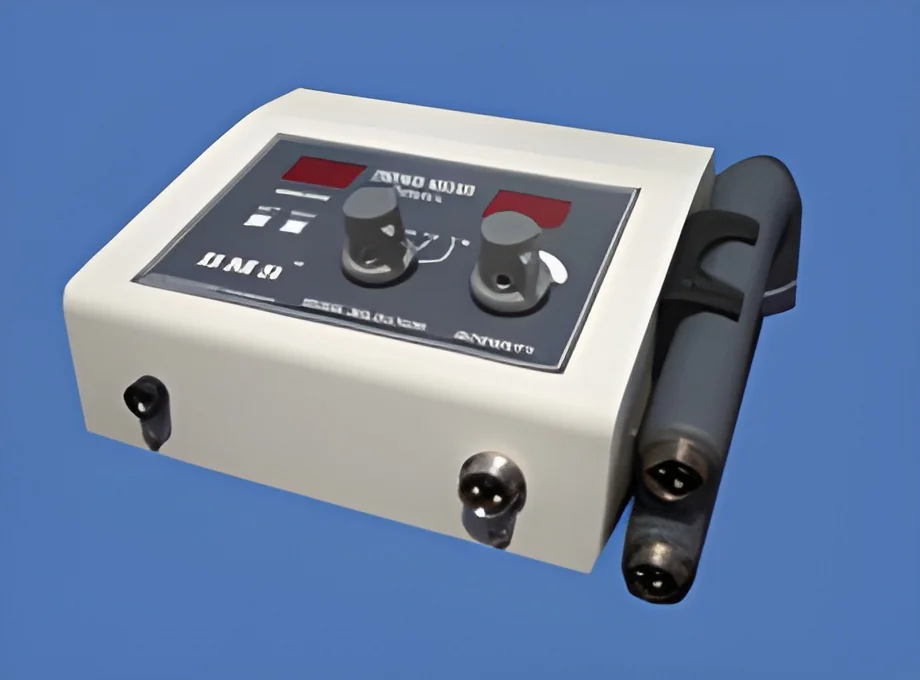
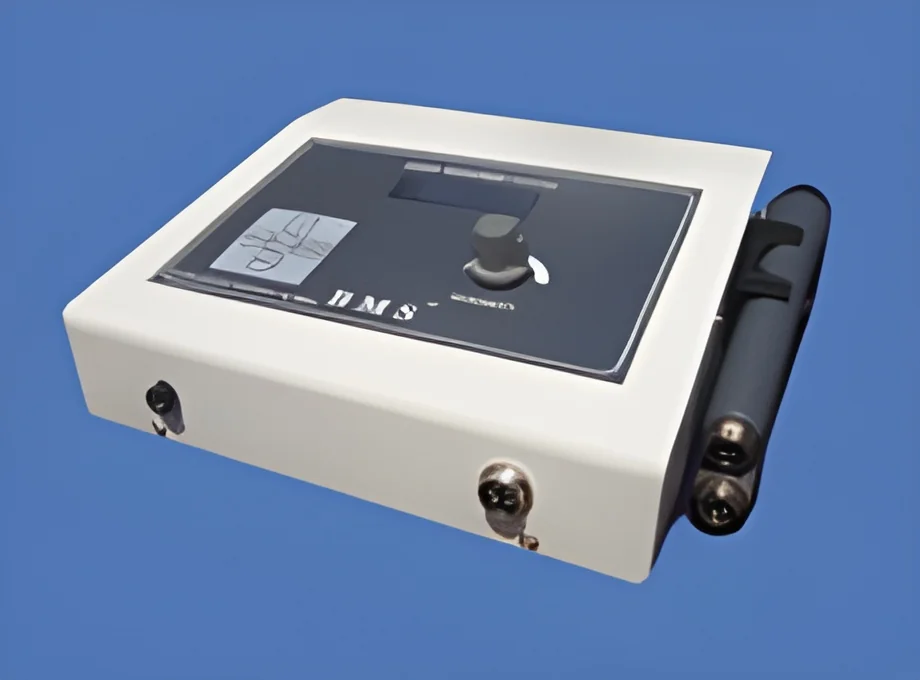
What are Ultrasound Therapy Machines?
Ultrasound therapy machines are advanced medical devices that utilize sound waves to promote healing and pain relief in various tissues of the body. These machines emit ultrasonic waves that penetrate the skin and stimulate cellular repair processes. The therapy is non-invasive and is often used in conjunction with physical therapy to enhance recovery from injuries and reduce inflammation.
The primary applications of ultrasound therapy machines include treating musculoskeletal conditions, promoting tissue regeneration, and alleviating pain associated with various medical conditions. They are widely used in physical therapy clinics, rehabilitation centers, and hospitals. With the growing emphasis on non-invasive treatment methods, ultrasound therapy machines have become a vital component in many therapeutic protocols, supporting both patients and healthcare providers.
In the current market, ultrasound therapy machines are increasingly relevant as healthcare professionals seek out effective, non-invasive treatment options. The demand for these machines continues to rise due to their versatility and efficacy in pain management and rehabilitation. As the healthcare industry evolves, ultrasound therapy machines are likely to see expanded usage across multiple disciplines.
Key Features and Specifications
Ultrasound therapy machines come equipped with a range of features designed to maximize therapeutic effectiveness. These features enhance usability and ensure optimal treatment outcomes.
Key specifications include:
1. Frequency Range
- Typically ranges from 1 MHz to 3 MHz for therapeutic applications.
- Higher frequencies are used for superficial tissues, while lower frequencies penetrate deeper.
2. Output Power
- Generally adjustable from 0.1 to 3.0 Watts per square centimeter (W/cm²).
- Allows practitioners to tailor treatment intensity based on patient needs.
3. Treatment Modes
- Pulsed and continuous modes to accommodate different therapy requirements.
- Pulsed mode is often used for acute conditions, while continuous mode is used for chronic pain.
4. Timer Functionality
- Adjustable treatment duration usually ranges from 1 to 30 minutes.
- Facilitates precise control over each therapy session.
5. Ergonomic Design
- Lightweight and portable models enhance ease of use in clinical settings.
- User-friendly interfaces for efficient operation.
6. Safety Features
- Automatic shut-off mechanisms to prevent overheating.
- Integrated monitoring systems for real-time feedback.
7. Treatment Area Size
- Varies by transducer size, often ranging from 1 cm² to 10 cm².
- Selection of transducer size allows for targeted therapy.
8. Power Supply
- Typically operates on standard electrical voltage (110-240V).
- Some models may offer battery-operated options for increased mobility.
These specifications ensure that ultrasound therapy machines are effective and versatile tools for healthcare providers.
Common Applications and Use Cases
Ultrasound therapy machines are utilized across various industries for a multitude of therapeutic purposes.
1. Physical Therapy: Physical therapists use ultrasound therapy machines to treat sports injuries, joint pain, and soft tissue damage. The therapy aids in reducing swelling and enhancing tissue healing.
2. Rehabilitation Centers: In rehabilitation settings, these machines support recovery from surgeries and severe injuries. They are instrumental in restoring function and alleviating pain in patients.
3. Veterinary Medicine: Ultrasound therapy machines are also employed in veterinary practices to treat musculoskeletal conditions in animals. The therapy can accelerate healing in pets and livestock.
4. Orthopedics: Orthopedic specialists use ultrasound therapy to manage chronic pain conditions and facilitate recovery from fractures and strains.
5. Aesthetics: In aesthetic medicine, ultrasound therapy contributes to skin rejuvenation and reducing cellulite, leveraging its non-invasive benefits.
6. Sports Medicine: Sports medicine professionals incorporate ultrasound therapy into treatment regimens for athletes, helping them recover faster from injuries while improving performance.
7. Pain Management Clinics: These clinics utilize ultrasound therapy as a part of a comprehensive pain management strategy, particularly for chronic pain conditions.
Product Variants and Subcategories
Ultrasound therapy machines encompass a variety of models, each tailored to specific needs and applications.
Portable Ultrasound Therapy Machine
This variant is designed for mobility and convenience, allowing therapists to conduct treatments in various settings. Its lightweight construction and rechargeable battery make it ideal for home visits or outdoor therapy sessions.
Tabletop Ultrasound Therapy Machine
These machines are designed for stationary use in clinics or hospitals. They often come with advanced features and larger treatment areas, making them suitable for high-volume patient traffic.
Combination Therapy Units
These devices combine ultrasound therapy with other modalities such as electrical stimulation or heat therapy. They provide a comprehensive treatment solution, enhancing the therapeutic effects for patients.
Benefits and Advantages
Ultrasound therapy machines offer numerous benefits that enhance treatment effectiveness and patient satisfaction.
1. Non-Invasive Treatment: Ultrasound therapy is a safe, non-invasive option that minimizes discomfort for patients while effectively promoting healing.
2. Versatile Applications: These machines can be used across various fields, from physical therapy to veterinary medicine, making them a valuable investment for healthcare providers.
3. Enhanced Recovery: The stimulation of cellular repair processes accelerates healing, reducing recovery times for patients.
4. Pain Relief: Ultrasound therapy effectively alleviates pain, making it a vital tool in pain management protocols.
5. User-Friendly Operation: Modern machines are designed with intuitive interfaces, allowing practitioners to focus on treatment rather than complicated setups.
6. Cost-Effective: The long-term benefits of improved patient outcomes can lead to increased patient satisfaction and retention, making ultrasound therapy machines a cost-effective choice for clinics.
Buying Guide for B2B Buyers
When sourcing ultrasound therapy machines, it is essential for buyers to consider several key factors to ensure they make informed purchasing decisions.
1. Quality Assessment: Evaluate the quality of machines through certifications and user reviews. Look for machines that meet industry standards and have a proven track record of effectiveness.
2. Supplier Verification: Vet suppliers thoroughly to ensure they have a solid reputation and provide reliable customer service. Request references or case studies from previous clients.
3. Pricing and MOQ: Understand the pricing structures and minimum order quantities (MOQ) required by suppliers. Compare prices across multiple suppliers to ensure competitive rates.
4. Delivery and Lead Times: Inquire about delivery schedules and lead times to ensure timely availability of machines. Consider the implications of delayed shipments on your operations.
5. Compliance Requirements: Ensure that the machines meet local regulatory standards and safety requirements. Familiarize yourself with any necessary certifications needed for your region.
Compliance and Certifications
Ultrasound therapy machines must adhere to various quality standards and certifications to ensure safety and efficacy.
ISO 9001 is a widely recognized quality management standard that ensures manufacturers maintain high-quality production processes. Compliance with this standard indicates a commitment to continuous improvement and customer satisfaction.
Industry certifications such as CE and UL demonstrate that the machines meet specific safety and performance criteria. CE certification is particularly important for products sold in European markets, while UL certification is significant for products in North America.
Safety and testing requirements are critical to ensuring that ultrasound therapy machines operate effectively and do not pose risks to patients or operators. Regular testing and adherence to safety guidelines help maintain the integrity of these devices.
Additionally, regional compliance considerations should be taken into account, as different countries may have specific regulations governing medical devices. Being aware of these requirements is essential for manufacturers and distributors operating in global markets.
Why Source Ultrasound Therapy Machines from Pepagora?
Pepagora provides a trusted platform for sourcing ultrasound therapy machines, offering several key advantages to buyers.
Verified Supplier Network: Pepagora has a comprehensive network of verified suppliers, ensuring that buyers can find reputable manufacturers of ultrasound therapy machines. This verification process enhances buyer confidence and supports informed purchasing decisions.
Streamlined RFQ Process: The platform offers a streamlined request-for-quotation process, allowing buyers to easily compare multiple offers from suppliers. This efficiency saves time and simplifies the selection process.
Trade Assurance and Support: Pepagora provides trade assurance, protecting buyers throughout the purchasing process. This support includes assistance with order management and resolving any potential disputes.
Regional Coverage: With strong coverage in regions such as India, GCC, and Southeast Asia, Pepagora connects buyers with suppliers that understand local market needs. This geographic reach enhances the accessibility and availability of ultrasound therapy machines for businesses in these areas.

 IN
IN