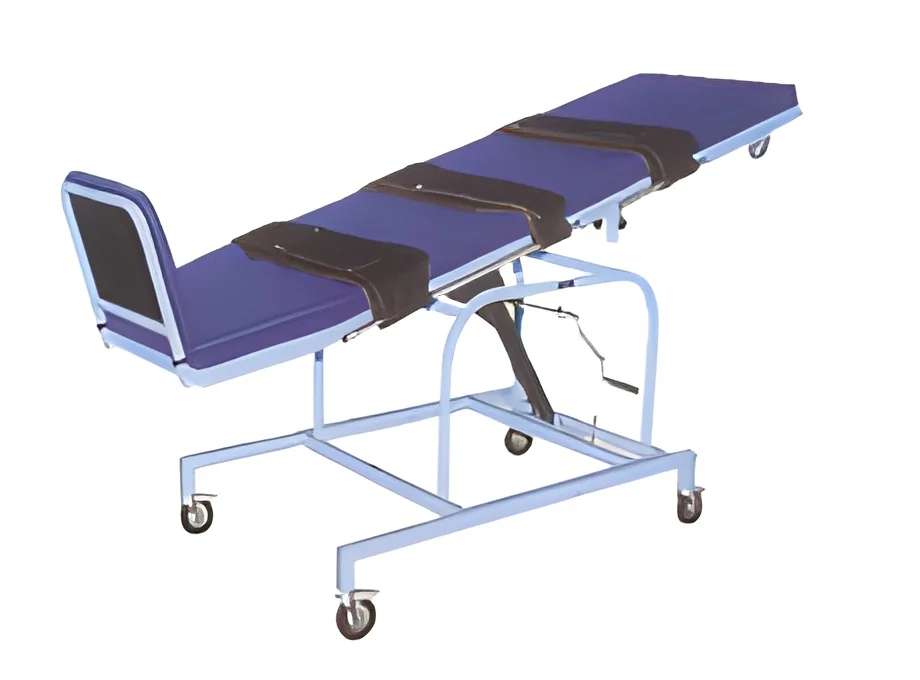
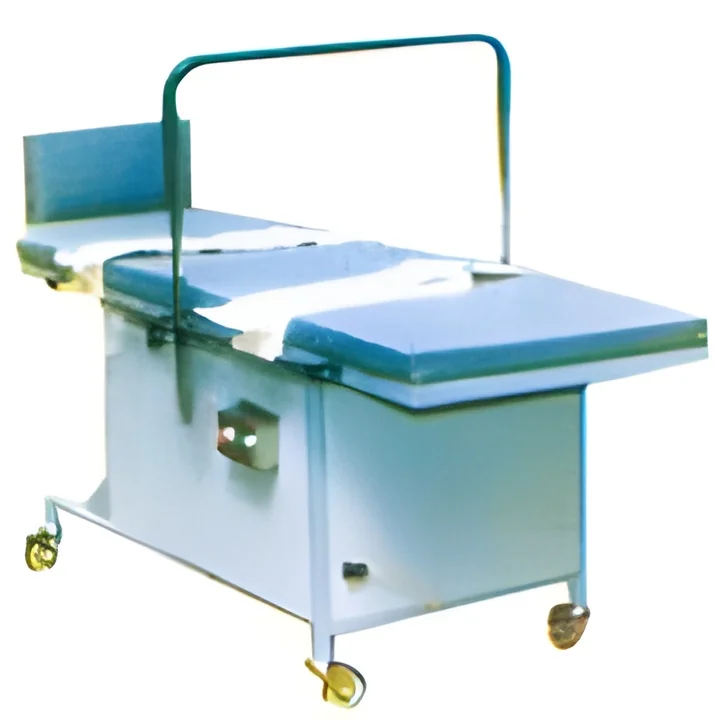
What are Tilt Tables?
Tilt tables are specialized equipment designed to position and rotate loads at various angles. This apparatus is commonly used in industrial settings to facilitate the handling and processing of materials. Tilt tables can adjust their angle to a desired position, enabling operators to easily access components, conduct inspections, or perform maintenance tasks without the need for additional lifting equipment.
These tables find primary applications in industries such as manufacturing, assembly, and packaging. They are particularly beneficial in environments where ergonomic safety is a concern, as they minimize the need for workers to bend or reach excessively. By providing adjustable angles, tilt tables enhance productivity and efficiency in operations, leading to safer work environments and streamlined processes. As industries evolve, the demand for tilt tables continues to grow, driven by the need for improved handling solutions in various market sectors.
Key Features and Specifications
Tilt tables come equipped with several features that enhance their functionality and usability. Understanding these specifications is crucial for selecting the right model for specific business needs.
Key specifications include:
1. Load Capacity
- Tilt tables are designed to handle various weight ranges, typically from 500 to 5,000 pounds depending on the model.
- This specification is crucial for ensuring that the table can support the intended materials without risk of failure.
2. Angle Adjustment
- Most tilt tables can adjust to angles ranging from 0 to 90 degrees.
- This flexibility allows for effective material handling and ergonomic positioning.
3. Table Size
- The dimensions of tilt tables can vary widely, with surface areas often ranging from 24 inches by 36 inches to 60 inches by 120 inches.
- Sizing is essential for fitting the table into existing workspaces and accommodating specific tasks.
4. Construction Material
- Tilt tables are typically constructed from steel or aluminum, providing strength and durability.
- This specification affects both the longevity and weight capacity of the table.
5. Power Source
- They may be operated manually or powered by electric or hydraulic systems.
- Choosing the right power source impacts ease of use and the speed of operation.
6. Safety Features
- Many models include features such as safety locks, non-slip surfaces, and emergency stop buttons.
- These features are vital for ensuring safe operation during use.
7. Mobility Options
- Some tilt tables come with wheels for easy movement, while others are fixed.
- Mobility considerations can enhance workflow and accessibility within a workspace.
8. Compliance Standards
- Compliance with industry standards such as CE certification ensures that the equipment meets safety and performance regulations.
- This specification is important for maintaining quality and safety in operations.
In summary, selecting tilt tables requires careful consideration of their features and specifications to meet specific operational needs.
Common Applications and Use Cases
Tilt tables serve a variety of industries by enhancing operational efficiency and worker safety.
1. Manufacturing: In manufacturing, tilt tables are used for assembly processes and quality inspections, allowing workers to access components at optimal angles.
2. Packaging: In packaging environments, tilt tables facilitate the loading and unloading of heavy items, improving workflow and reducing strain on employees.
3. Warehousing: Warehouses utilize tilt tables for sorting and organizing goods, making it easier to handle products while minimizing the risk of injury.
4. Automotive: In the automotive industry, tilt tables support the maintenance and assembly of vehicle parts, providing ergonomic access for technicians.
5. Aerospace: Aerospace manufacturers use tilt tables for precision assembly and inspection of components, ensuring quality control in critical applications.
6. Food Processing: In food processing, tilt tables are employed for easier handling of ingredients and packaging, ensuring compliance with hygiene standards.
7. Electronics: The electronics sector utilizes tilt tables for assembly and testing of delicate components, enhancing precision and safety.
Product Variants and Subcategories
Tilt tables come in various models tailored to meet specific operational needs.
Manual Tilt Tables
These tables are operated by hand, allowing for precise control over the angle adjustment. Ideal for small-scale operations, they are cost-effective and easy to use in environments where heavy lifting is infrequent.
Powered Tilt Tables
Equipped with electric or hydraulic systems, powered tilt tables provide effortless angle adjustments. They are suitable for high-volume operations, enhancing efficiency and reducing operator fatigue.
Heavy-Duty Tilt Tables
Designed for industrial applications, heavy-duty tilt tables can support substantial loads while maintaining stability. These models are perfect for environments that require handling of large and heavy items.
Portable Tilt Tables
These lightweight models come with wheels, allowing for easy movement across the workspace. They are particularly useful in dynamic environments where flexibility is essential.
Benefits and Advantages
Tilt tables offer several advantages that enhance operational efficiency and safety in various settings.
1. Improved Ergonomics: Tilt tables minimize the need for workers to bend or reach excessively, reducing the risk of musculoskeletal injuries.
2. Increased Productivity: By providing easy access to materials, tilt tables streamline workflows, allowing for faster handling and processing.
3. Versatile Applications: These tables can be used in numerous industries, making them a flexible solution for various operational needs.
4. Enhanced Safety: Equipped with safety features, tilt tables reduce the likelihood of accidents during material handling.
5. Cost-Effective Solution: Investing in tilt tables can lead to long-term savings by reducing workplace injuries and improving efficiency.
6. Customizable Options: Many models can be tailored to specific requirements, including size, load capacity, and power source.
Buying Guide for B2B Buyers
When sourcing tilt tables, it is essential to consider several factors to ensure the right fit for your operations.
1. Quality Assessment: Evaluate the construction quality and materials used in the tilt tables. Look for reputable manufacturers that adhere to industry standards for durability and performance.
2. Supplier Verification: Conduct thorough research to verify suppliers. Check their credentials and customer reviews to ensure reliability and trustworthiness.
3. Pricing and MOQ: Understand the pricing structure and minimum order quantities (MOQ) set by suppliers. This information is crucial for budgeting and inventory planning.
4. Delivery and Lead Times: Confirm the expected delivery timelines and lead times for orders. Timely delivery is essential for maintaining production schedules.
5. Compliance Requirements: Ensure that the tilt tables meet all necessary regulatory compliance and safety standards. This consideration is vital for legal and operational reasons.
Compliance and Certifications
Tilt tables must adhere to various compliance standards and certifications to ensure safety and quality.
Relevant quality standards include ISO 9001, which focuses on quality management systems. This certification demonstrates a commitment to consistent quality and customer satisfaction.
The CE marking signifies that the product meets European safety, health, and environmental protection standards. This certification is crucial for companies operating in or exporting to European markets.
Safety and testing requirements vary by region but generally include assessments for load capacity, stability, and operational safety. These evaluations ensure that tilt tables can safely support the intended loads and functions.
Regional compliance considerations may include adherence to local regulations that govern workplace safety and equipment standards. Understanding these requirements is essential for companies looking to implement tilt tables in their operations.
Why Source Tilt Tables from Pepagora?
Pepagora provides a trusted platform for sourcing tilt tables, offering several key advantages for B2B buyers.
Verified Supplier Network: Pepagora connects buyers with a network of verified suppliers, ensuring that all listed products meet strict quality standards. This verification process helps mitigate risks associated with sourcing equipment.
Streamlined RFQ Process: The Request for Quotation (RFQ) system simplifies the procurement process. Buyers can easily request quotes from multiple suppliers, facilitating competitive pricing and quick decision-making.
Trade Assurance and Support: Pepagora offers trade assurance, providing buyers with protection against potential issues during transactions. This support fosters confidence in sourcing equipment through the platform.
Regional Coverage: With a presence in India, GCC, and Southeast Asia, Pepagora ensures that buyers have access to suppliers across these regions. This geographic reach enhances sourcing options and logistics capabilities for businesses.

 IN
IN