What are Shoulder Pulleys?
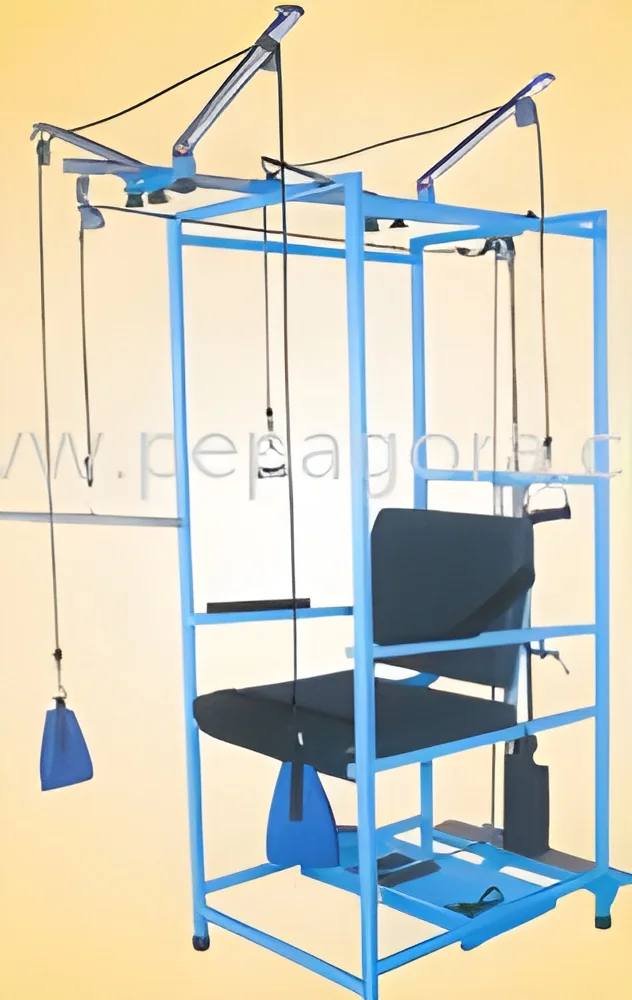
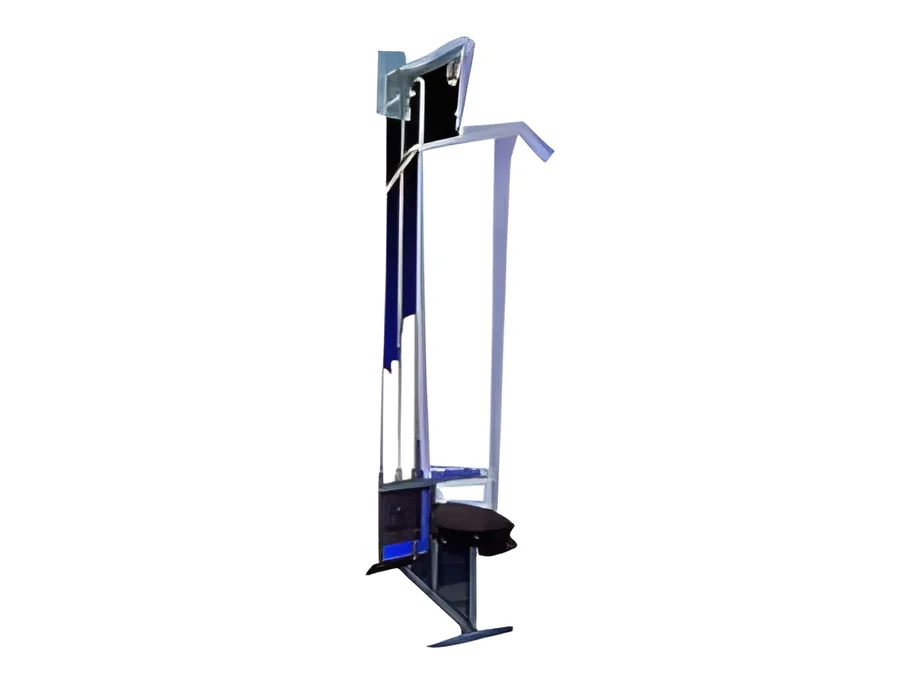
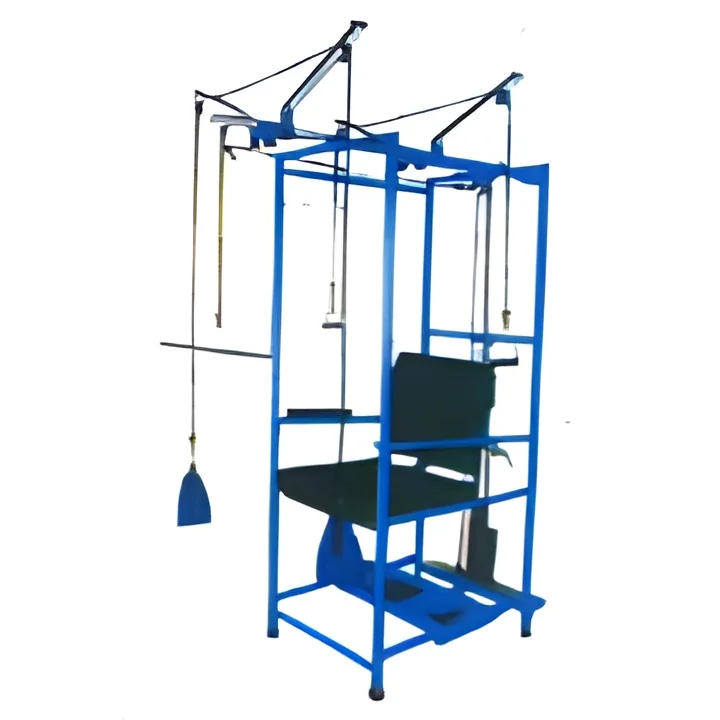
Shoulder pulleys are specialized rehabilitation devices designed to assist with shoulder mobility and range of motion. They typically consist of a pulley system attached to a strap that a user can pull to perform various exercises. This simple yet effective setup allows individuals to engage in physical therapy or exercise routines that require controlled movement of the shoulder joint, making it an essential tool for both patients and healthcare professionals.
These devices are primarily utilized in physical therapy settings, hospitals, and rehabilitation centers. They help patients recover from injuries, surgeries, or conditions that limit shoulder movement. By facilitating exercises that improve strength and flexibility, shoulder pulleys play a crucial role in rehabilitation programs. Their ease of use and effectiveness have led to their adoption across various medical and fitness sectors, highlighting their importance in promoting patient recovery and enhancing overall shoulder function.
In the current market, shoulder pulleys are relevant not only in healthcare but also in fitness and wellness industries. As more individuals seek ways to enhance their physical health and recover from injuries, the demand for effective rehabilitation tools like shoulder pulleys continues to grow. Manufacturers are responding to this trend by offering a variety of products tailored to meet the needs of diverse users, from patients to fitness enthusiasts.
Key Features and Specifications
Shoulder pulleys come with several key features and specifications that enhance their usability and effectiveness. Understanding these specifications is crucial for selecting the right product for specific needs.
Key specifications include:
1. Design Type
- Typically wall-mounted or free-standing units
- Offers flexibility for different training environments
2. Material Composition
- Constructed from durable materials to withstand regular use
- Lightweight options available for easy transport
3. Pulley Mechanism
- Smooth operation with minimal friction for a seamless exercise experience
- Various pulley ratios to adjust resistance levels
4. Strap Length
- Adjustable lengths to accommodate users of different heights
- Ensures proper positioning for effective workouts
5. Weight Capacity
- Designed to support a wide range of user weights
- Ensures safety during use without risk of equipment failure
6. Portability
- Compact and lightweight designs for easy storage and transport
- Some models offer foldable features for convenience
7. User Instructions
- Includes manuals or guides for effective exercise routines
- Visual aids or diagrams to assist with proper use
In summary, shoulder pulleys are designed with essential features that enhance user experience and safety, making them an invaluable addition to rehabilitation and exercise programs.
Common Applications and Use Cases
Shoulder pulleys serve various industries, providing solutions for rehabilitation, fitness, and therapy.
1. Healthcare: In physical therapy clinics, shoulder pulleys are widely used to aid patients recovering from shoulder surgeries or injuries. They help improve flexibility and strength through guided exercises.
2. Fitness: Personal trainers utilize shoulder pulleys in their programs to enhance clients' shoulder strength and mobility. They are effective tools for warm-up exercises and strength training.
3. Sports Rehabilitation: Athletes recovering from shoulder injuries use shoulder pulleys to regain full range of motion. They are essential in tailored rehabilitation programs for various sports.
4. Occupational Therapy: Occupational therapists incorporate shoulder pulleys in rehabilitation plans to help clients regain functional movement. This is particularly useful for individuals returning to work post-injury.
5. Home Exercise: Many individuals purchase shoulder pulleys for home use to maintain shoulder health and prevent injury. They are ideal for daily stretching and strengthening routines.
6. Senior Care: In senior living facilities, shoulder pulleys are used to promote joint health and mobility among elderly residents, helping them stay active and engaged.
7. Military Rehabilitation: Shoulder pulleys are utilized in military rehab programs to assist personnel recovering from injuries sustained during service. They support a return to full physical capability.
Product Variants and Subcategories
Shoulder pulleys come in a range of variants, each designed to meet specific needs and preferences.
Standard Shoulder Pulley
This variant is designed for general use in physical therapy settings. It features a basic pulley system with adjustable straps, making it versatile for various exercises. It is suitable for patients recovering from injuries or surgeries.
Heavy-Duty Shoulder Pulley
This model is constructed with reinforced materials to support heavier loads. It is ideal for athletes or individuals undergoing rigorous rehabilitation. The heavy-duty design ensures durability and reliability during intense workouts.
Compact Shoulder Pulley
The compact version is designed for home use, featuring a lightweight and portable design. It is easy to store and transport, making it perfect for individuals who want to maintain their shoulder health at home or while traveling.
Benefits and Advantages
Shoulder pulleys offer numerous benefits that make them essential tools for rehabilitation and fitness.
1. Improved Range of Motion: Regular use of shoulder pulleys can significantly enhance shoulder flexibility, aiding in a faster recovery from injuries.
2. Strength Building: These devices help users build shoulder strength through resistance exercises, which is critical for rehabilitation and overall fitness.
3. Easy to Use: Shoulder pulleys are straightforward to operate, making them accessible for users of all ages and fitness levels.
4. Versatile Applications: They can be used in various settings, including clinics, gyms, and at home, providing flexibility for users.
5. Cost-Effective Solution: Compared to other rehabilitation equipment, shoulder pulleys are relatively affordable, making them an economical choice for therapy practices and personal use.
6. Promotes Independence: Patients can perform exercises at their own pace, fostering a sense of autonomy in their rehabilitation journey.
Buying Guide for B2B Buyers
When sourcing shoulder pulleys, it is essential to consider several key factors to ensure that you are making a well-informed purchase.
1. Quality Assessment: Evaluate the build quality and materials of the shoulder pulleys. Look for products that comply with industry standards for durability and safety.
2. Supplier Verification: Vet potential suppliers by checking their credentials and customer reviews. Ensure they have a track record of reliability and customer satisfaction.
3. Pricing and MOQ: Understand the pricing structures and any minimum order quantities. Compare costs among different suppliers to find the best value while ensuring quality.
4. Delivery and Lead Times: Inquire about shipping options and lead times to ensure timely delivery for your operations. Consider suppliers that offer flexible logistics solutions.
5. Compliance Requirements: Verify that the shoulder pulleys meet regulatory standards relevant to your industry, including any necessary certifications for safety and quality.
Compliance and Certifications
Shoulder pulleys must adhere to specific quality standards and industry certifications to ensure their safety and effectiveness.
Relevant quality standards, such as ISO 9001, guarantee that products meet international benchmarks for quality management systems. This ensures consistent manufacturing practices that yield reliable products.
Industry certifications like CE and UL indicate that the shoulder pulleys have passed rigorous safety and performance testing. These certifications reassure buyers about the product's safety for use in clinical and personal settings.
Additionally, safety and testing requirements are crucial to ensure that shoulder pulleys can withstand regular use without compromising functionality. Manufacturers should provide documentation to verify compliance with these requirements.
Regional compliance considerations may vary depending on the market. Understanding local regulations is essential for buyers to ensure that the products meet all legal standards for sale and use.
Why Source Shoulder Pulleys from Pepagora?
Pepagora provides a trusted platform for sourcing shoulder pulleys with several key advantages that cater to B2B buyers.
Verified Supplier Network: Pepagora connects buyers with a network of verified suppliers, ensuring that all listed products meet high standards of quality and reliability. This network facilitates confidence in purchasing decisions.
Streamlined RFQ Process: The Request for Quotation (RFQ) process on Pepagora allows buyers to easily compare offers from multiple suppliers. This streamlined approach saves time and helps buyers find the best deals efficiently.
Trade Assurance and Support: Pepagora offers trade assurance and dedicated support to buyers, ensuring that transactions are protected and any issues are promptly addressed. This feature enhances buyer confidence in their purchases.
Regional Coverage: With a strong presence in India, the GCC, and Southeast Asia, Pepagora provides extensive regional coverage for sourcing shoulder pulleys. This geographical reach allows buyers to connect with local suppliers and access a diverse range of products.

 IN
IN