What are Rehabilitation Walkers & Rollators?
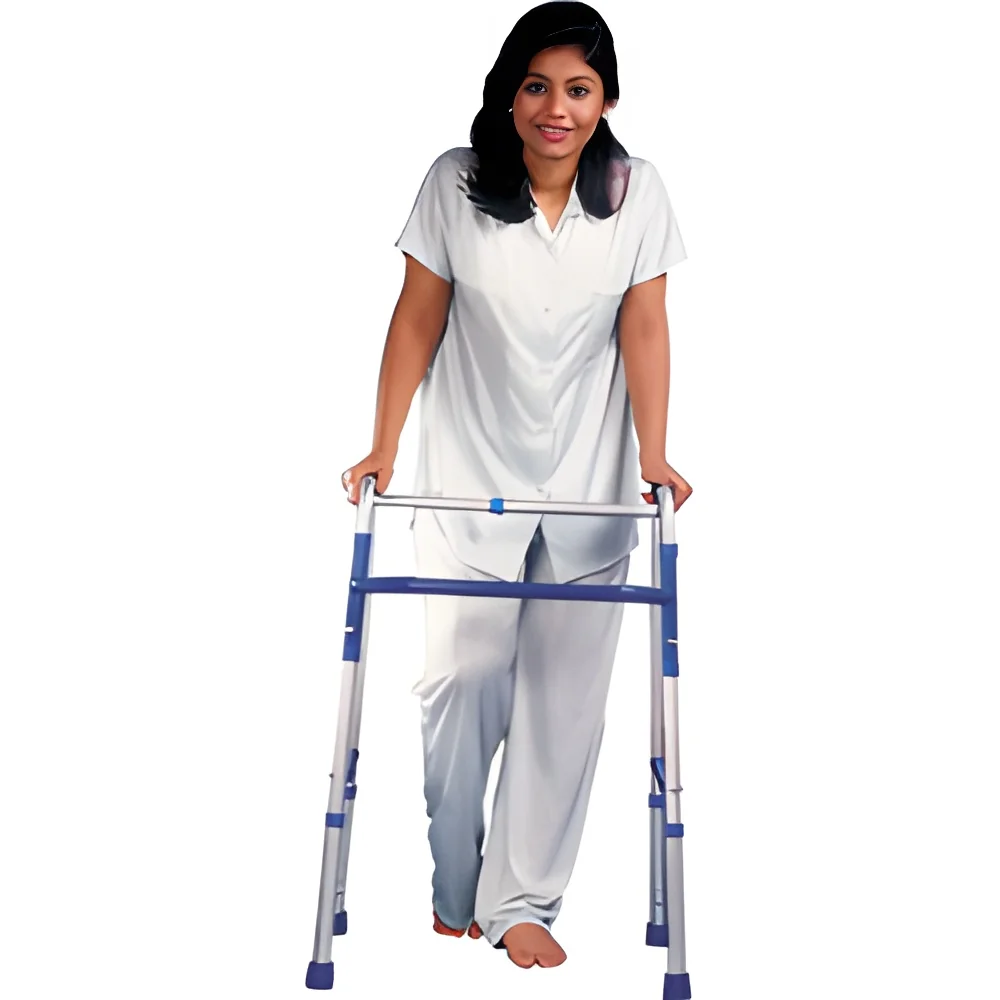
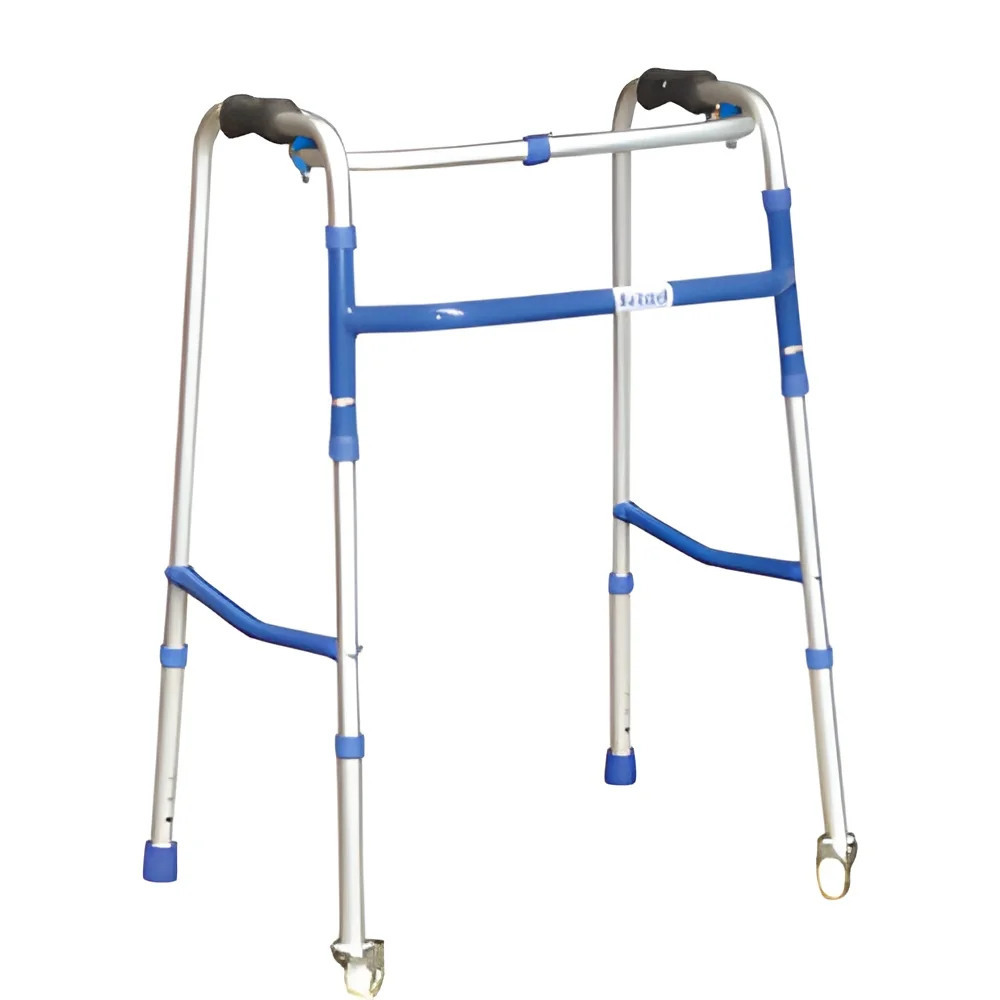
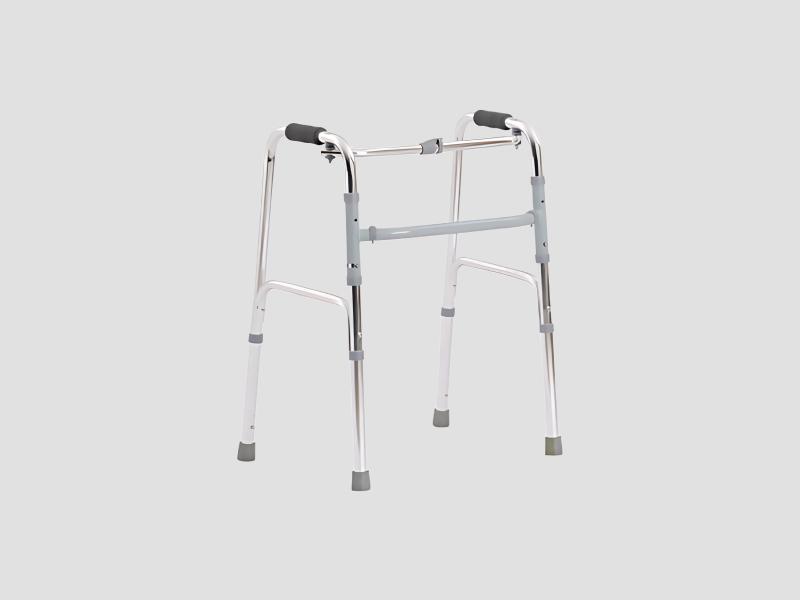
Rehabilitation walkers and rollators are mobility aids designed to assist individuals with limited mobility in maintaining independence and improving their walking ability. Walkers typically feature a simple frame with handgrips and legs for support, while rollators come equipped with wheels for easier movement, often including a seat for resting. Both types of devices provide stability, support, and safety for users who may be recovering from surgery, injury, or age-related mobility issues.
These products are primarily used in healthcare settings, rehabilitation centers, and home care environments. They are essential tools for therapists and caregivers who aim to enhance patient mobility and facilitate recovery processes. Businesses in the medical supplies industry, rehabilitation services, and home health care benefit from offering these products, as they cater to an increasing demand for mobility solutions among an aging population and individuals with disabilities.
The market for rehabilitation walkers and rollators has grown significantly due to rising awareness of mobility solutions and advancements in product design. As more individuals seek to enhance their quality of life through improved mobility, the relevance of these products in the healthcare sector continues to expand. This has led to increased competition among suppliers, making it essential for businesses to understand the features and specifications that distinguish various models.
Key Features and Specifications
Rehabilitation walkers and rollators come with a variety of features designed to enhance user experience and safety. These devices are engineered to meet specific needs, providing a range of specifications to accommodate different individuals and settings.
Key specifications include:
1. Weight Capacity
- Most walkers and rollators support a weight range of 250 to 400 pounds, catering to various user needs.
2. Height Adjustment
- Adjustable height features allow for customization, typically ranging from 30 to 38 inches to accommodate different user heights.
3. Wheel Size
- Rollators may have wheel sizes ranging from 6 to 8 inches, enhancing maneuverability on various surfaces.
4. Frame Material
- Common materials include aluminum and steel, providing durability while remaining lightweight for ease of transport.
5. Braking System
- Many rollators feature hand brakes for added safety, allowing users to stop quickly and securely.
6. Foldability
- Most models can be folded for convenient storage and transportation, an essential feature for users with limited space.
7. Seat and Backrest
- Rollators often include a padded seat and backrest for comfort during rest periods.
8. Accessories
- Features such as baskets, trays, and cup holders enhance functionality and user convenience.
These specifications contribute to the overall performance and user satisfaction of rehabilitation walkers and rollators, ensuring they meet the diverse needs of users.
Common Applications and Use Cases
Rehabilitation walkers and rollators are utilized across various industries, providing essential support in numerous scenarios.
1. Healthcare: Hospitals and rehabilitation centers use these devices to assist patients recovering from surgery or injury, promoting mobility and independence.
2. Home Health Care: Caregivers employ walkers and rollators in home settings, allowing clients to move safely within their living spaces while maintaining comfort.
3. Elderly Care: Assisted living facilities incorporate these mobility aids to help residents navigate their environment more easily and safely.
4. Physical Therapy: Therapists utilize walkers and rollators during rehabilitation sessions, helping patients regain strength and coordination.
5. Orthopedic Clinics: These devices are recommended for patients with orthopedic conditions, aiding in post-operative recovery and mobility improvement.
6. Sports Medicine: Athletes recovering from injuries may use walkers and rollators as part of their rehabilitation process to safely regain mobility.
7. Community Programs: Senior centers and community health programs promote these devices to encourage active lifestyles among older adults.
Product Variants and Subcategories
Rehabilitation walkers and rollators come in various models, each designed to cater to specific user needs and preferences.
Standard Rollator
This variant features a lightweight frame, large wheels for easy navigation, and a comfortable seat. It is ideal for users who need support while walking and want the option to rest when needed.
Heavy-Duty Walker
Designed for users requiring additional support, this walker has a reinforced frame with a higher weight capacity. It is suitable for individuals recovering from significant injuries or surgeries.
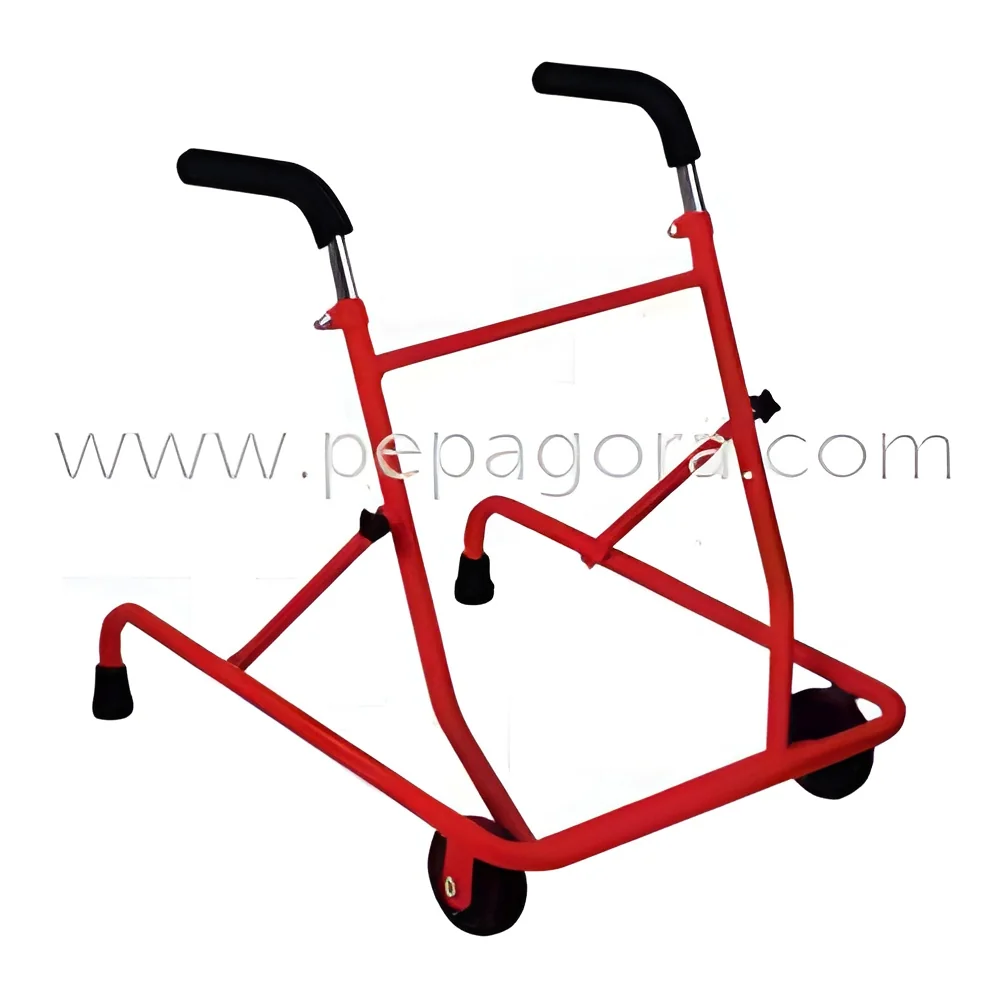
Pediatric Walker
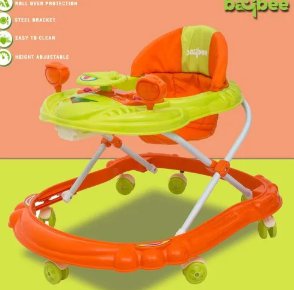
Specially designed for children, this walker features smaller dimensions and adjustable handles. It provides essential support for young users requiring mobility assistance.
Transport Rollator
This variant includes a built-in transport seat, allowing caregivers to assist users over longer distances. It is particularly useful in healthcare settings for moving patients safely.
Benefits and Advantages
Rehabilitation walkers and rollators provide numerous benefits that enhance user mobility and quality of life.
1. Improved Mobility: These devices enable users to move safely and confidently, reducing the risk of falls and injuries.
2. Enhanced Independence: Users can navigate their environment with minimal assistance, fostering a sense of autonomy and self-reliance.
3. Increased Stability: The design of walkers and rollators offers crucial support, making them ideal for individuals with balance issues.
4. Comfort Features: Many models include padded seats and ergonomic grips, enhancing user comfort during use.
5. Versatility: These mobility aids are suitable for various environments, from homes to healthcare facilities, making them adaptable to diverse needs.
6. Safety Assurance: Equipped with braking systems and sturdy frames, these devices prioritize user safety while in motion.
Buying Guide for B2B Buyers
When sourcing rehabilitation walkers and rollators, buyers should consider several key factors to ensure they make informed purchasing decisions.
1. Quality Assessment: Evaluate the materials and construction of walkers and rollators to ensure they meet durability standards and safety requirements.
2. Supplier Verification: Conduct thorough checks on suppliers, including their reputation, product range, and customer reviews, to ensure reliability.
3. Pricing and MOQ: Understand the pricing structure and minimum order quantities (MOQ) to align with budgetary constraints and inventory needs.
4. Delivery and Lead Times: Discuss logistics and shipping timelines with suppliers to ensure timely delivery that aligns with business requirements.
5. Compliance Requirements: Verify that products meet necessary regulatory standards, such as CE certifications, to ensure safety and marketability.
Compliance and Certifications
Rehabilitation walkers and rollators must adhere to relevant quality standards and industry certifications to ensure safety and reliability.
ISO 9001 certification is often sought by manufacturers, ensuring they maintain a high standard of quality management throughout their production processes. Compliance with the CE marking indicates that the product meets European health, safety, and environmental protection standards.
Safety and testing requirements are critical for these mobility aids. Manufacturers must conduct rigorous testing to ensure stability, durability, and performance under typical usage conditions.
Additionally, regional compliance considerations may vary. It is essential for buyers to understand local regulations and requirements in their target markets to ensure that the products they source are compliant.
Why Source Rehabilitation Walkers & Rollators from Pepagora?
Pepagora offers a trusted platform for sourcing rehabilitation walkers and rollators with several key advantages.
Verified Supplier Network: Pepagora connects buyers with a network of verified suppliers, ensuring that all listed products meet high-quality standards. This reduces the risk of sourcing subpar products and enhances buyer confidence.
Streamlined RFQ Process: The platform features a user-friendly request for quotation (RFQ) system that allows buyers to easily request prices and product details from multiple suppliers. This simplifies the sourcing process and promotes competitive pricing.
Trade Assurance and Support: Pepagora provides trade assurance, protecting buyers in their transactions. This includes support for resolving disputes and ensuring that products meet the agreed-upon specifications.
Regional Coverage: With a broad reach in regions including India, GCC, and Southeast Asia, Pepagora allows buyers to access a diverse range of products while benefiting from local supplier options. This regional focus enhances logistics and delivery efficiency for businesses looking to source rehabilitation walkers and rollators.

 IN
IN