
 IN
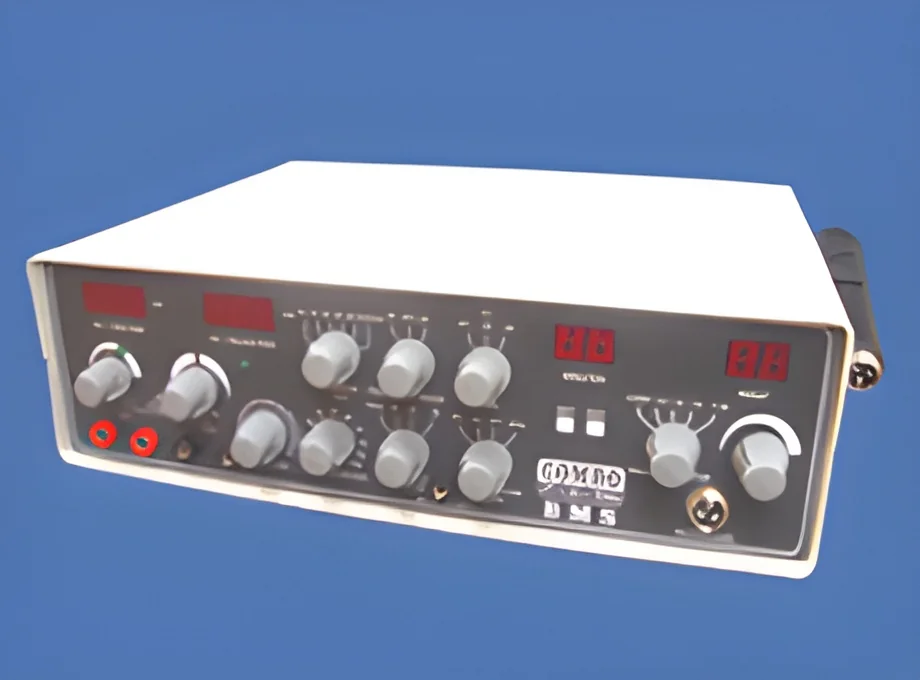
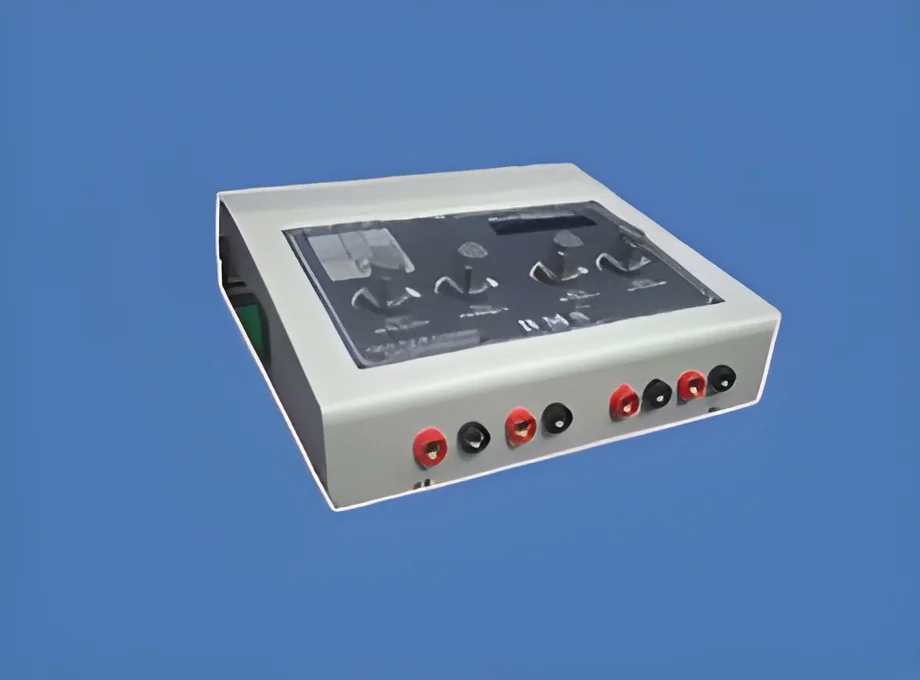
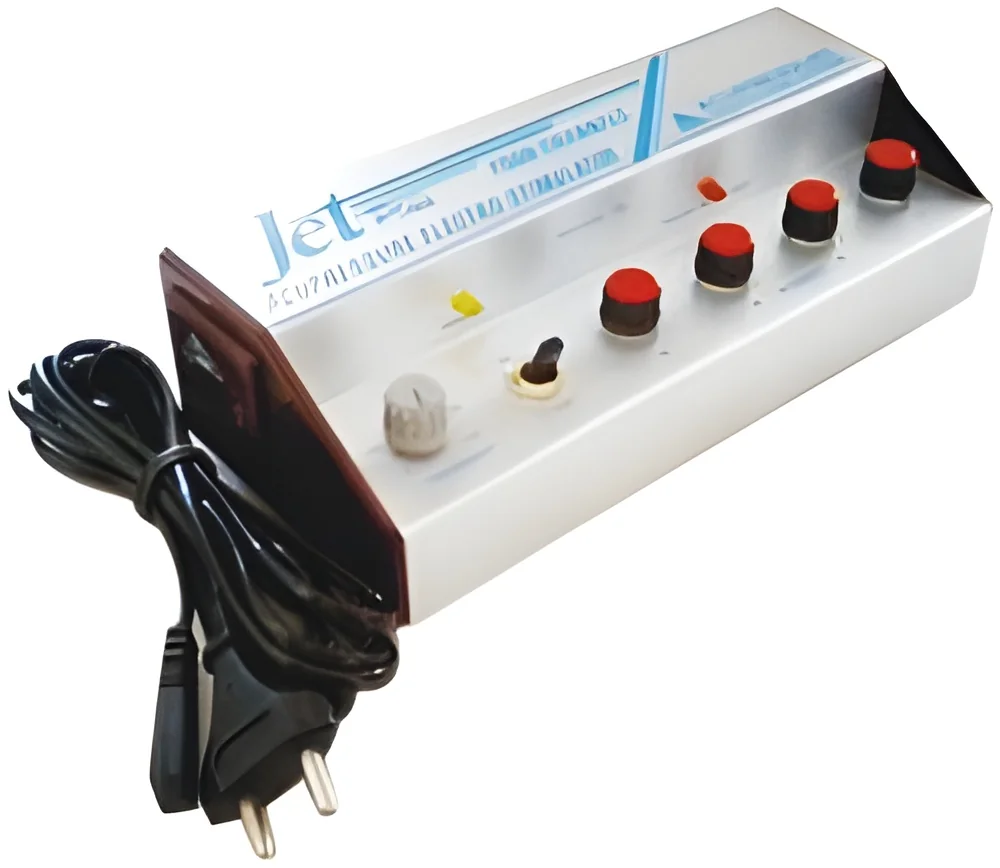
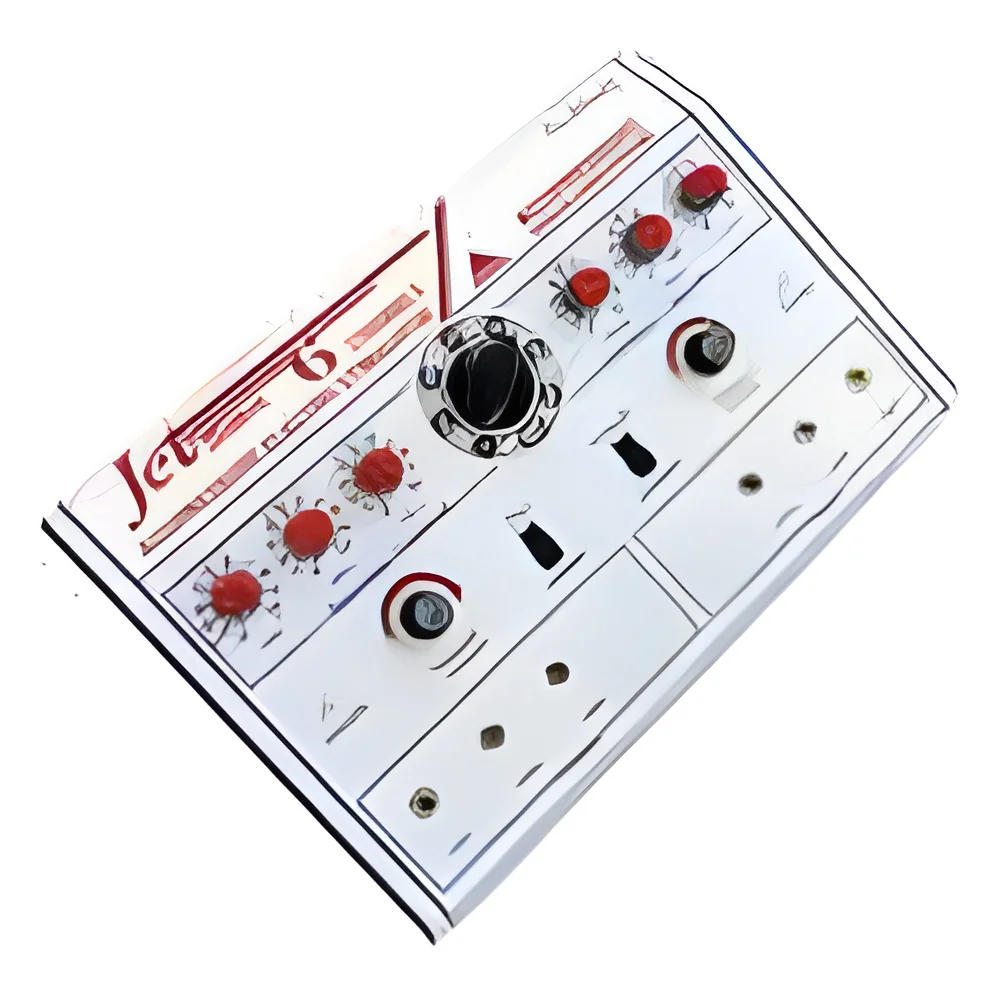
TENS Machines (Transcutaneous Electrical Nerve Stimulation)
9 products available
Key Features and Specifications
TENS machines come equipped with a range of features that enhance their usability and effectiveness. These specifications are crucial for businesses looking to purchase or incorporate TENS machines into their operations.
Key specifications include:
1. Output Levels
- Adjustable output levels to customize treatment intensity
- Typically ranges from 0 to 100 mA
2. Pulse Width
- Adjustable pulse width for different types of pain relief
- Standard range between 50 to 400 microseconds
3. Frequency Settings
- Multiple frequency settings to accommodate various pain conditions
- Commonly ranges from 1 to 150 Hz
4. Timer Function
- Built-in timer for session duration control
- Options for 15, 30, or 60 minutes
5. Electrode Pads
- Reusable and self-adhesive electrode pads for ease of use
- Various sizes available for different treatment areas
6. Portability
- Compact and lightweight design allows for easy transportation
- Battery-operated options available for convenience
7. Display
- LCD display for clear reading of settings and levels
- User-friendly interface for ease of operation
8. Safety Features
- Built-in safety mechanisms to prevent overheating and overuse
- Compliance with medical device regulations
In summary, the features and specifications of TENS machines make them versatile tools for effective pain management in various settings.
Common Applications and Use Cases
TENS machines are utilized across multiple industries due to their therapeutic benefits.
1. Healthcare: Hospitals and clinics use TENS machines for pain management in patients with chronic pain conditions, postoperative recovery, and injury rehabilitation.
2. Physical Therapy: Physical therapists incorporate TENS therapy into treatment plans to enhance recovery and alleviate discomfort during rehabilitation exercises.
3. Sports Medicine: Athletic trainers use TENS machines to manage pain and promote recovery for athletes experiencing muscle soreness or injuries.
4. Home Care: Individuals seeking non-invasive pain relief often use TENS machines at home for managing conditions such as arthritis or fibromyalgia.
5. Chiropractic Practices: Chiropractors integrate TENS therapy into treatment sessions to assist in pain relief and muscle relaxation.
6. Palliative Care: TENS machines are employed in palliative care settings to improve the quality of life for patients with terminal illnesses by managing pain effectively.
7. Occupational Therapy: Occupational therapists use TENS devices to help clients manage pain while performing daily activities or therapy exercises.
Product Variants and Subcategories
TENS machines come in various forms to meet different user needs and preferences.
Basic TENS Unit
These units are designed for straightforward pain relief, featuring simple controls and essential functions. They are suitable for home users and individuals seeking a no-frills approach to pain management.
Digital TENS Unit
Digital models offer advanced features such as programmable settings, multiple modes, and enhanced display screens. These units are ideal for healthcare professionals and users who want a customized therapy experience.
Portable TENS Unit
These compact devices are designed for on-the-go use, allowing users to manage pain anywhere. They typically come with rechargeable batteries and a lightweight design, making them convenient for daily activities.
Benefits and Advantages
TENS machines offer a variety of benefits that make them appealing to both consumers and healthcare providers.
1. Non-Invasive Pain Relief: TENS therapy provides effective pain management without the need for medication, reducing the risk of side effects.
2. Customizable Treatment: Users can adjust settings to suit their individual pain levels and preferences, ensuring personalized therapy.
3. Ease of Use: Many TENS machines feature user-friendly interfaces that allow for easy operation, making them accessible for users of all ages.
4. Portability: Compact designs enable users to take TENS machines anywhere, allowing for convenient pain relief on the go.
5. Cost-Effectiveness: Compared to long-term medication use, TENS machines can be a more economical solution for managing chronic pain.
6. Versatility: TENS machines can be used for a range of conditions, from acute injuries to chronic pain syndromes, making them suitable for various applications.
Buying Guide for B2B Buyers
When sourcing TENS machines, businesses should consider several crucial factors to ensure they make informed purchasing decisions.
1. Quality Assessment: Evaluate the quality of TENS machines by reviewing product specifications, user reviews, and performance data to ensure they meet industry standards.
2. Supplier Verification: Conduct thorough research on suppliers, checking their credentials, certifications, and customer feedback to verify their reliability and reputation.
3. Pricing and MOQ: Understand the price range and minimum order quantities required by suppliers, ensuring that they align with your budget and demand.
4. Delivery and Lead Times: Discuss logistics with suppliers, focusing on delivery schedules and lead times to ensure timely availability of products.
5. Compliance Requirements: Ensure that TENS machines meet relevant regulatory and safety standards, such as CE marking, to comply with industry requirements.
Compliance and Certifications
Compliance and certifications are essential for ensuring the quality and safety of TENS machines.
TENS machines should meet relevant quality standards such as ISO 9001, which ensures consistency in manufacturing processes and product quality. Compliance with HACCP (Hazard Analysis Critical Control Point) may also be necessary for specific applications to ensure safety in health-related environments.
Industry certifications like CE and UL signify that TENS machines have undergone rigorous testing and meet safety standards for use in various markets. These certifications are crucial for businesses looking to ensure product reliability and safety.
In addition, TENS machines must adhere to safety and testing requirements mandated by regulatory bodies. This includes ensuring the devices are tested for electrical safety and performance under various conditions.
Businesses should also consider regional compliance needs, as regulations may vary across different markets. Understanding these requirements is vital for ensuring that TENS machines can be marketed and used safely in specific locations.
Why Source TENS Machines (Transcutaneous Electrical Nerve Stimulation) from Pepagora?
Pepagora provides a trusted platform for sourcing TENS machines with several key advantages.
Verified Supplier Network: Pepagora offers access to a network of verified suppliers, ensuring that businesses can find reputable manufacturers of high-quality TENS machines. This network is essential for reducing risks associated with sourcing.
Streamlined RFQ Process: The platform features a streamlined Request for Quotation (RFQ) process that allows buyers to easily compare quotes from multiple suppliers. This efficiency helps businesses make quicker purchasing decisions.
Trade Assurance and Support: Buyers benefit from trade assurance programs that protect their investments and provide support throughout the purchasing process. This security is vital for building confidence in supplier relationships.
Regional Coverage: Pepagora has a wide geographic reach, covering markets in India, the GCC, and Southeast Asia. This extensive network enables businesses to source TENS machines tailored to their specific regional needs and preferences.

Frequently Asked Questions
What are TENS Machines (Transcutaneous Electrical Nerve Stimulation)?
TENS Machines are devices that use low-voltage electrical currents to relieve pain. They work by stimulating the nerves through the skin, which can help to reduce the perception of pain in the body.
What are the different types of TENS Machines (Transcutaneous Electrical Nerve Stimulation)?
There are several types of TENS Machines, including battery-operated devices, rechargeable models, and those with multiple settings for different pain relief modes. Some machines are designed for specific conditions, while others are more versatile for general use.
How do I choose the right TENS Machines (Transcutaneous Electrical Nerve Stimulation)?
When selecting a TENS Machine, consider factors such as the intensity levels, number of channels, portability, and any specific features suited to your needs. It is also beneficial to consult with a healthcare professional for recommendations based on your condition.
What are the standard specifications for TENS Machines (Transcutaneous Electrical Nerve Stimulation)?
Standard specifications for TENS Machines typically include adjustable frequency and pulse width settings, battery life, and the number of electrodes. Many machines also come with features like timers and various modes for personalized treatment.
What is the price range for TENS Machines (Transcutaneous Electrical Nerve Stimulation)?
The price of TENS Machines can vary widely, typically ranging from INR 1,500 to INR 25,000 or more, depending on the brand, features, and specifications. Budget-friendly options are available, but higher-priced models often offer advanced functionalities.
What quality standards apply to TENS Machines (Transcutaneous Electrical Nerve Stimulation)?
TENS Machines should comply with various quality standards, including ISO 13485 for medical devices and CE marking in Europe. In India, it is important to ensure that the device is approved by the Central Drugs Standard Control Organization (CDSCO).
Where can I find TENS Machines (Transcutaneous Electrical Nerve Stimulation) suppliers in India?
You can find TENS Machines suppliers in India through B2B marketplaces like Pepagora, medical equipment trade shows, and specialized health equipment retailers. Online directories and industry associations may also provide lists of manufacturers and suppliers.
Can TENS Machines (Transcutaneous Electrical Nerve Stimulation) be customized?
Yes, some manufacturers offer customization options for TENS Machines, such as specific settings, branding, and package configurations. It is advisable to discuss your requirements with suppliers to see what customization options are available.
What is the typical minimum order quantity for TENS Machines (Transcutaneous Electrical Nerve Stimulation)?
The typical minimum order quantity for TENS Machines can vary by supplier but generally ranges from 10 to 50 units. Larger orders may qualify for bulk pricing or discounts.
What is the typical lead time for TENS Machines (Transcutaneous Electrical Nerve Stimulation)?
The typical lead time for TENS Machines can range from 2 to 6 weeks, depending on the supplier, order size, and whether the machines are in stock. Custom orders may require additional time for production and delivery.
Why Businesses Trust Pepagora
Thousands of companies trust Pepagora to source smarter and sell faster
Expand Your Sales Globally

Source Smarter,Grow Faster
