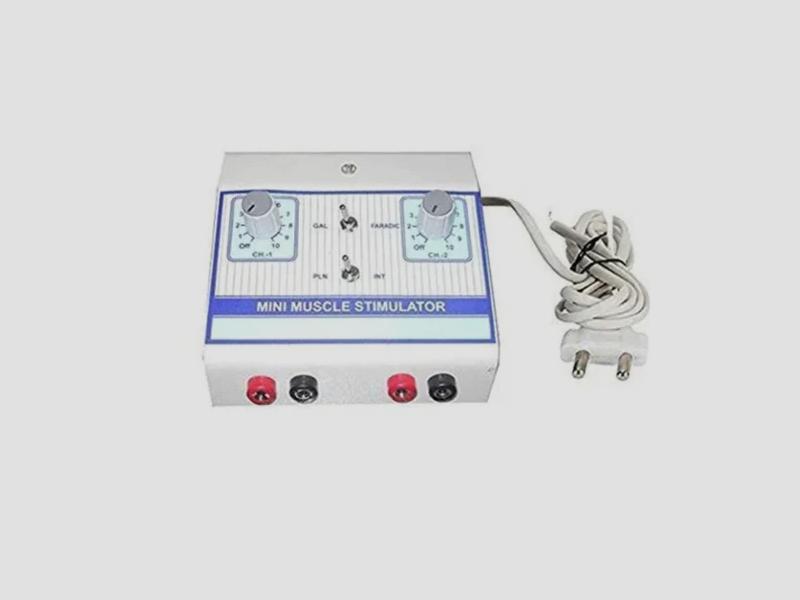
Key Features and Specifications
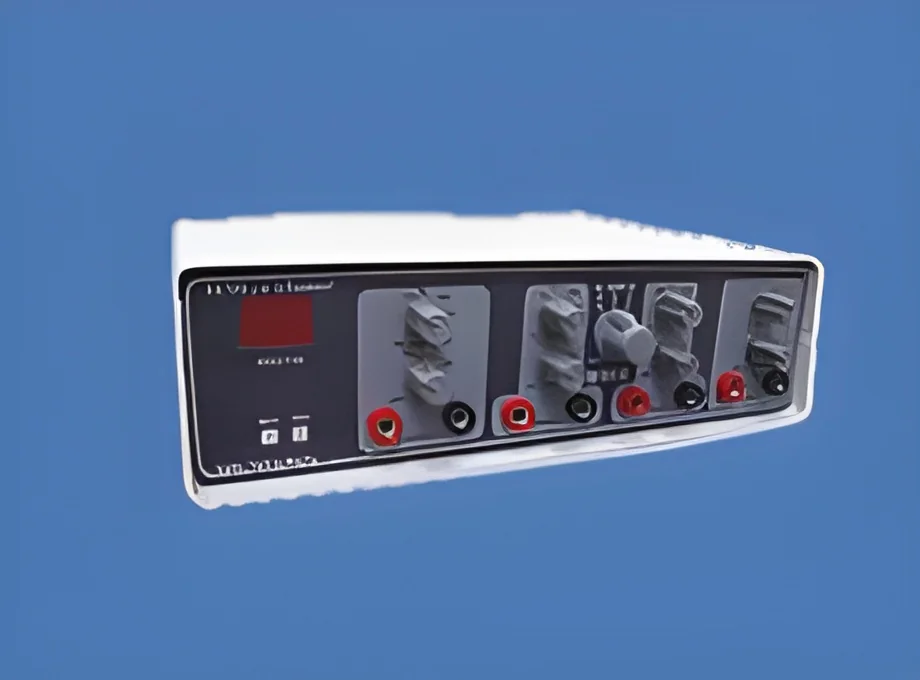
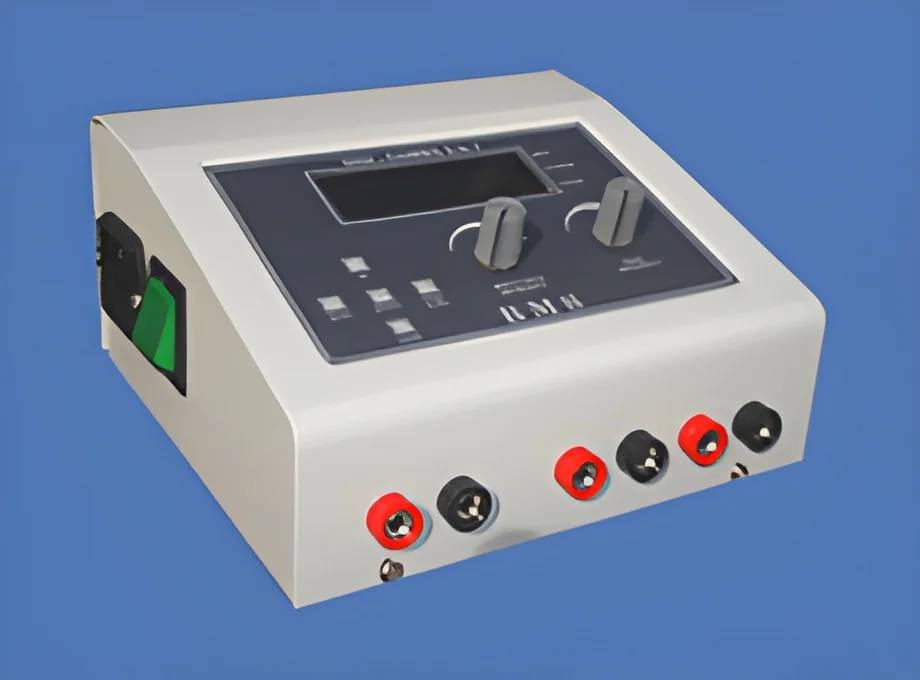
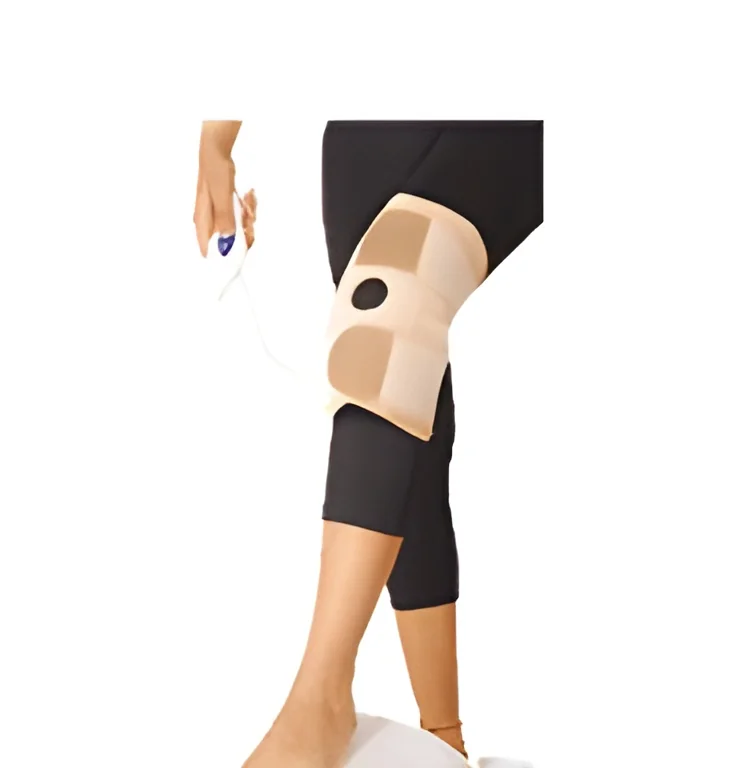
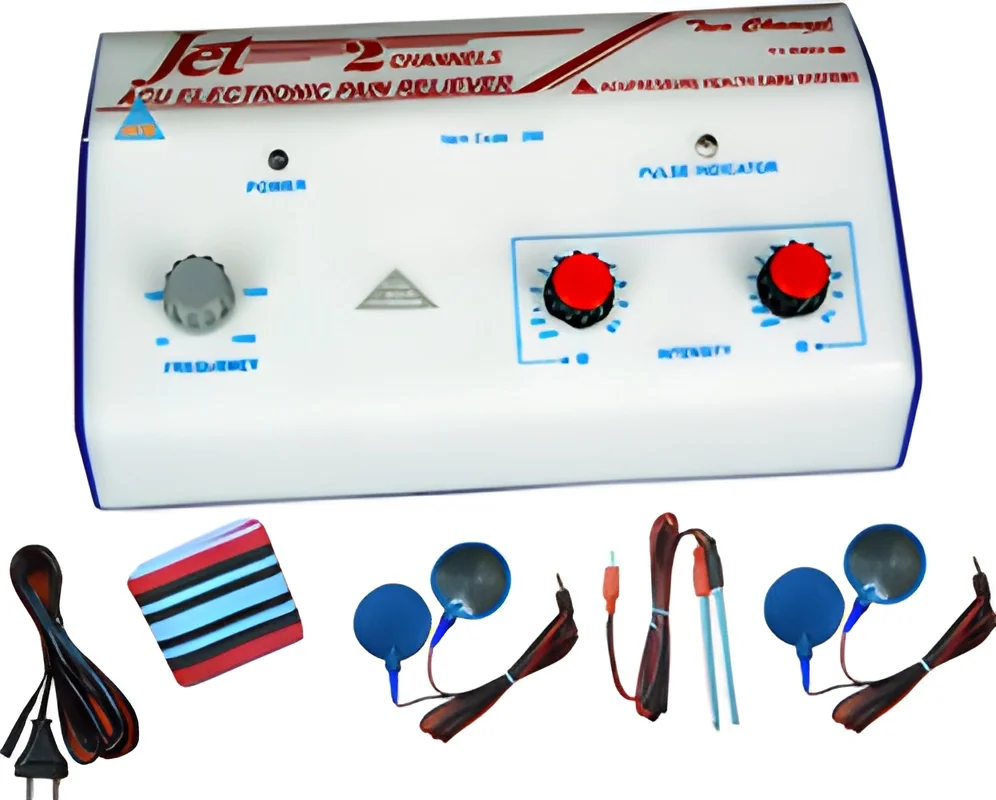
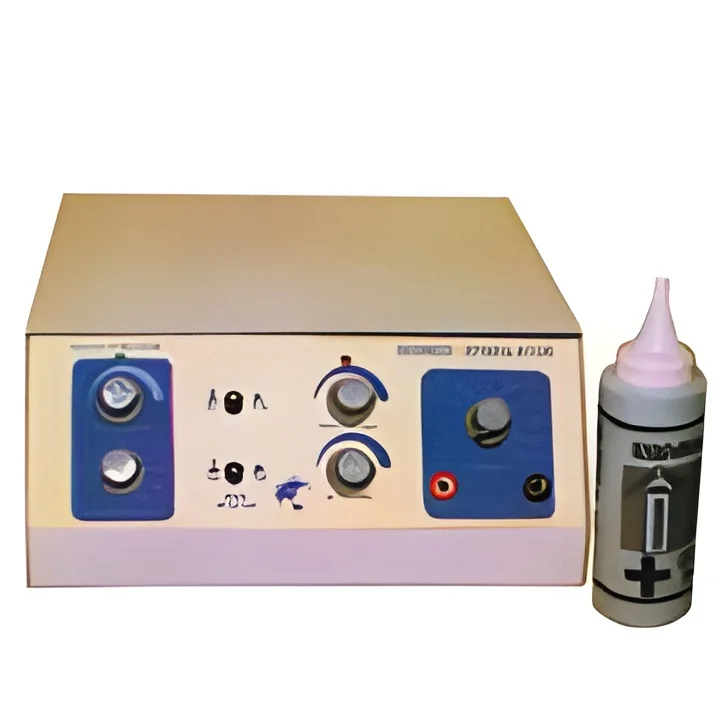
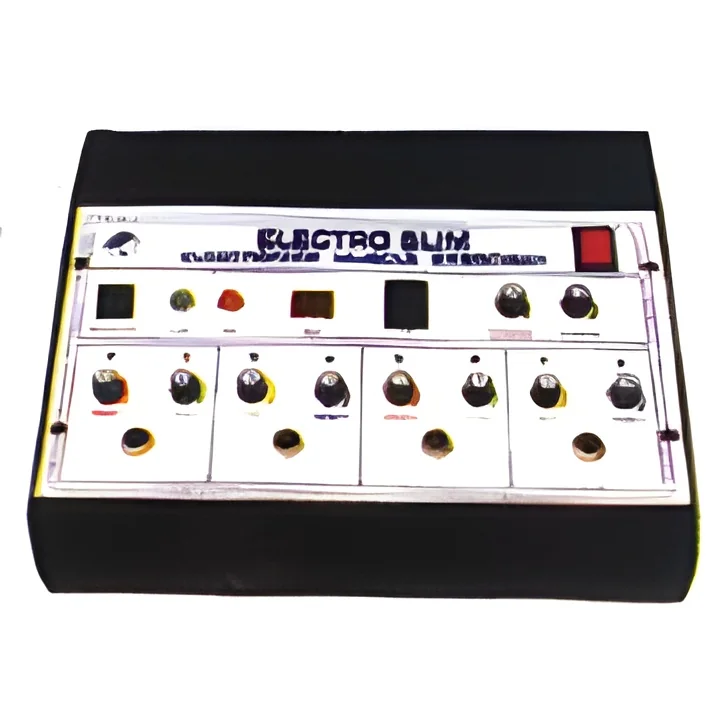
EMS devices come with various features designed to meet the needs of different users. These features include adjustable intensity levels, multiple pre-set programs, and portable designs. Understanding the specifications of these devices is crucial for selecting the right model for specific applications.
Key specifications include:
1. Adjustable Intensity Levels
- Allows users to customize the strength of electrical impulses
- Typically ranges from low to high intensity for various training levels
2. Multiple Pre-set Programs
- Provides specific settings for different muscle groups and training goals
- Common programs include strength training, recovery, and pain relief
3. Number of Channels
- Indicates how many muscle groups can be stimulated simultaneously
- Usually ranges from 1 to 8 channels
4. Power Supply
- Can be battery-operated or rechargeable
- Battery life varies between models, with some lasting several hours of continuous use
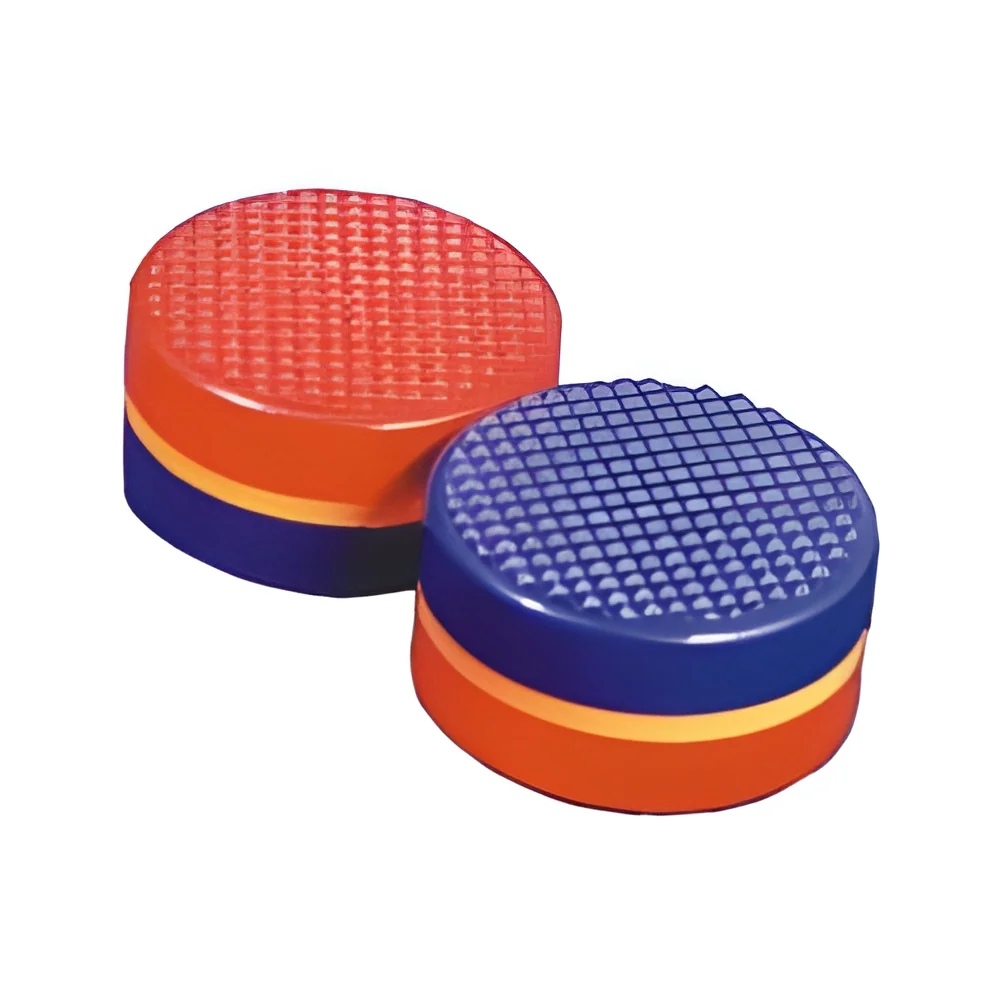
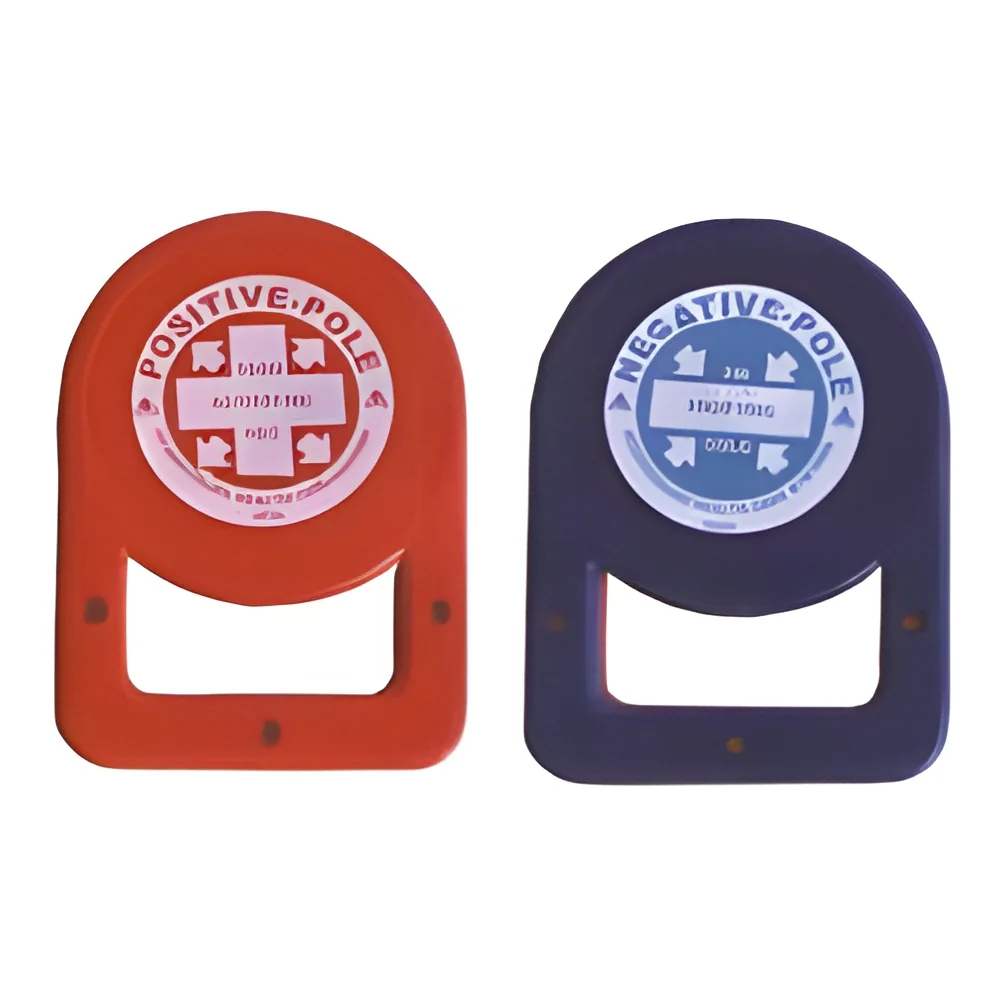
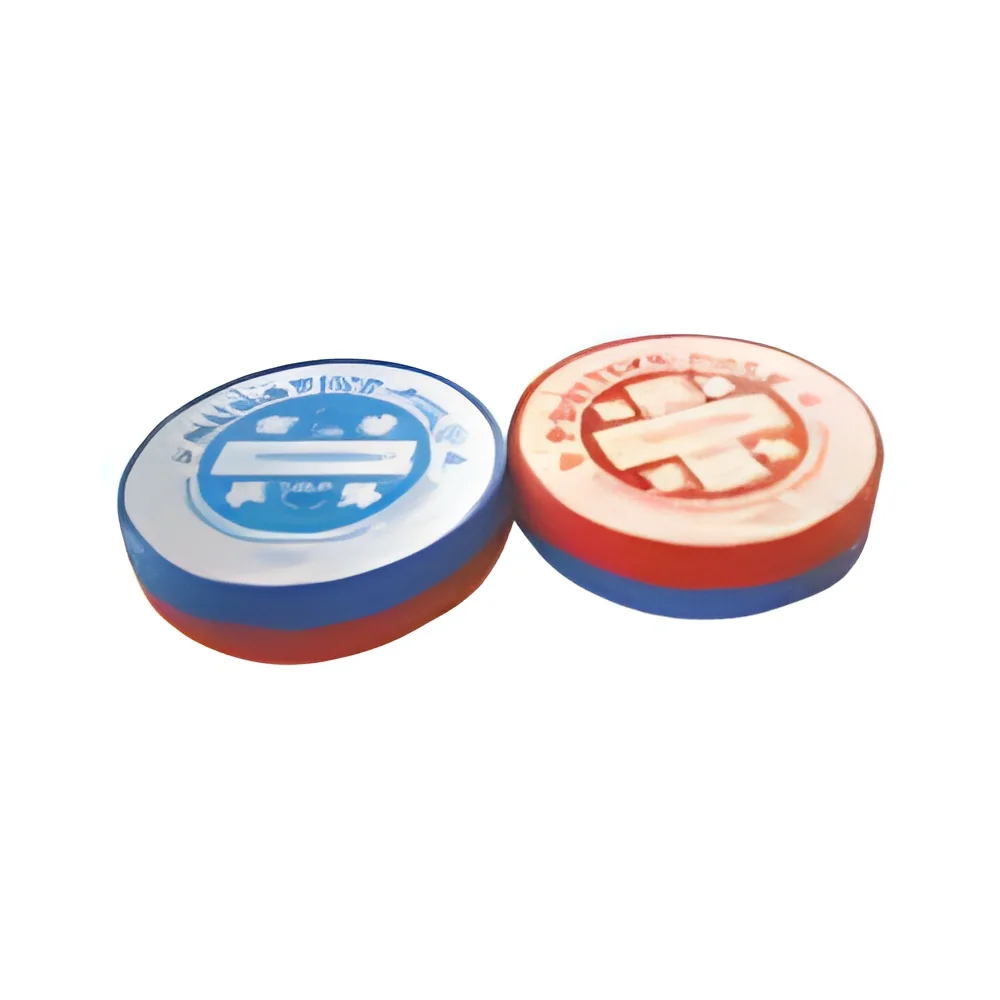
5. Electrode Pads
- Vary in size and material for different applications
- Reusable pads can last several sessions when properly cared for
6. Safety Features
- Includes automatic shut-off and intensity limiting functions
- Ensures safe usage during workouts or therapy sessions
7. User Interface
- Digital displays or touch screens for easy navigation
- User-friendly controls enhance the overall experience
8. Portability
- Compact designs for easy transport and use in various locations
- Ideal for both clinical settings and personal use at home
In summary, understanding the features and specifications of EMS devices is essential for selecting the appropriate equipment for specific needs, whether for rehabilitation or performance enhancement.
Common Applications and Use Cases
EMS devices are versatile tools applicable across several industries, each benefiting from their unique capabilities.
1. Healthcare: EMS devices are employed in physical therapy for muscle rehabilitation after surgeries or injuries. They assist in reducing muscle atrophy and enhancing recovery speed.
2. Sports and Fitness: Athletes use EMS for training and recovery purposes. It helps improve muscle strength, endurance, and overall performance by enhancing workout efficiency.
3. Personal Fitness: Many users incorporate EMS into their home fitness routines. These devices provide an effective way to engage muscles without heavy equipment or extensive workout sessions.
4. Aesthetic Medicine: EMS devices are utilized in beauty treatments aimed at muscle toning and skin tightening. They are popular in non-invasive cosmetic procedures.
5. Rehabilitation Centers: Facilities focused on recovery from sports injuries or surgeries often rely on EMS technology to aid patient recovery and improve outcomes.
6. Elderly Care: EMS devices are used to help older adults maintain muscle mass and mobility, contributing to improved quality of life and independence.
7. Veterinary Medicine: EMS is increasingly being used in veterinary practices to assist in the rehabilitation of injured animals, promoting quicker recovery and better mobility.
Product Variants and Subcategories
EMS devices come in various forms, each designed for specific applications and user needs.
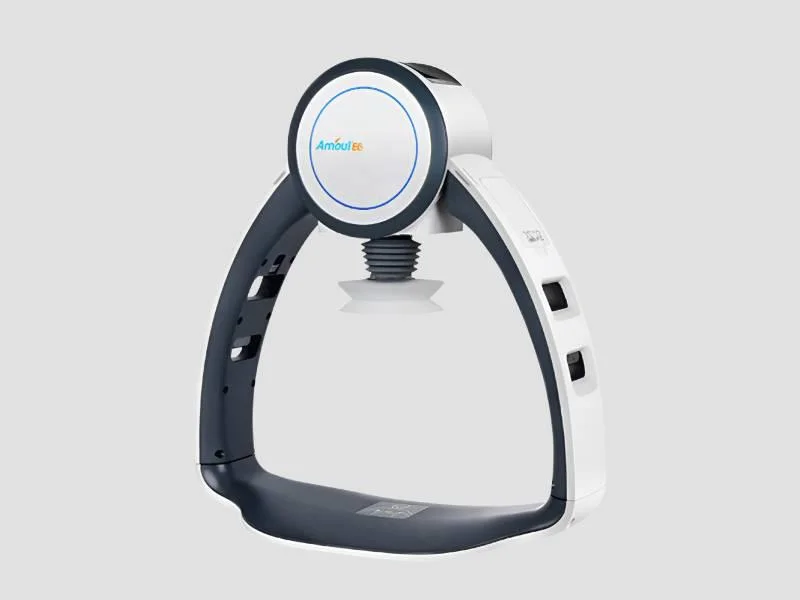
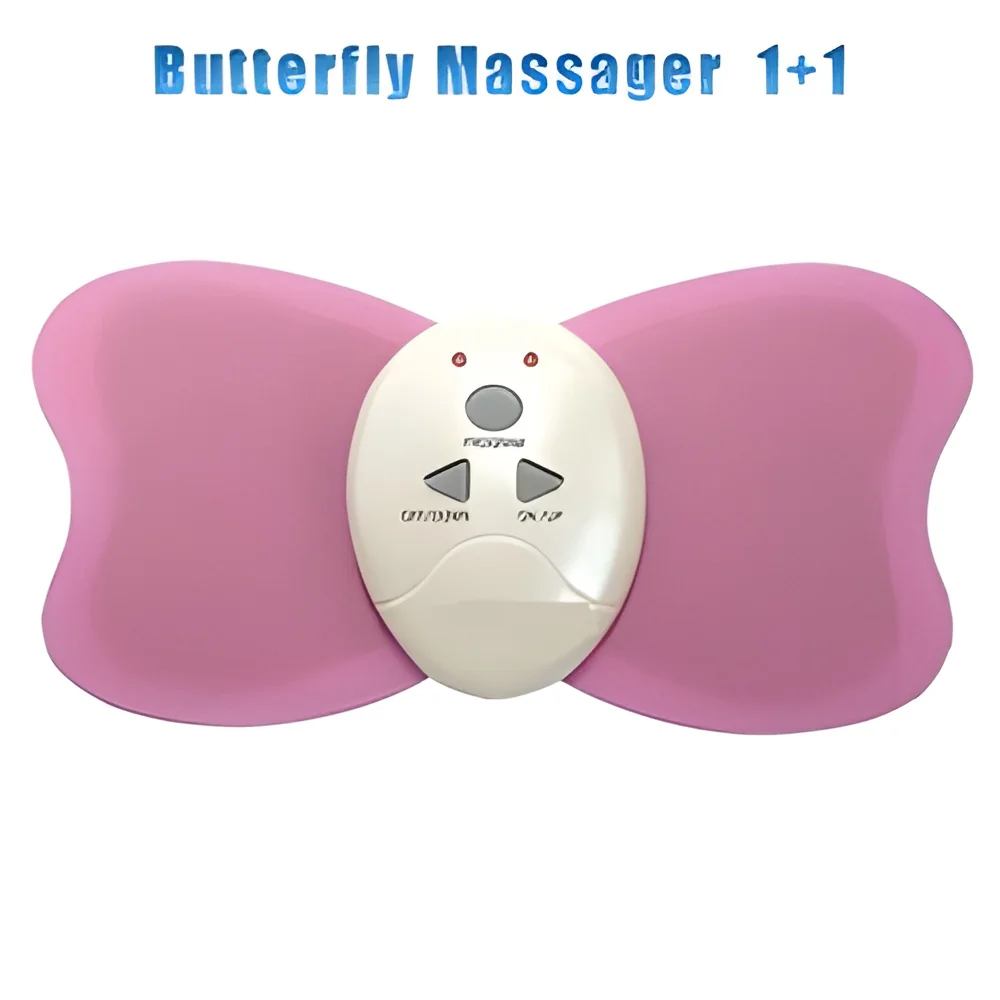
Portable EMS Units
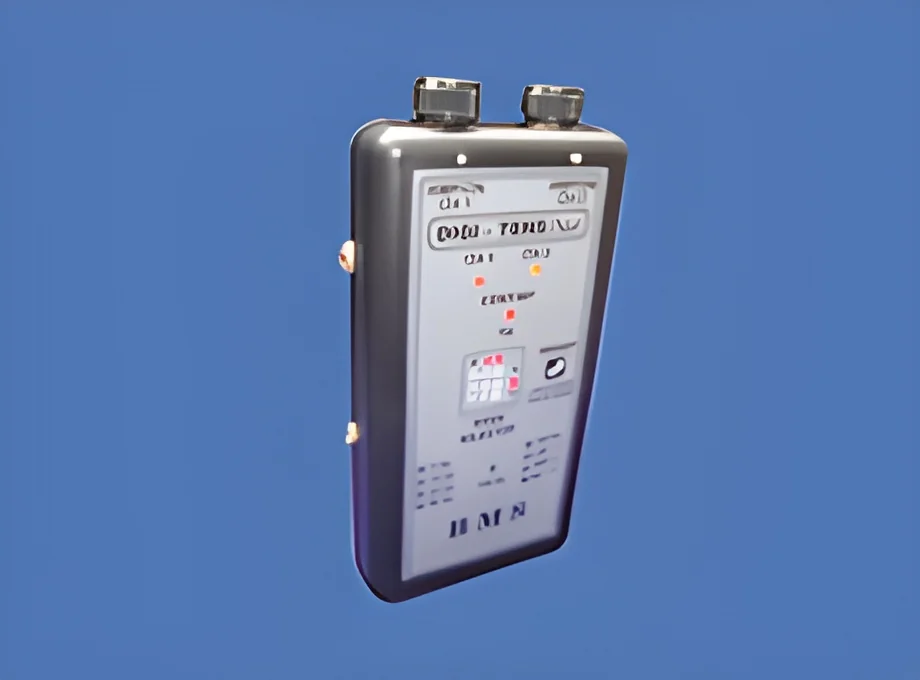
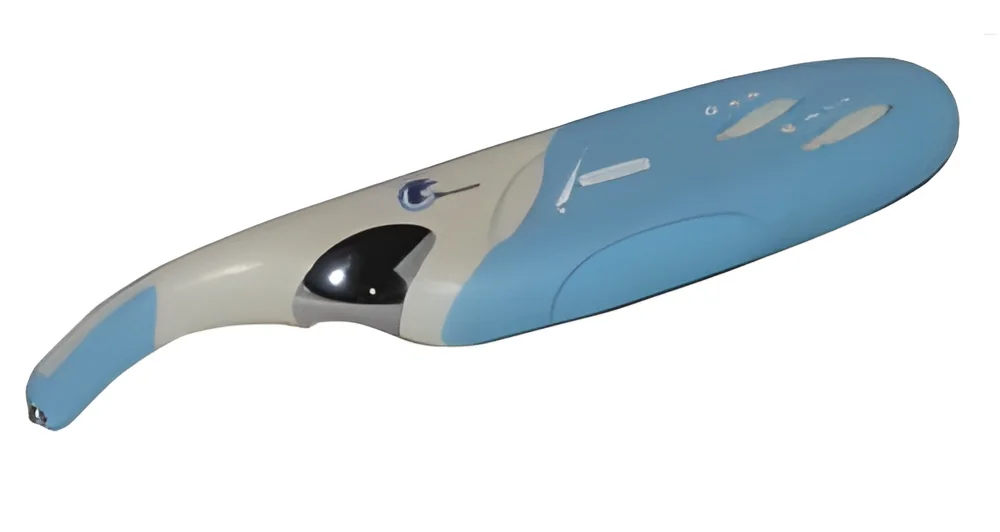
These compact devices are designed for personal use, making them ideal for home workouts and travel. They typically come with multiple pre-set programs and adjustable intensity levels.
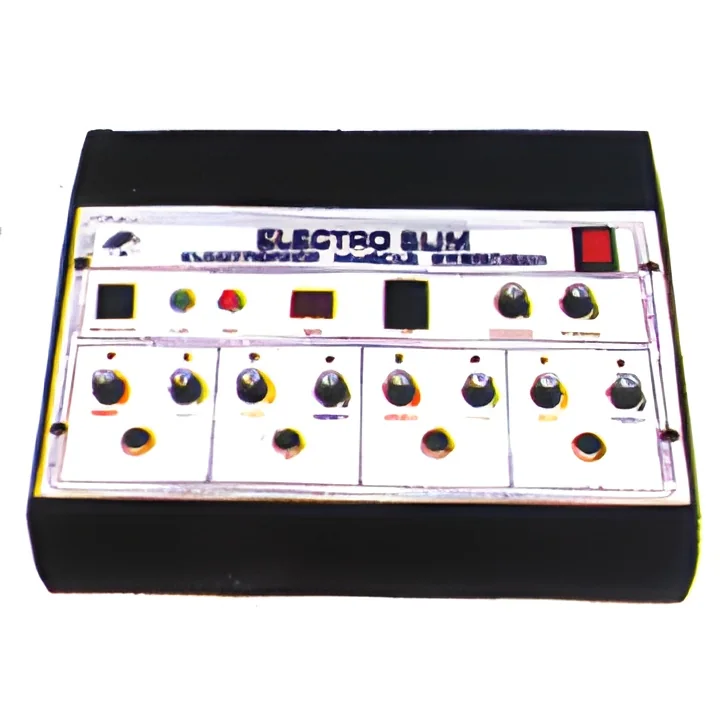
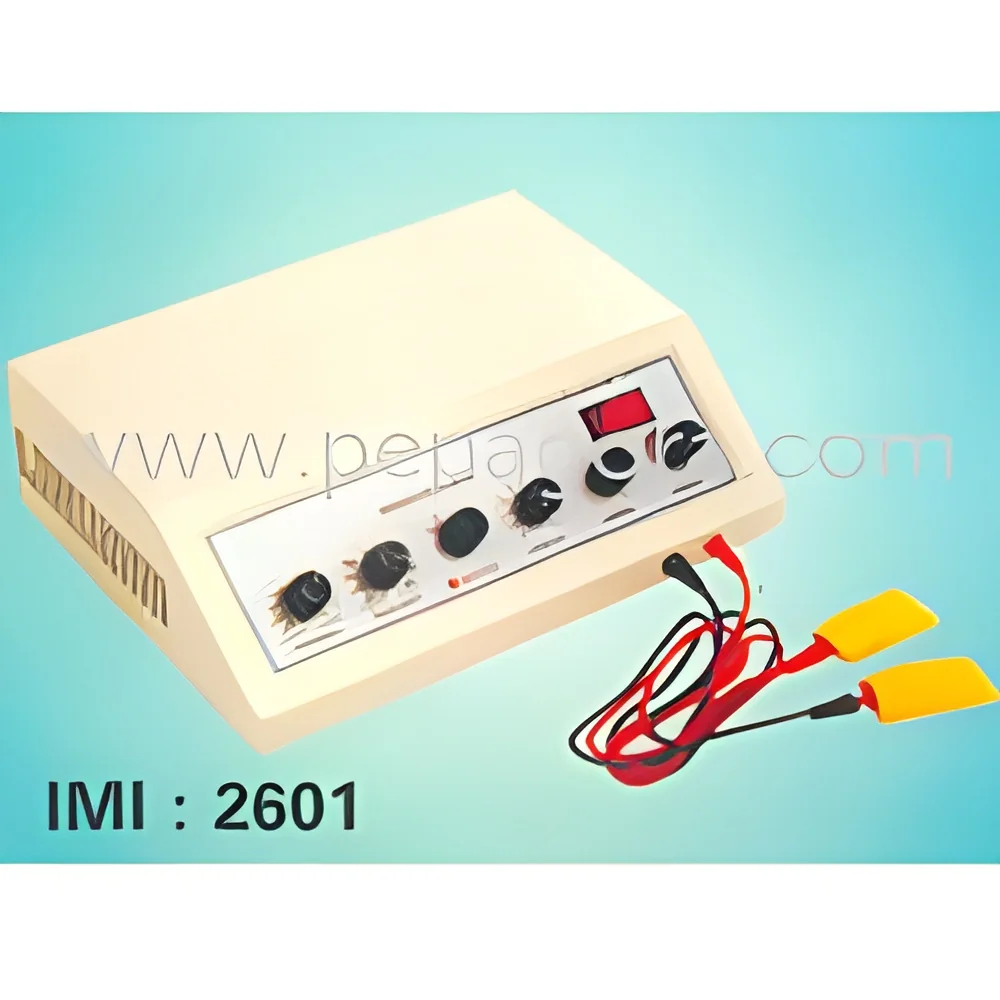
Clinical EMS Devices
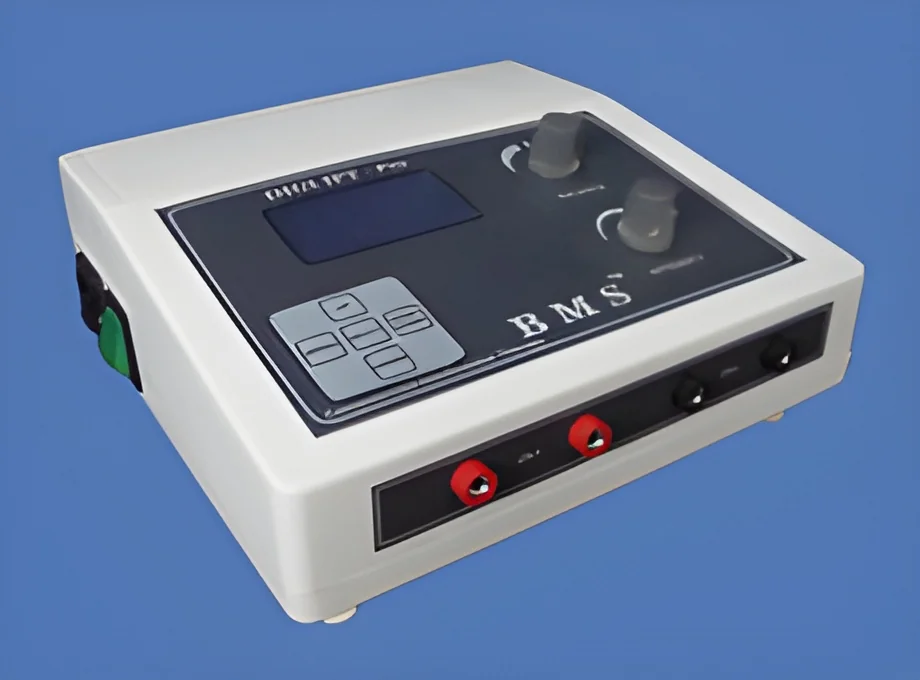
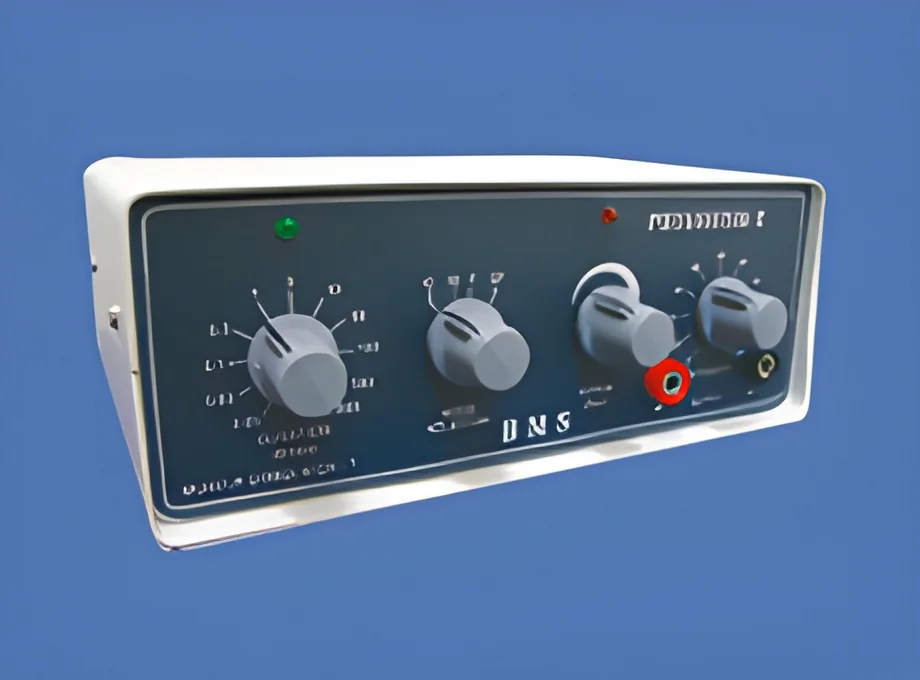
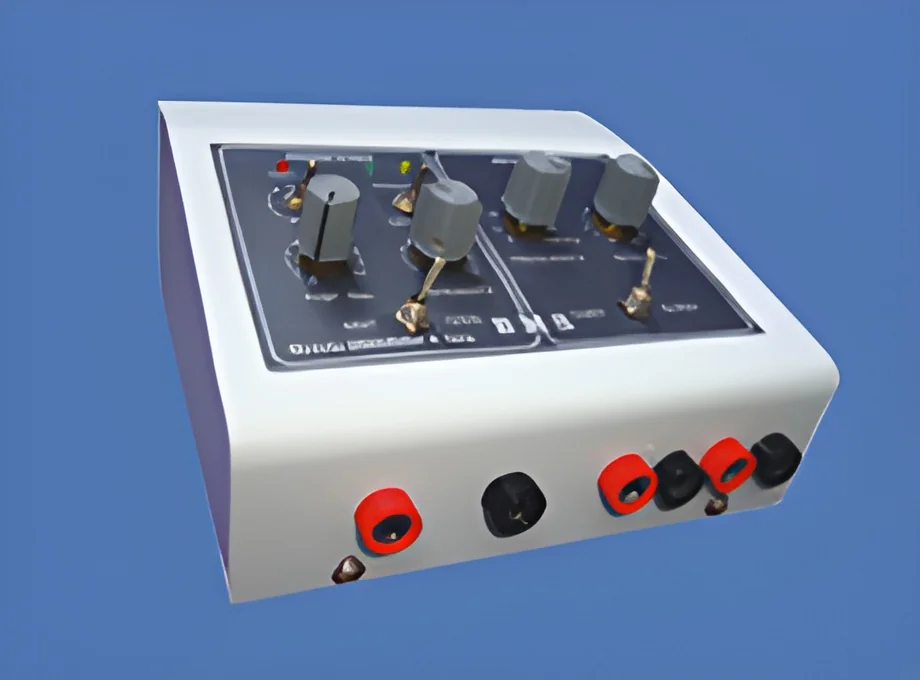
These units are larger and more powerful, intended for use in medical settings. They often feature advanced programs to target specific rehabilitation needs and may include professional-grade electrode pads.
Wireless EMS Devices
These innovative models utilize Bluetooth technology, allowing users to control the device via a smartphone app. They offer convenience and flexibility for users who prefer a more modern approach to muscle stimulation.
Benefits and Advantages
EMS devices offer numerous benefits that make them valuable tools in various fields.
1. Enhanced Muscle Recovery: EMS devices can accelerate recovery times by promoting blood circulation and reducing muscle soreness after workouts.
2. Improved Muscle Strength: Regular use of EMS can help strengthen muscles, making them more effective during physical activities and workouts.
3. Pain Relief: EMS technology can alleviate pain through muscle stimulation, making it a beneficial tool for physical therapy and rehabilitation.
4. Increased Mobility: For individuals recovering from injuries or surgeries, EMS devices can aid in regaining mobility and reducing muscle stiffness.
5. Convenience: Portable EMS units allow users to incorporate muscle stimulation into their daily routines without the need for extensive equipment.
6. Customizable Programs: The variety of pre-set programs allows users to target specific muscle groups and achieve different fitness goals efficiently.
Buying Guide for B2B Buyers
When procuring EMS devices, it is essential for B2B buyers to consider several key factors to ensure they select the right products for their needs.
1. Quality Assessment: Evaluate the quality of the EMS devices by examining manufacturer credentials, user reviews, and product testing results to ensure reliability and effectiveness.
2. Supplier Verification: Conduct thorough research on potential suppliers to verify their reputation, track record, and compliance with industry standards.
3. Pricing and MOQ: Review pricing structures and minimum order quantities to make informed purchasing decisions that fit budget constraints while meeting demand.
4. Delivery and Lead Times: Consider logistics and delivery schedules when placing orders to ensure timely availability of products for business operations.
5. Compliance Requirements: Ensure that the EMS devices meet relevant regulatory and compliance standards specific to your region or industry to avoid legal issues.
Compliance and Certifications
Compliance with industry standards and certifications is critical for the safety and effectiveness of EMS devices. Relevant quality standards include ISO 9001, which focuses on quality management systems, ensuring consistent product quality and customer satisfaction.
In addition to ISO standards, industry certifications like CE and UL signify that EMS devices meet specific safety and performance criteria. CE marking indicates conformity with European health and safety regulations, while UL certification is recognized for its rigorous testing and safety standards in North America.
Furthermore, EMS devices must comply with safety and testing requirements to ensure they are safe for consumer use. This includes evaluating electrical safety, biological safety, and performance testing.
Regional compliance considerations also play a significant role in the marketing and distribution of EMS devices. Different countries have unique regulations that must be followed, and it is crucial for manufacturers and suppliers to stay informed about these requirements to ensure legal compliance.
Why Source EMS Devices (Electrical Muscle Stimulation) from Pepagora?
Pepagora offers a reliable platform for sourcing EMS devices, providing several key advantages for B2B buyers.
Verified Supplier Network: Pepagora ensures that all suppliers are thoroughly vetted for quality and reliability. This verification process guarantees that buyers can trust the products they are sourcing.
Streamlined RFQ Process: The platform features an efficient request for quotation (RFQ) system, allowing buyers to easily compare prices and specifications from multiple suppliers, simplifying the procurement process.
Trade Assurance and Support: Pepagora provides trade assurance, protecting buyers from potential risks associated with transactions. This includes support throughout the purchasing process to ensure satisfaction.
Regional Coverage: With a strong presence in regions such as India, the GCC, and Southeast Asia, Pepagora connects buyers with suppliers across diverse markets, facilitating access to a wide range of EMS devices that meet specific business needs.

 IN
IN