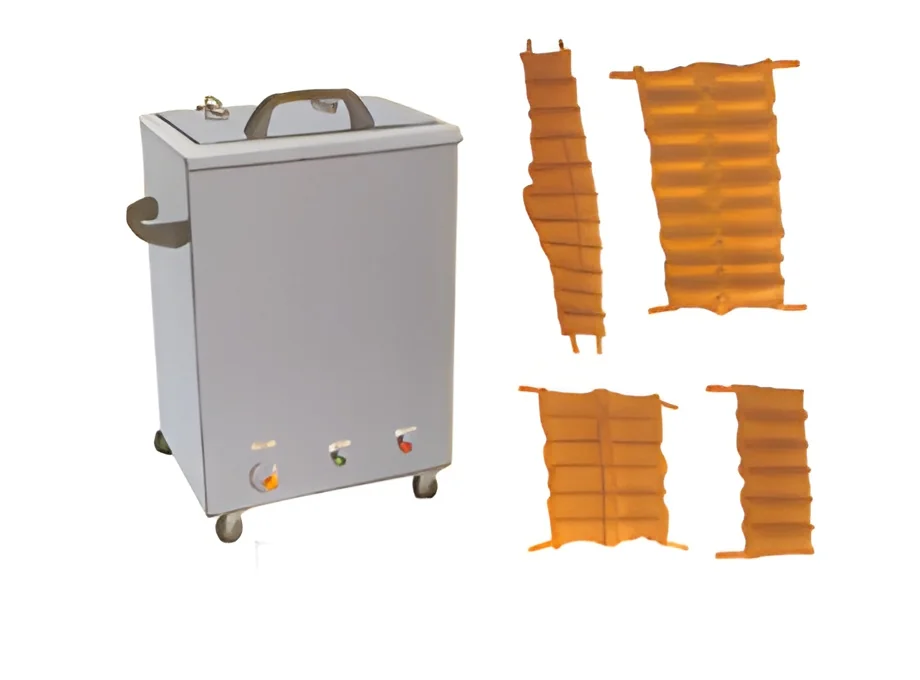
What are Laser Therapy Units?
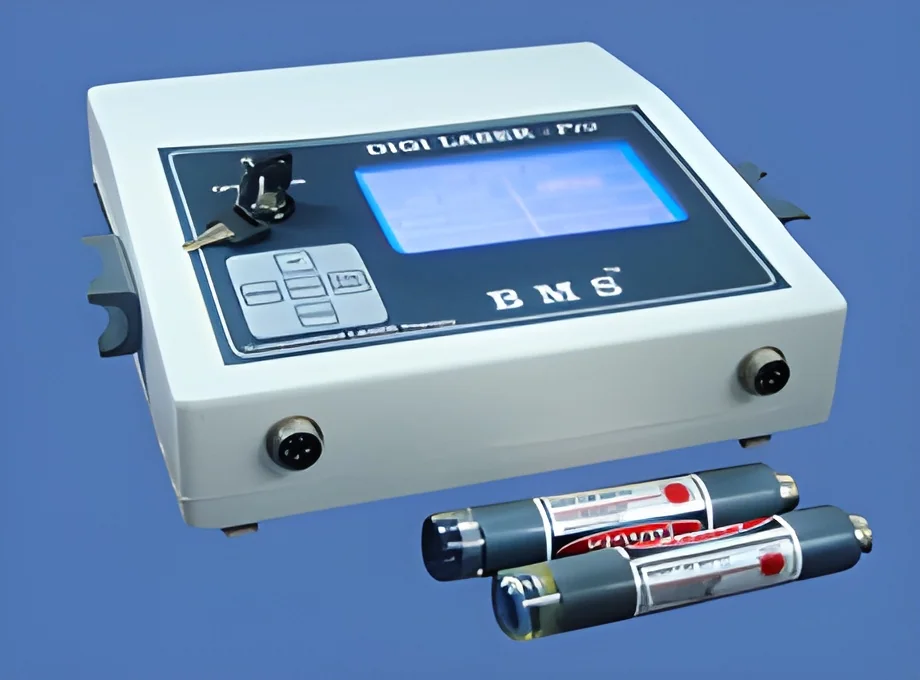
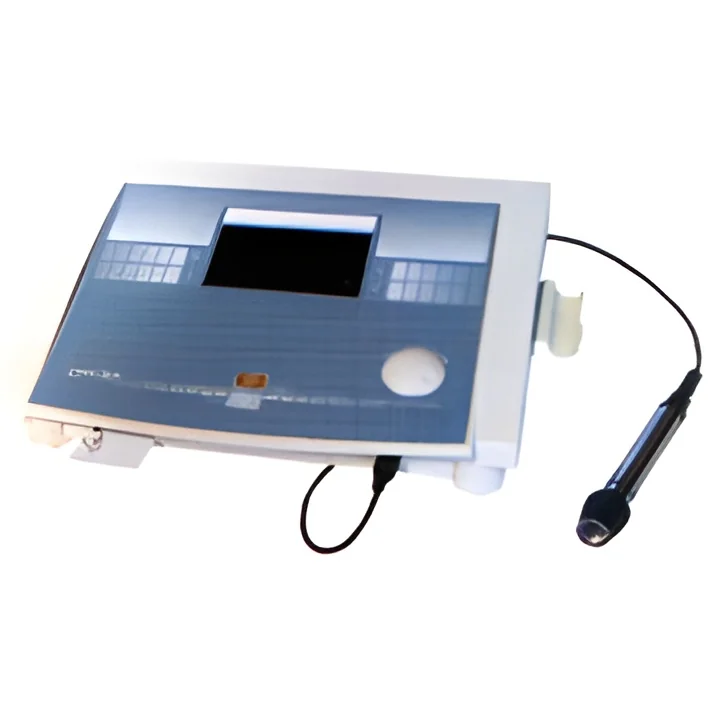
Laser Therapy Units are specialized medical devices that utilize focused light to treat various health conditions. These units emit laser beams that penetrate the skin and tissues, promoting healing, reducing inflammation, and alleviating pain. The precision of laser technology enables targeted treatment, making these devices effective in a range of therapeutic applications.
Primarily, Laser Therapy Units are used in physical therapy, rehabilitation, and pain management. They are commonly found in hospitals, clinics, and sports medicine facilities, where they assist in treating injuries, chronic pain, and post-operative recovery. These devices are also gaining traction in cosmetic procedures, enhancing skin rejuvenation and reducing scar appearance. As the demand for non-invasive treatment options grows, the market for Laser Therapy Units is expanding, with increasing investments from healthcare providers seeking to incorporate advanced technologies into their practice.
The relevance of Laser Therapy Units in the healthcare sector is underscored by ongoing research and development efforts aimed at enhancing their efficacy and safety. With advancements in laser technology and a growing body of clinical evidence supporting their benefits, these units are becoming essential tools in modern healthcare delivery.
Key Features and Specifications
Laser Therapy Units are equipped with various features that enhance their functionality and effectiveness. Understanding these specifications is crucial for choosing the right unit for specific applications.
Key specifications include:
1. Laser Type
- Common types include diode, Nd:YAG, and CO2 lasers.
- Each type offers unique benefits for different treatments.
2. Wavelength Range
- Wavelengths typically range from 600 nm to 1000 nm.
- Specific wavelengths are chosen based on their absorption characteristics for targeted therapy.
3. Power Output
- Power outputs can vary from 5 mW to over 1000 mW.
- Higher power outputs can facilitate deeper tissue penetration and faster treatment times.
4. Treatment Modes
- Units may offer continuous wave and pulsed wave modes.
- Different modes can be selected based on treatment requirements.
5. Safety Features
- Includes features like automatic shut-off and skin temperature monitoring.
- Ensures patient safety during procedures.
6. Portability
- Many models are designed for easy mobility, often featuring wheels.
- This facilitates use in various clinical settings.
7. User Interface
- Touchscreen interfaces are common, allowing for easy navigation and adjustments.
- User-friendly designs enhance operational efficiency.
8. Treatment Time
- Typical treatment sessions range from 5 to 30 minutes.
- Duration varies based on the condition and treatment area.
In summary, understanding the key features and specifications of Laser Therapy Units is essential for healthcare providers to make informed purchasing decisions that align with their clinical needs.
Common Applications and Use Cases
Laser Therapy Units are utilized across several industries, reflecting their versatility and effectiveness.
1. Healthcare: Laser Therapy Units are widely used in physical therapy and rehabilitation settings to treat musculoskeletal pain, accelerate healing, and improve mobility post-injury or surgery.
2. Sports Medicine: Athletes benefit from laser therapy for injury recovery and pain management. These units help reduce inflammation and promote faster healing, allowing for a quicker return to sports.
3. Dermatology: In the cosmetic field, laser therapy is employed for skin resurfacing, scar reduction, and hair removal. Practitioners use these units to offer non-invasive aesthetic treatments.
4. Veterinary Medicine: Laser Therapy Units are also used in veterinary practices to treat injuries and conditions in animals, promoting healing and pain relief in pets.
5. Chiropractic Care: Chiropractors incorporate laser therapy as a complementary treatment for spinal adjustments, enhancing patient outcomes and comfort.
6. Podiatry: These units are utilized to treat foot and ankle conditions, including plantar fasciitis and tendonitis, providing non-invasive pain relief.
7. Dentistry: In dental practices, laser therapy is used for soft tissue procedures, reducing discomfort and promoting healing after dental surgeries.
Product Variants and Subcategories
Laser Therapy Units offer a range of variants designed to meet different treatment needs and clinical environments.
Diode Laser Therapy Units
These units are compact and versatile, making them ideal for a variety of applications. They are known for their efficiency and ability to deliver precise energy to targeted areas, making them popular in physical therapy and dermatology.
Nd:YAG Laser Therapy Units
These units are particularly effective for deeper tissue penetration. They are commonly used in surgical procedures and for treating more complex conditions. Their versatility allows for both cosmetic and therapeutic applications.
CO2 Laser Therapy Units
These units are primarily used in dermatological settings for skin resurfacing and cosmetic procedures. They provide high precision and control, making them suitable for delicate and detailed work.
Benefits and Advantages
Laser Therapy Units provide a range of benefits that enhance treatment effectiveness and patient satisfaction.
1. Non-Invasive Treatment: These units offer a non-surgical option for pain management and healing, minimizing patient discomfort and recovery time.
2. Fast Recovery: Patients often experience quicker recovery times due to the accelerated healing promoted by laser therapy.
3. Versatile Applications: Laser Therapy Units can be used across various medical fields, making them a valuable addition to any healthcare practice.
4. Reduced Side Effects: Compared to traditional treatments, laser therapy typically has fewer side effects, enhancing patient comfort and compliance.
5. Customizable Treatment: Many units allow practitioners to adjust settings based on individual patient needs, ensuring tailored care.
6. Improved Patient Outcomes: Clinical studies support the efficacy of laser therapy in promoting healing, reducing pain, and improving overall treatment results.
Buying Guide for B2B Buyers
When sourcing Laser Therapy Units, several factors should be considered to ensure a suitable purchase.
1. Quality Assessment: Look for units that comply with industry standards and have a proven track record of performance. Check for user reviews and clinical studies that validate their effectiveness.
2. Supplier Verification: Vet suppliers thoroughly to ensure they are reputable and provide reliable products. Request references and assess their customer service capabilities.
3. Pricing and MOQ: Evaluate pricing structures and minimum order quantities (MOQ) to understand budget implications. Compare different suppliers to find the best value.
4. Delivery and Lead Times: Consider logistics, including shipping times and delivery options. Ensure the supplier can meet your deadlines for installation and training.
5. Compliance Requirements: Confirm that the units meet necessary regulatory requirements and certifications, such as CE. This is essential for ensuring safety and legal compliance in your practice.
Compliance and Certifications
Laser Therapy Units must adhere to various industry standards and regulations to ensure safety and effectiveness. Compliance with quality standards such as ISO 9001 is often required, indicating that the manufacturing process meets international quality management principles.
In addition to ISO standards, certifications like CE demonstrate that the product meets European safety, health, and environmental protection requirements. These certifications are crucial for gaining trust from healthcare providers and patients alike.
Safety and testing requirements are also significant. Laser devices must undergo rigorous testing to ensure they operate within safe parameters, minimizing risks to both practitioners and patients. Furthermore, regional compliance considerations may vary, necessitating awareness of local regulations that govern the use of medical devices.
Why Source Laser Therapy Units from Pepagora?
Pepagora is a trusted platform for sourcing Laser Therapy Units, offering a variety of key advantages to buyers in the B2B sector.
Verified Supplier Network: Pepagora boasts a comprehensive network of verified suppliers, ensuring that buyers can find credible and high-quality products. Each supplier undergoes thorough vetting, providing peace of mind for healthcare providers.
Streamlined RFQ Process: The Request for Quotation (RFQ) system on Pepagora simplifies the procurement process. Buyers can easily submit their requirements and receive competitive quotes from multiple suppliers, making it easier to compare options.
Trade Assurance and Support: Pepagora offers trade assurance, protecting buyers throughout the purchasing process. This ensures that funds are secure and provides assistance in case of disputes, enhancing buyer confidence.
Regional Coverage: With a strong presence in regions such as India, GCC, and Southeast Asia, Pepagora effectively connects buyers with suppliers in their local markets. This regional focus facilitates faster transactions and better understanding of local needs.
In conclusion, sourcing Laser Therapy Units through Pepagora not only simplifies the purchasing process but also ensures access to quality products and reliable suppliers, ultimately enhancing operational efficiency in healthcare practices.

 IN
IN