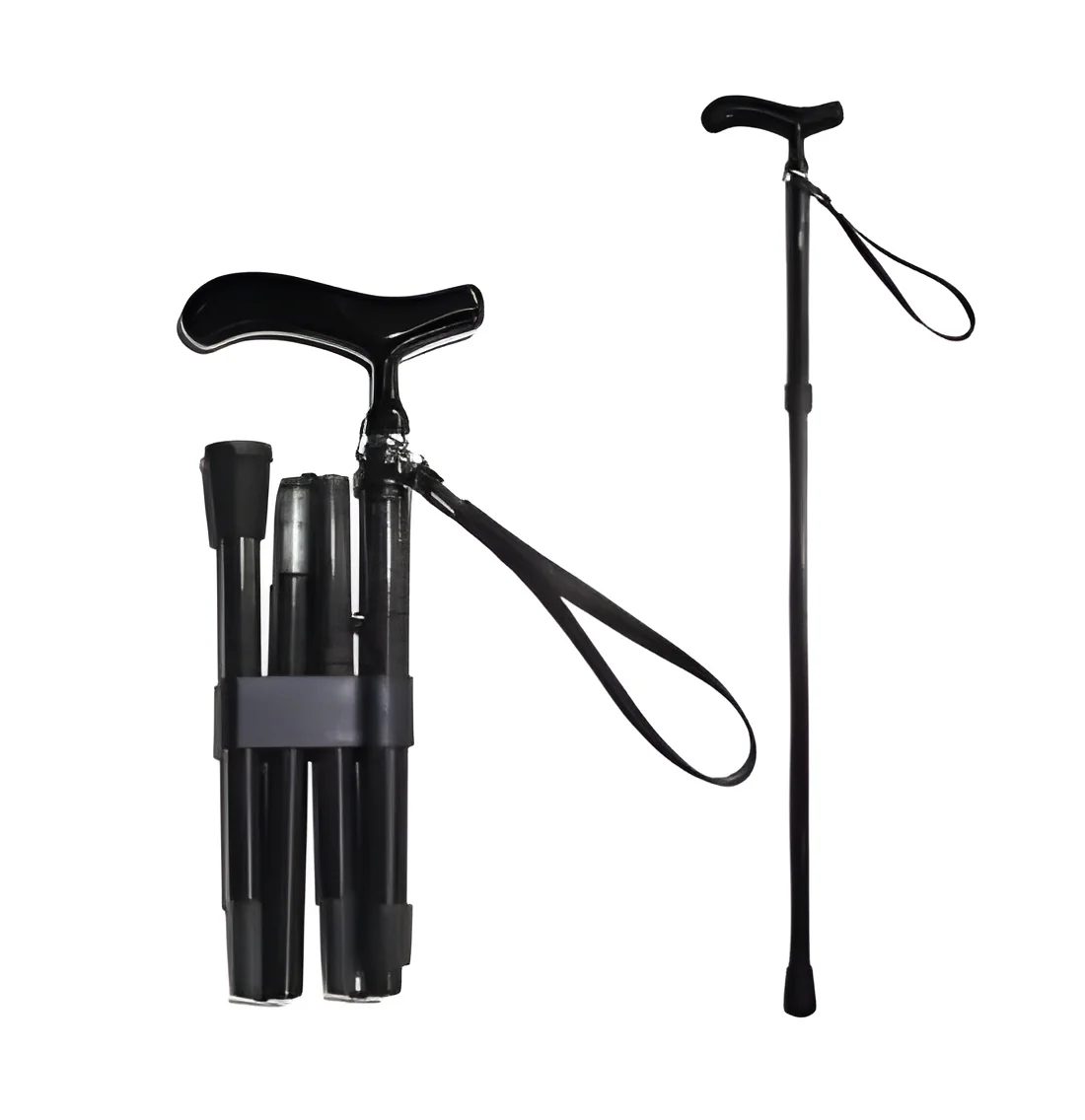
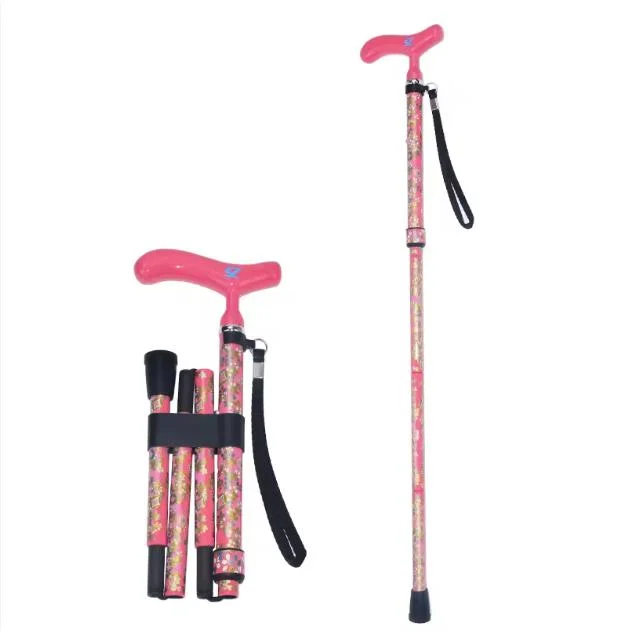
What are Canes & Quad Canes?
Canes and quad canes are mobility aids designed to provide support and stability for individuals with balance issues or limited mobility. A standard cane typically has a single tip for contact with the ground, while a quad cane has a wider base with four tips, offering increased stability. These devices are often made from lightweight materials such as aluminum or carbon fiber, making them easy to handle and transport.
These mobility aids are primarily used by the elderly, individuals recovering from surgery, and those with chronic conditions affecting their balance. They facilitate safe movement in various environments, including homes, workplaces, and public spaces. In the healthcare and rehabilitation sectors, canes and quad canes are essential tools for both patients and caregivers, enhancing the quality of life for users by promoting independence and mobility.
The market for canes and quad canes continues to grow as the aging population increases and more people seek to maintain their independence. With innovations in design and materials, manufacturers are increasingly focused on creating ergonomic and stylish options that appeal to a broader audience. This sector is relevant not only in healthcare but also in retail and e-commerce, where demand for such products is rising.
Key Features and Specifications
Canes and quad canes come with several essential features designed to enhance user experience and safety. When selecting these mobility aids, it is crucial to consider their specifications to ensure they meet the specific needs of users.
Key specifications include:
1. Material
- Canes are often made from aluminum, carbon fiber, or wood.
- Each material offers different benefits in terms of weight, durability, and aesthetics.
2. Weight Capacity
- Standard canes can typically support up to 250 pounds.
- Quad canes generally have a higher weight capacity, accommodating users up to 350 pounds.
3. Height Adjustment
- Many models feature adjustable heights to suit different users.
- Adjustment ranges usually vary from 28 to 39 inches.
4. Grip Type
- Canes may have ergonomic grips, contoured handles, or standard grips.
- Better grip designs reduce hand fatigue and improve comfort.
5. Tip Design
- Standard canes have a single rubber tip, while quad canes have four rubber tips for added stability.
- Tip sizes can vary, affecting traction and surface grip.
6. Folding Mechanism
- Some canes are designed to fold for easy storage and transport.
- Folding mechanisms vary in ease of use and durability.
7. Color and Design Options
- Canes and quad canes come in various colors and styles to suit personal preferences.
- This diversity allows users to choose models that reflect their personality.
8. Additional Features
- Some models may include features like built-in lights or seat options.
- These added functionalities enhance convenience and usability.
In summary, understanding these features and specifications is vital for B2B buyers to select the right canes and quad canes that meet their customers’ needs.
Common Applications and Use Cases
Canes and quad canes serve a variety of industries and applications.
1. Healthcare: In hospitals and rehabilitation centers, these mobility aids are crucial for patient recovery, helping individuals regain their independence after surgeries or injuries.
2. Senior Living Facilities: Canes and quad canes are commonly used in assisted living environments to help residents navigate spaces safely and confidently.
3. Retail: Mobility aids are sold in pharmacy chains and specialty stores, allowing consumers to choose suitable products for their personal needs.
4. Home Care: Caregivers use canes and quad canes to assist clients in maintaining mobility at home, enhancing their quality of life.
5. Sports and Recreation: Some individuals with mobility challenges use canes during outdoor activities, allowing them to participate in recreational outings.
6. Rehabilitation Services: Physical therapists often recommend canes as part of strength and balance training for patients recovering from injuries.
7. Travel: Lightweight and foldable canes are popular among travelers who need mobility support while on the go, ensuring safety and convenience.
Product Variants and Subcategories
Canes and quad canes come in various types, each designed to cater to different user preferences and requirements.
Standard Canes: These traditional canes offer basic support with a single tip. They are lightweight and easily adjustable, making them suitable for most users.
Quad Canes: With a wider base and four points of contact, quad canes provide enhanced stability. They are ideal for individuals who require more support while walking.
Ergonomic Canes: Designed with user comfort in mind, ergonomic canes feature specially shaped handles that reduce hand strain and improve grip.
Folding Canes: Ideal for those who travel frequently, folding canes can collapse into a compact size for easy storage and transport.
Canes with Accessories: Some models come equipped with additional features like built-in lights or storage compartments, catering to users who desire multifunctional mobility aids.
Benefits and Advantages
Canes and quad canes offer numerous advantages to users, enhancing their mobility and overall quality of life.
1. Improved Stability: Quad canes provide a broader base of support, reducing the risk of falls and enhancing user confidence.
2. Increased Independence: By using these mobility aids, individuals can navigate their environments without assistance, promoting autonomy.
3. Lightweight Design: Many canes are made from lightweight materials, making them easy to carry and maneuver.
4. Adjustable Heights: The ability to adjust the height of canes ensures a comfortable fit for various users, enhancing usability.
5. Ergonomic Options: Canes designed with ergonomic grips reduce hand fatigue, allowing users to walk longer distances comfortably.
6. Stylish Choices: With various designs available, users can select canes that match their personal style, making mobility aids more appealing.
Buying Guide for B2B Buyers
When sourcing canes and quad canes for resale or distribution, several factors should be considered for effective procurement.
1. Quality Assessment: Ensure that canes and quad canes meet established quality standards and are durable enough for regular use. Look for products that have been tested for safety and reliability.
2. Supplier Verification: Vet potential suppliers to confirm their credibility and reliability. This can include checking references, reviews, and certifications.
3. Pricing and MOQ: Understand the pricing structure and minimum order quantities from suppliers. This will help in budgeting and inventory management.
4. Delivery and Lead Times: Assess logistics capabilities to ensure timely delivery of products. Reliable lead times are crucial for maintaining stock levels and meeting customer demands.
5. Compliance Requirements: Familiarize yourself with any regulatory requirements for mobility aids in your region. Compliance with standards ensures safety and can impact your marketability.
Compliance and Certifications
Canes and quad canes must adhere to several compliance and certification standards to ensure quality and safety for users.
ISO 9001 is a widely recognized quality management standard that emphasizes consistent product quality and customer satisfaction. Manufacturers of canes and quad canes should aim for this certification to demonstrate their commitment to quality.
CE certification indicates that a product meets European Union safety, health, and environmental requirements. This is particularly relevant for companies exporting to European markets, as it assures buyers of compliance with stringent safety standards.
Safety and testing requirements are crucial, as mobility aids must withstand regular use while ensuring user safety. Manufacturers should conduct rigorous testing for durability and stability.
Additionally, regional compliance considerations may vary, necessitating that manufacturers stay informed about local regulations governing medical devices and mobility aids.
Why Source Canes & Quad Canes from Pepagora?
Pepagora provides a trusted platform for sourcing canes and quad canes, offering several key advantages to B2B buyers.
Verified Supplier Network: Pepagora ensures that all suppliers on its platform undergo thorough verification processes. This allows buyers to work with reputable manufacturers, reducing the risks associated with sourcing.
Streamlined RFQ Process: The Request for Quotation (RFQ) system simplifies the procurement process. Buyers can easily submit requests and receive competitive quotes from multiple suppliers, facilitating better purchasing decisions.
Trade Assurance and Support: Pepagora offers trade assurance to protect buyers throughout the procurement process. This includes support in case of disputes or issues with orders, ensuring a smoother transaction experience.
Regional Coverage: With a strong presence in India, the GCC, and Southeast Asia, Pepagora connects buyers with suppliers across these regions. This geographic reach allows for a diverse selection of products and services, catering to various market needs.

 IN
IN