
 IN
Standing Frames
1 products available
What are Standing Frames?
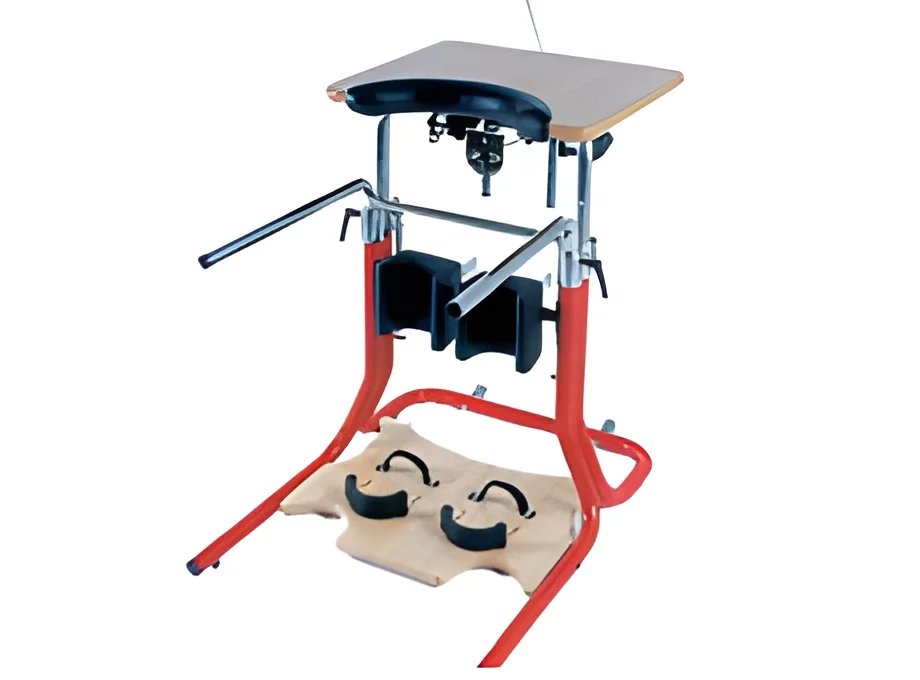
Standing frames are specialized devices designed to support individuals in an upright position. They are essential tools in rehabilitation settings, particularly for those with mobility impairments or neurological disorders. Standing frames facilitate weight-bearing activities and promote better posture, which can significantly impact overall physical health and rehabilitation progress.
These frames are primarily used in healthcare facilities, rehabilitation centers, and home care environments. They assist patients in achieving an upright position, which is crucial for improving circulation, bone density, and muscle strength. In addition to their therapeutic applications, standing frames are also utilized in educational and occupational therapy settings, helping individuals gain independence and confidence in their daily activities.
The relevance of standing frames in the healthcare sector is growing, driven by an increasing emphasis on rehabilitation and patient-centered care. As the global population ages, the demand for effective mobility aids is anticipated to rise, making standing frames an important consideration for healthcare providers and organizations focusing on quality patient outcomes.
Key Features and Specifications
Standing frames come with various features designed to enhance usability and comfort. These specifications vary according to the intended application and user needs.
Key specifications include:
1. Frame Material
- Typically made from lightweight and durable materials such as aluminum or steel
- Ensures stability while remaining easy to maneuver
2. Adjustable Height
- Allows for customization to suit individual user needs
- Ranges typically from 30 to 40 inches
3. Weight Capacity
- Designed to accommodate a range of body weights
- Commonly supports 200 to 300 pounds depending on the model
4. Base Design
- Features a stable base to prevent tipping
- Some models include wheels for mobility
5. Padding and Support
- Often includes cushioned support areas for user comfort
- Adjustable straps or harnesses to secure the user safely
6. Portability
- Lightweight designs facilitate easy transport
- Some models are foldable for convenient storage
7. Customizable Accessories
- Available with options like trays, footplates, and additional support handles
- Enhances functionality for specific user requirements
In summary, standing frames feature a combination of adjustable components, robust materials, and specialized designs to meet diverse user needs in rehabilitation and care.
Common Applications and Use Cases
Standing frames are utilized across a variety of industries, each benefiting from their unique capabilities.
1. Healthcare: In hospitals and rehabilitation centers, standing frames aid in the recovery of patients by providing support during physical therapy sessions.
2. Education: Special needs classrooms employ standing frames to help students with mobility challenges participate in activities alongside their peers, fostering inclusivity.
3. Home Care: Caregivers use standing frames in residential settings to assist individuals in maintaining independence while ensuring safety during mobility.
4. Occupational Therapy: Therapists use standing frames to teach clients how to engage in daily tasks while promoting strength and balance.
5. Geriatric Care: Nursing homes utilize these frames to assist elderly residents in standing, thereby enhancing their quality of life and promoting social interaction.
6. Disability Services: Organizations focused on disability support employ standing frames to facilitate mobility and improve physical health for their clients.
7. Sports Rehabilitation: Athletes recovering from injuries may use standing frames to regain strength and improve stability during their rehabilitation process.
Product Variants and Subcategories
Standing frames come in various designs to cater to different user needs and environments.
Standard Standing Frame: This basic model provides essential support and stability for users during rehabilitation. It is widely used in clinical settings and is adjustable to accommodate various heights.
Mobile Standing Frame: This variant includes wheels for enhanced portability, allowing users to move around easily while still receiving the necessary support. It is ideal for users who require assistance but also want greater mobility.
Adjustable Standing Frame: Designed with multiple adjustable components, this frame can be tailored to fit individual user requirements, offering more customization during therapy sessions.
Benefits and Advantages
Standing frames offer numerous benefits that can significantly enhance the quality of care and rehabilitation.
1. Improved Mobility: Standing frames allow users to engage in weight-bearing activities, which can enhance mobility and promote independence.
2. Enhanced Posture: These devices encourage proper alignment of the spine and pelvis, leading to better posture over time.
3. Increased Circulation: By supporting an upright position, standing frames promote blood flow and circulation, which is crucial for healing and overall health.
4. Strength Building: Regular use of standing frames helps strengthen muscles and improve balance, contributing to physical rehabilitation.
5. Boosted Confidence: Gaining the ability to stand independently can significantly boost the user’s confidence and self-esteem.
6. Facilitated Social Interaction: Standing frames enable users to interact more easily with peers and caregivers, enhancing social engagement.
Buying Guide for B2B Buyers
When sourcing standing frames for your organization, it’s important to consider several key factors to ensure you select the right product.
1. Quality Assessment: Evaluate the construction materials and durability of the frames. Look for reputable brands that comply with industry standards to ensure long-lasting use.
2. Supplier Verification: Vet suppliers to confirm their reliability and track record in delivering quality products. Check for customer reviews and testimonials.
3. Pricing and MOQ: Understand the cost structure and minimum order quantities (MOQ) required by suppliers. This helps in budgeting and planning for procurement.
4. Delivery and Lead Times: Inquire about delivery schedules and lead times to ensure that you can meet your operational needs without delays.
5. Compliance Requirements: Ensure that the standing frames comply with relevant health and safety regulations in your region, such as CE certifications.
Compliance and Certifications
Standing frames must adhere to several quality standards to ensure safety and effectiveness in their application. Compliance with ISO 9001 is crucial as it signifies a commitment to quality management systems. Additionally, CE certification is vital as it indicates conformity with European health, safety, and environmental protection standards.
Safety and testing requirements are also essential, ensuring that the frames can withstand daily use without compromising user safety. It is important for manufacturers to conduct rigorous testing to meet these standards.
Regional compliance considerations may vary, so it is advisable to be aware of local regulations and market expectations. This knowledge can guide procurement decisions and ensure that the products sourced meet all necessary legal requirements.
Why Source Standing Frames from Pepagora?
Pepagora provides a trusted platform for sourcing standing frames, offering several key advantages that cater to B2B buyers.
Verified Supplier Network: Pepagora boasts a network of verified suppliers, ensuring that buyers can connect with reputable manufacturers who meet stringent quality standards.
Streamlined RFQ Process: The platform simplifies the request for quotation (RFQ) process, making it easier for buyers to compare prices and specifications from multiple suppliers, thus saving time and effort.
Trade Assurance and Support: With trade assurance measures in place, Pepagora protects buyers against potential risks, providing peace of mind during transactions.
Regional Coverage: Pepagora’s extensive reach covers key markets, including India, the GCC, and Southeast Asia, ensuring that buyers can find suitable suppliers regardless of their location.

Frequently Asked Questions
What are Standing Frames?
Standing Frames are supportive devices designed to enable individuals, especially those with mobility impairments, to maintain an upright position. They are commonly used in rehabilitation settings to assist patients in improving their posture and mobility.
What are the different types of Standing Frames?
There are several types of Standing Frames, including upright frames, prone frames, and mobile frames. Each type serves different needs, such as providing support for individuals who require assistance while standing or those who need to practice weight-bearing activities.
How do I choose the right Standing Frames?
Choosing the right Standing Frame depends on the user's specific needs, such as their level of mobility and support required. It’s important to consider factors like size, adjustability, and any additional features that may enhance comfort and safety.
What are the standard specifications for Standing Frames?
Standard specifications for Standing Frames typically include adjustable height settings, weight capacity, and material durability. It’s essential to ensure that the frame meets safety standards and is suitable for the intended user’s requirements.
What is the price range for Standing Frames?
The price range for Standing Frames can vary widely based on the type, features, and manufacturer. Generally, you can expect to pay anywhere from a few thousand to several tens of thousands of Indian Rupees.
What quality standards apply to Standing Frames?
Standing Frames should adhere to specific quality standards such as ISO and CE certifications, which ensure safety and reliability. Manufacturers typically comply with these standards to ensure their products are safe for use in healthcare settings.
Where can I find Standing Frames suppliers in India?
You can find Standing Frames suppliers in India through various online B2B marketplaces, including Pepagora. Additionally, local medical equipment suppliers and manufacturers often stock these products.
Can Standing Frames be customized?
Yes, many manufacturers offer customization options for Standing Frames to better suit individual user needs. Customizations may include adjustments in size, color, and additional features for enhanced functionality.
What is the typical minimum order quantity for Standing Frames?
The typical minimum order quantity (MOQ) for Standing Frames can vary by supplier but generally ranges from 5 to 10 units. It is advisable to check with individual manufacturers for their specific MOQs.
What is the typical lead time for Standing Frames?
The typical lead time for Standing Frames can range from 2 to 6 weeks, depending on the supplier, order volume, and whether the frames are customized. It's best to confirm the estimated delivery time with the supplier before placing an order.
Why Businesses Trust Pepagora
Thousands of companies trust Pepagora to source smarter and sell faster
Expand Your Sales Globally

Source Smarter,Grow Faster
