What are Foam Rollers & Therapy Rollers?
Foam rollers and therapy rollers are cylindrical tools primarily used for self-myofascial release, muscle recovery, and physical therapy. Made from various types of foam, these rollers help alleviate muscle soreness and improve flexibility. They have gained popularity in fitness and rehabilitation settings due to their effectiveness in relieving tight muscles and enhancing blood circulation.
These rollers are employed in various business applications, including gyms, physical therapy clinics, and wellness centers. Fitness instructors often recommend them for warm-up and cool-down routines, while therapists use them to assist patients in recovery from injuries. The growing focus on health and wellness in industries has further solidified the relevance of foam rollers and therapy rollers in the market.
As the fitness and wellness industry continues to expand, the demand for effective recovery tools like foam rollers remains strong. Companies are increasingly integrating these products into their offerings, catering to both individual consumers and commercial clients. The versatility and ease of use of foam rollers make them a valuable addition to any fitness or therapy regimen, positioning them as essential tools in the industry.
Key Features and Specifications
Foam rollers and therapy rollers come with a range of features designed to enhance their usability and effectiveness. Understanding these specifications is crucial for businesses looking to incorporate these products into their offerings.
Key specifications include:
1. Material Composition
- Typically made from high-density foam or EVA foam
- Varying densities affect firmness and durability
2. Dimensions
- Common lengths range from 12 inches to 36 inches
- Diameter usually varies between 4 inches to 6 inches
3. Surface Texture
- Smooth or textured surfaces available
- Textured rollers provide deeper tissue massage
4. Weight Capacity
- Generally supports weights up to 300 pounds
- Higher density models may support greater weight
5. Color Options
- Available in various colors for aesthetic preferences
- Some manufacturers offer custom branding options
6. Portability
- Lightweight design for ease of transport
- Some models are collapsible or come with carrying bags
7. Durability
- Resistance to wear and tear over time
- Some rollers are designed to withstand heavy usage
8. Ease of Cleaning
- Materials that are easy to wipe down or sanitize
- Some models are water-resistant for improved hygiene
In summary, these specifications provide insight into the construction and functionality of foam rollers and therapy rollers, enabling businesses to select the right products for their needs.
Common Applications and Use Cases
Foam rollers and therapy rollers are utilized across a wide range of industries, highlighting their versatility and effectiveness.
1. Fitness Industry: Gyms and fitness studios use foam rollers for warm-up and cool-down exercises, improving flexibility and aiding recovery for clients after workouts.
2. Physical Therapy: Rehabilitation centers incorporate therapy rollers into treatment plans, helping patients recover from injuries and improve mobility through targeted muscle release.
3. Sports Teams: Professional and amateur sports teams use foam rollers for pre-game warm-ups and post-game recovery, reducing muscle soreness and preventing injuries.
4. Wellness Centers: Holistic wellness practices integrate foam rollers into their offerings, promoting muscle relaxation and stress relief for clients seeking overall well-being.
5. Corporate Wellness Programs: Companies use foam rollers in employee wellness initiatives, encouraging physical activity and stress management in the workplace.
6. Home Fitness: Individuals utilize foam rollers at home to maintain fitness routines, enhance recovery, and self-manage muscle tension.
7. Yoga and Pilates Studios: Instructors often incorporate foam rollers into classes to deepen stretches and improve core strength among participants.
Product Variants and Subcategories
Foam rollers and therapy rollers come in various forms, catering to different needs and preferences.
Standard Foam Roller: This is the most common variant, featuring a solid foam structure. It is ideal for general use in fitness and therapy settings, providing effective relief and muscle support.
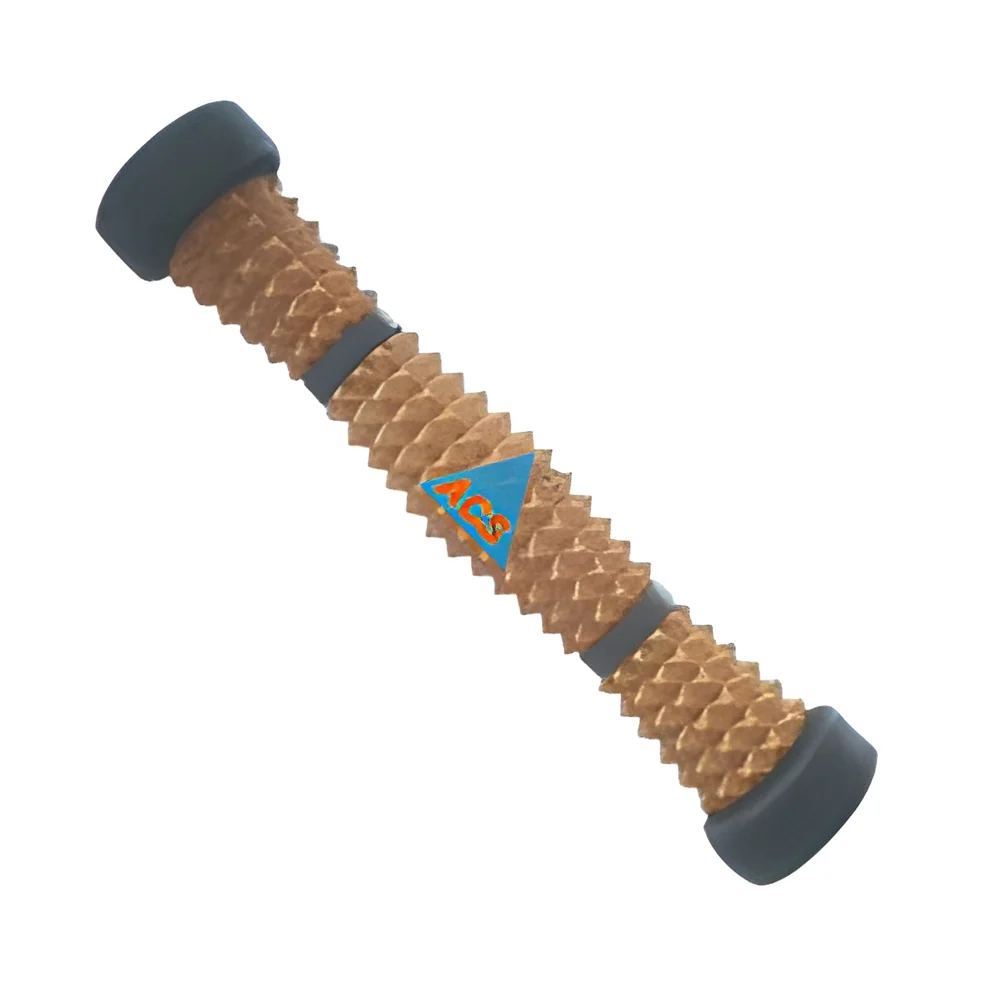
Textured Foam Roller: This variant includes ridges or bumps on its surface. It targets deeper muscle layers, delivering a more intense massage experience for users seeking advanced muscle release.
Trigger Point Roller: Designed with specific nodules or pressure points, this roller focuses on muscle knots and tight spots. It is particularly useful for athletes and those involved in intensive physical activities.
Vibrating Foam Roller: This advanced version combines foam rolling with vibration technology. It enhances muscle recovery by increasing blood flow and deeper muscle penetration, making it suitable for professional athletes.
Benefits and Advantages
Foam rollers and therapy rollers offer numerous benefits, making them essential tools for various applications.
1. Improved Flexibility: Regular use helps increase range of motion and flexibility, essential for athletes and fitness enthusiasts.
2. Reduced Muscle Soreness: They alleviate muscle soreness and tightness, promoting faster recovery after workouts or physical activities.
3. Enhanced Blood Circulation: Foam rolling stimulates blood flow, which aids in muscle recovery and promotes overall health.
4. Cost-Effective: Compared to other recovery tools and treatments, foam rollers are affordable and provide excellent value for businesses and consumers.
5. Easy to Use: They can be used by individuals of all fitness levels, requiring no special training or skills to operate effectively.
6. Portable: Lightweight and easy to transport, foam rollers can be used anywhere, making them convenient for both home and professional settings.
Buying Guide for B2B Buyers
When sourcing foam rollers and therapy rollers, several factors should be considered to ensure the best selection.
1. Quality Assessment: Evaluate the materials used in the rollers, focusing on durability and performance. Look for high-density foam options that withstand regular use without losing shape.
2. Supplier Verification: Research potential suppliers to ensure they have a reliable track record and positive feedback from other buyers. Certifications and industry experience can also indicate quality.
3. Pricing and MOQ: Analyze pricing structures and minimum order quantities (MOQ) to align with your budget and inventory needs. Comparing multiple suppliers can help find the best deals.
4. Delivery and Lead Times: Inquire about shipping options and lead times to ensure timely delivery for your operations. Confirm that suppliers can meet your logistical requirements.
5. Compliance Requirements: Be aware of any regulatory standards that may apply to foam rollers in your region. Ensure the products meet safety and quality regulations to avoid compliance issues.
Compliance and Certifications
Compliance and certifications play a critical role in ensuring the quality and safety of foam rollers and therapy rollers. Many manufacturers adhere to relevant quality standards such as ISO 9001, which ensures consistent quality management processes.
Additionally, CE certification is essential for products sold in the European market, signifying conformity to health, safety, and environmental protection standards. This certification not only enhances product credibility but also assures buyers of safety compliance.
Safety and testing requirements are vital, with manufacturers often conducting rigorous tests to ensure their products do not pose any risk to users. Regular audits and adherence to safety protocols are crucial for maintaining product integrity.
Regional compliance considerations are also important. Different regions may have specific regulations regarding materials and manufacturing processes, and it is vital for businesses to ensure their suppliers meet these standards.
Why Source Foam Rollers & Therapy Rollers from Pepagora?
Pepagora offers a trusted platform for sourcing foam rollers and therapy rollers with several key advantages.
Verified Supplier Network: Our platform connects buyers with a network of verified suppliers who are committed to delivering high-quality products. This reduces the risk of purchasing subpar items.
Streamlined RFQ Process: Pepagora simplifies the request for quotation (RFQ) process, enabling buyers to receive competitive quotes from multiple suppliers quickly. This efficiency saves time and helps in comparing options effectively.
Trade Assurance and Support: We provide trade assurance, ensuring that buyers are protected throughout the purchasing process. Our dedicated support team is available to assist with any inquiries or issues that may arise.
Regional Coverage: With a strong presence in India, the GCC, and Southeast Asia, Pepagora reaches a broad market. This geographic reach allows businesses to source products tailored to their specific regional needs and preferences.

 IN
IN