
 IN
Jaggery (Solid, Powder)
6 products available
Key Features and Specifications
Jaggery (Solid, Powder) comes with several features and specifications that meet industry standards and consumer expectations. The following details provide insight into what makes this product unique.
Key specifications include:
1. Form
- Available in solid blocks and powdered form
- Versatile applications in various culinary uses
2. Taste Profile
- Naturally sweet with a rich, molasses-like flavor
- Distinctive aroma that enhances food products
3. Nutritional Content
- Contains essential minerals like iron, magnesium, and potassium
- Contains antioxidants that support health
4. Moisture Content
- Varies based on production methods
- Typically ranges between 2-5% for solid forms
5. Color
- Ranges from golden brown to dark brown
- Color intensity can affect flavor and quality perception
6. Shelf Life
- Can last up to 12 months when stored properly
- Requires low humidity and cool conditions for optimal preservation
7. Packaging Options
- Available in bulk packaging or consumer-sized bags
- Custom packaging options may be available
8. Compliance
- Adheres to food safety standards and regulations
- Certifications like CE ensure quality assurance
In summary, jaggery offers a range of features that enhance its appeal as a natural sweetener, making it suitable for diverse applications across various industries.
Common Applications and Use Cases
Jaggery (Solid, Powder) is utilized across many industries due to its versatility and natural properties.
1. Food and Beverage Industry: Used as a sweetener in traditional recipes, beverages, and snacks, providing a healthier alternative to refined sugar.
2. Confectionery: Essential in making sweets, candies, and desserts, adding flavor and natural sweetness.
3. Bakery: Frequently included in breads, cakes, and pastries to enhance taste and moisture content.
4. Nutraceuticals: Increasingly popular in health products and supplements for its nutritional benefits and natural origin.
5. Cosmetics: Used in natural skincare products for its moisturizing and exfoliating properties.
6. Traditional Medicine: Recognized in various cultures for its potential health benefits and is often included in herbal remedies.
7. Agriculture: Sometimes used as a feed supplement in livestock and poultry for its energy content.
Product Variants and Subcategories
Jaggery (Solid, Powder) comes in various forms to cater to different market needs.
Solid Jaggery
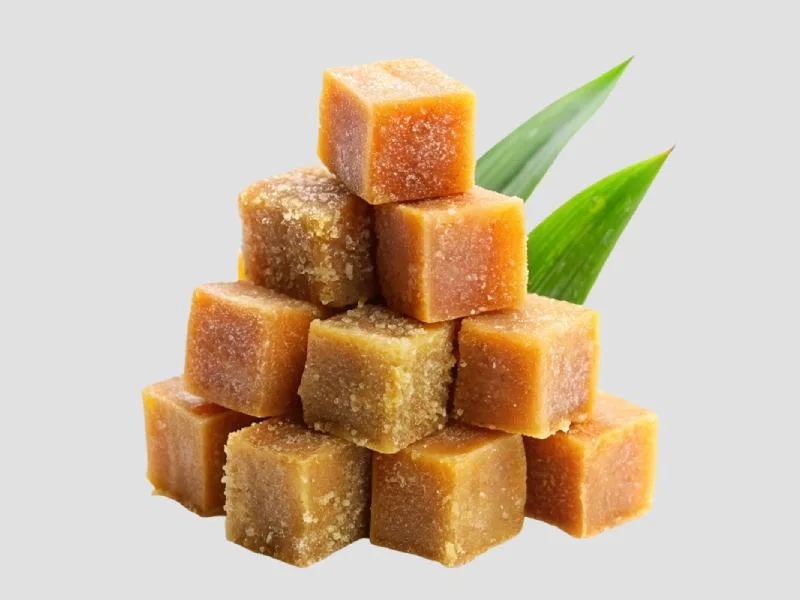
This variant is typically molded into blocks or cakes. It is used in cooking and can be grated or melted for various culinary applications.
Powdered Jaggery
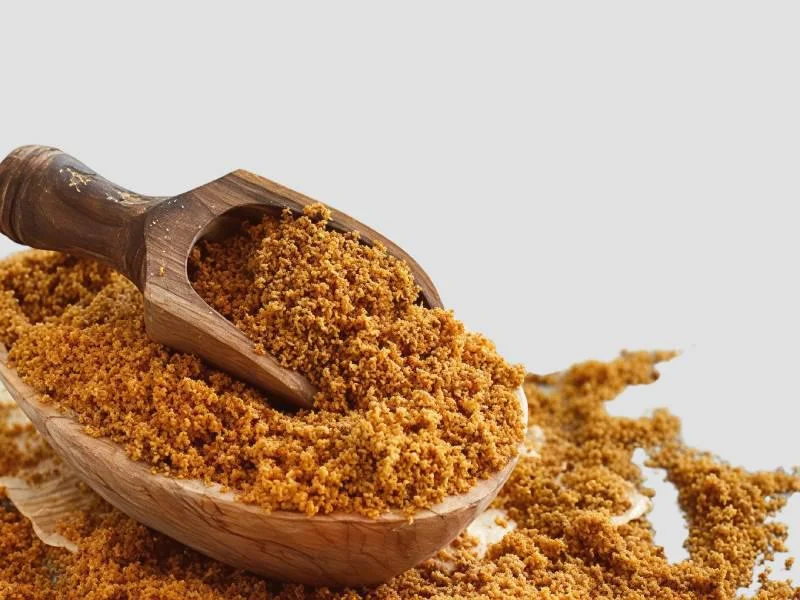
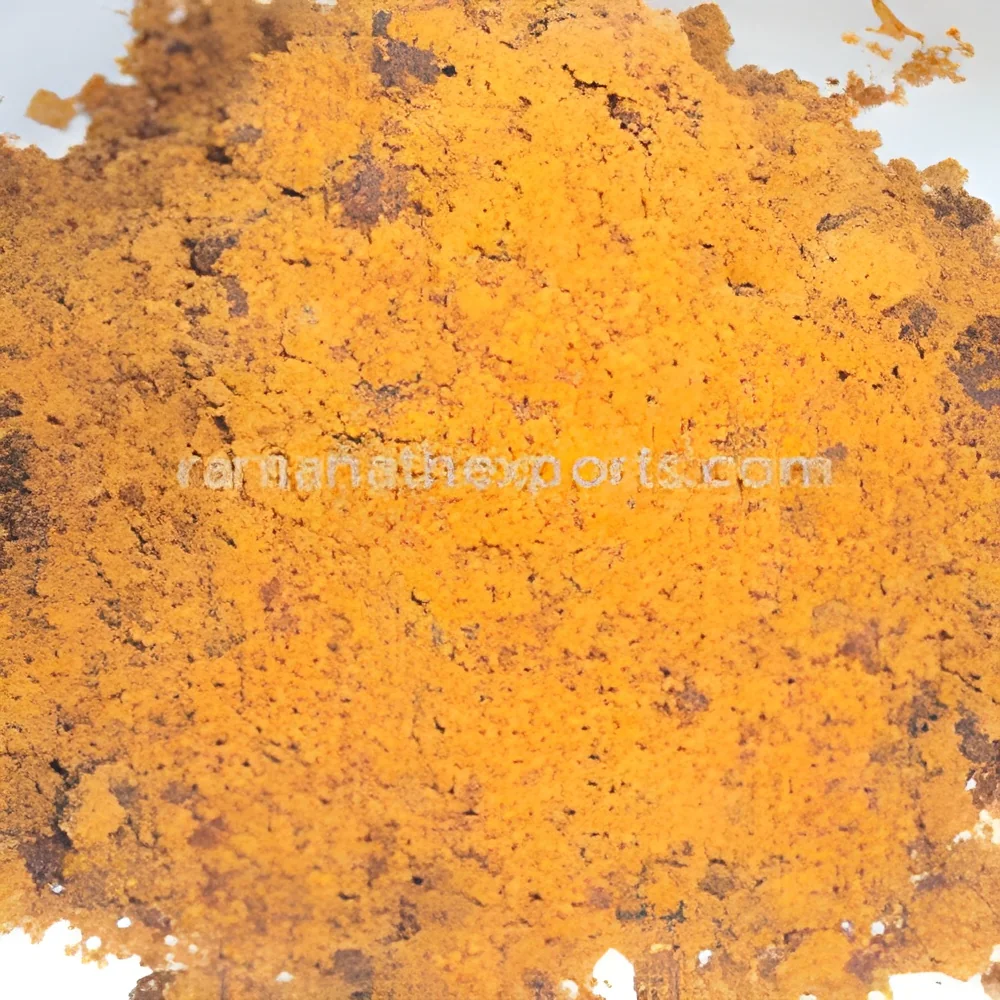
Finely ground, this variant is easy to use in recipes and dissolves quickly in liquids. It is popular for sweetening beverages and baked goods.
Benefits and Advantages
Jaggery (Solid, Powder) offers several key benefits that make it a favorable choice for consumers and businesses alike.
1. Natural Sweetener: Provides a healthier alternative to refined sugars, appealing to health-conscious consumers.
2. Nutrient-Rich: Contains essential minerals and vitamins that contribute to overall health, unlike processed sugars.
3. Digestive Aid: Traditionally believed to aid digestion and improve gut health, making it a preferred ingredient in many cultures.
4. Energy Booster: Offers a quick source of energy, which is beneficial for active lifestyles.
5. Versatile Usage: Suitable for a wide range of culinary applications, from sweetening to flavor enhancement.
6. Eco-Friendly: Often produced using traditional methods that have a lower environmental impact compared to refined sugar production.
Buying Guide for B2B Buyers
When sourcing Jaggery (Solid, Powder), buyers should consider several important factors to ensure they make informed decisions.
1. Quality Assessment: Evaluate the purity and nutritional content of jaggery. Look for suppliers who provide certifications and test results to verify quality.
2. Supplier Verification: Vet suppliers by checking their reputation, customer reviews, and compliance with food safety standards. A reliable supplier should demonstrate transparency in their sourcing and production processes.
3. Pricing and MOQ: Understand the price range for different forms of jaggery and inquire about minimum order quantities. Factor in logistics and shipping costs to get an accurate pricing structure.
4. Delivery and Lead Times: Discuss delivery schedules and lead times to ensure timely supply for your business operations. Consider potential delays and plan accordingly.
5. Compliance Requirements: Familiarize yourself with regional regulations and quality standards that apply to food products. Ensure that the supplier meets all necessary compliance certifications.
Compliance and Certifications
Jaggery (Solid, Powder) must adhere to several quality standards and certifications to ensure safety and quality. Relevant standards include ISO 9001, which ensures consistent quality management systems.
HACCP (Hazard Analysis Critical Control Point) is crucial in the food industry to identify and manage potential hazards throughout the production process.
Additionally, CE certification signifies that the product meets EU safety, health, and environmental protection standards.
It is also essential to consider regional compliance requirements, which may vary based on market regulations. Buyers should ensure that their suppliers can provide documentation related to safety and testing requirements.
Why Source Jaggery (Solid, Powder) from Pepagora?
Pepagora provides a trusted platform for sourcing Jaggery (Solid, Powder) with several key advantages.
Verified Supplier Network: Pepagora boasts a robust network of verified suppliers who meet strict quality standards. This ensures that buyers receive high-quality products consistently.
Streamlined RFQ Process: The request for quotation (RFQ) system simplifies the buying process. Buyers can easily compare offers from multiple suppliers, facilitating informed decision-making.
Trade Assurance and Support: Pepagora offers trade assurance, protecting buyers during transactions. The platform provides support to resolve any issues that may arise, ensuring a smooth experience.
Regional Coverage: With a strong presence in India, the GCC, and Southeast Asia, Pepagora connects buyers with suppliers across these regions, enhancing accessibility and options for sourcing jaggery.
In conclusion, Pepagora is an ideal partner for businesses looking to procure Jaggery (Solid, Powder), offering reliability, support, and a diverse supplier base.




 India





Frequently Asked Questions
What are Jaggery (Solid, Powder)?
Jaggery (Solid, Powder) is a traditional, unrefined sugar made from the sap of sugarcane or the date palm. It is produced by boiling the sap until it solidifies and is available in various forms, including solid blocks and powdered forms.
What are the different types of Jaggery (Solid, Powder)?
The main types of Jaggery include cane jaggery and palm jaggery, each derived from different sources. Cane jaggery is produced from sugarcane juice, while palm jaggery comes from the sap of palm trees, resulting in variations in color, taste, and texture.
How do I choose the right Jaggery (Solid, Powder)?
When selecting Jaggery (Solid, Powder), consider the source, color, and texture. High-quality jaggery should have a rich, golden-brown color and a granular texture, indicating minimal processing and the presence of natural minerals.
What are the standard specifications for Jaggery (Solid, Powder)?
Standard specifications for Jaggery (Solid, Powder) typically include moisture content, color, and purity level. The moisture content should generally be below 5%, and the jaggery should be free from any impurities or additives.
What is the price range for Jaggery (Solid, Powder)?
The price of Jaggery (Solid, Powder) can vary based on quality, type, and supplier, generally ranging from INR 50 to INR 150 per kilogram. Factors such as sourcing and demand also influence the pricing.
What quality standards apply to Jaggery (Solid, Powder)?
Quality standards for Jaggery (Solid, Powder) include compliance with food safety regulations, such as the Food Safety and Standards Authority of India (FSSAI) guidelines. These standards ensure that the product is safe for consumption and meets specified quality parameters.
Where can I find Jaggery (Solid, Powder) suppliers in India?
You can find Jaggery (Solid, Powder) suppliers in India through various online B2B marketplaces, trade directories, and local agricultural markets. Platforms like Pepagora.com provide listings of verified suppliers and manufacturers.
Can Jaggery (Solid, Powder) be customized?
Yes, Jaggery (Solid, Powder) can be customized based on specific requirements such as packaging, size, and purity level. Many manufacturers offer customization options to meet the needs of different businesses.
What is the typical minimum order quantity for Jaggery (Solid, Powder)?
The typical minimum order quantity (MOQ) for Jaggery (Solid, Powder) can vary by supplier, generally ranging from 100 kg to 500 kg. It is advisable to check with individual suppliers for their specific MOQ requirements.
What is the typical lead time for Jaggery (Solid, Powder)?
The typical lead time for Jaggery (Solid, Powder) orders can range from 7 to 21 days, depending on the supplier's production capacity and stock availability. It is recommended to confirm the lead time during the ordering process.
Why Businesses Trust Pepagora
Thousands of companies trust Pepagora to source smarter and sell faster
Expand Your Sales Globally

Source Smarter,Grow Faster
