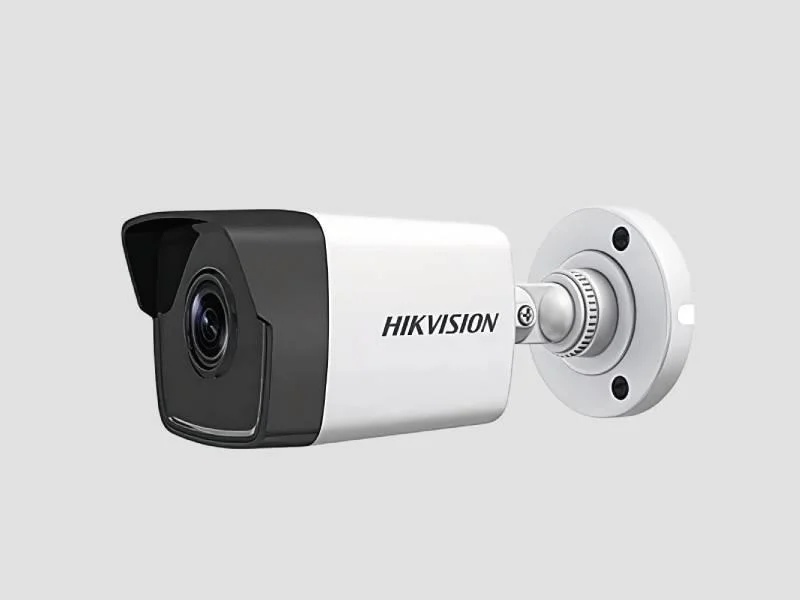
𝗪𝗵𝗮𝘁 𝗮𝗿𝗲 𝗜𝗣 𝗦𝘂𝗿𝘃𝗲𝗶𝗹𝗹𝗮𝗻𝗰𝗲 𝗖𝗮𝗺𝗲𝗿𝗮𝘀?
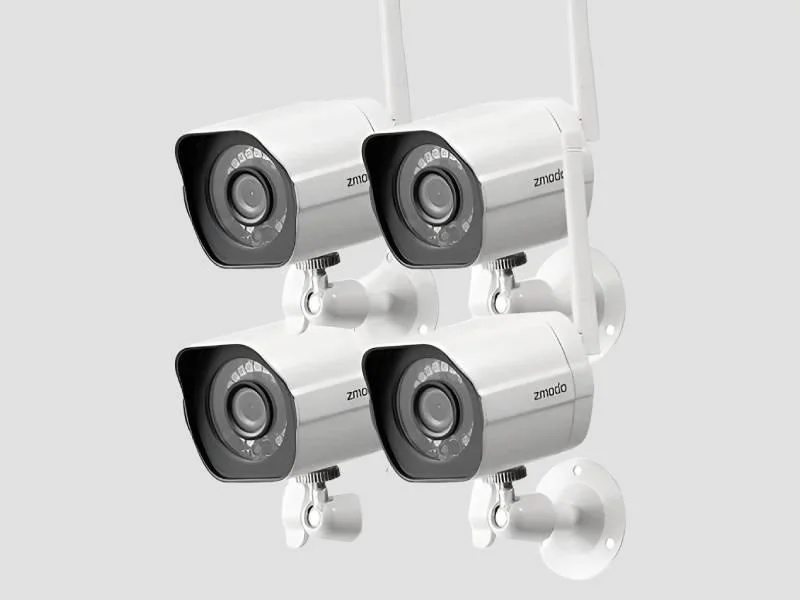
IP surveillance cameras are advanced security devices that utilize Internet Protocol technology to transmit video and audio data over a network. Unlike traditional analog cameras, which rely on coaxial cables, IP cameras connect to a network via Ethernet cables or Wi-Fi. This allows for greater flexibility, higher resolution images, and remote access capabilities. Businesses can monitor their premises in real-time, enhancing security and enabling quick responses to incidents.
The primary uses of IP surveillance cameras are in security and surveillance applications across various industries. They are commonly deployed in retail spaces, corporate offices, manufacturing facilities, and public areas to deter theft, monitor employee activities, and ensure safety. With the rise of work-from-home policies, many organizations are also investing in these cameras to keep an eye on remote operations. As the demand for robust security solutions increases, IP surveillance cameras have become a vital component of modern security systems.
In terms of market context, the global demand for IP surveillance cameras has grown significantly, driven by technological advancements and increased security concerns. The shift towards smart cities and the rise of IoT devices have further accelerated this trend, making IP cameras a relevant choice for businesses looking to enhance their security infrastructure.
𝗞𝗲𝘆 𝗙𝗲𝗮𝘁𝘂𝗿𝗲𝘀 𝗮𝗻𝗱 𝗦𝗽𝗲𝗰𝗶𝗳𝗶𝗰𝗮𝘁𝗶𝗼𝗻𝘀
IP surveillance cameras come with a range of features designed to meet various security needs. These specifications help businesses choose the right model for their applications.
Key specifications include:
1. Resolution
- High-definition video quality, typically ranging from 720p to 4K.
- Higher resolution allows for clearer images and better identification of subjects.
2. Connectivity
- Options for wired Ethernet or wireless Wi-Fi connections.
- Flexibility in installation and network integration.
3. Night Vision
- Infrared capabilities for low-light conditions.
- Ensures visibility during nighttime monitoring.
4. Motion Detection
- Built-in sensors to detect movement and trigger alerts.
- Reduces false alarms by differentiating between people and objects.
5. Storage Options
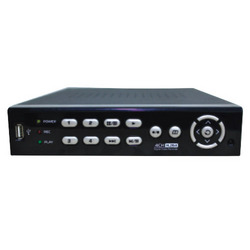
- Local storage via SD cards or remote storage through cloud services.
- Provides flexibility in data management.
6. Pan-Tilt-Zoom (PTZ) Capabilities
- Ability to remotely control the camera’s movement and zoom.
- Ideal for monitoring large areas effectively.
7. Weather Resistance
- IP-rated designs for outdoor use to withstand various weather conditions.
- Ensures durability and longevity of the cameras.
8. Integration with Security Systems
- Compatibility with existing security software and systems.
- Facilitates comprehensive security management.
In summary, IP surveillance cameras offer a versatile solution for modern security needs, featuring a range of specifications that cater to various business applications.
𝗖𝗼𝗺𝗺𝗼𝗻 𝗔𝗽𝗽𝗹𝗶𝗰𝗮𝘁𝗶𝗼𝗻𝘀 𝗮𝗻𝗱 𝗨𝘀𝗲 𝗖𝗮𝘀𝗲𝘀
IP surveillance cameras are versatile tools suitable for numerous industries and applications.
1. Retail: Retailers use IP cameras to monitor customer behavior, prevent theft, and enhance the overall shopping experience. They can analyze foot traffic patterns and optimize store layouts.
2. Corporate Offices: Businesses deploy these cameras to ensure workplace safety, monitor employee activities, and protect valuable assets. This surveillance can also enhance accountability and reduce workplace accidents.
3. Manufacturing: In manufacturing settings, IP cameras help monitor production lines, ensure safety compliance, and prevent unauthorized access to sensitive areas. This enhances operational efficiency and security.
4. Transportation: Airports and public transportation systems utilize IP cameras to ensure passenger safety and monitor for suspicious activities. They are crucial for maintaining secure environments in high-traffic areas.
5. Education: Schools and universities install IP cameras to enhance campus security and monitor student activities. This helps in creating a safe learning environment.
6. Healthcare: Healthcare facilities use IP cameras to monitor patient safety and deter unauthorized access to restricted areas. This is vital for maintaining privacy and security in sensitive environments.
7. Hospitality: Hotels and resorts benefit from IP cameras to enhance guest safety and monitor staff performance. This contributes to better service and security.
𝗣𝗿𝗼𝗱𝘂𝗰𝘁 𝗩𝗮𝗿𝗶𝗮𝗻𝘁𝘀 𝗮𝗻𝗱 𝗦𝘂𝗯𝗰𝗮𝘁𝗲𝗴𝗼𝗿𝗶𝗲𝘀
The diversity of IP surveillance cameras allows businesses to select models that best fit their specific needs.
Fixed Cameras: These cameras are designed for stable installation and provide consistent coverage in a specific direction. They are ideal for monitoring entrances, hallways, or specific areas.
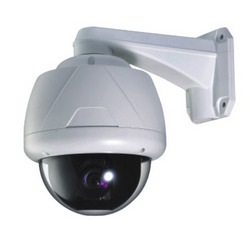
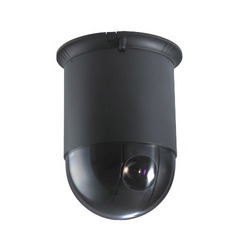
PTZ Cameras: Pan-tilt-zoom cameras offer the flexibility to remotely control the camera’s direction and zoom level. They are suitable for larger areas that require versatile monitoring capabilities.
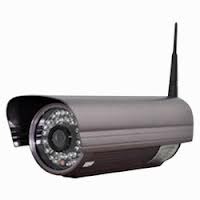
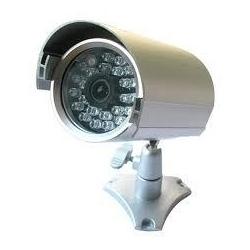
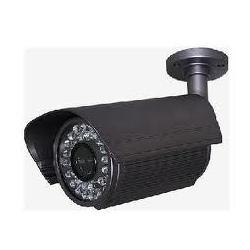
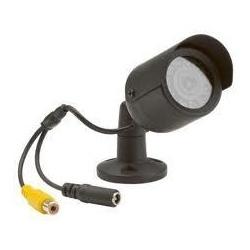
Bullet Cameras: These cameras have a cylindrical shape and are typically used for outdoor surveillance. They are easy to install and can be pointed in a specific direction for focused monitoring.
Dome Cameras: Dome cameras are discreet and can be used in both indoor and outdoor settings. Their design helps prevent vandalism and offers a wide field of view.
𝗕𝗲𝗻𝗲𝗳𝗶𝘁𝘀 𝗮𝗻𝗱 𝗔𝗱𝘃𝗮𝗻𝘁𝗮𝗴𝗲𝘀
Investing in IP surveillance cameras provides numerous benefits for businesses.
1. Enhanced Security: IP cameras provide real-time monitoring, which helps deter criminal activities and enhances overall safety.
2. Remote Access: Users can access camera feeds from anywhere, allowing for flexible monitoring and management of security systems.
3. High-Quality Images: With superior resolution capabilities, IP cameras ensure clear and detailed images for effective monitoring and identification.
4. Scalability: Businesses can easily expand their surveillance systems by adding more cameras without significant infrastructure changes.
5. Cost-Effective: While the initial investment may be higher, the long-term savings from reduced theft and improved operational efficiency often justify the cost.
6. Integration Capabilities: IP surveillance cameras can seamlessly integrate with existing security systems, providing a comprehensive security solution.
𝗕𝘂𝘆𝗶𝗻𝗴 𝗚𝘂𝗶𝗱𝗲 𝗳𝗼𝗿 𝗕𝟮𝗕 𝗕𝘂𝘆𝗲𝗿𝘀
When sourcing IP surveillance cameras, several factors should be taken into account to ensure the best fit for your needs.
1. Quality Assessment: Look for cameras that meet industry standards for durability and performance. High-quality optics and reliable components are essential for effective surveillance.
2. Supplier Verification: Vet suppliers by checking their credentials, reviews, and past performance. A reliable supplier will provide warranty and support services.
3. Pricing and MOQ: Understand the pricing structure, including any minimum order quantities. Comparing prices from various suppliers can help in making an informed decision.
4. Delivery and Lead Times: Consider the logistics involved in delivery. Ensure that the supplier can meet your timeline and has a reliable shipping method.
5. Compliance Requirements: Be aware of any regional regulatory requirements and certifications that the cameras must meet to ensure compliance with local laws.
𝗖𝗼𝗺𝗽𝗹𝗶𝗮𝗻𝗰𝗲 𝗮𝗻𝗱 𝗖𝗲𝗿𝘁𝗶𝗳𝗶𝗰𝗮𝘁𝗶𝗼𝗻𝘀
IP surveillance cameras must adhere to various quality standards and certifications to ensure their effectiveness and safety.
Relevant quality standards such as ISO 9001 ensure that manufacturers maintain consistent quality management practices. This is crucial for delivering reliable products that meet customer expectations.
Industry certifications like CE indicate compliance with European safety standards, ensuring that the cameras are safe for use in various environments.
Safety and testing requirements are also essential, as they guarantee that the cameras function correctly and withstand environmental challenges. This includes rigorous testing for weather resistance and durability.
Furthermore, regional compliance considerations may vary, necessitating that businesses understand the specific regulations applicable to their areas. This ensures that they select products that meet local laws and standards.
𝗪𝗵𝘆 𝗦𝗼𝘂𝗿𝗰𝗲 𝗜𝗣 𝗦𝘂𝗿𝘃𝗲𝗶𝗹𝗹𝗮𝗻𝗰𝗲 𝗖𝗮𝗺𝗲𝗿𝗮𝘀 𝗳𝗿𝗼𝗺 𝗣𝗲𝗽𝗮𝗴𝗼𝗿𝗮?
Pepagora is a trusted platform for sourcing IP surveillance cameras, offering several key advantages for buyers.
Verified Supplier Network: Pepagora connects businesses with a vetted network of suppliers, ensuring reliability and quality. Each supplier is thoroughly assessed for their credibility and product offerings.
Streamlined RFQ Process: The request for quotation (RFQ) system simplifies the procurement process. Buyers can easily compare offers from multiple suppliers, facilitating informed decision-making.
Trade Assurance and Support: Pepagora provides trade assurance, ensuring buyers are protected throughout the transaction process. This includes support for any issues that may arise post-purchase.
Regional Coverage: With a strong presence in regions such as India, the GCC, and Southeast Asia, Pepagora offers businesses access to a wide range of products and suppliers, making it easier to find the right solutions for their security needs.

 IN
IN
 India
India